Information
Landmark: Wat ArunCity: Bangkok
Country: Thailand
Continent: Asia
Wat Arun, Bangkok, Thailand, Asia
Wat Arun – The Temple of Dawn
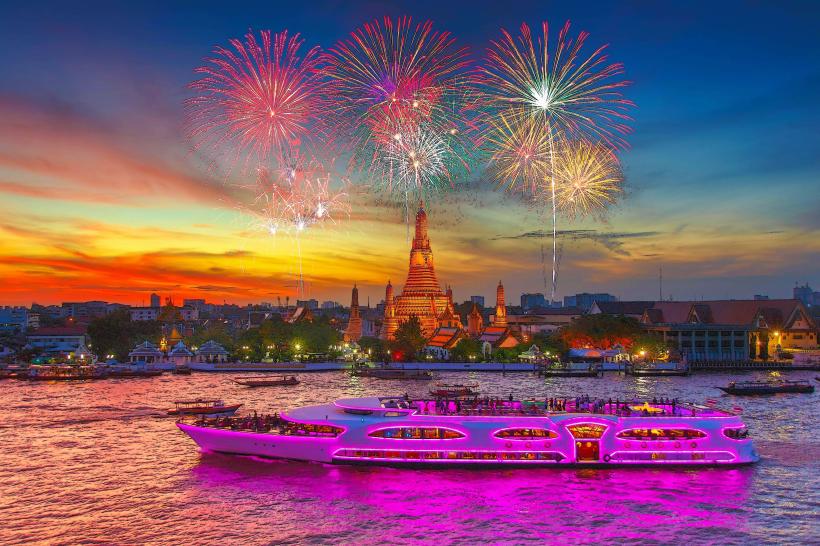
Wat Arun Ratchawararam Ratchawaramahawihan, commonly known as Wat Arun or the Temple of Dawn, is one of the most iconic and significant Buddhist temples in Bangkok, Thailand. Situated on the banks of the Chao Phraya River, opposite the Grand Palace and Wat Phra Kaew, Wat Arun is known for its stunning architecture, rich history, and its symbolic significance in Thai culture. It is particularly renowned for its towering central prang (spire), which dominates the temple's skyline and is visible from various points along the river.
Historical Significance
- Wat Arun has a long history, with its origins dating back to the Ayutthaya period (before Bangkok became the capital). The temple was originally known as Wat Makok and is believed to have been constructed during the reign of King Rama II in the early 19th century.
- The temple gained its current name, "Temple of Dawn," during the reign of King Rama II. The temple's central prang was later constructed and completed by King Rama III.
- Wat Arun's striking appearance and location on the Chao Phraya River contribute to its association with the dawn. It is said that the temple's central prang represents the Mount Meru, the center of the Buddhist universe, while the surrounding smaller spires represent the surrounding mountains.
Architectural Features
1. The Central Prang (Spire)
- The most recognizable feature of Wat Arun is its central prang, a towering spire that rises to a height of 70 meters (230 feet). This prang is the tallest of its kind in Thailand and is covered in intricate decorations made of ceramic tiles and porcelain. The spire is designed to represent Mount Meru, which is central to Buddhist cosmology.
- The prang is adorned with elaborate carvings and mosaics, giving it a colorful and dazzling appearance. The prang can be climbed to the top, offering panoramic views of the Chao Phraya River and the surrounding cityscape.
2. The Four Smaller Prangs
- Surrounding the central prang are four smaller prangs, each of which represents one of the four cardinal directions: North, South, East, and West. These smaller prangs are also decorated with ceramic tiles, giving them a radiant appearance that complements the central spire.
3. The Ordination Hall (Ubosot)
- The ubosot of Wat Arun is the main ordination hall, where monks are formally ordained and religious ceremonies are held. The hall is adorned with beautiful Buddha images and murals depicting scenes from the Buddha’s life.
- The ubosot is decorated with intricate wood carvings and paintings, featuring traditional Thai art and religious themes.
4. The Courtyards and Smaller Shrines
- The temple complex consists of multiple courtyards, surrounded by smaller shrines and statues. Among these are statues of the Buddha, including the reclining Buddha, and numerous images of divinities and guardian figures.
- Visitors can explore these courtyards to witness the beautiful gardens, statues, and other sacred elements that are part of the temple's design.
5. The Prang's Decoration
- The central prang is covered with colorful porcelain tiles, which are often made of Chinese porcelain fragments. These tiles create a stunning effect, especially when illuminated by the rising or setting sun, giving the temple its reputation as the Temple of Dawn.
- The prang features a design that reflects a mix of Siamese, Khmer, and Indian architectural styles, combining traditional Thai elements with influences from neighboring cultures.
Symbolism and Religious Significance
- Wat Arun is dedicated to the Hindu god Aruna, who represents the dawn and serves as the charioteer of the sun god, Surya. The temple’s association with dawn reflects the belief that the rising sun brings enlightenment and spiritual awakening to the world.
- In addition to its Hindu connections, Wat Arun is an important Buddhist temple, representing the Buddhist journey to enlightenment. The temple's central prang is a metaphor for the path to Nirvana, and the climbing of the spire symbolizes a spiritual ascent toward higher states of consciousness.
Visiting Wat Arun
Opening Hours
- Wat Arun is open to visitors every day from 8:00 AM to 5:30 PM.
Entry Fee
- The entrance fee for Wat Arun is 50 Baht (approximately 1.50 USD). This ticket grants access to the temple complex, including the central prang and surrounding courtyards.
Dress Code
- As a sacred Buddhist site, visitors must dress modestly when visiting Wat Arun. This means:
- Long pants or skirts (no shorts or skirts above the knee).
- Covered shoulders (no sleeveless tops).
- Closed-toed shoes (flip-flops and sandals are not permitted).
How to Get There
- Wat Arun is located on the west bank of the Chao Phraya River, near the Tha Tien Pier and Grand Palace. To get there, visitors can take a boat ride on the river, which is a pleasant and scenic way to approach the temple. Ferries frequently cross the river to the temple from Tha Tien Pier on the east side of the river.
- Alternatively, visitors can take a taxi or Tuk-tuk to the pier and walk to the temple.
Nearby Attractions
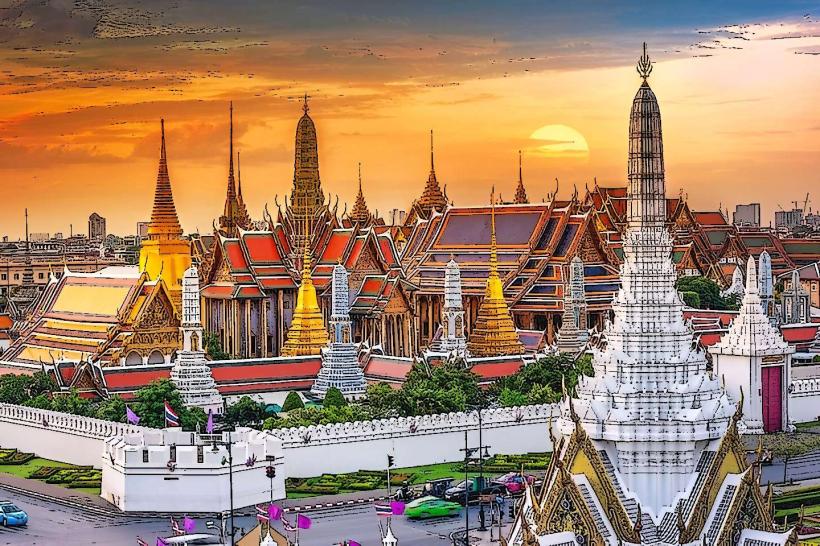
- Grand Palace: Located just across the river from Wat Arun, the Grand Palace is one of Bangkok's most important landmarks. It houses Wat Phra Kaew and offers a rich historical and architectural experience.
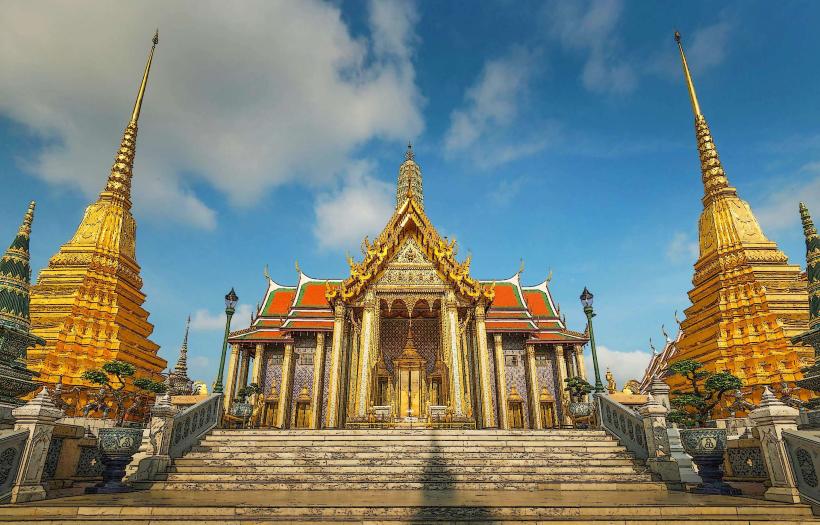
- Wat Phra Kaew: The Temple of the Emerald Buddha, located within the Grand Palace complex, is one of Thailand's most revered temples, housing the sacred Emerald Buddha.
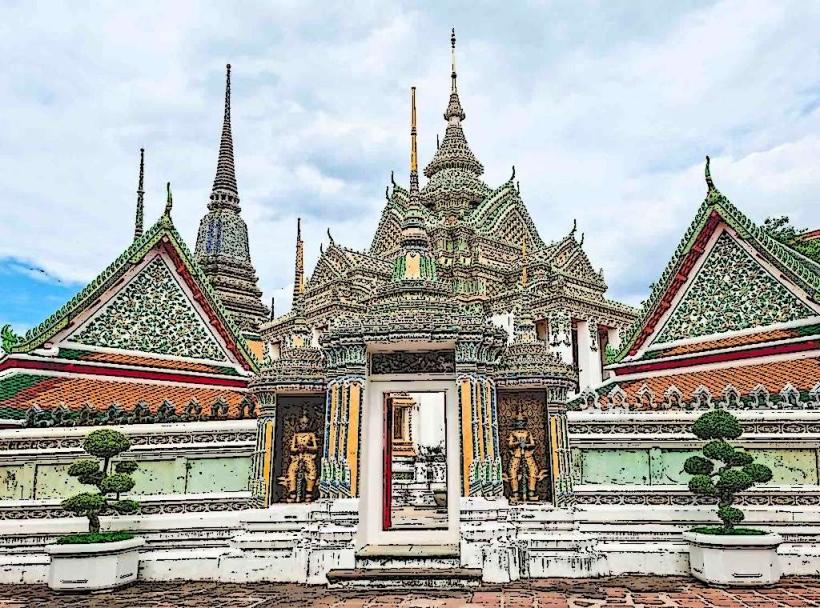
- Wat Pho: Home to the famous Reclining Buddha, Wat Pho is another important temple near the Grand Palace and Wat Arun. It is also known for being a center of traditional Thai medicine and massage.
Conclusion
Wat Arun stands as one of the most iconic symbols of Bangkok and Thailand. Its stunning architecture, rich symbolism, and spiritual significance make it a must-visit destination for anyone exploring the city. Whether you are fascinated by its towering prang, its intricate mosaics, or its deep connection to Buddhist and Hindu traditions, Wat Arun offers an unforgettable experience. With its location along the Chao Phraya River, the temple provides both a spiritual retreat and an aesthetic wonder, capturing the imagination of visitors from around the world.