Information
Landmark: West Virginia State CapitolCity: Charleston WV
Country: USA West Virginia
Continent: North America
West Virginia State Capitol, Charleston WV, USA West Virginia, North America
The West Virginia State Capitol is the seat of government for the state of West Virginia, located in Charleston, West Virginia.
It is a domed building designed in the Beaux-Arts style.
Visual Characteristics
The capitol building is constructed primarily of Indiana limestone and granite. Its exterior features classical architectural elements, including columns and pediments. The central dome is gilded and rises to a height of 293 feet. The building's footprint is roughly rectangular, with wings extending from the central structure. The primary color palette is a light, neutral stone, with gold accents on the dome.
Location & Access Logistics
The West Virginia State Capitol is situated at 1900 Kanawha Boulevard East, Charleston, WV 25305. It is approximately 1.5 miles east of the Charleston city center. Ample parking is available in designated visitor lots on the capitol grounds. Public transportation is accessible via the Kanawha Valley Regional Transportation Authority (KRT) bus lines that service Kanawha Boulevard.
Historical & Ecological Origin
Construction of the current West Virginia State Capitol began in 1921 and was completed in 1932. The architect was Cass Gilbert. The building was designed to replace the previous capitol building, which was destroyed by fire. Its original purpose was to house the legislative and executive branches of the state government.
Key Highlights & Activities
Visitors can tour the interior of the capitol building, including the House of Delegates chamber, the Senate chamber, and the Governor's office. Guided tours are available, focusing on the architecture and history of the building. The grounds surrounding the capitol offer walking paths and views of the Kanawha River.
Infrastructure & Amenities
Restrooms are available within the capitol building. Limited shaded areas are present on the grounds. Cell phone signal (4G/5G) is generally strong within the building and on the grounds. No on-site food vendors are present, but dining options are available in nearby Charleston.
Best Time to Visit
For interior photography, the morning hours (9:00 AM - 11:00 AM) offer good natural light. For exterior views and grounds exploration, late afternoon (3:00 PM - 5:00 PM) provides favorable lighting conditions. The best months for visiting are typically April through October, avoiding extreme winter weather.
Facts & Legends
The original design for the capitol dome was significantly different, featuring a much larger, more ornate structure. However, budget constraints led to a revised, more streamlined design. A specific detail to note is the intricate plasterwork and murals found throughout the interior spaces.
Nearby Landmarks
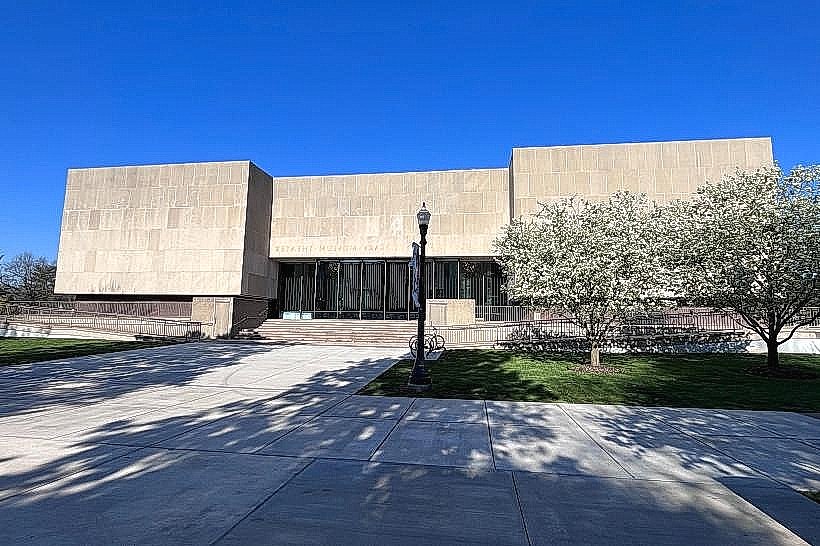
- West Virginia State Museum (0.2km West)
- Culture Center (0.3km West)
- Charleston Civic Center (1.2km West)
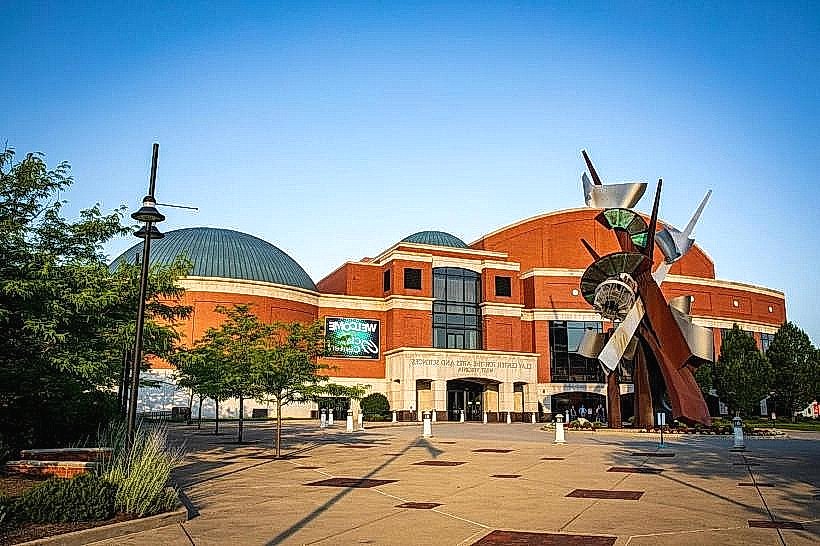
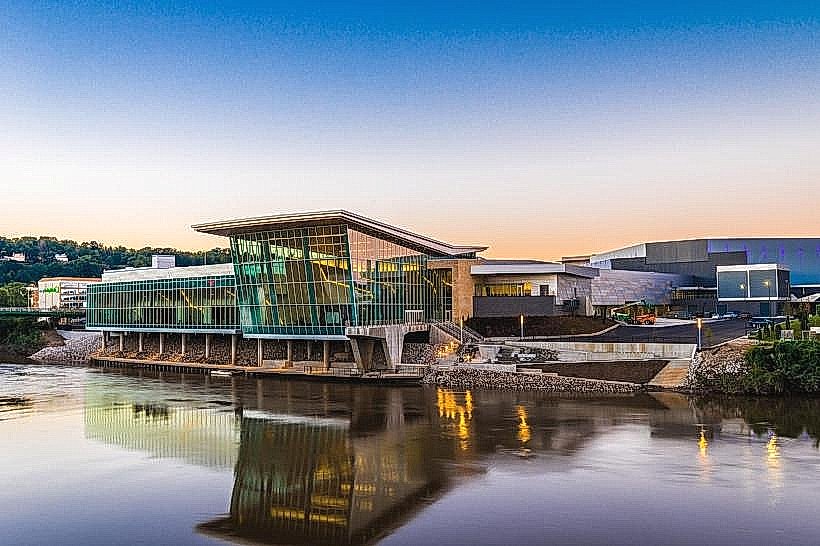
- Clay Center for the Arts & Sciences (1.3km West)
- Kanawha River (Adjacent South)