Information
Landmark: York City WallsCity: York
Country: United Kingdom
Continent: Europe
York City Walls, York, United Kingdom, Europe
York City Walls (also known as the Bar Walls) are the longest town walls in England, spanning approximately 3.4km. The current stone structure is primarily medieval (13th–14th century), built upon the massive earthwork ramparts of an earlier Roman and Viking circuit.
Visual Characteristics
The walls are defined by elevated stone walkways constructed from magnesian limestone, offering high-contrast views of York’s historic core against the modern outer suburbs. The circuit is punctuated by four major "Bars" (gatehouses)-Micklegate, Bootham, Monk, and Walmgate-which are massive, fortified stone towers with portcullis slots and arrow slits.
Location & Access Logistics
The walls encircle the city center (York YO1). They are accessible for free via multiple stone staircases located at each Bar and several intermediate posterns. The primary access point for rail travelers is near York Railway Station (0.2km). The walkways are open daily from 08:00 until dusk (closed during icy or extremely windy conditions).
Historical & Ecological Origin
The walls follow the alignment of the Roman Eboracum fortifications established in 71 AD. During the medieval period, they served as a vital defense and a means of controlling trade. Ecologically, the steep earth ramparts (the "mottes") provide a unique urban habitat; they are famous for a high-density bloom of daffodils in March and April.
Key Highlights & Activities
Micklegate Bar: Traditionally the royal entrance to the city, where the severed heads of traitors were historically displayed on spikes.
Monk Bar: Features a functioning portcullis and houses the Richard III Experience (a small museum).
Walmgate Bar: The only gatehouse in England to retain its original "barbican" (outer defensive work).
The Multangular Tower: A well-preserved 10-sided Roman tower located in the Museum Gardens section.
Walking the Circuit: A full circuit takes approximately 2 hours at a consistent pace.
Infrastructure & Amenities
As an outdoor historical monument, there are no facilities on the walls themselves. However, the gatehouse bars are located in high-density commercial areas with immediate access to cafes and restrooms. 5G coverage is excellent along the entire elevated route. Most of the walkway is not wheelchair accessible due to narrow passages and frequent steep stone stairs; however, views of the exterior ramparts are accessible from street-level pavements.
Best Time to Visit
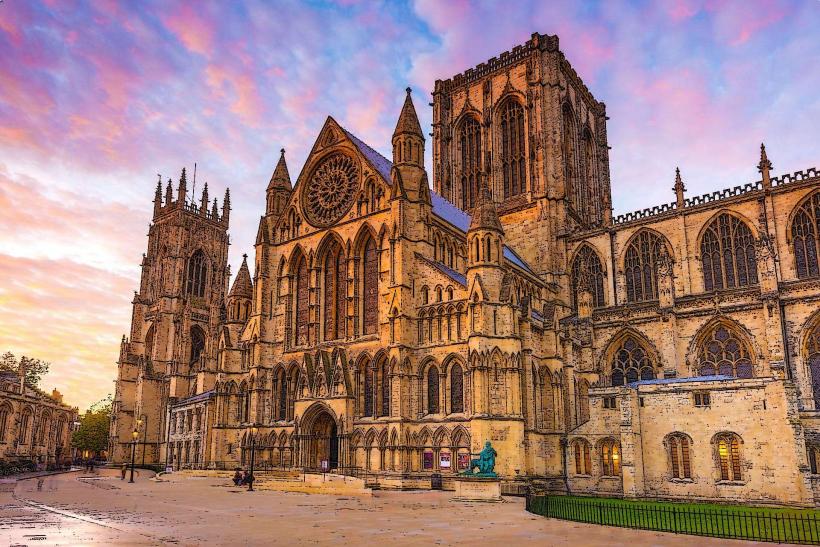
To minimize interaction with high visitor density, start the walk at 08:00. The section between Bootham Bar and Monk Bar provides the most iconic unobstructed views of York Minster and is particularly visual at sunset.
Facts & Legends
A local historical detail is that the walls were nearly demolished in the 19th century to facilitate urban expansion, but were saved by the York Corporation following a public outcry. A specific tip: look for the "Mason's Marks" carved into the stones, which were used to identify the work of specific medieval craftsmen for payment.
Nearby Landmarks
York Railway Station – 0.2km (Near Micklegate Bar)
York Minster – 0.1km (Visible from the northern section)
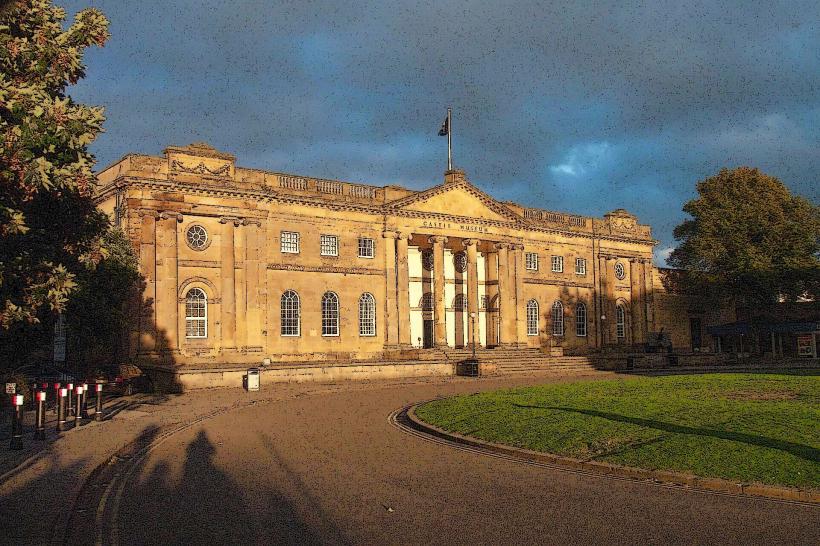
Yorkshire Museum & Gardens – Adjacent to the Roman section
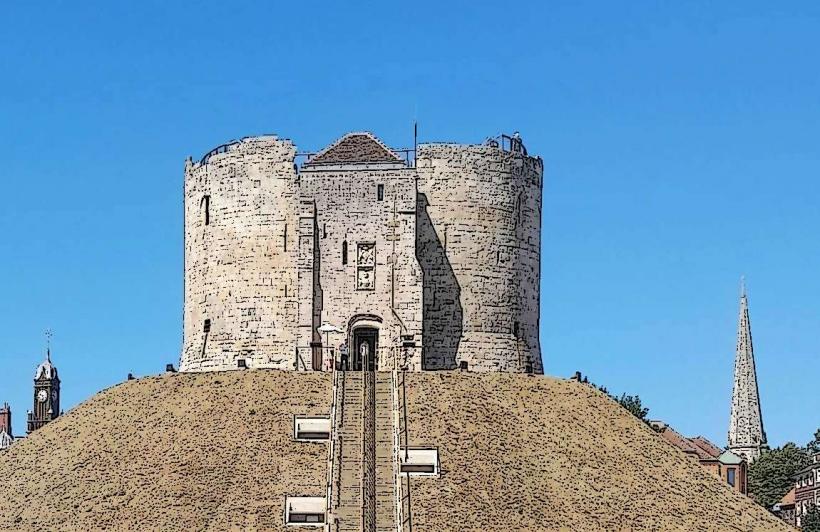
Clifford’s Tower – 0.3km West of the Walmgate section
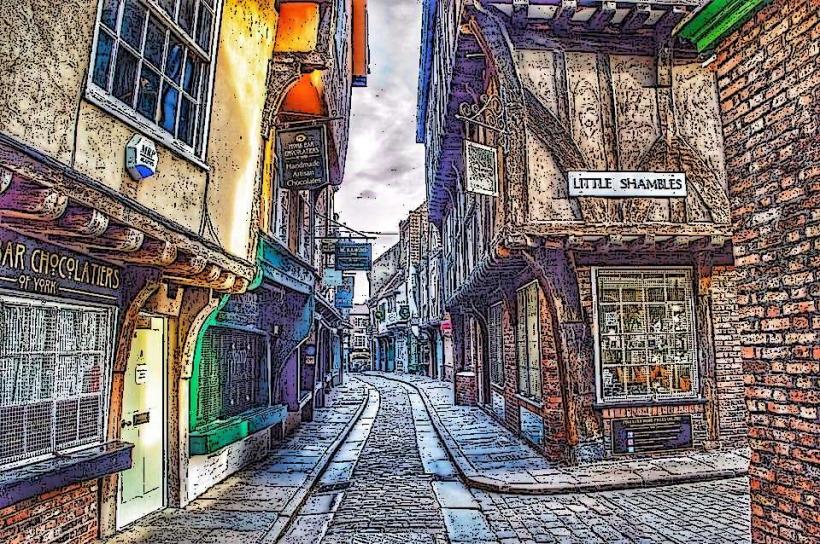
The Shambles – 0.5km from Monk Bar