Information
Landmark: Zenica Historical MuseumCity: Zenica
Country: Bosnia and Herzegovina
Continent: Europe
Zenica Historical Museum, Zenica, Bosnia and Herzegovina, Europe
The City Museum Zenica (Muzej grada Zenice) is a primary cultural institution located in the urban core of Zenica, Bosnia and Herzegovina. Originally established in 1966, it moved to its current purpose-built facility in 2007.
Visual Characteristics
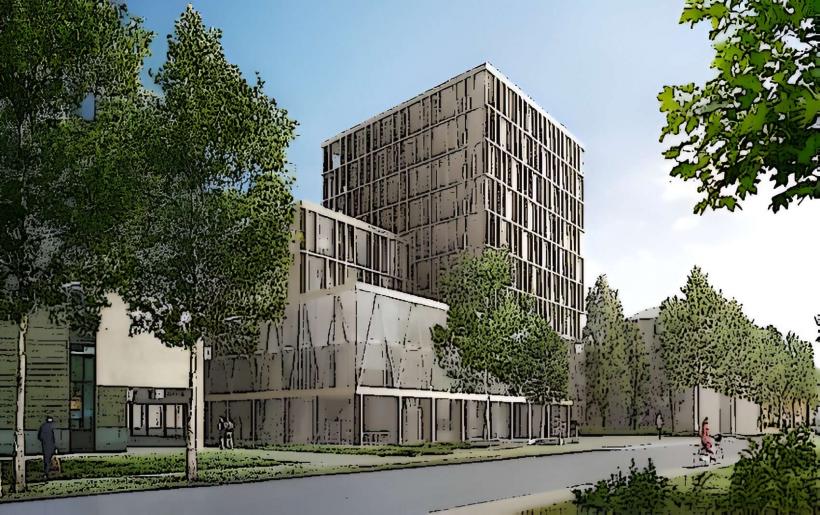
The museum occupies a contemporary reinforced concrete building designed by New York-based architect Jonus Ademović. The structure features a functionalist aesthetic with a transparent glass garden facing the Bosna River. A defining architectural element is the vertical "skylight" axis that allows natural light to penetrate all three exhibition floors simultaneously. The roof and sections of the attic floor are constructed of transparent glass to maximize interior illumination.
Location & Access Logistics
The museum is situated at Muhameda Seida Serdarevića bb, in the historic "Stara čaršija" (Old Bazaar) district between the old town and the Bosna River. It is approximately 0.5 km from the main city center. Access is primarily pedestrian via the central walking zones. Public parking is available at the nearby "Multiplex Ekran" garage or street lots within 200 meters.
Historical & Ecological Origin
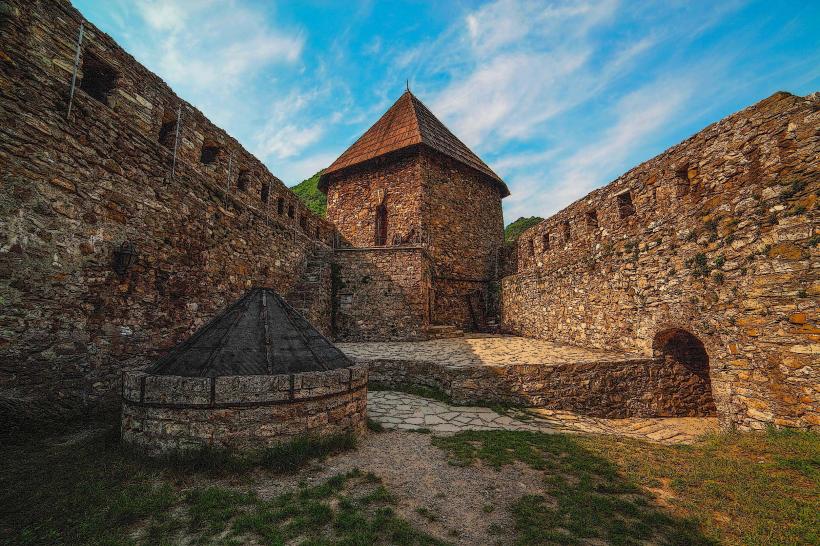
The current building sits on the site of a former Ottoman-era structure; the modern design intentionally incorporates geometric cues to maintain a "memory" of the previous urban form. The institution also administers several national monuments, including the Vranduk Fortress and the City Synagogue.
Key Highlights & Activities
The museum maintains five permanent thematic exhibitions across 3,000 square meters:
Archaeological: Artifacts dating from 3000 BC to the medieval period.
Historical: Documents Zenica’s evolution from a small settlement to a major industrial center.
Ethnological: Displays traditional costumes, crafts, and domestic life from the late 19th century.
Numismatic: A collection of historical coins and banknotes.
20th Century Media: Features vintage radios, film projectors, and early communication technology.
Infrastructure & Amenities
The facility includes dedicated business premises, a library, and an art collection. A "coffee/club" space is used for workshops and educational events. The building is equipped with modern restrooms and a lapidary. High-speed 5G cellular coverage is available throughout the site.
Best Time to Visit
Official hours are 09:00 to 17:00, Monday through Friday. The museum is closed on weekends. Mid-morning is optimal for photography to utilize the natural light filtered through the central skylights.
Facts & Legends
The museum houses the Gradiša’s Grand Judge Stone, a significant artifact from the era of Ban Kulin (12th century) which provides the first material evidence of a judiciary system in medieval Bosnia.
Nearby Landmarks
City Synagogue – 0.1 km North
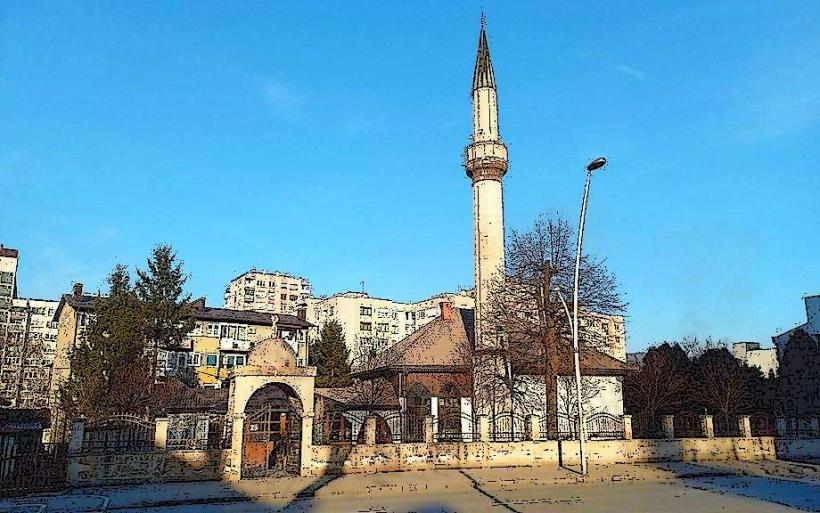
Sultan Ahmed Mosque – 0.2 km East
Hadži-Mazića House – 0.1 km South
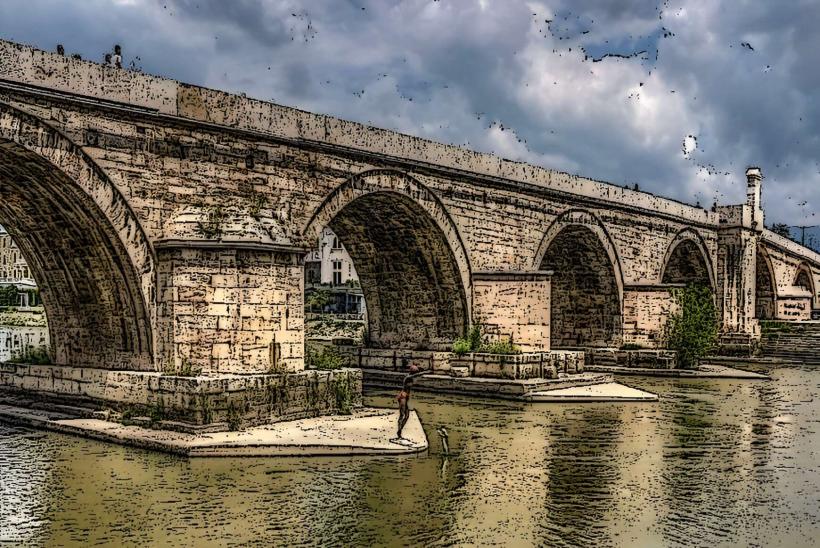
Kameni Most (Stone Bridge) – 0.1 km East
Bosnian National Theatre Zenica – 0.4 km West