Information
Landmark: Zojo-ji TempleCity: Tokyo
Country: Japan
Continent: Asia
Zojo-ji Temple, Tokyo, Japan, Asia
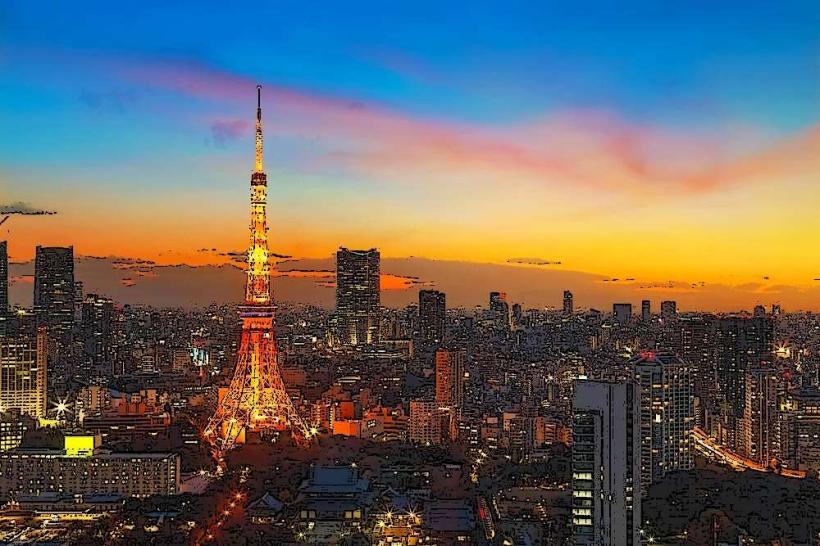
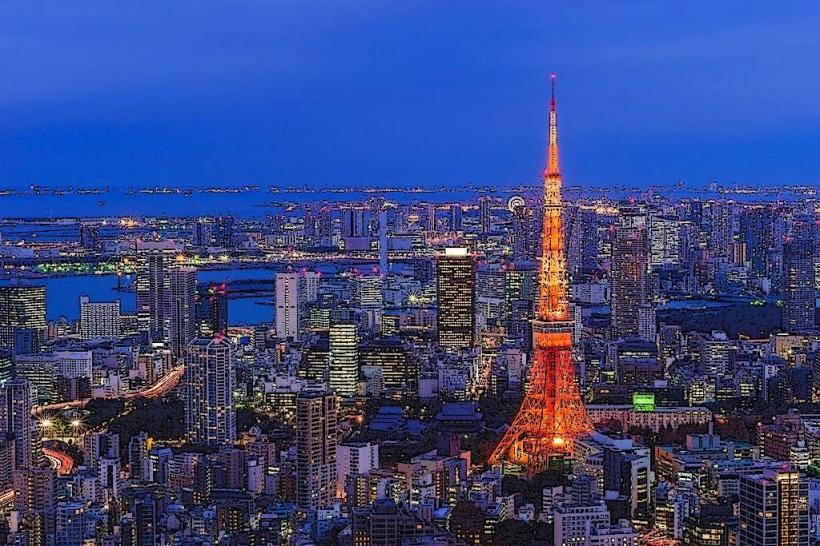
Zojo-ji Temple (増上寺, Zōjō-ji) is one of the most historically significant and iconic temples in Tokyo, known for its beautiful location near the Tokyo Tower and its rich connection to the Tokugawa Shogunate, one of the most powerful families in Japanese history. The temple is part of the Jodo (Pure Land) Buddhist sect and serves as the head temple of the Jodo Shu (Pure Land sect) in the Kanto region.
Overview:
- Location: Minato, Tokyo, near Tokyo Tower
- Founded: 1393
- Sect: Jodo Shu (Pure Land Buddhism)
- Main Deity: Amida Buddha (Amitābha), the Buddha of Infinite Light and Life, revered in Pure Land Buddhism.
- Significance: Zojo-ji served as the family temple for the Tokugawa shogunate and is closely linked with the Tokugawa family, particularly the first shogun, Tokugawa Ieyasu.
Historical Significance:
Founding and Early History: Zojo-ji was originally founded in 1393 during the Muromachi period by the Buddhist monk Yūben. However, it gained widespread prominence in the early Edo period (17th century) when it became the head temple of the Jodo Shu sect in the Kanto region.
Connection to the Tokugawa Shogunate: The temple became closely associated with the Tokugawa Shogunate after Tokugawa Ieyasu (the first shogun of the Tokugawa family) made it the family temple for the Tokugawa clan. As a result, Zojo-ji became the official temple for the Tokugawa family, with many of the Tokugawa shoguns being buried at the temple. The temple was both a spiritual center and a significant place of power for the ruling Tokugawa family.
Destruction During WWII: Like many historical structures in Tokyo, Zojo-ji was severely damaged during the air raids of World War II. However, much of the temple was reconstructed afterward, including the main hall and the gate. Despite the destruction, the temple’s significance as a historical and cultural landmark remains strong.
Key Features of Zojo-ji Temple:
1. The Main Gate (Sōmon):
The main gate of Zojo-ji Temple, known as Sōmon, is a three-story structure that stands impressively at the entrance. The gate is an example of traditional Japanese temple architecture and is often photographed alongside the Tokyo Tower, creating a beautiful contrast between old and new.
- The gate is a great example of classic Japanese wooden construction, featuring intricate carvings and golden details that represent the religious and cultural significance of the temple.
2. The Main Hall (Hondo):
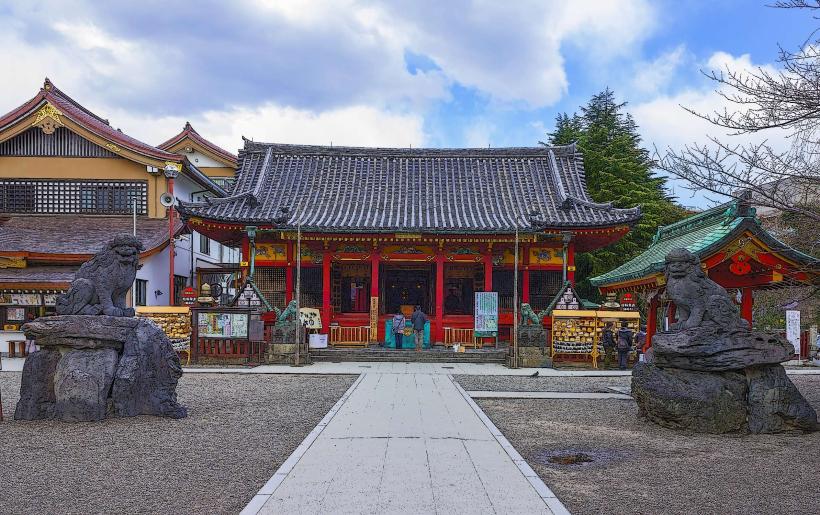
The Main Hall (Hondo) is the central building of Zojo-ji, where visitors can pay their respects to Amida Buddha, the central figure in Pure Land Buddhism. The hall houses a large statue of Amida Buddha and is a place of worship for the faithful.
- The current main hall was reconstructed after WWII, and it stands as a testament to the temple’s resilience and importance as a religious and cultural landmark.
- Inside, visitors can find statues, paintings, and Buddhist iconography that are significant in the Jodo Shu tradition.
3. The Tokugawa Family Mausoleum:
One of the most important features of Zojo-ji Temple is its Tokugawa Family Mausoleum. This area houses the graves of the Tokugawa shoguns, including Tokugawa Ieyasu, the founder of the Tokugawa Shogunate, and his descendants. Their tombs are located in a tranquil garden area behind the main hall.
- The mausoleum is a sacred site and is considered an important historical destination for those interested in the history of the Tokugawa era.
- Ieyasu’s tomb is a focal point of the mausoleum and is adorned with intricate stone carvings and elegant monuments, reflecting the power and reverence the Tokugawa family held during Japan’s feudal era.
4. The Great Bell (Daibōzu):
Zojo-ji is also home to a large bell, known as Daibōzu (大坊主), which is traditionally rung on significant occasions such as the New Year and other Buddhist ceremonies. The bell itself is historically significant, and it plays an essential role in the rituals of the temple.
5. The Zojo-ji Garden:
The temple grounds are surrounded by beautiful gardens, which serve as a peaceful escape from the hustle and bustle of Tokyo. These gardens are perfect for visitors who wish to stroll and experience the calm atmosphere that the temple provides.
Cultural and Religious Importance:
Zojo-ji Temple is not just a tourist destination; it holds immense religious significance for practitioners of Pure Land Buddhism and for those interested in the cultural history of Japan. The temple is a place of worship and spiritual reflection for many.
Pure Land Buddhism is one of Japan’s most widely practiced forms of Buddhism, which teaches that by invoking the name of Amida Buddha, one can be reborn in a pure land, a place of peace and enlightenment. Zojo-ji is a center for this practice, offering spiritual solace and a place for prayer.
The temple is a site for traditional Buddhist ceremonies and festivals, including Obon (the Buddhist festival to honor the dead), New Year’s ceremonies, and memorial services for the Tokugawa family.
Visiting Zojo-ji Temple:
1. Location:
Zojo-ji is located in the Minato district of Tokyo, near Tokyo Tower, which is one of the most famous landmarks in the city. It is easily accessible by public transportation:
- Public Transportation:
- On foot: From Hamamatsucho Station (JR Line and Tokyo Monorail), it’s about a 5-10 minute walk.
- Subway: Zojo-ji-mae Station on the Oedo Line is located near the temple, just a short walk away.
2. Visiting Hours:
The temple is open daily for visitors. While it is generally free to visit the temple grounds, donations are welcomed. The main hall is usually open to visitors throughout the day, with certain religious services occurring in the morning and evening.
- Temple Grounds: Open daily (8:00 AM to 5:00 PM).
- Main Hall and Mausoleum: Open during regular hours, with limited access to the mausoleum for special occasions and events.
3. Special Events:
Zojo-ji hosts a variety of religious festivals and cultural events throughout the year. Some of the most notable include:
New Year’s Bell Ringing (Joya-no-Kane): On New Year's Eve, the temple rings its Great Bell 108 times, symbolizing the 108 worldly desires that, in Buddhist belief, cause human suffering.
Obon Festival: During Obon (usually in mid-August), the temple holds memorial services for the deceased and for the Tokugawa family ancestors.
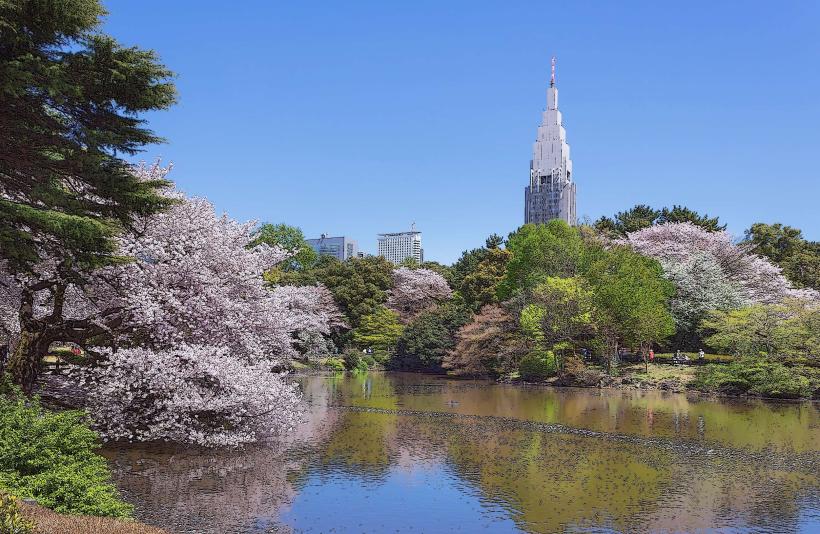
Cherry Blossom Viewing: The temple grounds are a popular spot for hanami (flower viewing) during spring when the cherry blossoms are in bloom.
Conclusion:
Zojo-ji Temple is a remarkable place where history, culture, and spirituality converge. It provides a fascinating glimpse into Japan's feudal past and is a vital part of Tokyo's religious and cultural landscape. Whether you're a history enthusiast, a Buddhist practitioner, or simply someone looking to experience Tokyo's serene side, Zojo-ji offers a unique experience that combines spiritual reflection with a deep sense of historical importance. Its close proximity to the Tokyo Tower and central Tokyo makes it an easy addition to any Tokyo itinerary.