Information
City: AikenCountry: USA South Carolina
Continent: North America
Aiken, USA South Carolina, North America
Aiken is an independent city and the seat of Aiken County, situated in the Sandhills region near the Georgia border. Known as the "Winter Colony," it is defined by its international equestrian culture, its historic parkways, and its unique dual-identity as both a refined resort for Gilded Age elites and a major center for nuclear research.
Historical Timeline
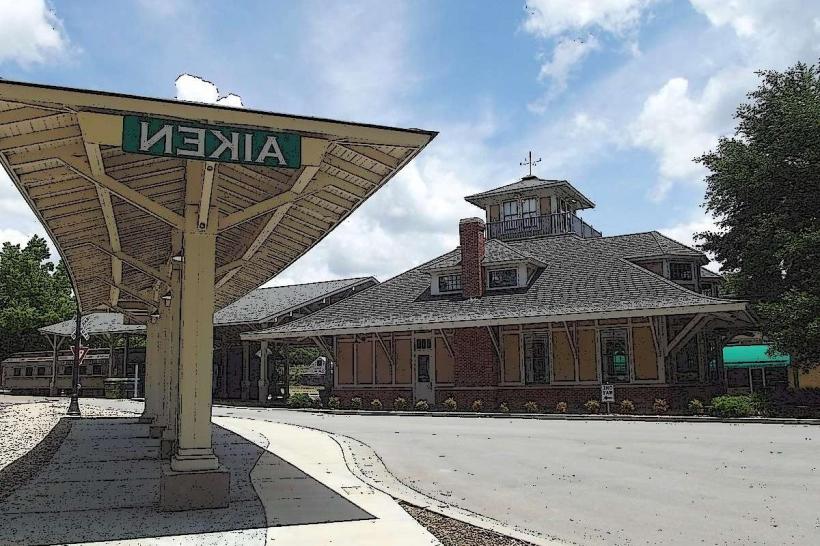
Inhabited by the Savannah and Muscogee peoples. Primary governance began with its 1835 founding as a terminus for the South Carolina Canal and Railroad Company. A critical historical event occurred in the late 19th century when wealthy Northerners-the "Winter Colonists"-established Aiken as a premier equestrian retreat. In 1950, the federal government selected the area for the Savannah River Site (SRS), a nuclear weapons materials plant that fundamentally transformed the local economy. The 21st century is characterized by its emergence as a "climate refuge" for coastal South Carolinians and a top-tier destination for competitive polo and steeplechase.
Demographics & Population
The population is approximately 32,500 (Metro area ~170,000). The demographics are White (60%), Black or African American (31%), and Hispanic or Latino (5%). The economy is driven by the Savannah River Site, healthcare, equestrian sports, and the University of South Carolina Aiken (USCA).
Urban Layout & Key Districts
Aiken is famous for its "Parkways"-wide, landscaped medians and unpaved "dirt" roads designed for horses.
The Historic District: The urban core featuring the "Avenue of Oaks," Gilded Age mansions (Winter Colony estates), and independent retail.
The Horse District: A high-density equestrian zone containing the Aiken Training Track, Bruce's Field, and private polo fields; many roads remain unpaved to protect horses' hooves.
Downtown / Laurens Street: The central business district known for its brick-paved streets, boutiques, and locally-owned restaurants.
South Aiken: The primary commercial "big box" and residential expansion corridor along Whiskey Road (US-19).
Top City Landmarks
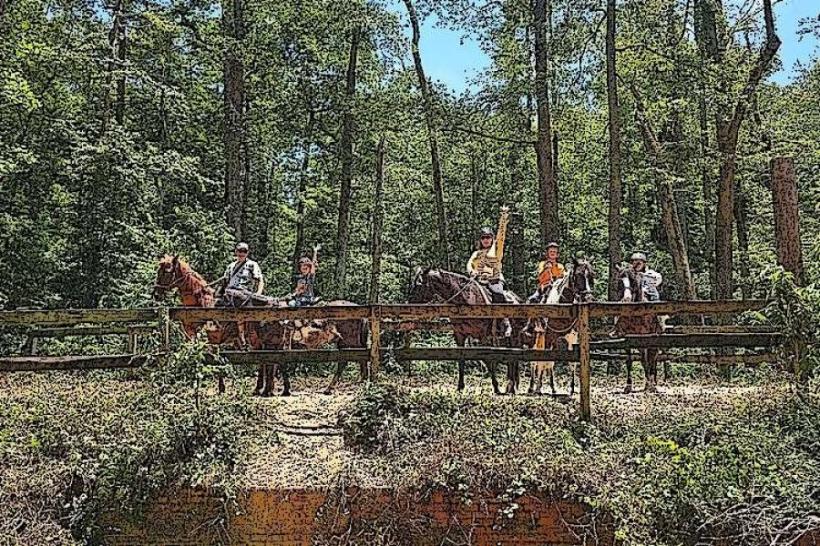
Hitchcock Woods: One of the largest urban forests in the U.S. (2,100 acres), featuring 110 km of sandy trails reserved for pedestrians and equestrians.
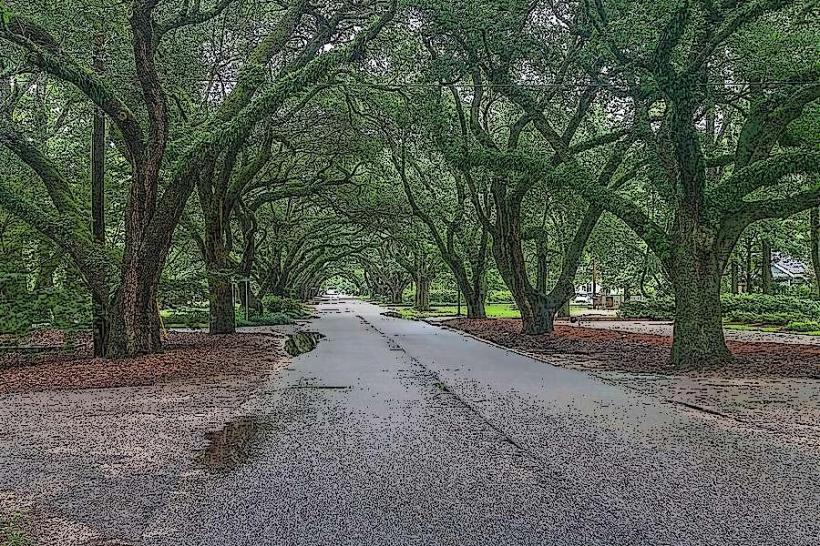
The Avenue of Oaks: A 120-year-old canopy of live oaks on South Boundary Avenue that serves as the city’s primary aesthetic symbol.
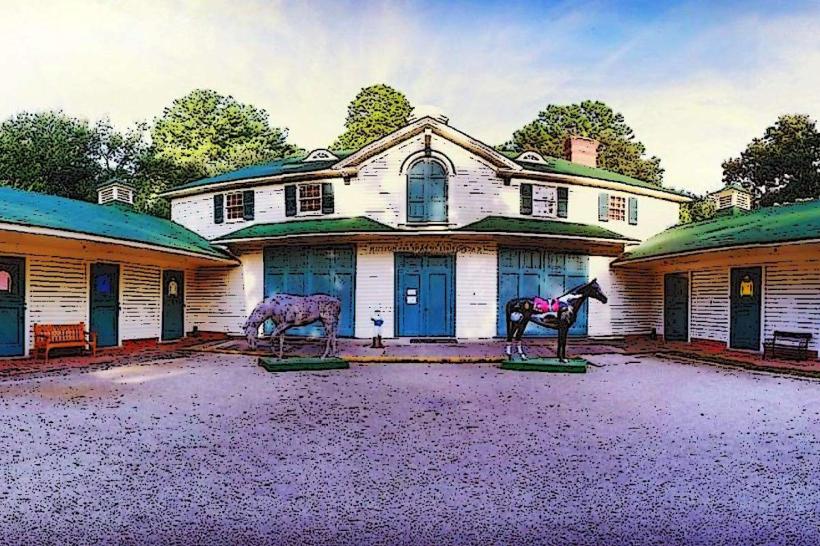
Aiken Thoroughbred Racing Hall of Fame & Museum: Located in the historic Hopelands Gardens, honoring the city’s champion racehorses.
Savannah River Site Museum: Documenting the city’s role in the Cold War and the production of nuclear materials.
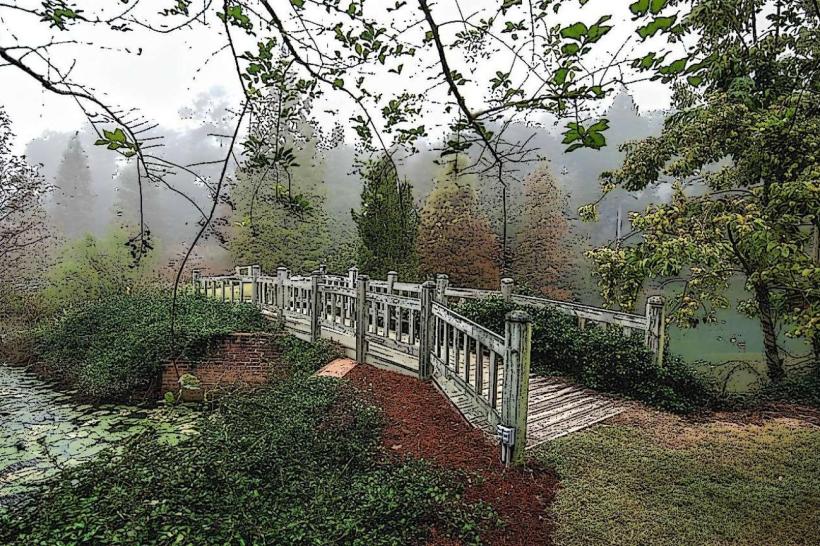
Hopelands Gardens: A 14-acre public estate garden featuring winding paths, ancient cedars, and summer concert series.
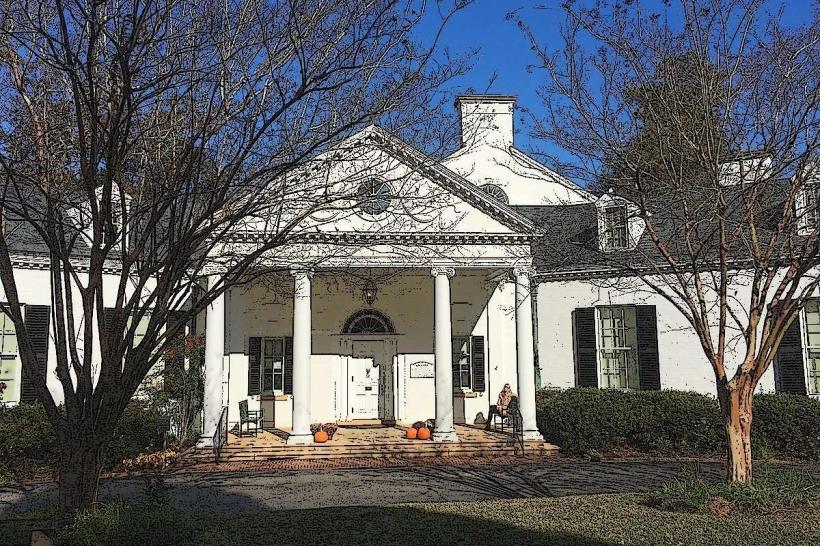
The Willcox: A world-renowned historic hotel (est. 1898) that served as the social center of the Winter Colony.
Transportation Network
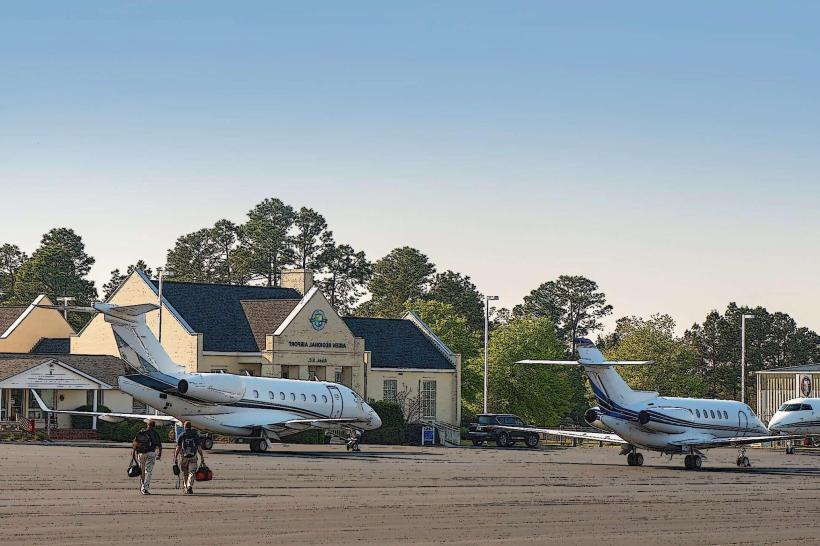
Movement is automotive-centric but highly specialized for horse transport. The city is a major junction for US-1 and US-78, with proximity to I-20. Public transit is provided by Best Friend Express. Commercial air service is accessed via Augusta Regional (AGS) (30 km west) or Columbia Metropolitan (CAE) (80 km east).
Safety & "Red Zones"
The general safety level is moderate to high. Property crime is concentrated in the southern retail corridors. Caution is advised at night in parts of North Aiken (above Richland Ave) due to higher rates of localized violent crime. Environmental hazards include extreme summer heat and high humidity.
Digital & Financial Infrastructure
Internet speeds average 400+ Mbps with fiber availability via Atlantic Broadband and AT&T. Main mobile carriers are Verizon and AT&T. Card acceptance is universal. ATMs are concentrated in the Downtown and South Aiken districts.
Climate & Air Quality
Temperatures range from 1°C to 14°C in winter and 22°C to 34°C in summer. The "Sandhills" geography results in well-drained soil and high humidity. Air quality is high.
Culture & Social Norms
The standard tipping percentage is 20%. A "Refined-Southern" greeting is standard. Dress codes are "Equestrian-Chic" (breeches, boots, and sun hats are common; formal attire is expected at major horse races). The city is culturally defined by its Horse Obsession, its "Cold War" history, and its preservation of Gilded Age traditions.
Local Cost Index
1 Espresso: $4.50 (USD)
1 Standard Lunch: $17.00 (USD)
1 Hall of Fame Admission: Free (Donations accepted).
Nearby Day Trips
Augusta, GA: (25 km west; home of the Masters Tournament).
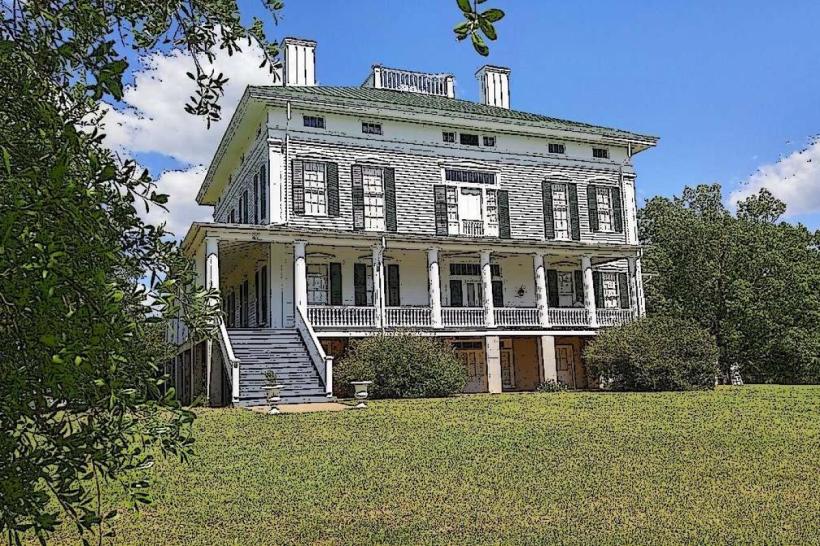
Redcliffe Plantation State Historic Site: (20 km southwest; a Greek Revival mansion overlooking the Savannah River valley).
Edgefield, SC: (40 km north; a historic town known for its alkaline-glazed pottery).
Facts & Legends
Aiken has more unpaved roads in its urban center than almost any other city of its size in the U.S., maintained specifically for horse travel. Historically, the city was the site of the first annuated steeplechase in the South. A local legend involves the "Ghost of the Willcox," a spectral woman in white rumored to appear in the hallways during the winter season. Another legend concerns the "Blue Man of the Savannah River Site," a radiation-myth figure from early Cold War urban folklore.