Information
City: Augusta MECountry: USA Maine
Continent: North America
Augusta ME, USA Maine, North America
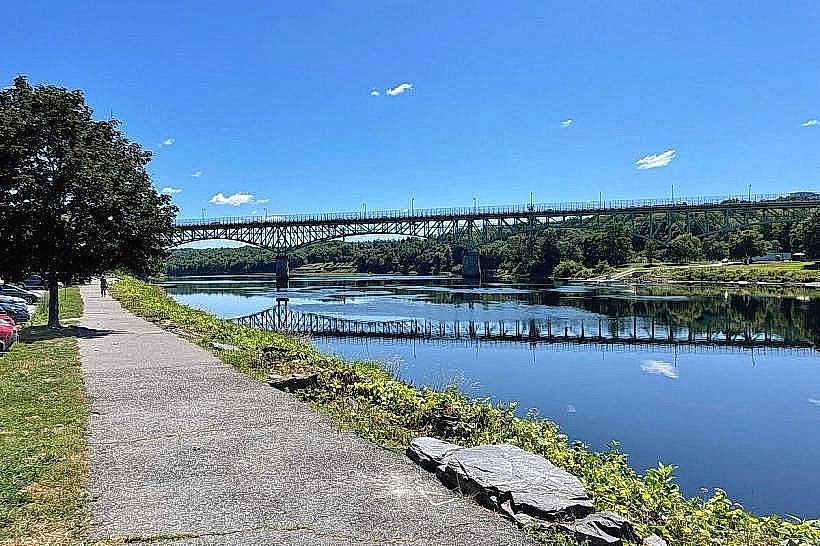
Augusta is the capital of the state of Maine and the seat of Kennebec County. Located on the Kennebec River at the head of tide, it serves as the administrative, judicial, and legislative center for the state.
Historical Timeline
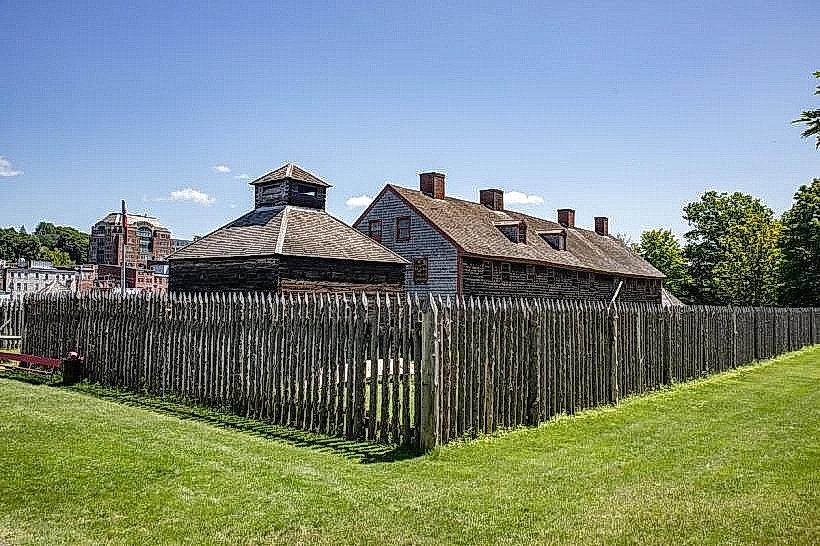
The area was originally a trading post for the Plymouth Colony known as Cushnoc in 1628. It served as a strategic point for fur trading with the Abanaki people. In 1754, Fort Western was constructed to protect the region during the French and Indian War. The settlement was incorporated as Hallowell in 1771, but the northern part broke away in 1797, eventually being renamed Augusta. It became the state capital in 1827, succeeding Portland.
Demographics & Population
The 2026 estimated population is 19,103. The primary ethnic demographics are White (91.2%), Two or More Races (3.8%), Hispanic or Latino (2.1%), and Asian (1.5%). The median age is 44.2 years. The city experiences a massive daily influx of state employees and lobbyists, nearly doubling the effective population during business hours.
Urban Layout & Key Districts
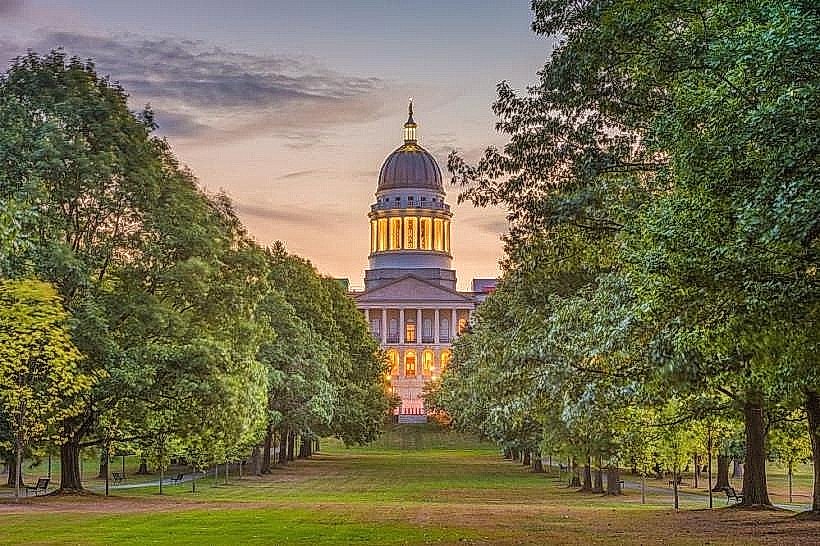
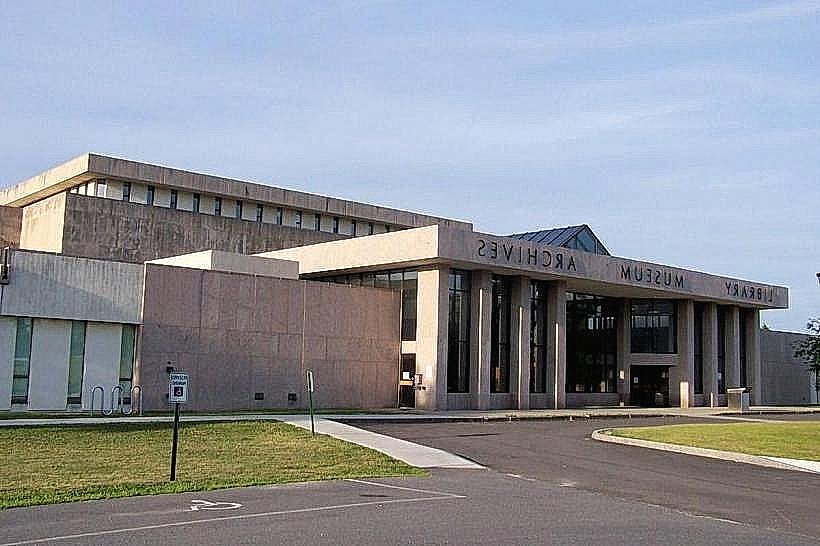
Capitol District: Located on the west bank of the river, housing the State House, State Museum, and executive offices.
Downtown (Water Street): A historic riverfront district featuring 19th-century architecture, specialized retail, and the city’s primary dining scene.
The Heights/Western Avenue: The city’s primary commercial corridor containing major retail centers, hotels, and the Maine State Armory.
East Side: A largely residential and industrial area across the Kennebec River, containing the former Kennebec Arsenal.
Top City Landmarks
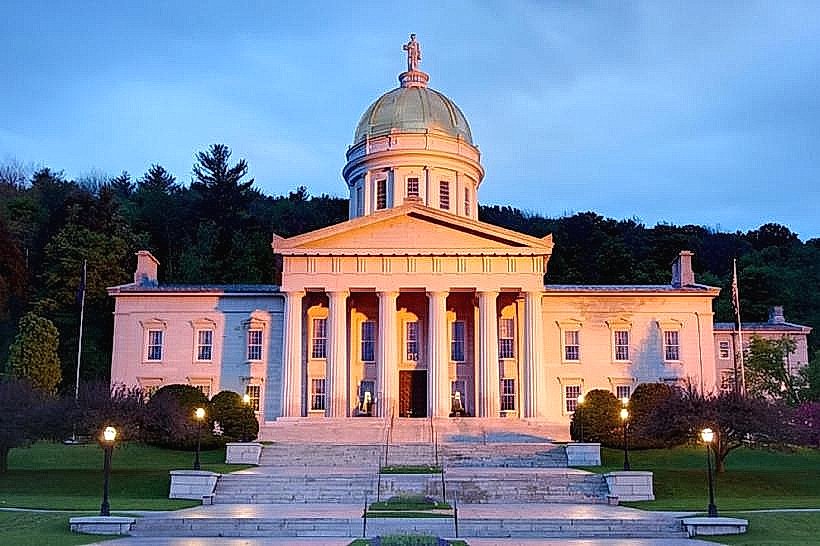
Maine State House: Completed in 1832 using local granite, featuring a $180 \text{-foot}$ dome and housing the state legislature.
Old Fort Western: The oldest surviving wooden fort in New England, preserved as a living history museum.
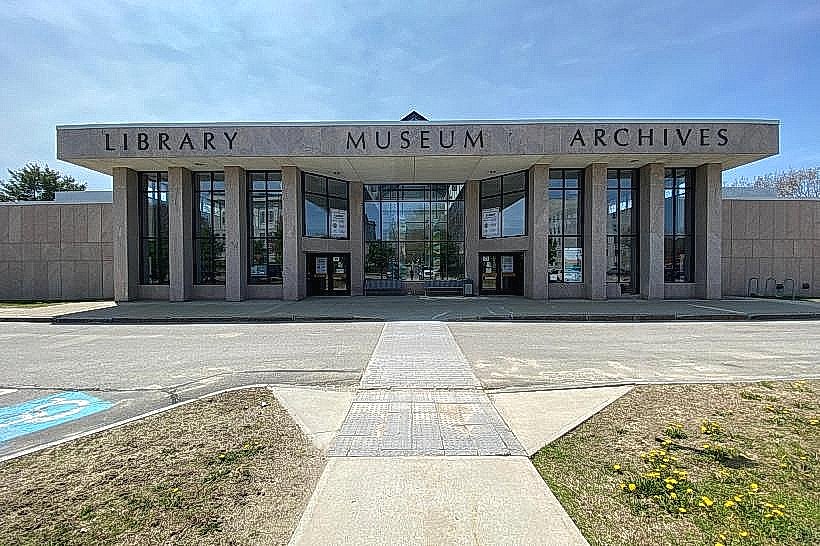
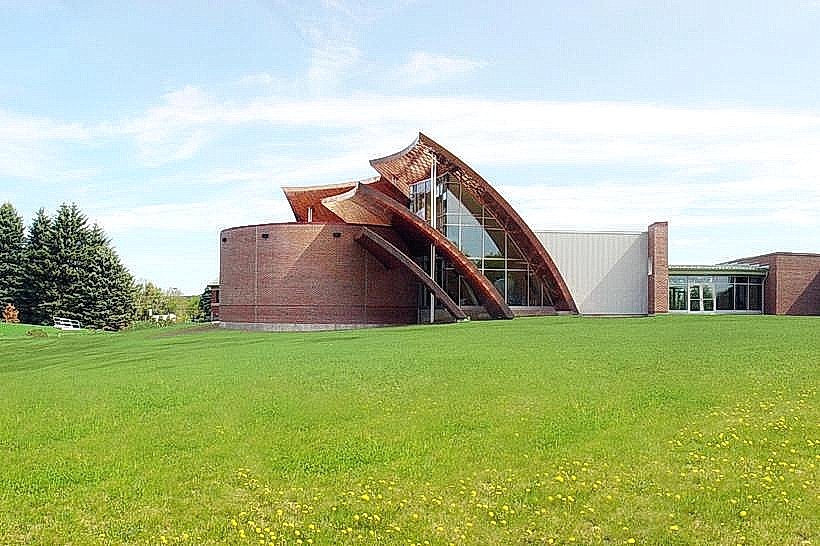
Maine State Museum: A comprehensive facility covering Maine's natural history, pre-history, and industrial heritage.
Blaine House: The official residence of the Governor of Maine, a National Historic Landmark.
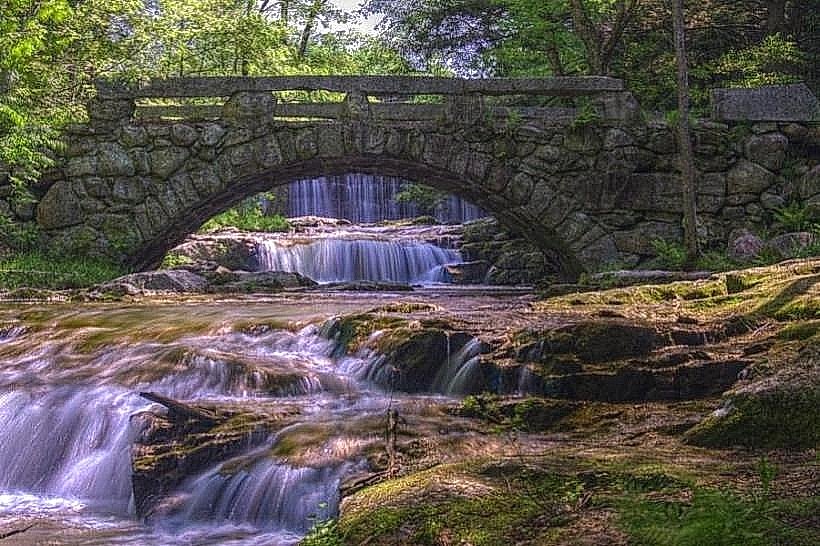
Viles Arboretum: A $224 \text{-acre}$ botanical garden and forest with $10 \text{ km}$ of trails.
Kennebec River Rail Trail: A $10.5 \text{-km}$ paved path following the river from Augusta south to Gardiner.
Transportation Network
Augusta is a central highway node served by I-95, US-201, and US-202. Internal transit is provided by the Kennebec Valley Community Action Program (KVCAP) bus system. Concord Coach Lines provides regional bus service to Portland and Boston. Augusta State Airport (AUG) offers commercial flights to Boston.
Safety & "Red Zones"
The safety level is high. Violent crime is rare. Property crime is primarily concentrated in the high-density retail areas along Western Avenue. There are no "red zones." Safety hazards are primarily related to winter driving conditions and occasional spring flooding of the Kennebec River.
Digital & Financial Infrastructure
The city has robust digital infrastructure. Average internet speeds reach 1 Gbps via Fidius (fiber) and Spectrum. As the state capital, it is a hub for insurance and government-related financial services. Card acceptance is 100%. Major institutions include Kennebec Savings Bank and Maine State Credit Union.
Climate & Air Quality
The climate is humid continental. Summers are warm and humid ($13^\circ\text{C}$ to $26^\circ\text{C}$); winters are cold and snowy ($ -12^\circ\text{C}$ to $0^\circ\text{C}$). Air quality is consistently "Excellent."
Culture & Social Norms
The culture is pragmatic and government-oriented. Tipping of 18–20% is standard. The city has a "working capital" atmosphere, quieter than the tourist-heavy coastal towns. Dress code is professional in the Capitol District and casual elsewhere. Alcohol is sold in grocery stores; spirits are sold in licensed agency stores.
Accommodation Zones
Western Avenue (I-95 Exit 109): Stay here for national hotel chains and retail convenience.
Downtown/State Street: Stay here for historic inns and walking access to the Capitol.
Local Cost Index
Espresso: $4.25
Standard Lunch: $15.50
Median Home Value: $285,000
Nearby Day Trips
Hallowell, ME: 3 km (5 mins) – A trendy riverfront town known for antiques and nightlife.
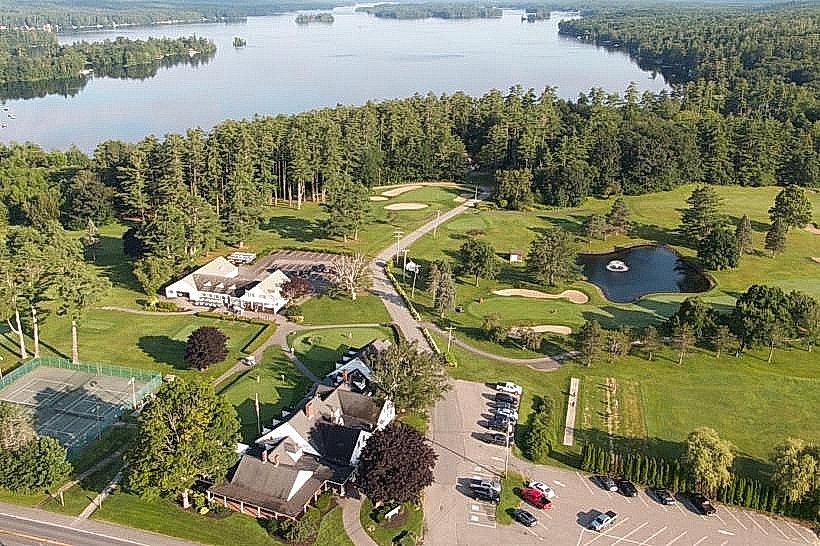
Belgrade Lakes: 20 km (20 mins) – A premier summer lake destination.
Portland, ME: 85 km (55 mins).
Monmouth (Theater at Monmouth): 25 km (25 mins).
Facts & Legends
Augusta is the easternmost state capital in the United States. A local legend involves the "Ghost of the Kennebec Arsenal," where strange lights and sounds are reported in the abandoned 19th-century military hospital. Historically, the city is unique for the "Bloodless Aroostook War" (1839), a boundary dispute with Canada that saw Maine troops muster at Fort Western.