Information
Landmark: Capitol ParkCity: Augusta ME
Country: USA Maine
Continent: North America
Capitol Park, Augusta ME, USA Maine, North America
Capitol Park is a public green space located in Augusta, Maine, USA.
It serves as a central gathering point and recreational area within the city.
Visual Characteristics
The park features a large central lawn area bordered by mature deciduous trees, primarily oak and maple. Paved walking paths, approximately 1.5 meters wide, traverse the park. A prominent feature is the Maine State House, constructed of granite, which forms the park's northern boundary. Several memorial plaques and benches are distributed throughout the grounds. The Kennebec River is visible to the east of the park.
Location & Access Logistics
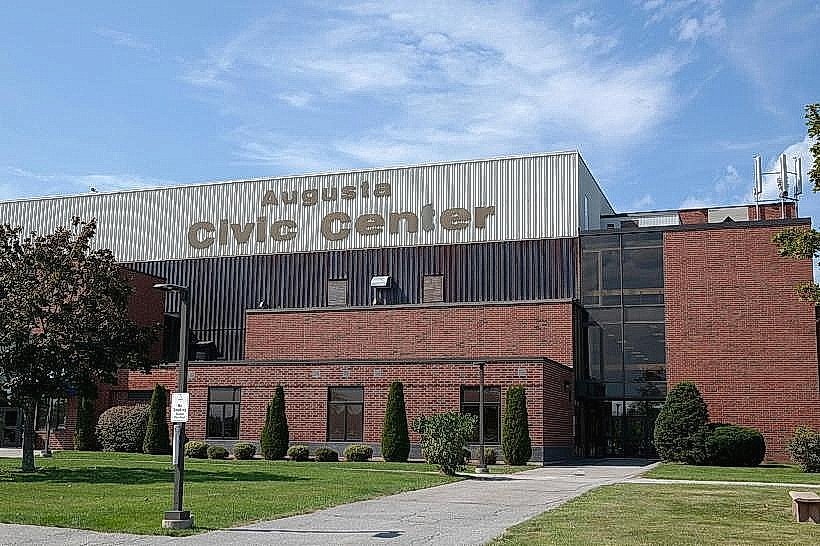
Capitol Park is situated in downtown Augusta, Maine, directly east of the Maine State House. It is accessible via State Street (US Route 202) and Capitol Street. The park is approximately 0.5 kilometers from the Augusta Civic Center. Public parking is available in designated lots adjacent to the State House and along Capitol Street. Bus routes 1 and 2, operated by Augusta Transit, stop within a 0.2 kilometer radius of the park's main entrances.
Historical & Ecological Origin
The land for Capitol Park was acquired by the state in the early 19th century to accommodate the construction of the Maine State House, completed in 1832. The park itself was developed over subsequent decades as a formal garden and public space surrounding the capitol building. The area is situated on glacial till deposits, with the Kennebec River forming a significant ecological corridor.
Key Highlights & Activities
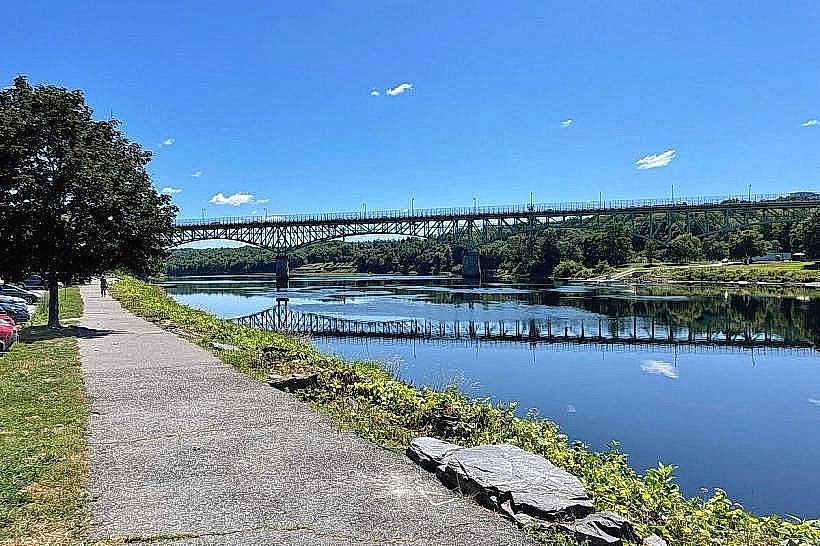
Activities include walking the paved paths, picnicking on the lawn, and observing the State House architecture. Seasonal events, such as farmers' markets and outdoor concerts, are held in the park. Visitors can access the Kennebec River Trail from the eastern edge of the park.
Infrastructure & Amenities
Restrooms are available within the Maine State House during operating hours. Several shaded areas are provided by mature trees. Cell phone signal (4G/5G) is generally strong throughout the park. No on-site food vendors are present, but numerous restaurants and cafes are located within a 0.5 kilometer radius in the downtown area.
Best Time to Visit
For photography of the State House, early morning (7:00 AM - 9:00 AM) offers favorable lighting conditions. The months of May through October provide the most pleasant weather for outdoor activities. The park is accessible year-round.
Facts & Legends
A verified historical oddity is the presence of a time capsule buried near the base of the Maine State House flagpole, intended to be opened in 2076.
Nearby Landmarks
- Maine State House (0.1km North)
- Kennebec River (0.3km East)
- Augusta City Hall (0.4km Southwest)
- Children's Discovery Museum (0.6km West)
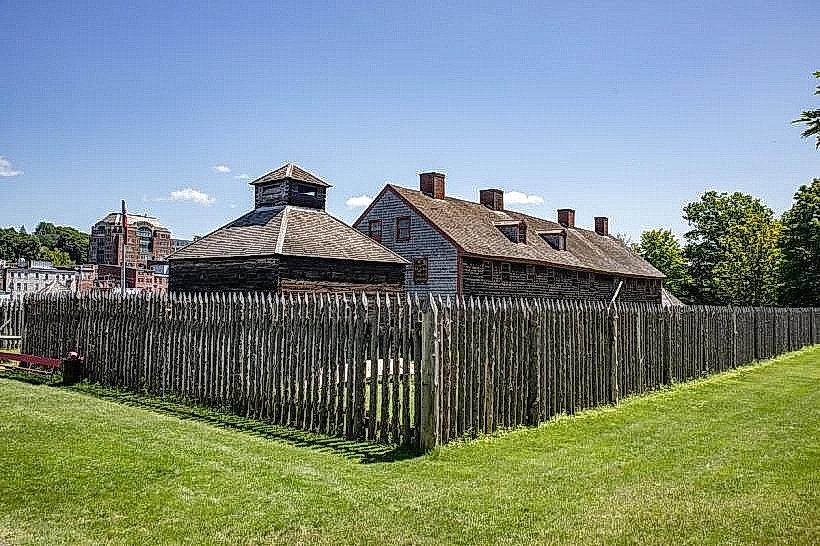
- Fort Western (1.2km South)