Information
Landmark: Holocaust Human Rights Center of MaineCity: Augusta ME
Country: USA Maine
Continent: North America
Holocaust Human Rights Center of Maine, Augusta ME, USA Maine, North America
The Holocaust Human Rights Center of Maine is located in Augusta, Maine, USA. It serves as an educational institution dedicated to the study and remembrance of the Holocaust and the promotion of human rights.
Visual Characteristics
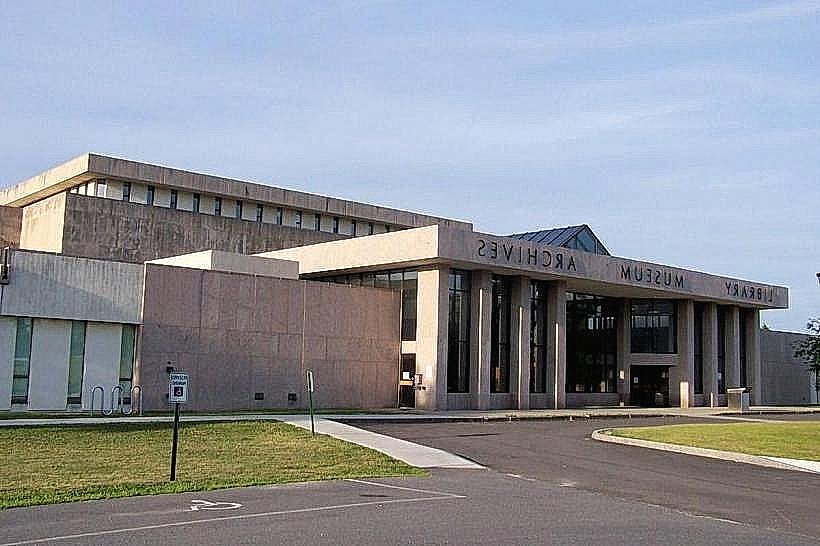
The center is housed within a brick building. The exterior features a simple, functional design with rectangular windows. The interior is organized into exhibition spaces, classrooms, and administrative offices. Walls are painted in neutral tones to facilitate the display of exhibits.
Location & Access Logistics
The center is situated at 425 Fore Street, Augusta, ME 04330. It is approximately 1.5 km (0.9 miles) west of the Augusta city center. On-site parking is available for visitors. Public transport options include the Augusta Transit bus service, with the closest stop located within a 5-minute walk on Fore Street.
Historical & Ecological Origin
The building that houses the center was originally constructed in the mid-20th century. It has since been repurposed to accommodate the educational mission of the Holocaust Human Rights Center. The center itself was established to provide resources and programming related to Holocaust education and human rights advocacy in Maine.
Key Highlights & Activities
Visitors can engage with permanent and temporary exhibits detailing the history of the Holocaust and its impact. Educational programs and workshops are offered for various age groups. The center also hosts lectures and film screenings related to human rights issues. Research facilities are available for academic study.
Infrastructure & Amenities
Restrooms are available on-site. Limited seating is provided within exhibition areas. Cell phone signal (4G/5G) is generally reliable within the building. No on-site food vendors are present, but dining options are available in the nearby downtown Augusta area.
Best Time to Visit
The center is open Tuesday through Friday, 10:00 AM to 4:00 PM, and Saturdays, 11:00 AM to 3:00 PM. Weekday mornings are typically less crowded. For photography, interior lighting is consistent. No specific tide or weather conditions affect access.
Facts & Legends
A unique aspect of the center is its collection of survivor testimonies from Maine residents, offering a local perspective on global events. The center actively works with schools across the state to integrate human rights education into curricula.
Nearby Landmarks
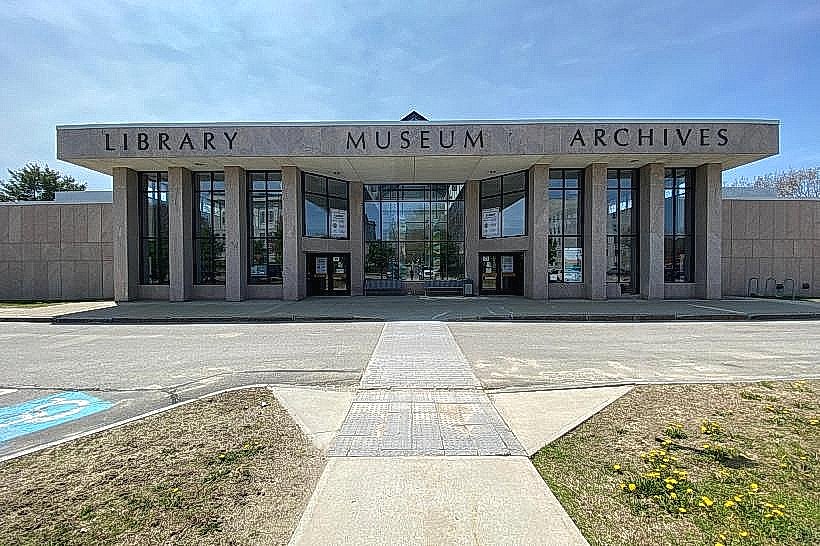
- Maine State Museum (0.8km East)
- Maine State Capitol Building (1.1km East)
- Kennebec River Rail Trail (0.3km South)
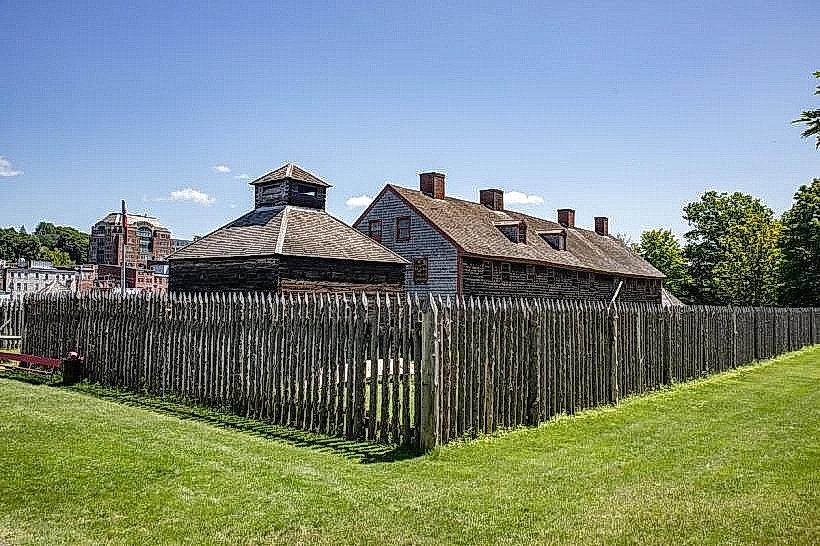
- Fort Western (1.3km East)