Information
City: BismarckCountry: USA North Dakota
Continent: North America
Bismarck, USA North Dakota, North America
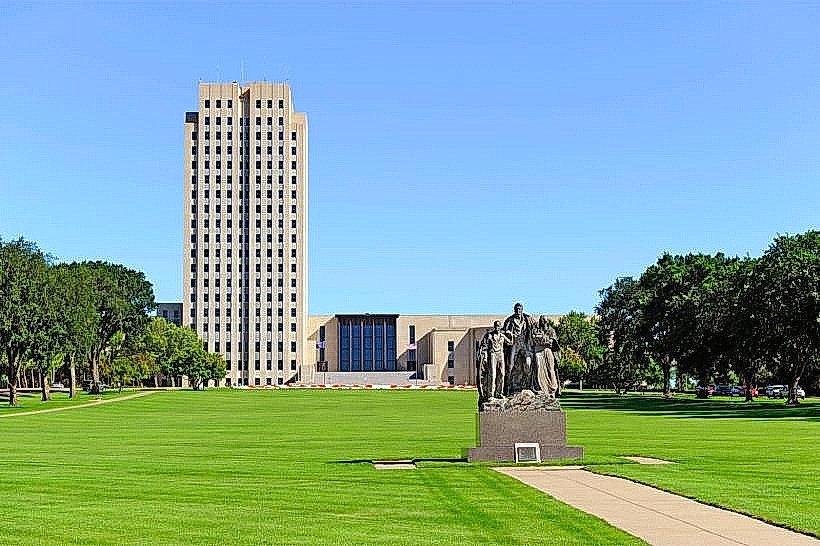
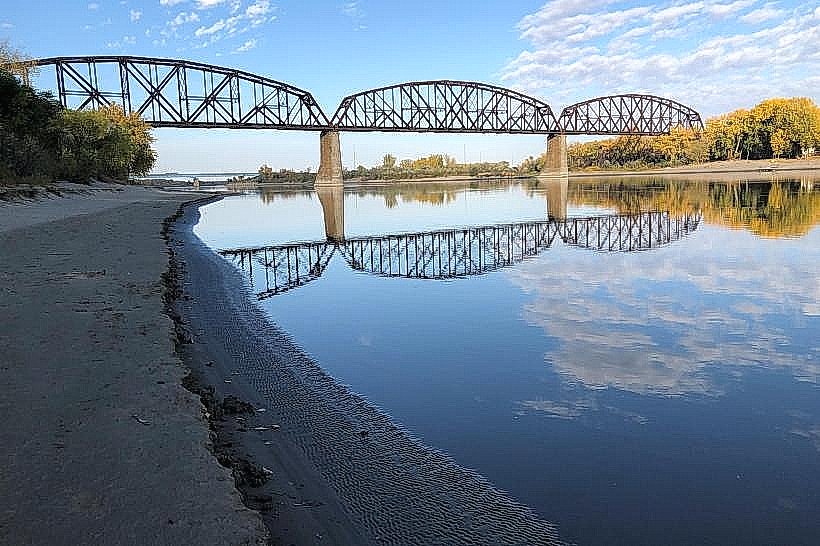
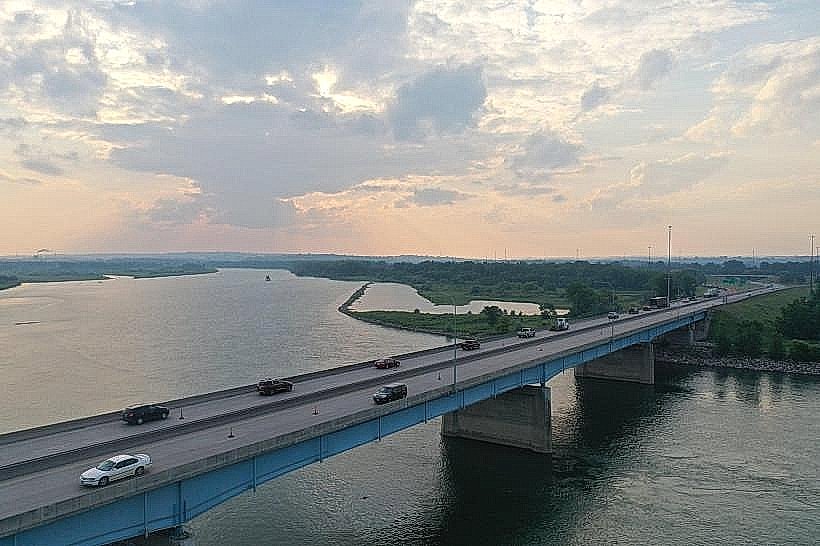
Bismarck is the capital city of North Dakota and the seat of Burleigh County, situated on the eastern bank of the Missouri River. Known as a major hub for government, healthcare, and energy, it is defined by its Art Deco capitol building-the tallest in the state-and its deep historical ties to the Lewis and Clark Expedition and the Northern Pacific Railway.
Historical Timeline
Inhabited for thousands of years by the Mandan and Arikara tribes. Founded in 1872 as "Edwinton" at a strategic Missouri River crossing for the railroad. Renamed Bismarck in 1873 in honor of German Chancellor Otto von Bismarck to attract German investment and settlers. In 1883, it became the capital of the Dakota Territory, retaining the title for the state of North Dakota upon its admission to the Union in 1889. The 20th century was marked by the construction of the Garrison Dam (1947), which regulated the Missouri River, and the 1934 completion of the current "Skyscraper on the Prairie" State Capitol after the original burned down. In the 21st century, it serves as a corporate headquarters for the region’s energy and coal gasification industries.
Demographics & Population
The 2026 population is approximately 77,800 (with a metropolitan area exceeding 133,000). The demographics are White (84.8%), Native American (5%), Two or more races (5.4%), and Black or African American (2.5%). The economy is anchored by Government (over 4,600 employees), Healthcare (Sanford and CHI St. Alexius), and the Energy sector.
Urban Layout & Key Districts
Bismarck is organized around the Capitol complex and a historic downtown grid.
Capitol Complex: Located north of downtown; home to the 19-story State Capitol and major museums.
Downtown Bismarck: The historic core featuring Kirkwood Mall, the Bismarck Event Center, and a growing "Art Alley" with local murals and dining.
The Cathedral District: A historic residential neighborhood west of downtown featuring early 20th-century homes and the Art Deco Cathedral of the Holy Spirit.
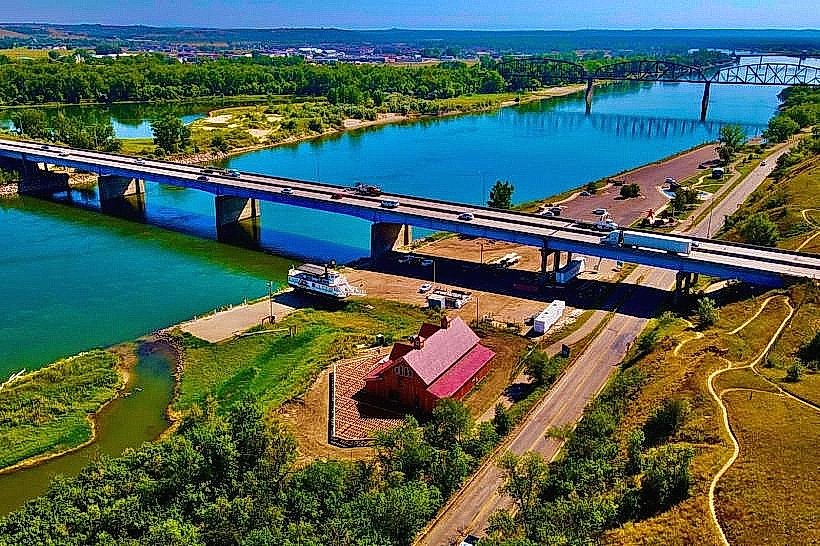
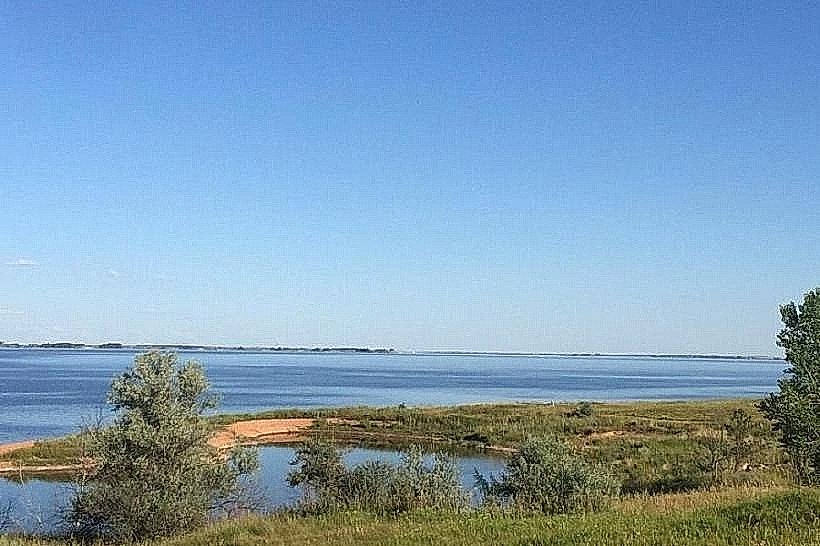
Riverfront: A recreational belt along the Missouri River featuring parks, trails, and the Port of Bismarck.
Top City Landmarks
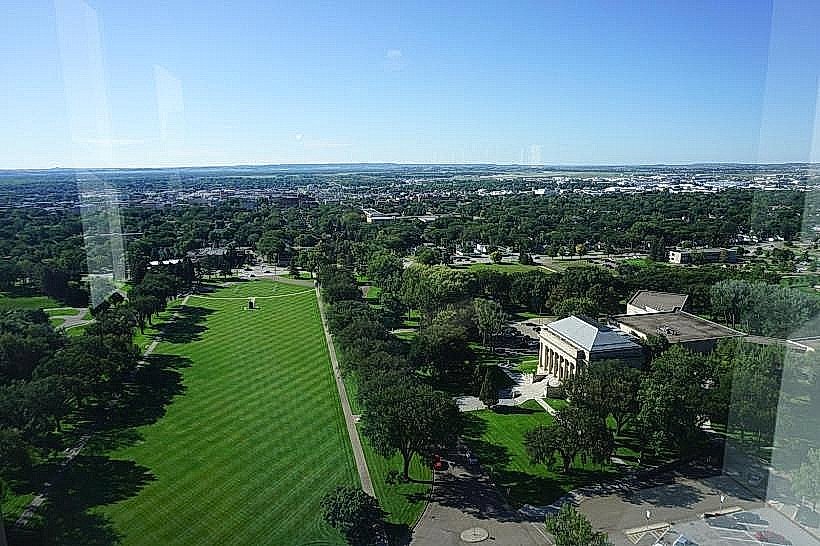
North Dakota State Capitol: A 19-story Art Deco tower; the 18th-floor observation deck offers 360-degree views of the Missouri River Valley.
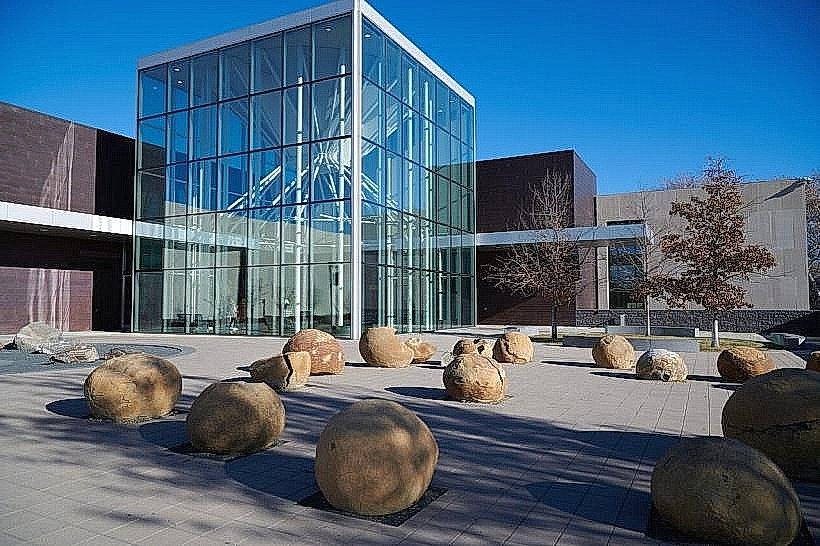
North Dakota Heritage Center & State Museum: The state’s largest museum, featuring massive paleontological displays (including a mummified dinosaur) and tribal history.
Dakota Zoo: Spanning 90 acres along the river, housing over 600 animals including grizzly bears, moose, and mountain Lions.
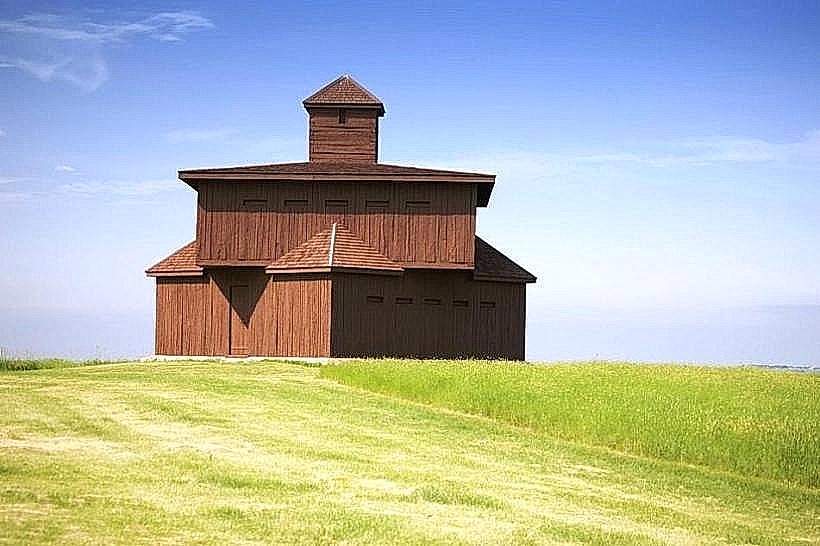
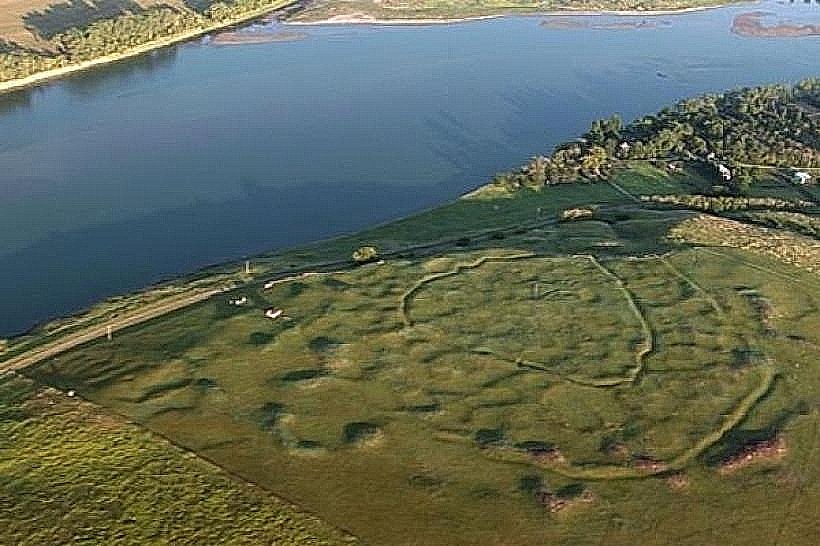
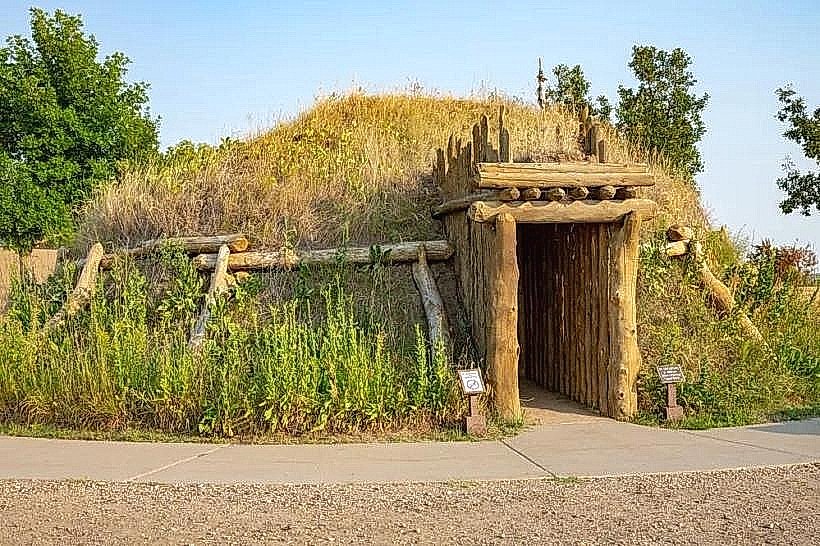
Fort Abraham Lincoln State Park: (Located across the river in Mandan); features the reconstructed Custer House and the On-A-Slant Indian Village.
Lewis and Clark Riverboat: A 150-passenger paddlewheeler offering sunset and dinner cruises on the Missouri River.
Former Governor’s Mansion: A restored Victorian-era home that served as the residence for 20 North Dakota governors between 1893 and 1960.
Transportation Network
Bismarck is a major regional crossroads for I-94 and US-83. Public transit is provided by Bis-Man Transit (fixed-route and paratransit). Bismarck Municipal Airport (BIS) provides commercial flights to major hubs like Minneapolis, Denver, and Dallas. The city features an extensive Riverfront Trail system for cycling and walking.
Safety & "Red Zones"
The general safety level is high. Violent crime rates are below the national average, though property crime and larceny have seen slight increases in the South Bismarck/Kirkwood Mall areas. There are no definitive "red zones." Environmental hazards include extreme winter blizzards, dangerous wind chills, and occasional spring flooding of the Missouri River.
Digital & Financial Infrastructure
Internet speeds average 500–1,000 Mbps with fiber and high-speed cable via Midco and CenturyLink. Main mobile carriers are Verizon and AT&T. Card acceptance is universal. North Dakota has a low state income tax (top rate approx. 2.5%). Sales tax is 5% (state) plus 1.5% (city).
Climate & Air Quality
Temperatures range from -16°C to -4°C in winter and 15°C to 30°C in summer. The city is known for its semi-arid climate with high sunshine hours but intense winter cold. Air quality is consistently among the best in the United States.
Culture & Social Norms
The standard tipping percentage is 20%. A "Polite-Reserved" greeting is standard. Dress codes are "Business-Casual" (driven by state government) or "Outdoor-Rugged." The city is culturally defined by the United Tribes International Powwow (one of the largest in the U.S.), its German-Russian heritage, and a strong Outdoor/Hunting lifestyle.
Local Cost Index
1 Espresso: $4.50 (USD)
1 Standard Lunch: $15.00 (USD)
1 State Museum Admission: Free (Donations encouraged).
Nearby Day Trips
Theodore Roosevelt National Park: (215 km west; the state's premier natural landmark).
Washburn, ND: (65 km north; featuring the Lewis & Clark Interpretive Center).
Knife River Indian Villages: (90 km northwest; historic earth lodge sites).
Facts & Legends
Bismarck is the only U.S. state capital named after a foreign statesman. Historically, it was the site where the steamer Far West arrived in 1876 carrying the survivors and news of Custer’s defeat at the Little Bighorn. A local legend involves the "Underground Tunnels" beneath downtown, rumored to have been used for bootlegging and secret transit between the Patterson Hotel and the railroad. Another legend concerns the "Blue Lady" ghost at the Former Governor's Mansion, said to be a former maid still tending to the guest rooms.