Information
Landmark: State Capitol GroundsCity: Bismarck
Country: USA North Dakota
Continent: North America
State Capitol Grounds, Bismarck, USA North Dakota, North America
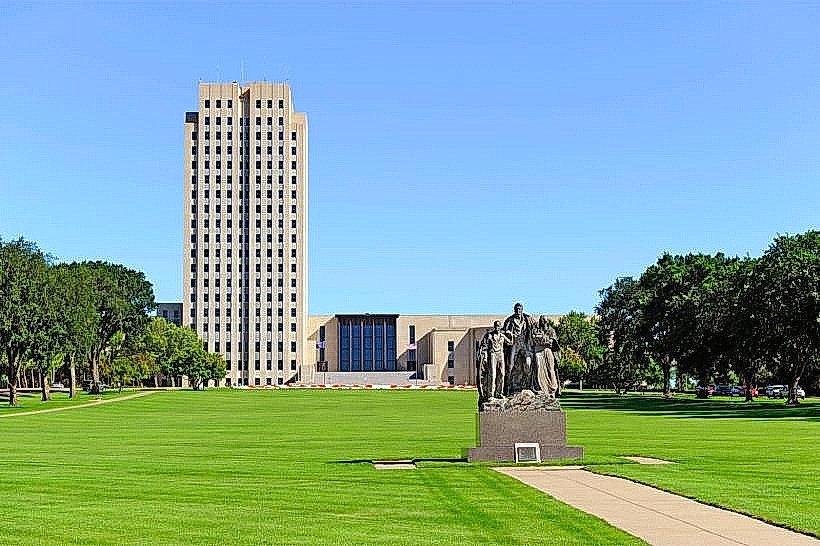
The State Capitol Grounds in Bismarck form one of North Dakota’s most elegant and symbolic public spaces - a sweeping, tree-lined campus that surrounds the soaring North Dakota State Capitol Tower. Spanning roughly 132 acres, the grounds blend manicured lawns, memorial monuments, walking paths, and civic buildings, creating a park-like setting that mirrors the openness of the Great Plains while celebrating the state’s history and people.
Layout and Atmosphere
The grounds stretch north of downtown Bismarck, where the 21-story Capitol rises as the focal point. From every direction, the lawns seem to frame the tower, emphasizing its clean Art Deco lines. The broad mall-style layout evokes a sense of space and calm - a characteristic of the Midwest - with long avenues lined by elm and oak trees, seasonal flowerbeds, and wide pedestrian walkways.
In summer, the air carries the scent of freshly cut grass and blooming lilacs; in autumn, the trees turn golden against the limestone tower. The rhythm of people walking to legislative sessions mixes with locals jogging or taking lunch breaks on shaded benches.
Monuments and Memorials
Scattered across the Capitol campus are memorials that honor North Dakota’s pioneers, veterans, and public servants, each with its own story:
Pioneer Family Monument (1946): Depicts a homesteading family, representing courage and endurance on the prairie frontier.
Veterans Memorial: Honors North Dakotans who served in conflicts from World War I to modern times, surrounded by flags and granite panels engraved with names.
Law Enforcement Memorial: A solemn stone circle dedicated to fallen officers, often visited during annual remembrance ceremonies.
Sakakawea Statue: Standing proudly on the Capitol Mall, the bronze sculpture of the famed Lemhi Shoshone guide symbolizes discovery, resilience, and the state’s Native heritage.
Floral Clock: A seasonal highlight - thousands of colorful flowers form a functioning timepiece, changing patterns with each season and drawing visitors for photographs.
Each monument contributes to a narrative of courage, service, and progress, making the grounds as much a living museum as a civic space.
Surrounding Buildings
The Capitol Grounds also house several significant government and cultural structures:
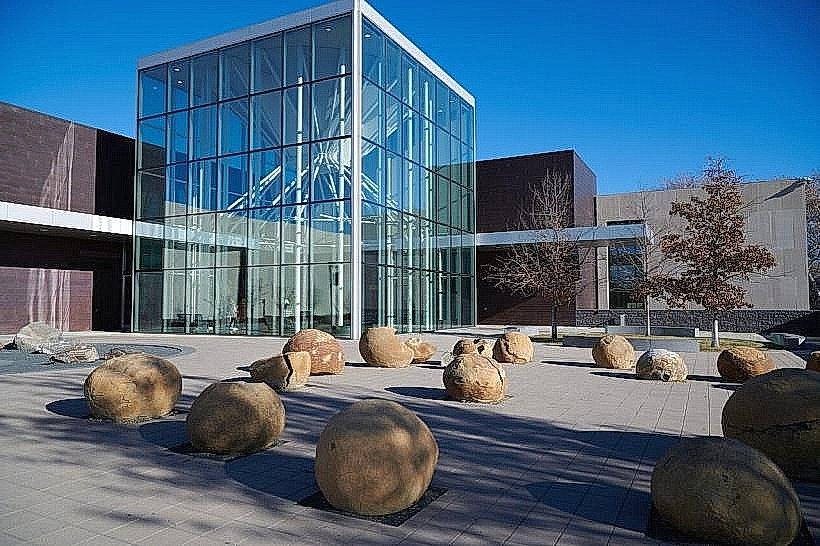
Heritage Center & State Museum: At the north end of the campus, this modern glass-fronted building holds exhibits on North Dakota’s geology, Native cultures, and pioneer history.
Governor’s Residence: A contemporary structure built in 2018, located among groves of mature trees, balancing privacy with accessibility.
Judicial Wing and Legislative Wing: Extensions of the Capitol complex that accommodate the Supreme Court, state offices, and legislative chambers.
These buildings form an architectural ensemble where historic symbolism meets modern functionality.
Visitor Experience
Exploring the Capitol Grounds offers a peaceful and engaging experience:
Walking Tours: Marked paths and signage guide visitors through key monuments and buildings.
Observation Points: Benches and open lawns provide ideal spots for panoramic views of the Capitol tower and skyline.
Photography and Events: The grounds host outdoor ceremonies, art fairs, and seasonal events - from Fourth of July celebrations to the Christmas tree lighting on the Capitol Mall.
Accessibility: The entire area is pedestrian-friendly, with wide paved walkways and easy access from the Capitol’s main entrance and parking areas.
Morning and evening are especially beautiful here, when sunlight filters through the trees and the limestone tower glows with warm tones.
Overall Impression
The State Capitol Grounds are more than government property - they are a civic park, a memorial landscape, and a reflection of North Dakota’s spirit. The broad lawns and dignified monuments evoke a sense of openness and quiet pride, just like the prairie that surrounds Bismarck. Visitors often describe the experience as peaceful yet powerful - a place where history, architecture, and the natural beauty of the plains meet in perfect harmony.