Information
City: CartagoCountry: Costa Rica
Continent: North America
Cartago, Costa Rica, North America
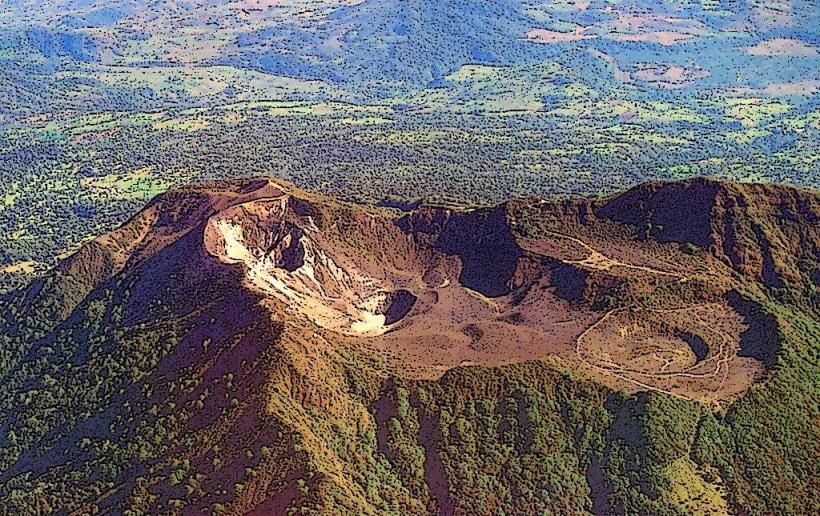
Cartago serves as the religious capital and a major center for industrial and agricultural production in Costa Rica. Located in the Guarco Valley at the base of the Irazú Volcano, it sits at an elevation of 1,435 meters, approximately 25 kilometers east of San José.
Historical Timeline
Cartago was founded in 1563 by Juan Vázquez de Coronado and served as the first capital of Costa Rica until 1823. The city underwent significant destruction during the 1841 and 1910 earthquakes, the latter of which led to the abandonment of the construction of the Parish of Saint James the Apostle. The primary event shaping the current urban form was the 1910 Santa Mónica earthquake, which resulted in a transition from traditional colonial adobe architecture to more resilient reinforced concrete and timber-frame structures.
Demographics & Population
The city has a population of approximately 160,000 within the urban districts, while the metropolitan area exceeds 500,000. The demographic is predominantly White/Mestizo (92%). The median age is 33.1 years.
Urban Layout & Key Districts
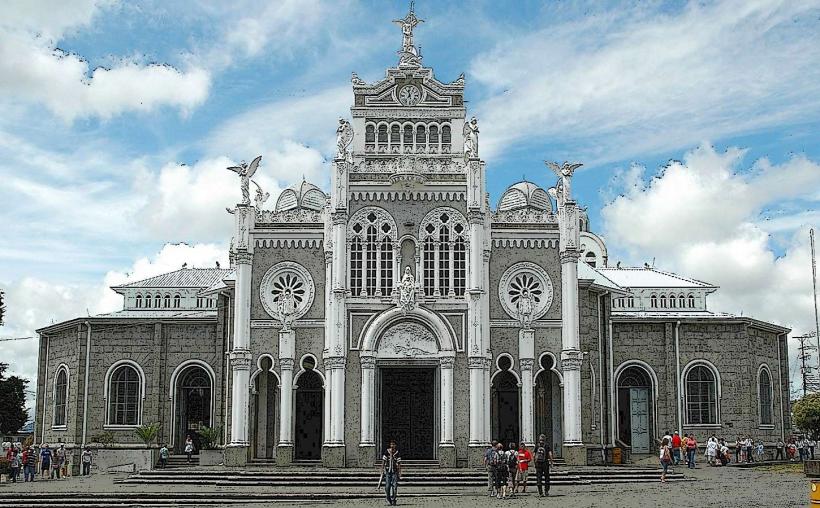
The city is organized on a strict grid pattern centered around the Plaza Mayor and the Basilica. El Centro is the commercial core. Barrio Los Ángeles (East) is the religious district housing the Basilica. El Guarco (South) serves as the primary industrial zone and free-trade park. Tierra Blanca (North) is the high-altitude agricultural district on the slopes of the volcano.
Top City Landmarks
Basilica of Our Lady of the Angels (Basílica de Nuestra Señora de los Ángeles)
Ruins of the Parish of Saint James the Apostle (Las Ruinas)
Cartago Municipal Museum (Former military barracks)
Plaza Mayor
Our Lady of Mount Carmel Church
Transportation Network
Internal movement is facilitated by local buses and the Incofer commuter train connecting to San José. There is no metro. Uber and DiDi are the active ride-sharing apps. Official taxis are red. Traffic density is high at the "La Lima" intersection and the entrance to the Florencio del Castillo Highway. Cartago is a major cycling hub, featuring one of the most developed bike lane networks in the country.
Safety & "Red Zones"
Cartago is generally safer than San José, though petty theft occurs in crowded market areas. Avoid Los Cuadros and parts of Aguacaliente at night. Common scams involve unauthorized individuals offering "guided tours" of Las Ruinas or demanding "guarding fees" for parked cars on public streets.
Digital & Financial Infrastructure
Internet speeds average 100–300 Mbps via fiber optics. Main carriers are Kölbi, Liberty, and Claro. Card acceptance is universal in the city center; contactless payment is standard. ATMs are abundant around the Plaza Mayor and Paseo Metrópoli mall.
Climate & Air Quality
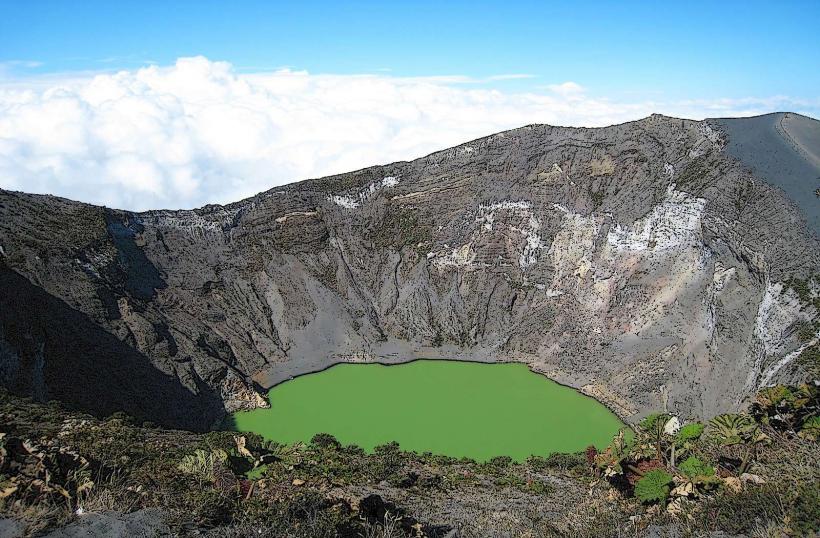
Temperatures range from 13°C to 24°C. Cartago is significantly cooler and windier than San José. Air quality is generally high, though volcanic ash from Irazú can occasionally impact the city during periods of increased activity.
Culture & Social Norms
A 10% service charge is included in restaurant bills. The city is the center of Costa Rican Catholicism; conservative dress is required when entering the Basilica. Handshakes are standard for men; a single cheek kiss is the norm for women. Smoking is prohibited in all public parks.
Accommodation Zones
City Center: Stay here for walking access to historic ruins and the Basilica.
Paraíso: Located 10 minutes east, offering a more rural environment with access to the Orosi Valley.
Local Cost Index
1 Espresso: 1,300 CRC ($2.55 USD)
1 Standard Lunch (Casado): 4,000 CRC ($7.85 USD)
1 Bus Ticket (Local): 350 CRC ($0.70 USD)
Nearby Day Trips
Irazú Volcano National Park: 30 km (1 hour), the highest active volcano in Costa Rica.
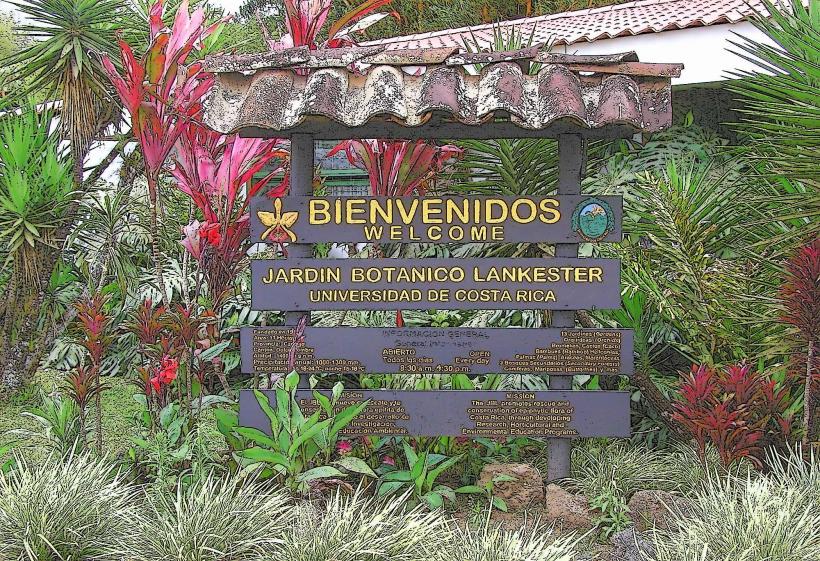
Lankester Botanical Garden: 6 km (15 minutes), specializing in orchids.
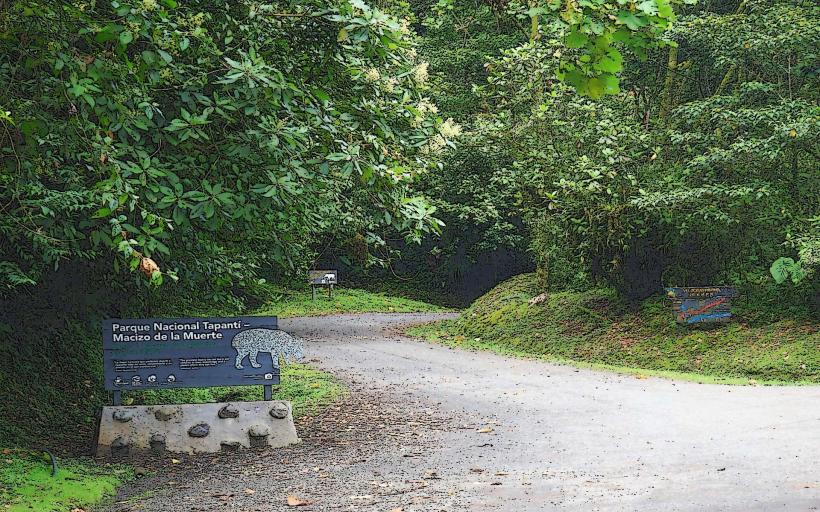
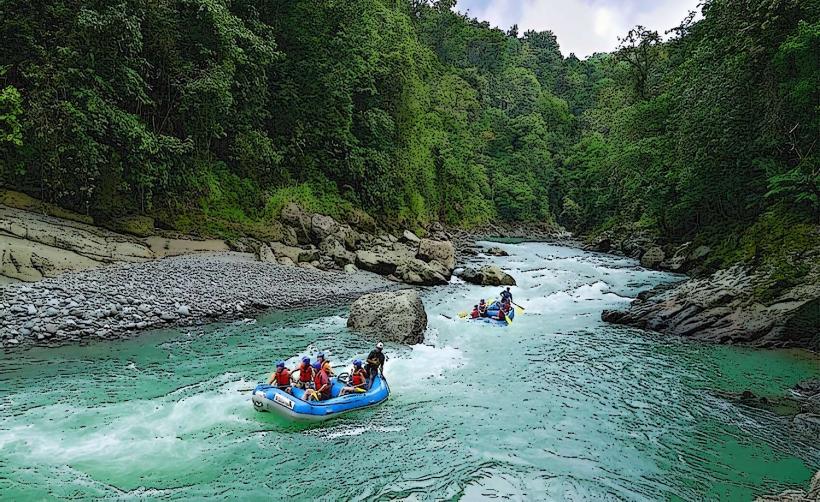
Orosi Valley / Tapantí National Park: 15–30 km (30–60 minutes), known for colonial history and rainforests.
Facts & Legends
Cartago is the site of the annual "Romería," where millions of pilgrims walk from across the country to the Basilica on August 2nd. A local legend involves "El Monte de la Cruz," where a spectral priest without a head is said to wander the ruins of the parish as punishment for a forbidden love affair that supposedly triggered the 1910 earthquake. Historically, the city was the site of the first court in history to have international jurisdiction over human rights, the Central American Court of Justice.