Information
Landmark: Reventazón RiverCity: Cartago
Country: Costa Rica
Continent: North America
Reventazón River, Cartago, Costa Rica, North America
Overview
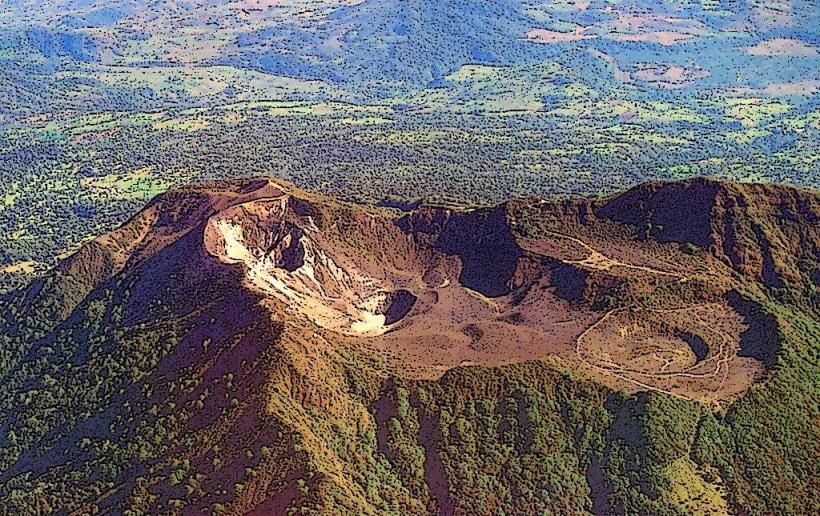
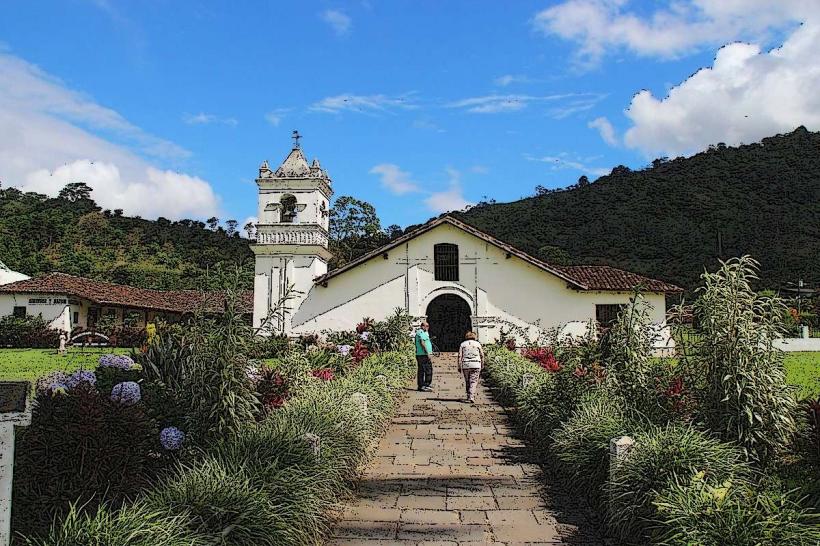
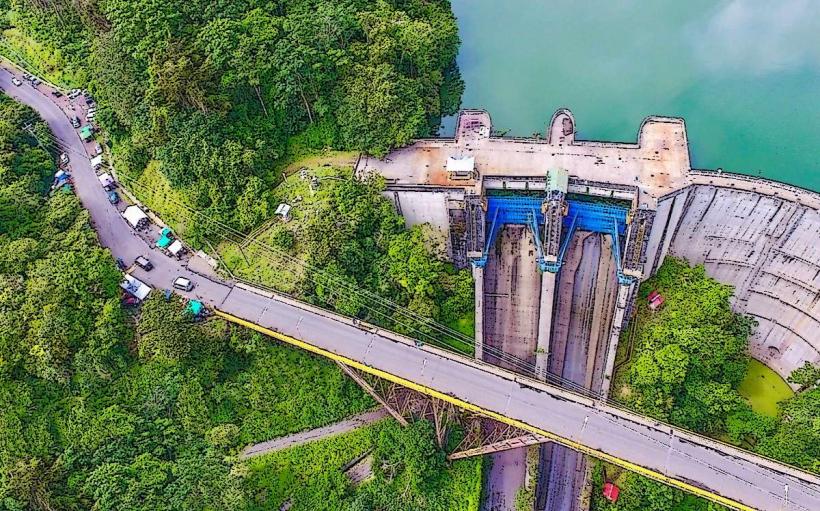
The Reventazón River ranks among Costa Rica’s most significant waterways, shaping its landscape and driving its economy, from mountain valleys to bustling hydroelectric plants, and it winds through the heart of the country, feeding turbines that hum with the steady power keeping the nation’s lights on.The river winds through stunning landscapes, teeming with wildlife, and helps power the nation’s push for renewable energy, likewise the Reventazón River, or Río Reventazón, stretches about 145 kilometers (90 miles) from its source high in Costa Rica’s Talamanca Mountains, near Chirripó National Park, where the air is thin and cool at over 3,800 meters (12,467 feet).It winds through Cartago Province before emptying into the Caribbean Sea, and its basin drains much of the Talamanca region along the country’s Caribbean slope, likewise from there, it runs through Cartago and Limon, twisting past misty cloud forests, dense green rainforests, and finally spilling into the warm blue of the Caribbean Sea.The river winds past several tributaries, carrying fresh water that sustains the towns, farms, and wildlife along its banks, consequently its waters also spill into the Cachí Reservoir, working with the Cachí Dam to generate hydroelectric power, perhaps As you can see, Why it matters and how it’s used: a quick example, like keeping a sturdy lock on your front door, then one of the Reventazón River’s most fundamental features is how it powers massive hydroelectric turbines, turning rushing water into electricity.The Reventazón River feeds the massive hydroelectric plant in Turrialba, one of Central America’s largest, where rushing water drives turbines that power much of Costa Rica’s renewable energy, in conjunction with this plant plays a key role in the country’s push for carbon neutrality, supplying clean, renewable energy, sort of The river also powers the Cachí Hydroelectric Plant and the El Diquís Project, another major hydro development, in turn along its course, it winds from misty cloud forests high in the mountains down through rainforests and lush tropical wetlands before reaching the Caribbean.Because the scenery shifts so much along its path, the Reventazón River is vital to the region’s biodiversity, at the same time from silver-scaled fish darting in the shallows to luminous birds calling from the treetops, it sustains countless fish, amphibians, birds, and mammals.Believe it or not, The forests around here teem with life-ocelots slipping through the shadows, chattering monkeys in the canopy, flashes of vivid feathers overhead, and frogs calling after the rain, what’s more the river’s water also feeds the fertile valleys nearby, especially in Cartago, where it sustains thriving fields, slightly often As it happens, Farmers in the region grow coffee, sugar, bananas, and citrus, all thriving on the steady flow of water from the Reventazón, then its broad watershed keeps the fields of the Orosi Valley and Turrialba green and productive-two of the nation’s most vital farming areas.The river also draws visitors, offering everything from quiet birdwatching along its banks to the rush of whitewater rafting, then white-water rafting, kayaking, and fishing draw crowds to different stretches of the river-especially near Turrialba, where foaming rapids test even seasoned paddlers.The water winds through lush forests, past cool misty waterfalls, and into habitats alive with birds and monkeys, offering endless scenes for nature lovers and photographers, along with hydroelectric plants like Cachí and Reventazón help keep that flow in check, cutting the risk of floods in nearby communities.The reservoirs help manage the river’s seasonal swings, keeping water flowing for power and crops-enough to turn turbines and keep fields green, subsequently major landmarks and areas along the river: 1.The Cachí Dam holds back one of the main reservoirs on the Reventazón River, its still blue surface stretching toward the hills, likewise the Cachí Reservoir shimmers beneath a ring of dense green forest, a venue where you can fish, watch herons glide over the water, or simply breathe in the cool air.Not far away, the Reventazón Hydroelectric Plant stands near Turrialba, one of Costa Rica’s largest and most vital sources of power, also this plant helps power the country while boosting its renewable energy grid, and the river winds through Turrialba, a region of green hills dotted with coffee farms and framed by volcanic slopes.Mind you, The Turrialba Volcano rises just a short drive away, where visitors can hike past warm steam vents and learn about the region’s fiery past, along with the town of Turrialba brims with cultural heritage and serves as a starting point for trips to nearby natural parks.As you can see, Farther along the Reventazón River, the Orosi Valley stands out for its fertile farmland and rolling green hills, and in the valley, coffee farms stretch across the hills, orchards spill with ripe fruit, and historic sites like the centuries-classical Orosi Church stand quietly in the sun.Downriver, the Reventazón churns into foaming white-water near Turrialba, drawing rafters eager for the rush, alternatively thrill-seekers from every corner of the globe come for these rapids, chasing the rush of freezing spray and roaring water.Access and Practical Information: 1, simultaneously getting there’s easy-you can reach the river and its lush surroundings from several spots, like Cartago, Turrialba, or the quiet streets of Orosi.The towns are linked by good roads to Costa Rica’s capital, San José, about a 1.5–2 hour drive away, in turn you can take a bus to Turrialba or Orosi, though renting a car gives you more freedom to follow the river’s curves and hidden spots.The best time to visit is the dry season, December through April, when skies are clear and conditions are perfect for rafting, hiking, and exploring, at the same time from May to November, the green season brings lush hillsides and misty mornings, but also rain and higher river levels that can limit certain activities.Pack lightweight, comfortable clothes for outdoor adventures, waterproof gear if it’s the rainy season, a camera and binoculars for spotting toucans or monkeys, and sun protection for the midday heat, as well as the Reventazón River blends wild beauty, thrills, and a commitment to sustainability.Whether you’re chasing the rush of whitewater rafting, wandering through Costa Rica’s green, rain-scented forests, or diving into the story of its hydroelectric power, the Reventazón River offers plenty to discover.
Author: Tourist Landmarks
Date: 2025-09-11