Information
Landmark: Tapantí National ParkCity: Cartago
Country: Costa Rica
Continent: North America
Tapantí National Park, Cartago, Costa Rica, North America
Arima Valley is a geographical region located in the northeastern part of Trinidad, within the Arima municipality of Trinidad and Tobago.
Visual Characteristics
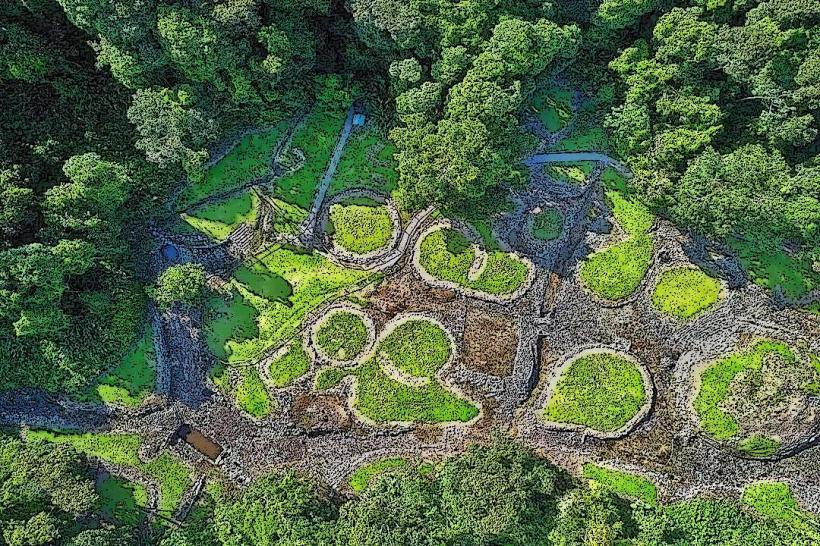
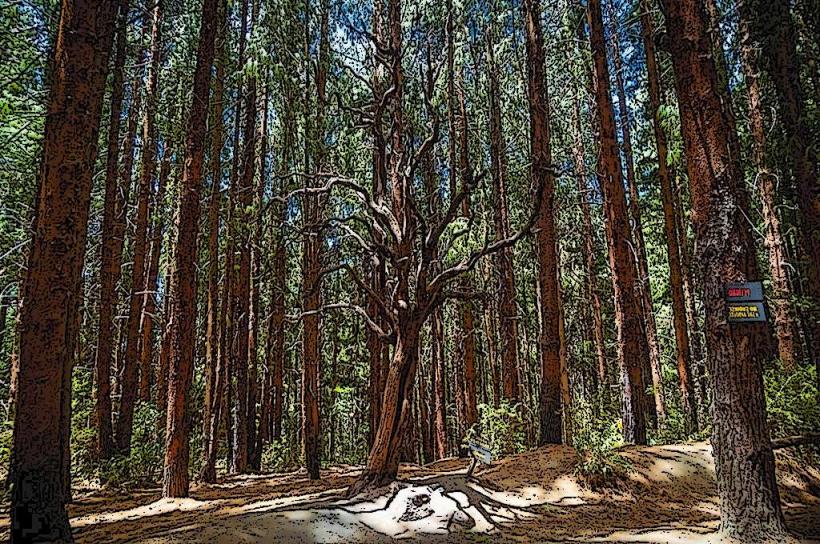
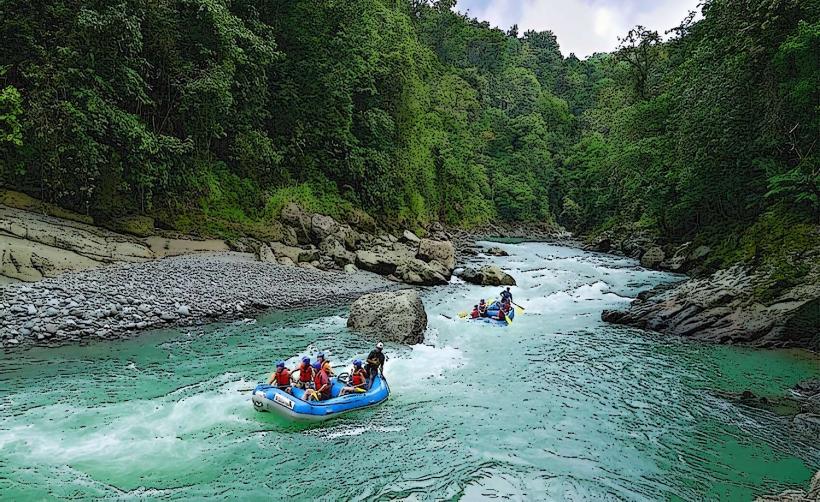
The valley is characterized by steep, densely forested hillsides. The vegetation is tropical rainforest, with a high canopy cover. Several small rivers and streams traverse the valley floor, often with clear, fast-flowing water over rocky beds. The soil is predominantly clay and loam.
Location & Access Logistics
Arima Valley is situated approximately 8 kilometers northeast of the Arima town center. Access is primarily via the Blanchisseuse Road (also known as Saddle Road), which winds through the valley. The road is paved but can be narrow and winding in sections. Parking is limited to designated pull-off areas along the road. Public transport directly into the valley is not available; visitors typically travel by private vehicle from Arima.
Historical & Ecological Origin
The valley's geological formation is part of the Northern Range, primarily composed of sedimentary rocks like sandstone and shale, shaped by erosion over millennia. Ecologically, it is a significant area of primary rainforest, supporting a diverse range of flora and fauna characteristic of the Caribbean island's interior.
Key Highlights & Activities
Hiking is a primary activity, with several unofficial trails leading to waterfalls and viewpoints. The most notable waterfall is the "Blue Hole," a natural pool accessible via a moderate hike. Birdwatching is also popular due to the rich avian population. Observing the dense forest canopy and the natural watercourses are key experiences.
Infrastructure & Amenities
There are no formal amenities within Arima Valley. Restrooms are not available. Shade is provided by the dense forest canopy. Cell phone signal is intermittent and generally unreliable within the valley. Food vendors are not present; visitors should carry their own provisions.
Best Time to Visit
The best time for visiting is during the dry season, from January to May, to minimize the risk of slippery trails. The early morning hours (6:00 AM - 9:00 AM) offer optimal lighting for observing wildlife and the forest environment. There are no tidal considerations.
Facts & Legends
Local folklore suggests that the Blue Hole is a sacred site, with some believing it possesses healing properties. Historically, the valley was a significant area for indigenous communities before European colonization.
Nearby Landmarks
- Maracas Bay Beach (12km Southwest)
- El Tucuche (8km North)
- Yerette Home of the Hummingbird (10km Southwest)
- Valencia Wildlife Reserve (15km East)