Information
Landmark: Irazu Volcano National ParkCity: Cartago
Country: Costa Rica
Continent: North America
Irazu Volcano National Park, Cartago, Costa Rica, North America
Overview
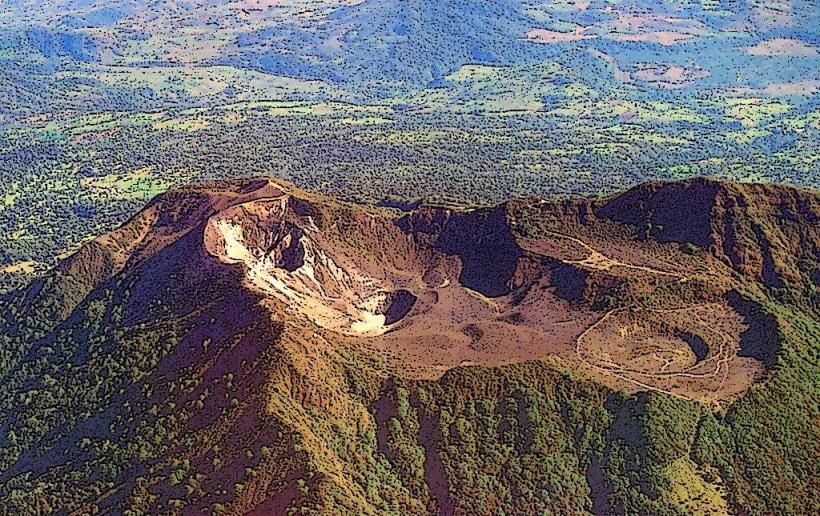
Somehow, Irazú Volcano National Park, perched in Costa Rica’s Central Valley near Cartago, is one of the country’s best-known volcanoes and easy to reach-on clear mornings, you can detect both the Pacific and Caribbean from its rim, not only that the park draws visitors with sweeping vistas, surreal rock formations, and the rare chance to stand close enough to feel the heat of an active stratovolcano.Rising nearly 3,432 meters (11,260 feet) into the thin mountain air, Irazú stands as Costa Rica’s tallest active volcano, where visitors can wander past steaming craters, through mossy forest, and into the calls of hidden tropical birds, in addition irazú Volcano National Park-known locally as Parque Nacional Volcán Irazú-sits high in Costa Rica’s Cartago Province, its summit rising 3,432 meters (11,260 feet) above sea level; this active stratovolcano, declared a park in 1955, covers about 5,705 hectares (14,100 acres) and on a clear morning the air smells faintly of ash.At the heart of the park stands Irazú Volcano, its summit marked by two wide craters, one edged with jagged black rock, besides the bigger crater, called the Principal Crater, holds a greenish-blue lake glinting at its base, though the water shifts in color and size with the moods of the volcano and the weather, somewhat Actually, Nearby, the smaller pit is the Diego de la Haya Crater, in conjunction with irazú still lives as an active volcano, even if it hasn’t erupted in years.Between the 1960s and 1990s, the volcano unleashed its most dramatic eruptions, sending thick ash clouds drifting over nearby towns, simultaneously today, the volcano stays mostly calm, though thin plumes of steam and gas still curl from its craters.From Irazú’s summit, you can take in sweeping views of the valleys and hills rolling away into the distance, alternatively on a clear day, you can stand on the volcano’s summit and spot both the Atlantic and Pacific shimmering in the distance-a rare glimpse of Costa Rica’s varied landscapes.Perched high in the mountains, the park often greets visitors with crisp air and sudden shifts in weather, equally important bring a few layers-you might feel warm in the sun one minute, then chilled by a sudden gust or a veil of mist that blurs the view.Irazú Volcano National Park showcases a striking mix of ecosystems, from dense forest to wind-swept crater edges, alternatively higher up, visitors wander through misty cloud forests draped in moss and ferns, where plants thrive in the cool air.Down at the base, the park’s lowland rainforests teem with life, from sparkling butterflies to chattering monkeys, moreover shifting from one ecosystem to another gives the park a special pull for hikers and nature lovers.Black lava fields, shimmering crater lakes, and steaming vents paint a scene that feels almost otherworldly, equally important its rich mix of plants and wildlife is among its greatest treasures, in some ways It seems, In the park’s shady forests, you might catch a flash of a quetzal’s emerald tail or hear the quick buzz of a hummingbird’s wings, and if you’re lucky, spot a mountain toucan, subsequently white-faced monkeys leap through the canopy, while sloths and coatis move more quietly below.You’ll spot reptiles and amphibians in the park too, especially around the volcanic craters where the ground still smells faintly of sulfur, to boot the slopes are alive with highland plants-oak trees, stands of bamboo, and bursts of wildflowers that flourish in the rich volcanic soil.As far as I can tell, Irazú itself is an active stratovolcano, built layer by layer through eruptions over thousands of years, while the volcano’s rich geological past comes to life at the park’s visitor center, where you can spot how molten rock and ash shaped the land.As you can see, With its craters and steaming fumaroles, it’s a must-visit for anyone who loves geology, besides visitors can watch steam curl from rocky vents, witness the raw power of volcanic forces, and discover how the land’s natural processes shape the region’s story.At Irazú Volcano National Park, most visitors come to behold the craters-vast, rocky bowls where sulfur-scented steam sometimes drifts into the thin mountain air, then you can follow the marked trails that circle the craters, pausing to take in the greenish shimmer of the lake inside the Principal Crater.From the observation points, you can take in sweeping views of the craters and the rugged land around them, on top of that sturdy platforms with railings keep you risk-free, while narrow trails wind right to the crater’s edge, perfect for snapping a close-up or two.Several short hikes also lead you through the park’s varied ecosystems, from sunlit meadows to shady groves, therefore the trails wind through volcanic slopes with sweeping views, where you might spot a flash of a toucan’s wing or hear monkeys chattering in the canopy.Some paths slip into the misty cloud forest, while others open onto stark lava fields and the lush rainforest below, at the same time the park isn’t huge, so you can wander a few trails in a single afternoon, maybe catching the scent of pine along the way.Inside the visitor center, exhibits bring Irazú’s rugged geology, eruption history, and local wildlife to life, along with it’s a great spot to dig into the science behind the volcano and its rumbling activity.At the visitor center, you can pick up tips on trails, check the latest weather, and learn the park’s rules, subsequently and if you’ve got a camera, the jagged black lava and sweeping summit views make for unforgettable shots.Visitors can snap photos of jagged craters, the shimmering volcanic lake, and the cloud forests spilling over rolling green hills, in addition on a clear day, the view stretches far enough to catch both the Atlantic and Pacific in one breathtaking shot-a dream for any landscape photographer.Oddly enough, Visitor Information: 1, in conjunction with the Irazú Volcano National Park welcomes visitors daily from 8 a.m. To 4 p.m, when the cool mountain air begins to settle over the trails, simultaneously get there early so you can enjoy the crisp morning air and steer clear of the crowds, a little The weather up top can shift in minutes-sun one moment, sharp wind the next-so pack for icy and gusty air, meanwhile admission is affordable, and students, kids, and Costa Rican residents get a discount.Your fee goes toward keeping the park’s trails clear and its wildlife protected, in conjunction with you can drive there from Cartago in about 40 minutes, or head out from San José and be surrounded by green hills in roughly two hours, partially The road stays paved until you reach the park’s entrance, but the final stretch climbs steeply and can get tricky when it’s wet, consequently if you’d rather not drive, guided tours leave from nearby towns and cities, covering transport both ways and including a hike with a guide.At high altitude, the air turns brisk-sometimes sharp enough to sting your cheeks-so wear layers and pack a jacket, moreover and because mountain weather shifts in a heartbeat, check the forecast before you set out.
Author: Tourist Landmarks
Date: 2025-09-11