Information
City: ConcepcionCountry: Chile
Continent: South America
Concepcion, Chile, South America
Concepción is the capital of the Biobío Region and the second-largest metropolitan area in Chile. Located near the mouth of the Biobío River, it is known as the "Capital of Chilean Rock" and serves as the primary industrial, educational, and cultural hub of the south-central zone.
Historical Timeline
Founded in 1550 by Pedro de Valdivia in Penco, the city was relocated to its current inland site in 1764 following a series of devastating tsunamis and earthquakes. Historically, it served as a military frontier during the Arauco War against the Mapuche. On January 1, 1818, Bernardo O'Higgins signed the Proclamation of Chilean Independence in the city's main plaza. In recent history, Concepción was the epicenter of the catastrophic $8.8$ magnitude earthquake on February 27, 2010.
Demographics & Population
The 2026 metropolitan population (including Talcahuano, Chiguayante, and San Pedro de la Paz) is approximately 1.1 million. The demographic is notably young due to the high concentration of universities. The economy is diversified across forestry, steel production (Huachipato), fishing, and logistics.
Urban Layout & Key Districts
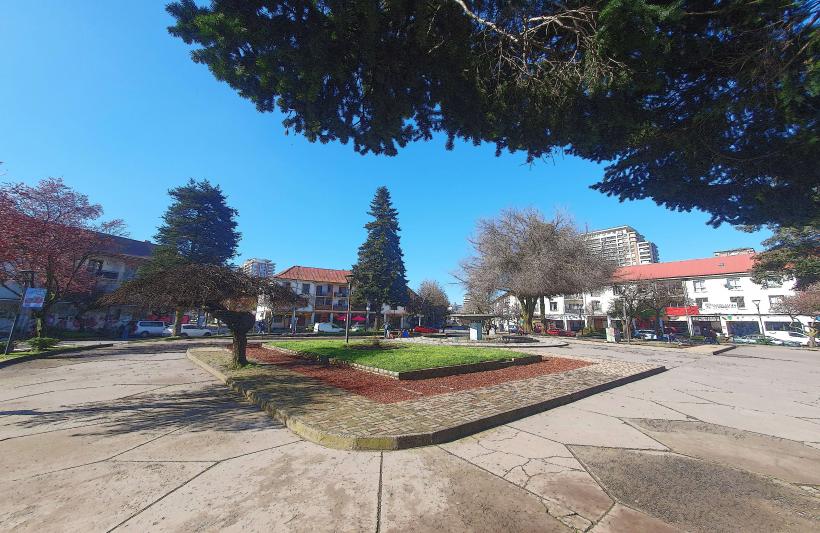
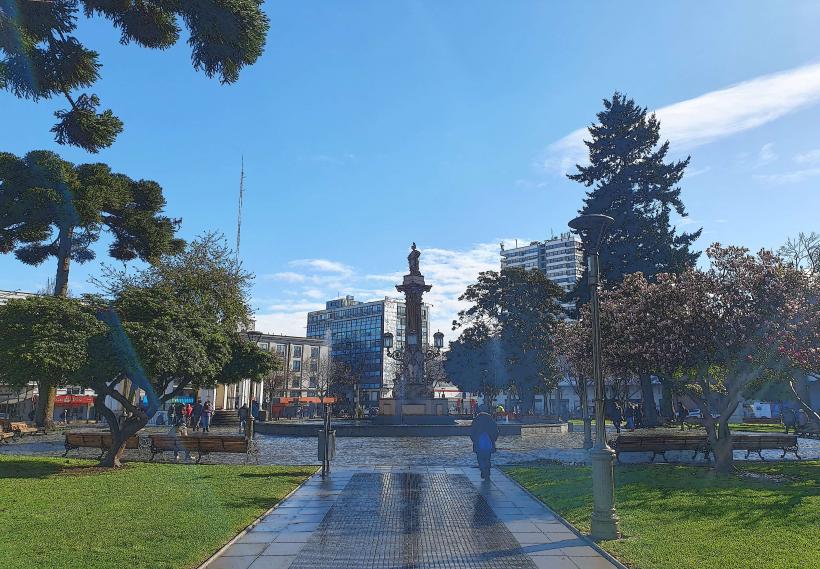
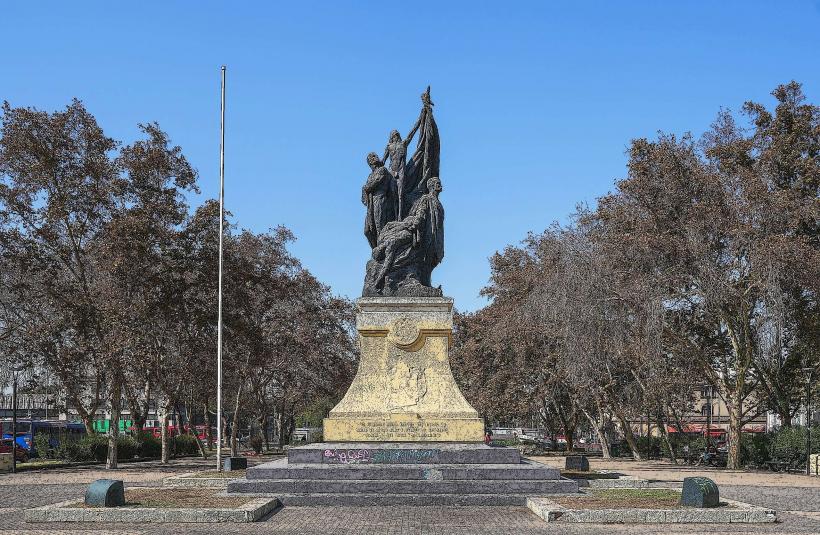
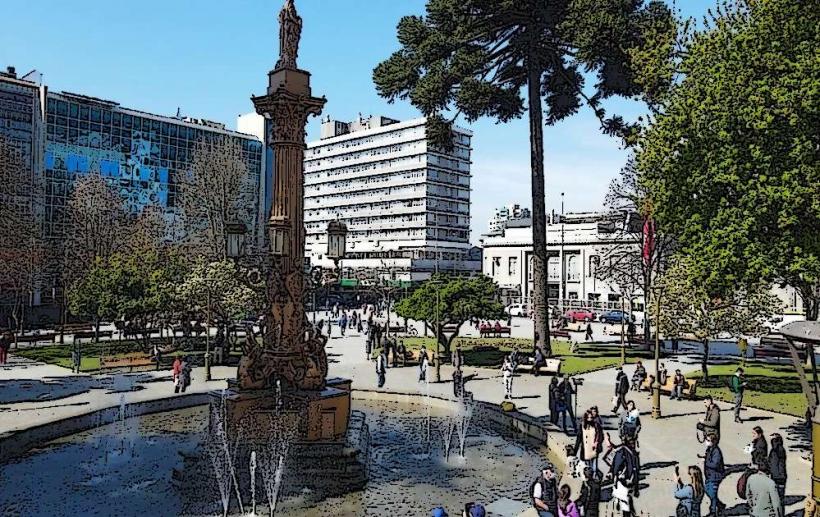
Downtown (Centro): The commercial and civic heart, centered on the Plaza de la Independencia.
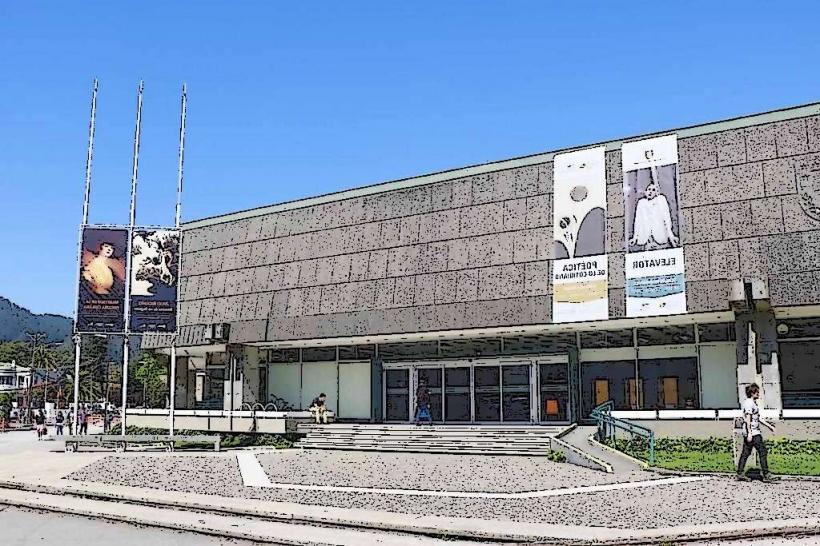
Barrio Universitario: Home to the University of Concepción, characterized by expansive green spaces and modernist architecture.
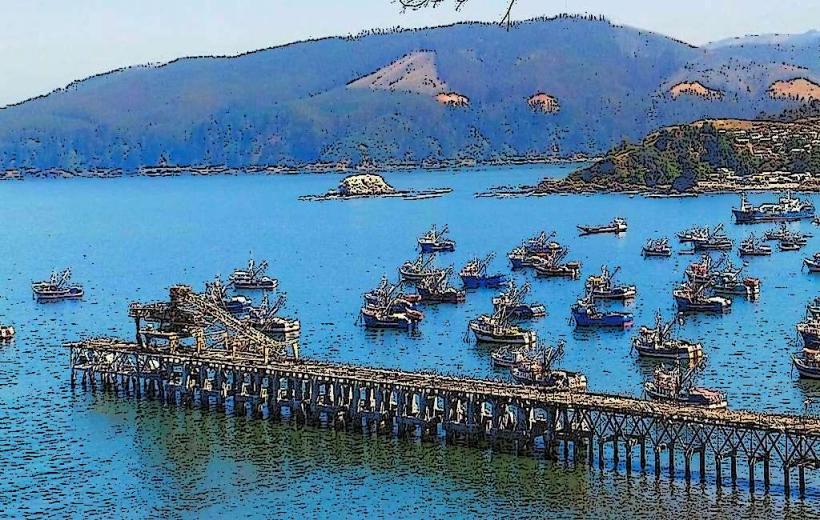
Talcahuano: The adjacent port city, home to the main naval base of Chile and heavy industrial sectors.
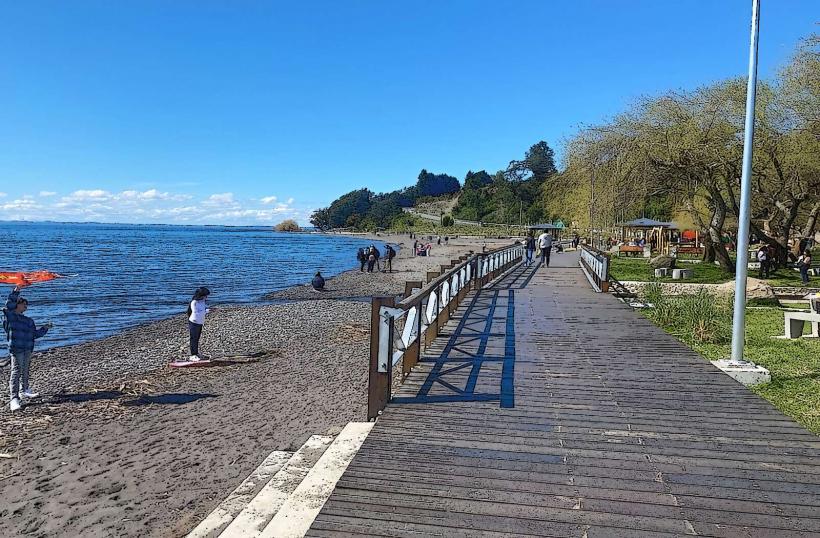
San Pedro de la Paz: A residential district across the Biobío River, known for its lagoons (Laguna Chica and Laguna Grande).
Barrio Estación: A nightlife district featuring numerous bars and live music venues.
Top Landmarks
University of Concepción (UdeC) Campus: Widely considered the most beautiful campus in Chile, featuring the Campanil (clock tower) and the "Presence of America" mural by Jorge González Camarena.
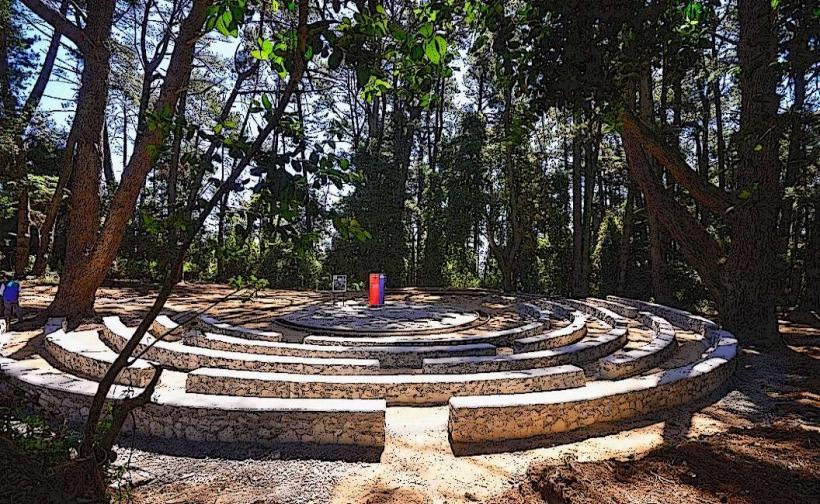
Cerro Caracol: A massive forest park adjacent to the city center offering panoramic views of the city and the Biobío River.
Huáscar Monitor: Located in the Talcahuano naval base; a preserved 19th-century ironclad warship captured from Peru during the War of the Pacific.
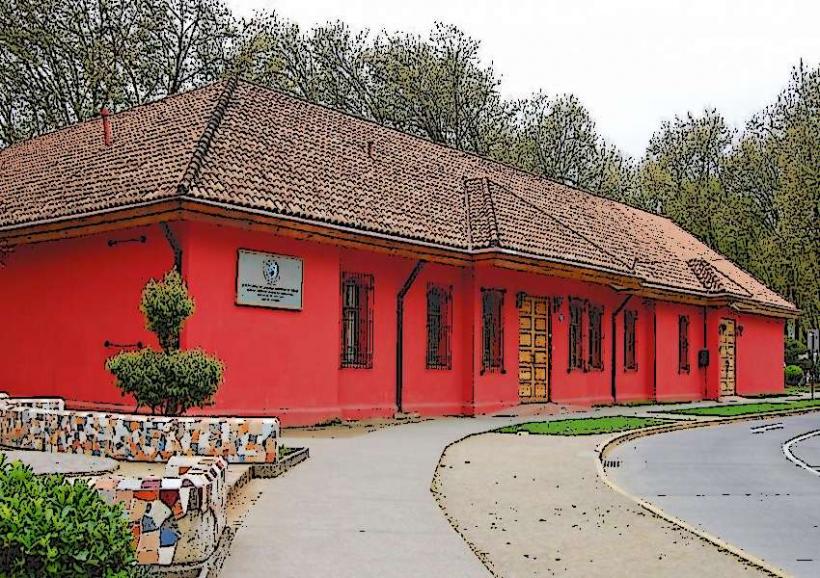
Galeria de la Historia: A museum in Parque Ecuador chronicling the city's history through diorama displays.
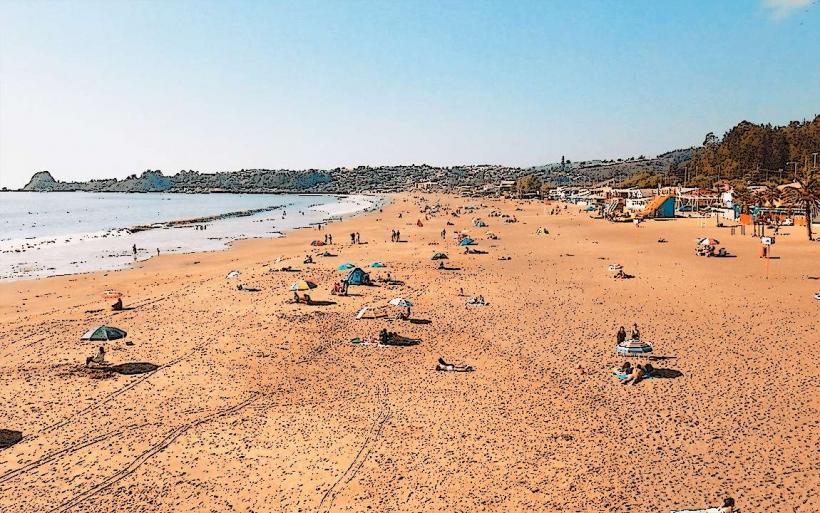
Dichato & Tomé: Coastal towns north of the city known for their beaches and former textile factories.
Transportation Network
Air: Carriel Sur International Airport (CCP) is the second busiest in Chile, with frequent flights to Santiago ($1$ hour).
Rail (Biotren): A modern electric commuter rail system connecting Concepción with Talcahuano, Coronel, and San Pedro de la Paz.
Road: Connected to Santiago via the Ruta del Itata and Route 5 South. Bus travel takes approximately $6$ hours.
Bridges: Four major bridges cross the Biobío River, including the Juan Pablo II Bridge, the longest in Chile.
Safety & Health
Seismic Risk: Concepción is one of the most seismically active cities on Earth. All modern infrastructure adheres to world-leading anti-seismic standards.
Environmental Health: Winter (June–August) can see poor air quality due to the widespread use of wood-burning stoves for heating.
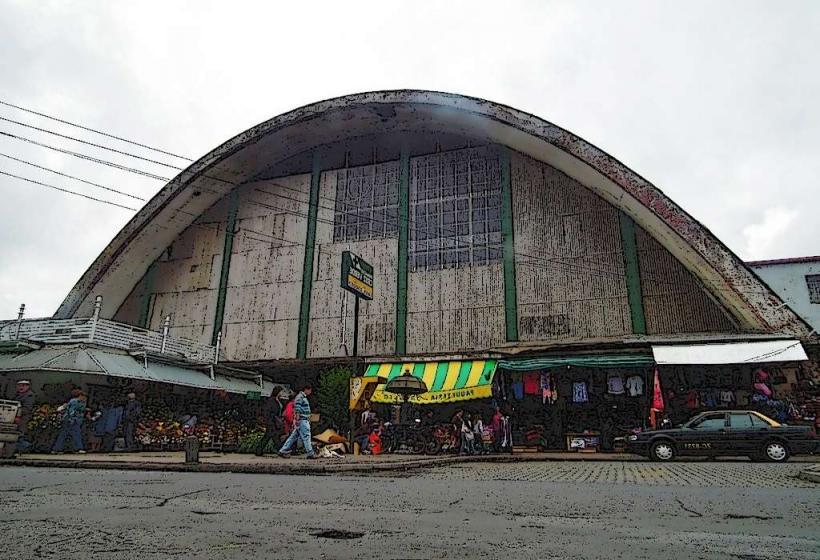
Crime: Higher vigilance is required in the central markets and near the Biobío River banks at night.
Digital & Financial Infrastructure
5G is fully deployed across the metropolitan area. The currency is the Chilean Peso (CLP). ATMs are abundant. Contactless payment is the standard for almost all retail and dining.
Climate & Air Quality
Mediterranean climate with oceanic influence.
Weather: Cool and rainy winters ($4^\circ\text{C}$–$13^\circ\text{C}$); mild, dry summers ($12^\circ\text{C}$–$24^\circ\text{C}$).
Rainfall: Significantly higher than Santiago, maintaining the region's lush evergreen landscape.
Culture & Social Norms
Music: The city has a legendary music scene, having produced many of Chile’s most famous rock bands (e.g., Los Tres, Los Bunkers).
Student Life: The large student population gives the city a vibrant, intellectual, and politically active atmosphere.
Cuisine: Specialized in Mariscal (shellfish soup), Chupes, and traditional pastries from the nearby town of Florida.
Local Cost Index (CLP)
1 Biotren Ticket: 450–750 CLP
1 Typical Lunch (Menu): 8,000–12,000 CLP
1 Entry to Huáscar Monitor: 5,000 CLP
Facts & Legends
Legend says that the "Golden Condor" protects the city from atop Cerro Caracol. A geographic fact: The Biobío River is over 2 km wide at its mouth in Concepción, making it one of the widest rivers in Chile. Historically, Concepción was the only city in Chile that dared to declare independence while Spanish troops were still actively patrolling the region.