Information
City: ConcordCountry: USA Massachusetts
Continent: North America
Concord, USA Massachusetts, North America
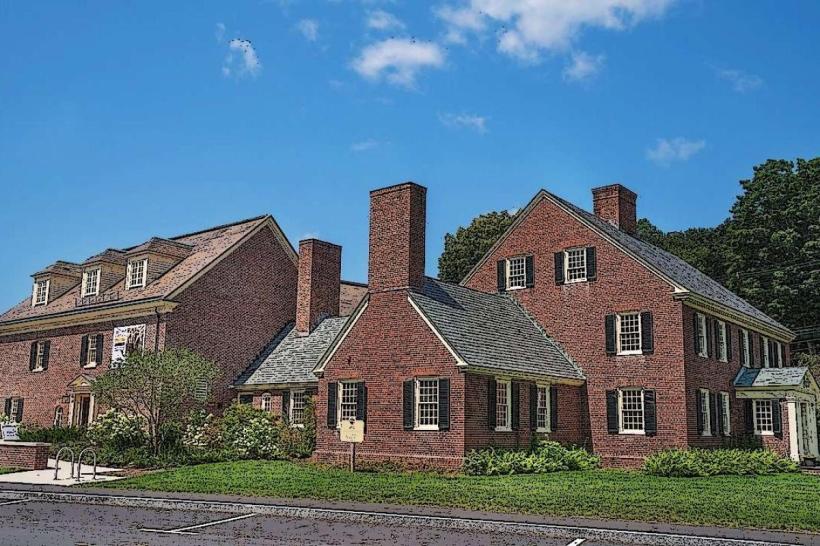
Concord is an independent town in Middlesex County, located 32 km (20 miles) northwest of Boston. It is a dual-nexus of American identity, defined as the site of the first colonial victory in the Revolutionary War and the 19th-century center of American literature and Transcendentalism.
Historical Timeline
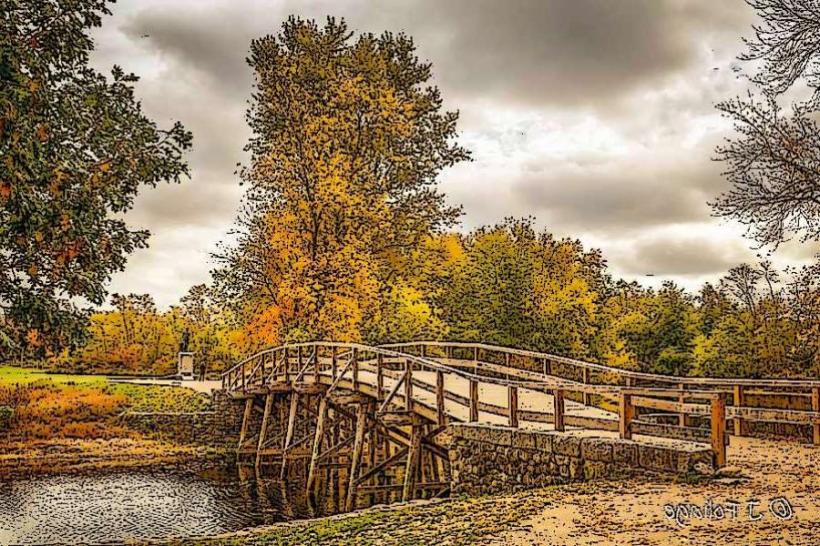
Inhabited by the Pawtucket and Musketaquid people for millennia. Primary governance eras include its 1635 incorporation as the first inland settlement in Massachusetts. A critical historical event occurred on April 19, 1775, at the Old North Bridge, where the "shot heard 'round the world" was fired, marking the first time British troops were ordered to retreat. In the mid-19th century, it became the intellectual heart of the U.S., serving as the home to Emerson, Thoreau, Alcott, and Hawthorne.
Demographics & Population
The population is approximately 18,500. The demographics are White (83%), Asian (6%), Hispanic or Latino (4%), and Black or African American (3%). It is an ultra-high-income community with a median household income exceeding $175,000. It is characterized by a high concentration of professionals, academics, and descendants of New England’s historic elite.
Urban Layout & Key Districts
Concord is characterized by preserved agrarian landscapes and colonial-era village planning.
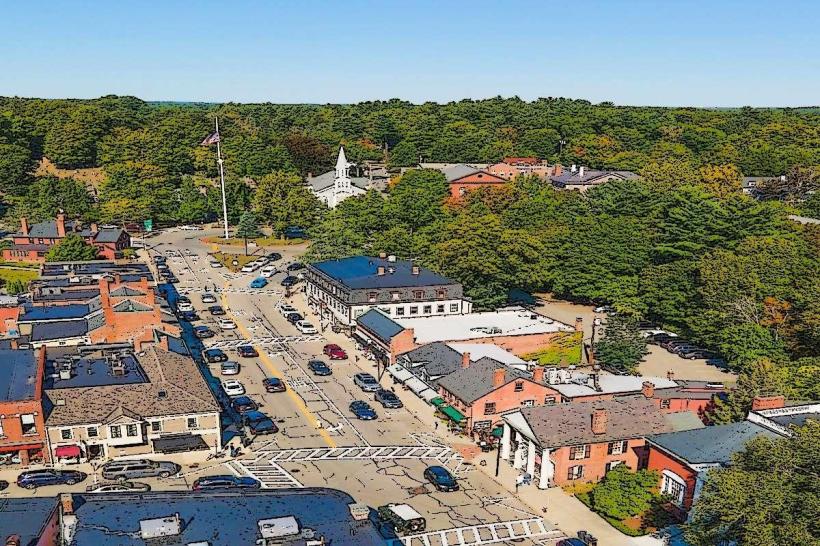
Concord Center: The commercial and civic hub, featuring the Colonial Inn, independent bookshops, and the Milldam shopping district.
West Concord: A distinct, historically industrial village that has evolved into a trendy sub-center for independent cafes and artisans.
Monument Square: The historic heart, serving as the site of the town's primary memorials and churches.
Walden Woods: The preserved forest area surrounding Walden Pond, strictly regulated for conservation.
Top City Landmarks
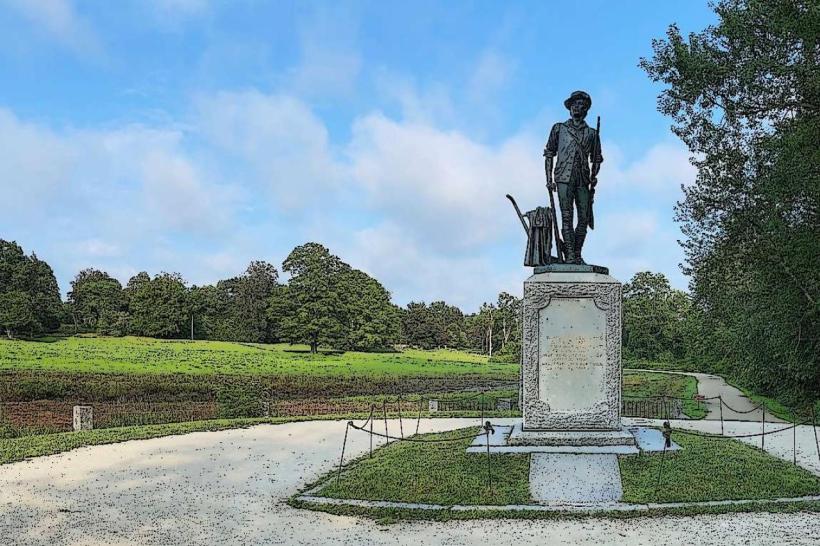
Old North Bridge: The site within Minute Man National Historical Park where the "Concord Fight" occurred.
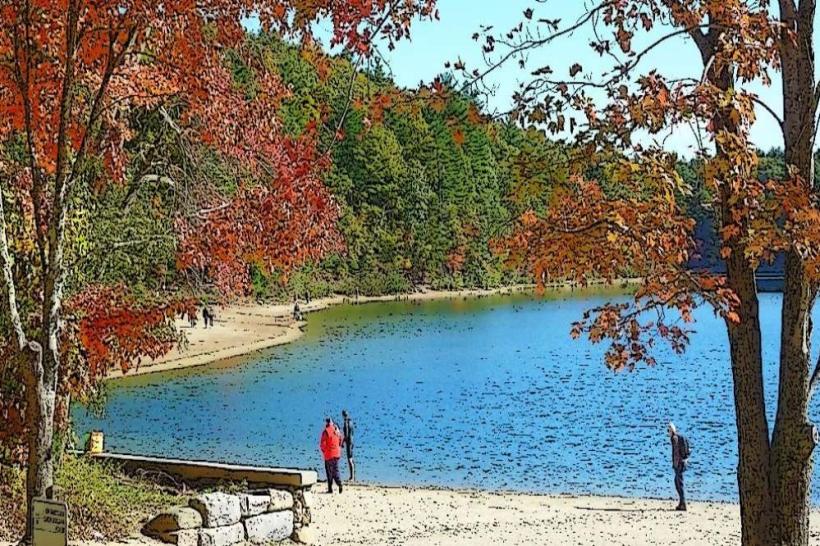
Walden Pond State Reservation: The site of Henry David Thoreau’s cabin; a global pilgrimage site for environmentalists.
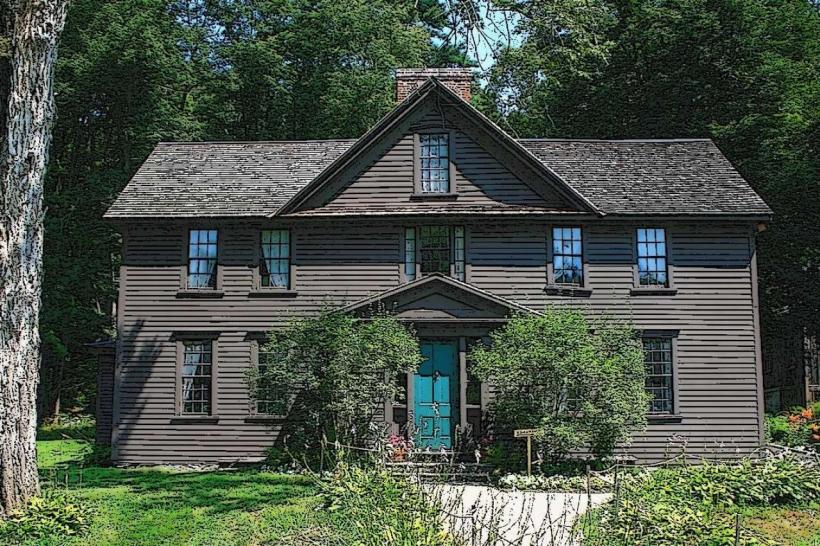
Orchard House: The home where Louisa May Alcott wrote Little Women.
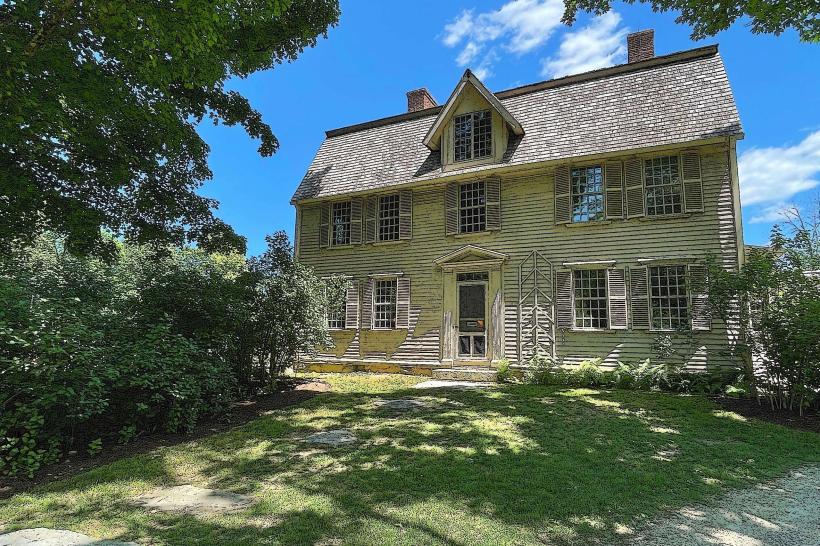
The Old Manse: A 1770 parsonage that housed both Emerson and Hawthorne; adjacent to the North Bridge.
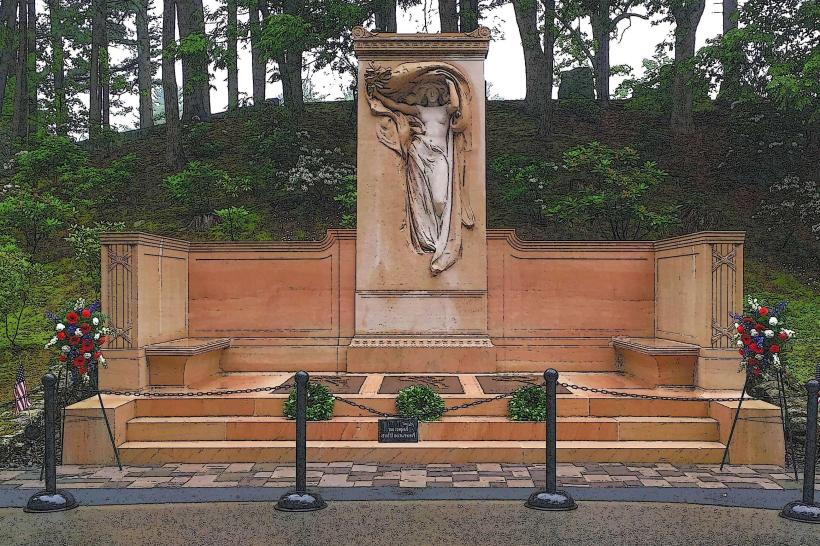
Sleepy Hollow Cemetery: Specifically "Author’s Ridge," containing the graves of Emerson, Thoreau, Hawthorne, and Alcott.
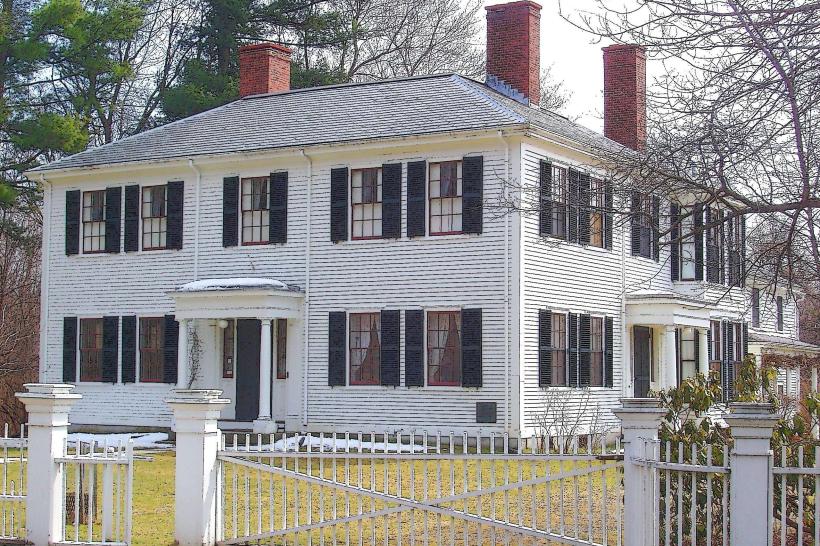
The Emerson House: The primary residence of Ralph Waldo Emerson for 47 years.
Transportation Network
Movement is serviced by the MBTA Commuter Rail (Fitchburg Line), with stops at Concord Center and West Concord. The town is accessed via Route 2 and Route 126. Commercial air service is via Logan International (BOS). Ride-sharing is available but density is lower than in Boston. The town is highly bikeable and pedestrian-friendly. Traffic is heavy on Route 2 and around the North Bridge during peak tourism seasons (Autumn and April).
Safety & "Red Zones"
The general safety level is exceptionally high. Violent crime is statistically negligible. Property crime, specifically "theft from auto" at the Walden Pond parking lots and residential "porch piracy," is the primary issue. There are no designated "red zones." Environmental hazards include seasonal tick-borne illnesses (Lyme disease) in wooded areas.
Digital & Financial Infrastructure
Internet speeds average 500+ Mbps with fiber availability via Xfinity and municipal-supported Concord Light. Main mobile carriers are Verizon and AT&T. Card acceptance is universal. ATMs are concentrated in Concord Center and West Concord.
Climate & Air Quality
Temperatures range from -7°C to 1°C in winter and 16°C to 28°C in summer. Subject to typical New England variability. Air quality is exceptionally high, protected by massive tracts of conservation land.
Culture & Social Norms
The standard tipping percentage is 20–25%. A handshake is the standard greeting. Dress codes are "Academic-Casual" or "Equestrian-Chic." The town is culturally defined by its intense preservationism, its literary legacy, and its role as a sanctuary for intellectual and environmental thought.
Accommodation Zones
Concord Center: Recommended for historic stays (The Colonial Inn) and walkable monument access.
Route 2 Corridor: Recommended for modern, standard hotel chains.
Local Cost Index
1 Espresso: $4.75 (USD)
1 Standard Lunch: $22.00 (USD)
1 Commuter Rail Fare (to Boston): $10.00 (Single).
Nearby Day Trips
Lexington: (10 km east; Revolutionary history).
Lincoln: (5 km south; home to the deCordova Sculpture Park).
Sudbury: (12 km south; home to the Wayside Inn).
Facts & Legends
The Concord Grape was developed here in 1849 by Ephraim Wales Bull. Historically, it was the first town in the U.S. to ban the sale of single-serve plastic water bottles. A local legend involves the "Ghost of the Colonial Inn," specifically Room 24, rumored to be a 1775 soldier. Another legend concerns "Thoreau’s Hidden Journal," referring to rumors of undiscovered manuscripts buried near his cabin site.