Information
City: DjerbaCountry: Tunisia
Continent: Africa
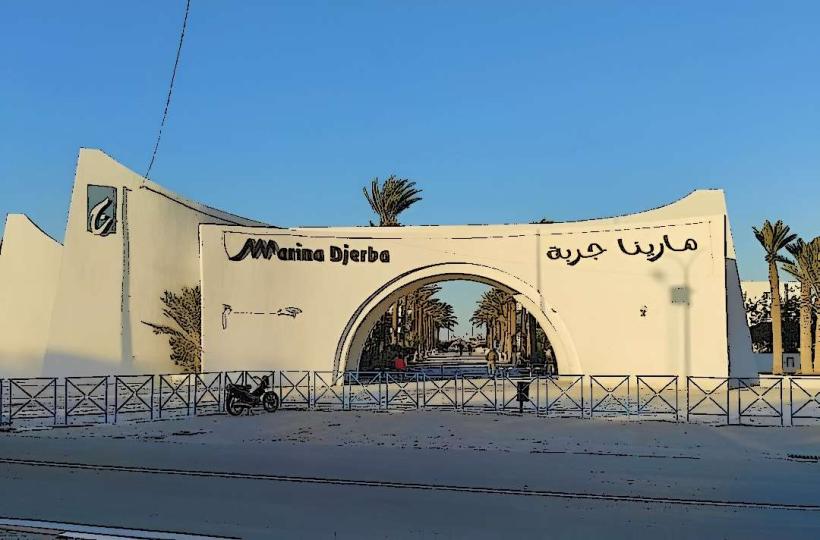
Djerba, Tunisia, Africa
Matmata is a small town in southern Tunisia, famous for its underground troglodyte houses-dwellings carved directly into the earth. Located in the Gabès Governorate, about 35 km southwest of the coastal town of Gabès, Matmata sits on the edge of the arid Dahar Plateau and marks the transitional zone between the semi-arid mountains and the true Sahara.
It is one of the most iconic places in Tunisia where Berber traditions, desert adaptation, and a unique architectural identity remain vividly visible.
Geographic and Environmental Context
Terrain: Matmata is surrounded by rocky hills, arid slopes, and deep wadis. The region is part of the Matmata Mountains, a subrange of the Dhahar highlands.
Climate: It has a hot, dry climate, with harsh summers, cold winters, and very low rainfall. Temperatures fluctuate greatly between day and night due to desert conditions.
Natural Adaptation: The extreme climate has shaped the town’s way of life, especially in the design of its subterranean homes.
Architecture and Housing
Troglodyte Houses: These are pit-style dwellings-a large central courtyard is excavated from the ground, and rooms are dug horizontally into the surrounding rock walls.
This design protects inhabitants from intense heat in summer and cold in winter.
Many houses are invisible from above, giving the landscape a moon-like appearance.
Access is typically via a narrow tunnel or ramp from ground level.
Construction: Built by hand using traditional methods, often passed down within families. Some houses are over a century old and still inhabited.
Modern Adaptation: While some residents now live in above-ground structures, many traditional homes are still maintained or adapted for tourism.
Cultural and Historical Identity
Berber Heritage: Matmata is a Berber (Amazigh) town, and its traditions reflect centuries of Berber customs in language, dress, music, and building techniques.
Oral History: According to local oral tradition, the community moved underground centuries ago to escape Arab invasions, raiders, or extreme climate.
Modern Recognition: Matmata remained largely unknown to the outside world until the 1960s, when floods forced residents to seek aid, drawing national attention to their homes.
Film Fame: Matmata gained global fame as a filming location for Luke Skywalker’s home in the original Star Wars (1977). The house used in the film is now the Hotel Sidi Driss, a functioning troglodyte hotel.
Economy
Agriculture: Despite the harsh environment, locals practice dry farming, growing olives, figs, and almonds using traditional water-conservation techniques.
Animal Husbandry: Goats, sheep, and camels are raised in the nearby hills and valleys.
Tourism: A key economic pillar today. Visitors come to:
Explore traditional homes.
Stay in cave hotels.
Experience Berber music, food, and desert life.
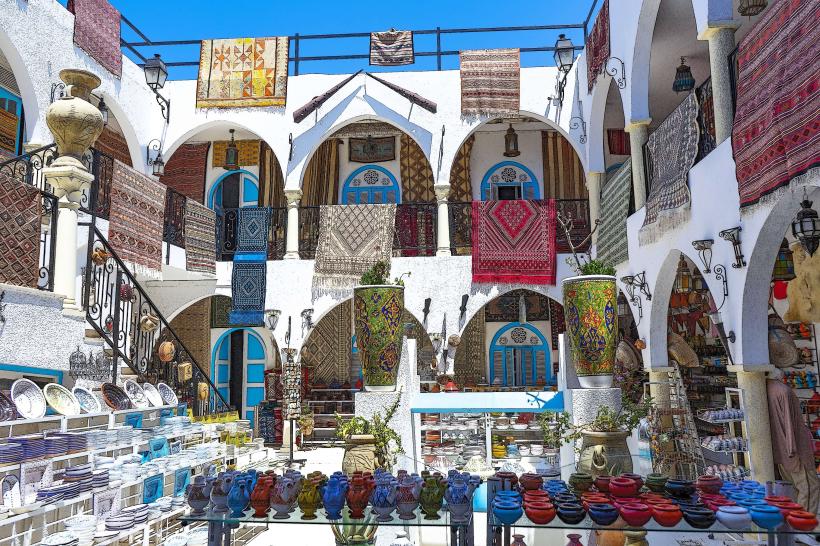
Handicrafts: Locals make woven rugs, pottery, and jewelry, often sold to tourists or at regional markets.
Society and Lifestyle
Community Structure: Life revolves around extended family, and many households are multigenerational. Strong kinship bonds and hospitality are central.
Daily Routine: Early mornings and evenings are most active, while mid-day heat slows activity. Traditional roles persist but are evolving with increased exposure to urban life.
Dress: Some elders still wear traditional Berber garments, while younger residents may dress in modern styles. Headscarves, cloaks, and woolen robes are common in cold months.
Language: A local Berber dialect is spoken, alongside Tunisian Arabic. Berber culture is also preserved through music, poetry, and oral traditions.
Infrastructure and Services
Basic Facilities: Matmata has small shops, cafes, a school, health clinic, and police post. For more extensive services, residents travel to Gabès.
Transportation: Accessible by road, with shared taxis and buses linking it to nearby towns like Gabès, Tamezret, and Medenine.
Electricity and Water: Many homes are now connected to electricity. Water is drawn from wells or delivered by truck in dry periods.
Surroundings and Nearby Villages
Tamezret: A nearby hilltop Berber village known for stone houses, a museum, and traditional crafts.
Toujane: Another picturesque Berber settlement with beautiful scenery and handmade textiles.
Desert Routes: Matmata lies on routes leading to the Sahara and is often included in desert tours, linking to towns like Douz, Tataouine, or Ksar Ghilane.
Identity and Atmosphere
Timeless and Quiet: Matmata feels like a place outside of time-peaceful, secluded, and rooted in ancient rhythms of desert life.
Pride in Heritage: The community is deeply proud of its unique identity and resilience in adapting to such a challenging environment.
Blending Old and New: While television antennas and mobile phones are now common, many residents continue to live in cave homes and follow traditional practices.
Conclusion
Matmata is more than just an unusual destination-it is a living expression of Berber ingenuity and desert survival. With its sunken homes, ancient culture, and dramatic scenery, it reflects a way of life that has adapted beautifully to nature’s extremes. Even as tourism grows, Matmata retains its authentic character, offering an intimate look into one of Tunisia’s most distinctive cultural landscapes.