Information
City: EvanstonCountry: USA Illinois
Continent: North America
Evanston, USA Illinois, North America
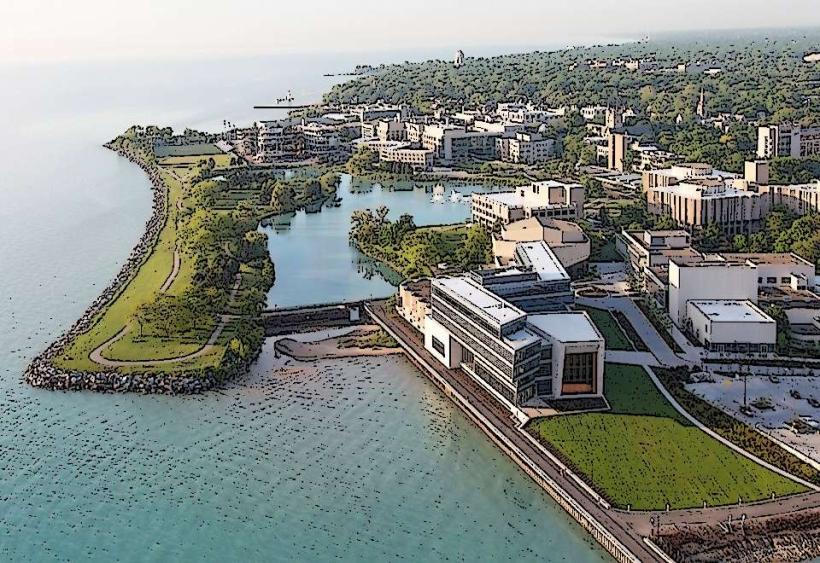
Evanston serves as a major suburban hub and academic center immediately north of Chicago, functioning as the headquarters for several international organizations and the home of Northwestern University. It is situated on the North Shore of Lake Michigan, bordering Chicago to the south and Skokie to the west.
Historical Timeline
Evanston was formally incorporated in 1863 and named after John Evans, one of the founders of Northwestern University. Primary governance eras include its development as a "dry" Methodist settlement, its 20th-century expansion into a sophisticated residential suburb, and its modern evolution into a diverse, transit-oriented urban center. The city's urban form was primarily defined by the 1855 establishment of Northwestern University and the subsequent extension of Chicago's elevated rail lines. A significant historical policy was the city’s status as a "dry" town, which prohibited the sale of alcohol from its founding until 1972.
Demographics & Population
The population is approximately 78,000. The top three ethnic demographics are White (59%), Black or African American (16%), and Asian (9%). The median age of the population is 36.1 years, heavily influenced by the transient student population.
Urban Layout & Key Districts
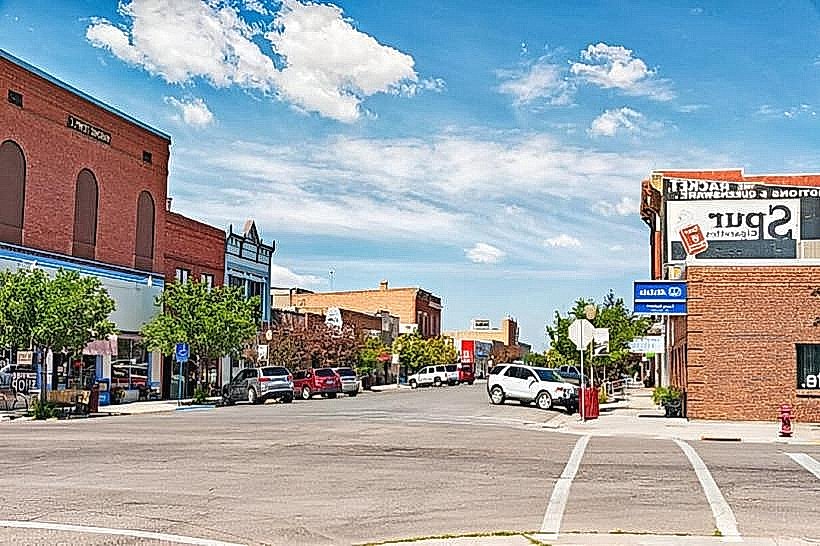
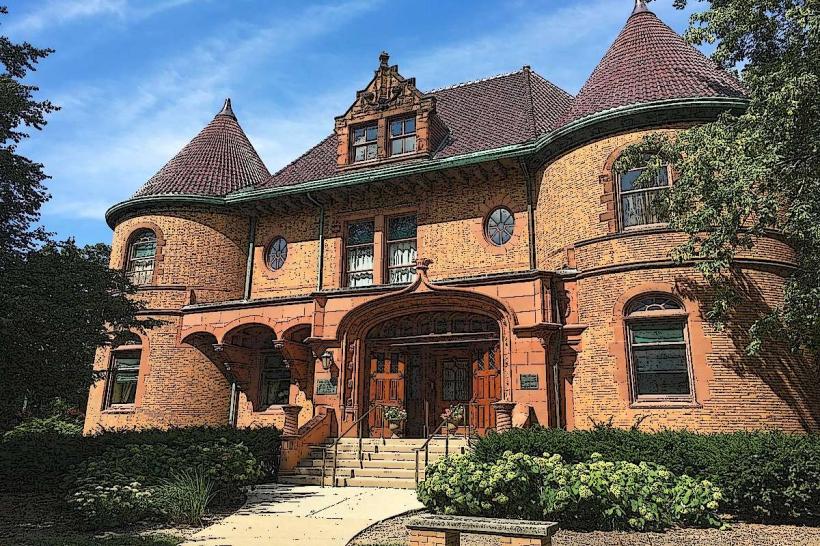
The city follows a grid system that centers on the intersection of the university and the commercial core. Downtown Evanston is the high-density center for retail, dining, and transit. North Evanston is characterized by historic, large-scale residential estates near the university. West Evanston serves as a diverse residential area with a history of independent local business.
Top City Landmarks
Northwestern University Campus (including the Deering Library)
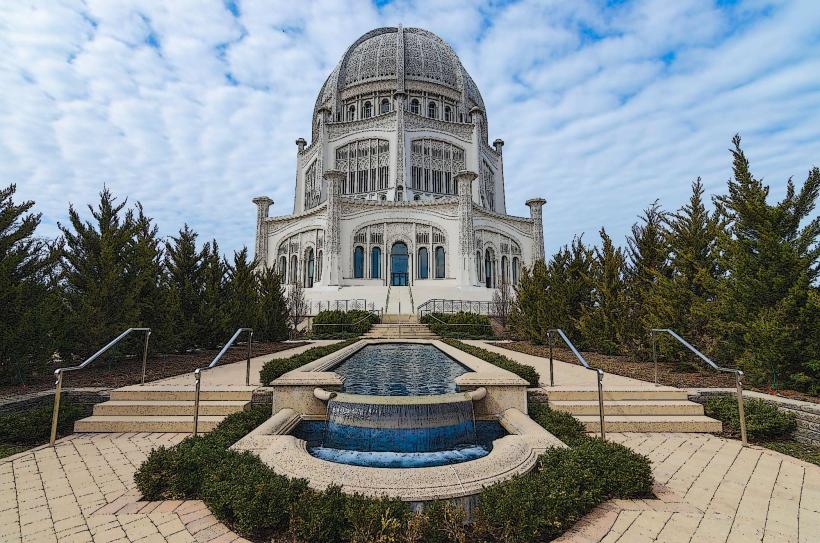
Baha'i House of Worship (located on the immediate border in Wilmette)
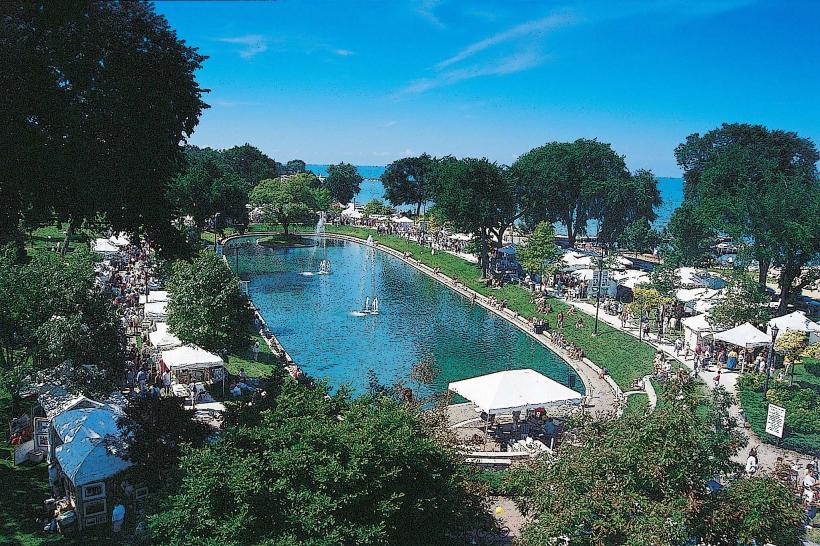
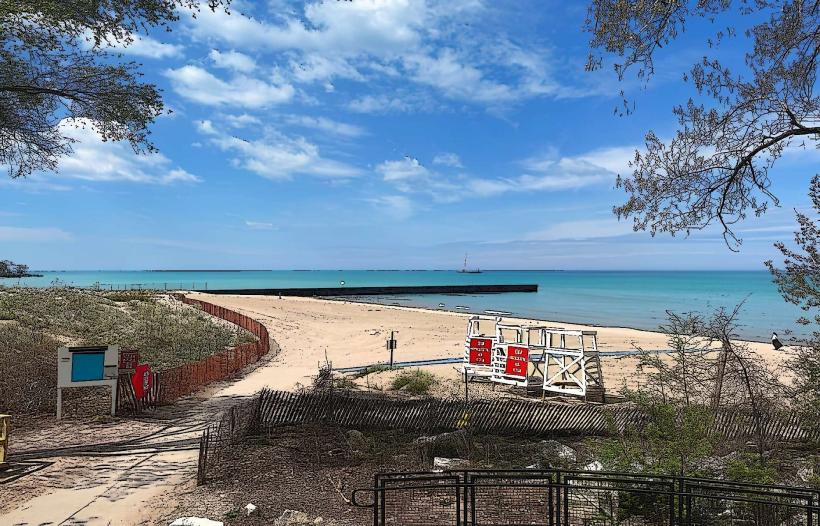
Evanston Lakefront and Beaches
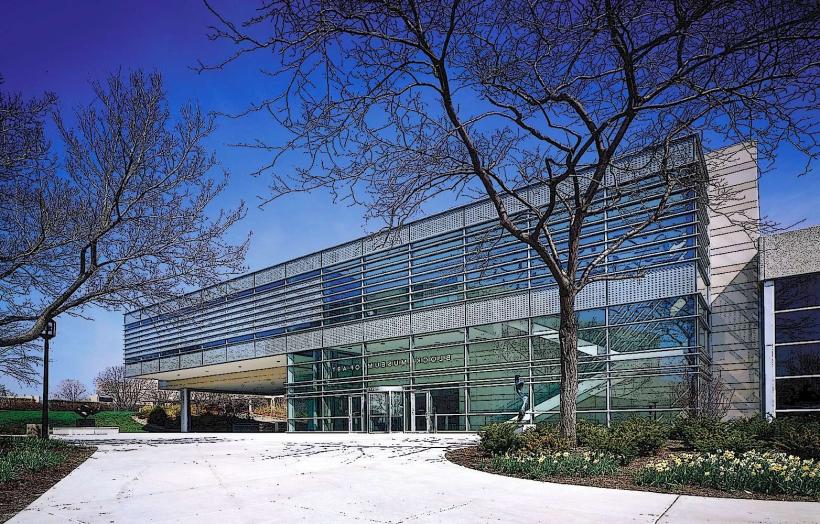
Mary and Leigh Block Museum of Art
Transportation Network
Movement is serviced by the CTA "L" Purple Line, connecting to the Chicago Loop, and the Metra Union Pacific North line. The Pace bus system provides suburban connections. Ride-sharing via Uber and Lyft is highly active. Traffic density is high along Sheridan Road and Ridge Avenue, particularly during university events.
Safety & "Red Zones"
The general safety level is high. Caution is advised at night in specific areas of the southwest border near Howard Street, which experiences higher rates of property-related incidents compared to the lakefront. Common scams are infrequent, usually involving fraudulent apartment listings targeting university students.
Digital & Financial Infrastructure
Internet speeds average 250 Mbps with widespread fiber-optic availability. Main mobile carriers are Verizon, AT&T, and T-Mobile. Card and mobile payment acceptance is universal. ATMs are ubiquitous, with high concentrations of Chase and BMO Harris branches in the downtown core.
Climate & Air Quality
Temperatures range from -9°C to 0°C in winter and 18°C to 28°C in summer. Air quality is consistently high. Specific weather risks include "lake effect" snow and high winds coming off Lake Michigan, which can cause significant temperature drops (the "cooler by the lake" phenomenon).
Culture & Social Norms
The standard tipping percentage is 18–22%. A handshake is the standard greeting. Dress codes are diverse, ranging from student casual to "North Shore" professional. Smoking is prohibited in all public parks, beaches, and indoor spaces.
Accommodation Zones
Downtown/University Area: Recommended for walking access to the Northwestern campus, the "L" train, and the primary dining district.
Orrington Avenue: Recommended for high-end hotel stays with central proximity.
Local Cost Index
1 Espresso: $4.50 (USD)
1 Standard Lunch: $19.00 (USD)
1 CTA Fare: $2.50 (USD)
Nearby Day Trips
Chicago (19 km)
Chicago Botanic Garden (15 km)
Ravinia Festival / Highland Park (12 km)
Skokie Lagoons (10 km)
Facts & Legends
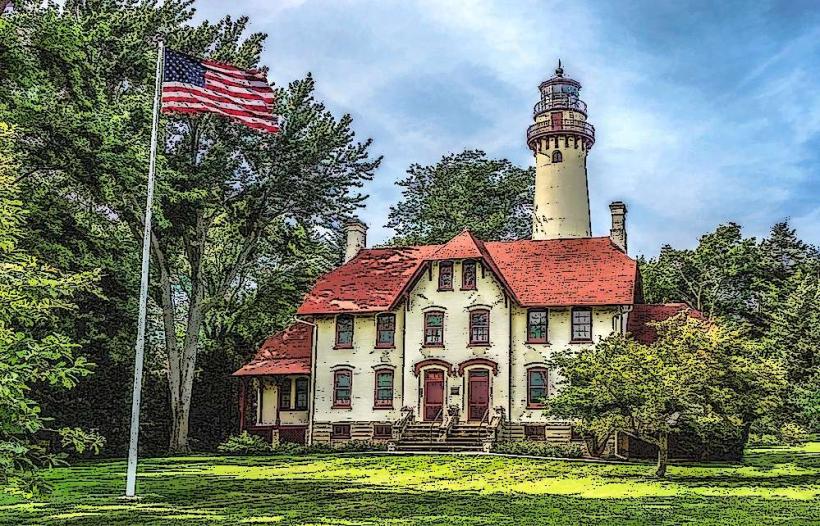
Evanston is often cited as the birthplace of the "Ice Cream Sundae," allegedly created in the 1890s as a way to circumvent local laws (Sabbath laws) that prohibited the sale of soda on Sundays. Historically, the city is known as the "Heavenston" or the "City of Churches" due to its numerous religious institutions. A local urban legend involves "The Lady of the Lighthouse," a spectral figure said to haunt the Grosse Point Lighthouse during heavy fogs.