Information
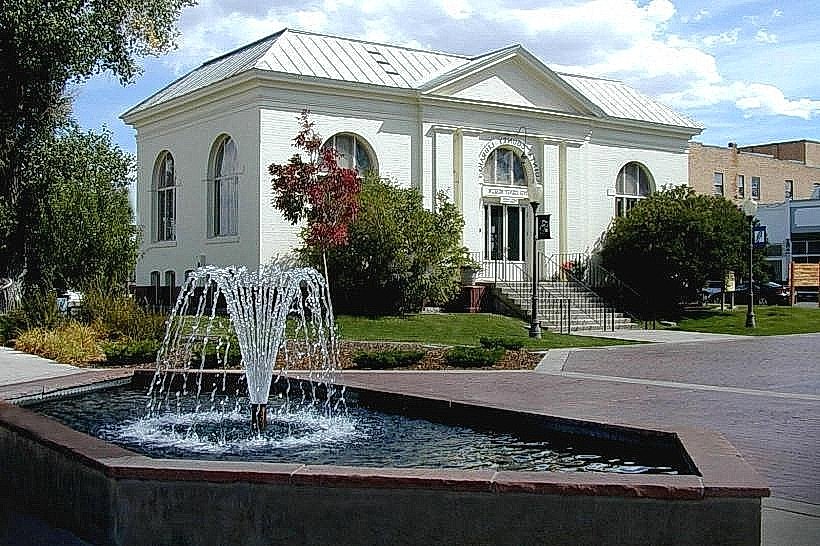
Landmark: Chinese Joss House MuseumCity: Evanston
Country: USA Wyoming
Continent: North America
Chinese Joss House Museum, Evanston, USA Wyoming, North America
Downtown De Smet is the central business district of De Smet, South Dakota, USA.
Visual Characteristics
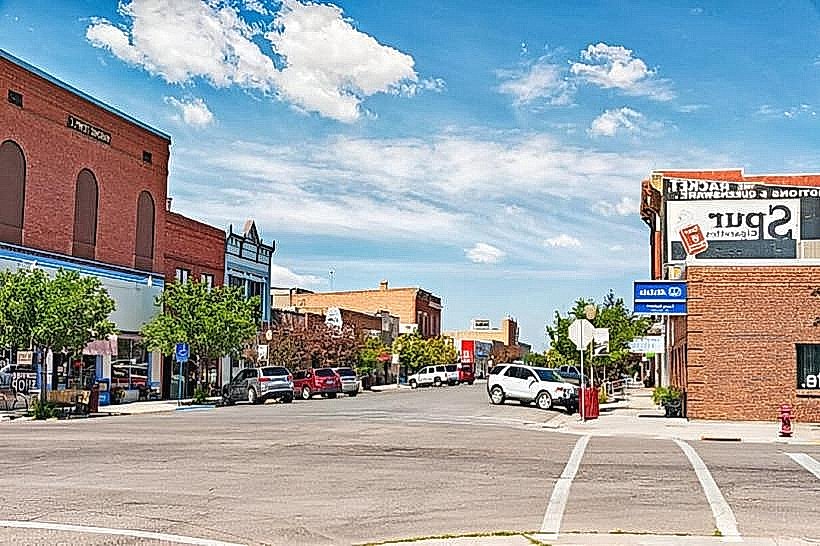
The area consists primarily of low-rise commercial buildings, generally one to two stories in height. Construction materials include brick and wood siding. Building facades exhibit a range of colors, with a prevalence of earth tones and muted pastels. Streetlights are standard municipal fixtures. Sidewalks are concrete.
Location & Access Logistics
Downtown De Smet is situated at the intersection of US Highway 14 and South Dakota Highway 25. It is located at the geographic center of the city. Parking is available on-street along Calumet Avenue and other main thoroughfares, with no designated parking lots within the immediate downtown core. Public transport is not available within De Smet.
Historical & Ecological Origin
The area developed as a commercial hub following the arrival of the Chicago & North Western Railway in 1880. The original purpose was to serve the agricultural community of the surrounding prairie. The land is part of the glaciated Missouri Plateau, characterized by gently rolling terrain.
Key Highlights & Activities
Visitors can explore the Laura Ingalls Wilder Memorial Society Museum, located at 105 East Third Street. The Ingalls Homestead, a separate historical site, is located approximately 1 mile east of downtown. Shopping for local goods is available at various independent businesses along Calumet Avenue.
Infrastructure & Amenities
Restrooms are available within the Laura Ingalls Wilder Memorial Society Museum during operating hours. Limited shade is provided by mature trees along some sections of Calumet Avenue. Cell phone signal (4G/5G) is generally available. Food vendors and restaurants are located within the downtown area.
Best Time to Visit
For photography, morning light offers direct illumination on east-facing facades, while late afternoon light illuminates west-facing structures. The months of June through August provide the most stable weather conditions. No tide-dependent activities are relevant to this location.
Facts & Legends
De Smet is famously known as "The Home of the Ingalls Family," as depicted in Laura Ingalls Wilder's "Little House" books. A specific local legend recounts the "Blizzard of 1880-81," during which residents were trapped for extended periods, highlighting the harsh prairie winters.
Nearby Landmarks
- Laura Ingalls Wilder Memorial Society Museum (0.1km West)
- De Smet Depot Museum (0.2km North)
- Kingsbury County Courthouse (0.5km Southwest)
- Ingalls Homestead (1.0km East)