Information
City: FargoCountry: USA North Dakota
Continent: North America
Fargo, USA North Dakota, North America
Fargo is the largest city in North Dakota and the seat of Cass County, situated on the western bank of the Red River of the North. Known as a major regional center for healthcare, technology, and higher education, it is defined by its youthful demographic, a resilient "prairie-tech" economy, and a culture that blends high-plains grit with modern urban revitalization.
Historical Timeline
Inhabited by the Yankton Sioux. Founded in 1871 at the point where the Northern Pacific Railway crossed the Red River; named for William Fargo, co-founder of Wells Fargo. A critical historical event occurred in 1893 when a massive fire destroyed much of the wood-built downtown, leading to the brick-and-masonry "Phoenix" reconstruction that defines the city's historic core today. In the mid-20th century, the city survived the decline of the rail era by diversifying into advanced agriculture and manufacturing. In the 21st century, Fargo has emerged as a major software and biotech hub, anchored by one of Microsoft’s largest campuses outside of Redmond.
Demographics & Population
The 2026 population is approximately 136,300 (with a metro population exceeding 265,000). The demographics are White (81%), Black or African American (8.3%), and Asian (3.9%). The median age is notably low at 32.2 years, reflecting a high concentration of university students and young professionals. The economy is driven by Technology (Microsoft, Bushel), Higher Education (NDSU), and Healthcare (Sanford Health).
Urban Layout & Key Districts
Fargo is organized on a sprawling grid system expanding west and south from the Red River.
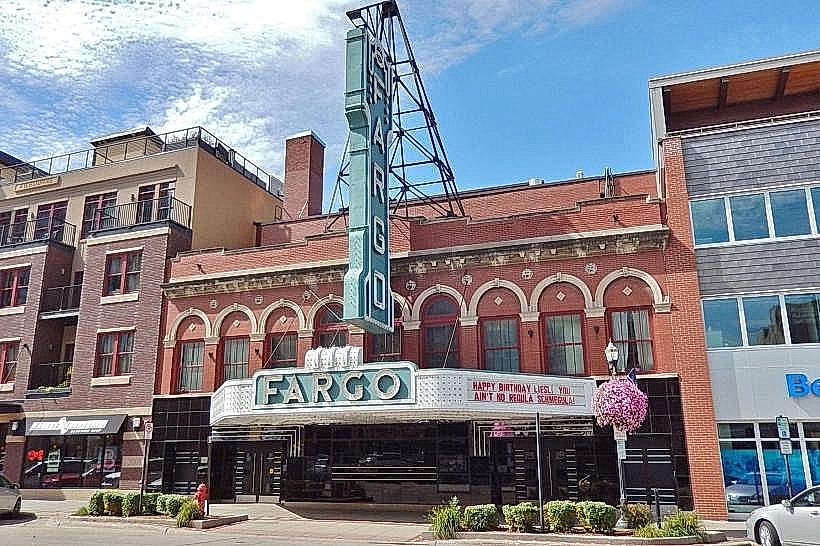
Downtown Fargo: The cultural heart; a revitalized district featuring the iconic Fargo Theatre, Broadway Square, and high-density independent retail.
NDSU / University District: Located north of downtown, dominated by the North Dakota State University campus and the Fargodome.
West Acres Area: The primary retail and hospitality hub on the city's western edge, centered on the region's largest shopping mall.
South Fargo: A high-growth residential and medical corridor, home to the sprawling Sanford Medical Center and newer suburban developments.
Top City Landmarks
The Fargo Theatre: A meticulously restored 1926 Art Deco cinema and vaudeville house; home to the "Woodchip Marge" statue and a fully functional Wurlitzer organ.
Fargodome: An 18,700-seat indoor stadium; home to the NDSU Bison football team and a major venue for national concert tours.
Plains Art Museum: Housed in a historic International Harvester warehouse; the largest accredited museum in the region, focusing on regional and Native American art.
Red River Zoo: A 33-acre facility specializing in cold-climate species, including one of the world's most successful red panda breeding programs.
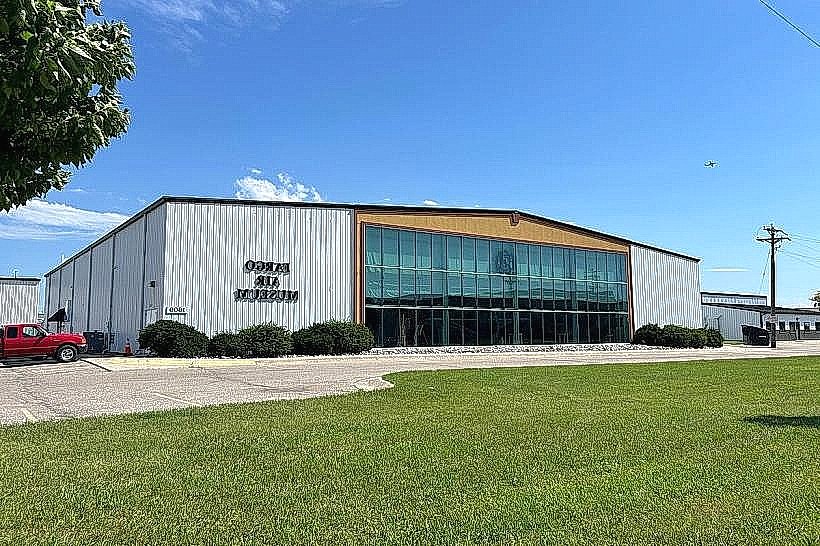
Fargo Air Museum: Located near the airport; features rotating exhibits of historic aircraft, including WWII fighters and modern unmanned drones.
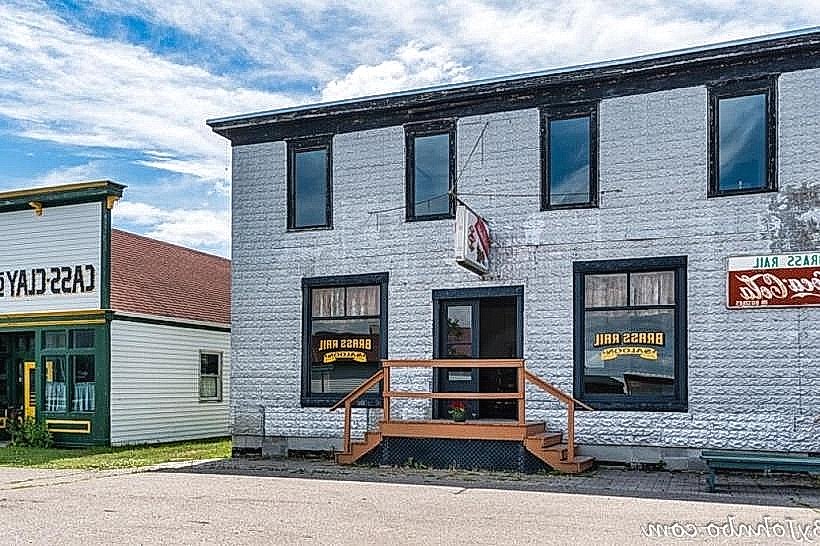
Bonanzaville, USA: (In West Fargo); a 12-acre pioneer village with 43 historic buildings documenting 19th-century prairie life.
Hjemkomst Center: (In Moorhead, MN); houses a full-scale Viking ship replica and a stave church, representing the region's Scandinavian heritage.
Transportation Network
Movement is automotive-centric with a robust interstate presence. The city is the junction of I-94 and I-29. Public transit is provided by MATBUS (Metropolitan Area Transit). Hector International Airport (FAR) serves as the primary air hub for the region, currently undergoing terminal expansions in 2026.
Safety & "Red Zones"
The general safety level is moderate to high. While violent crime remains below national averages, property crime is statistically higher than in smaller ND cities. There are no definitive "red zones," though standard awareness is advised in the Downtown and North Fargo areas after midnight. Environmental hazards include extreme winter blizzards and significant flood risk from the Red River (managed by the massive Fargo-Moorhead Area Diversion project).
Digital & Financial Infrastructure
Internet speeds are among the best in the Midwest, with pervasive 1–5 Gbps fiber availability via Midco and 702 Communications. Main mobile carriers are Verizon and AT&T. Card acceptance is universal. North Dakota has a low state income tax. Sales tax is 5% (state) plus 2% (city).
Climate & Air Quality
Temperatures range from -18°C to -4°C in winter and 16°C to 28°C in summer. Fargo is famous for its extreme wind chills and the "flat-land" wind effect. Air quality is consistently high.
Culture & Social Norms
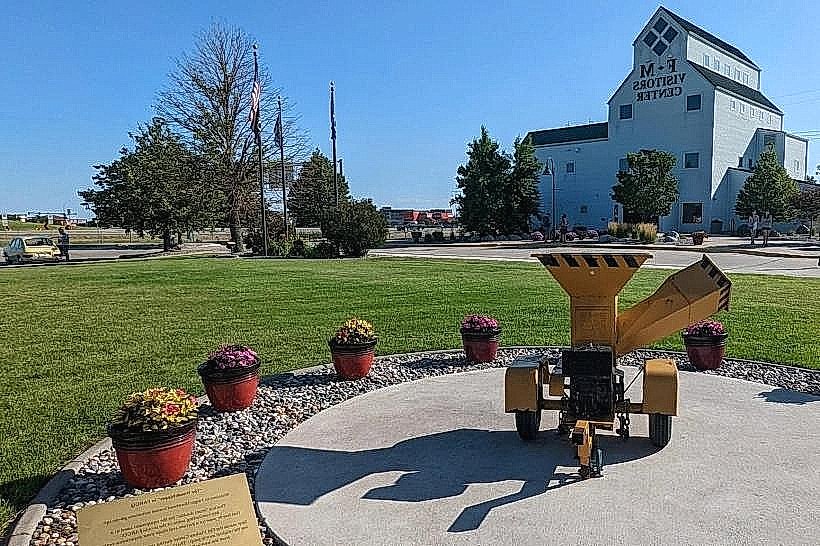
The standard tipping percentage is 20%. A "Warm-Midwestern" greeting is standard. Dress codes are "Functional-Casual." The city is culturally defined by Bison Football, its Nordic Heritage, and its self-deprecating humor regarding the 1996 film Fargo (the original "Woodchipper" prop is housed at the Visitors Center).
Local Cost Index
1 Espresso: $4.75 (USD)
1 Standard Lunch: $16.00 (USD)
1 Fargo Theatre Ticket: $10.00.
Nearby Day Trips
Itasca State Park, MN: (130 km east; the headwaters of the Mississippi River).
Detroit Lakes, MN: (75 km east; a major regional "cabin culture" and lake destination).
Fort Ransom State Park, ND: (120 km southwest; scenic valley hiking and history).
Facts & Legends
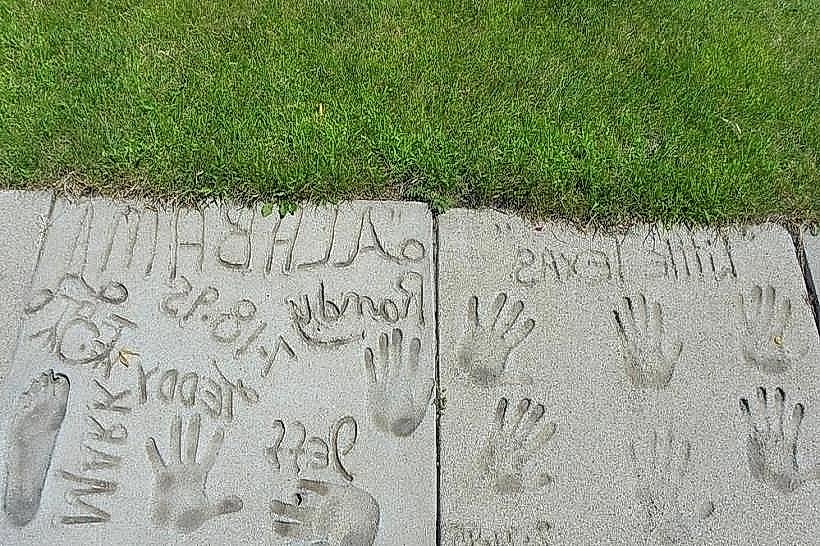
Fargo is the only city in the world where you can visit the Celebrity Walk of Fame at the Visitors Center to see handprints of over 100 celebrities ranging from Aerosmith to Bill Gates. Historically, the city was once the "Divorce Capital of the Midwest" in the late 1800s due to lenient state residency laws. A local legend involves the "Lindenwood Ghost," a figure said to be seen walking the trails of Lindenwood Park during the first frost of autumn. Another legend concerns the "Secret Underground Tunnels" beneath Broadway used for heating and illicit transit during the early 20th century.