Information
City: Grand MaraisCountry: USA Minnesota
Continent: North America
Grand Marais, USA Minnesota, North America
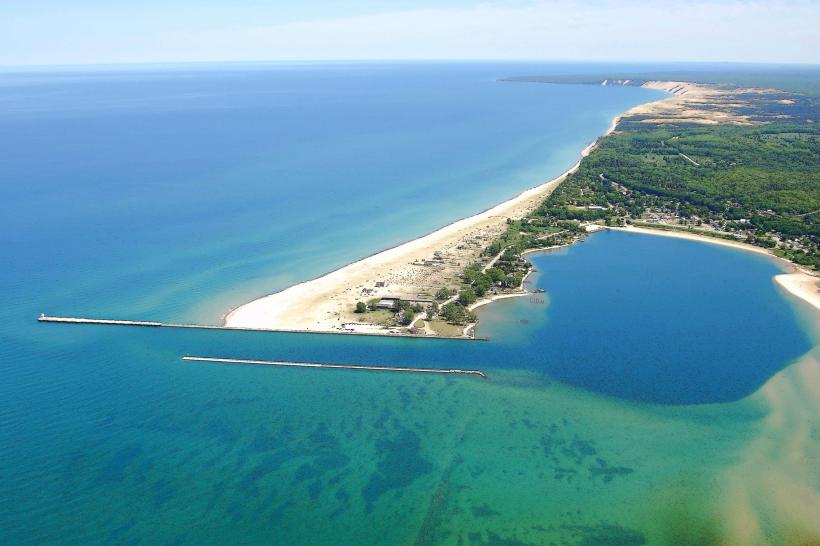
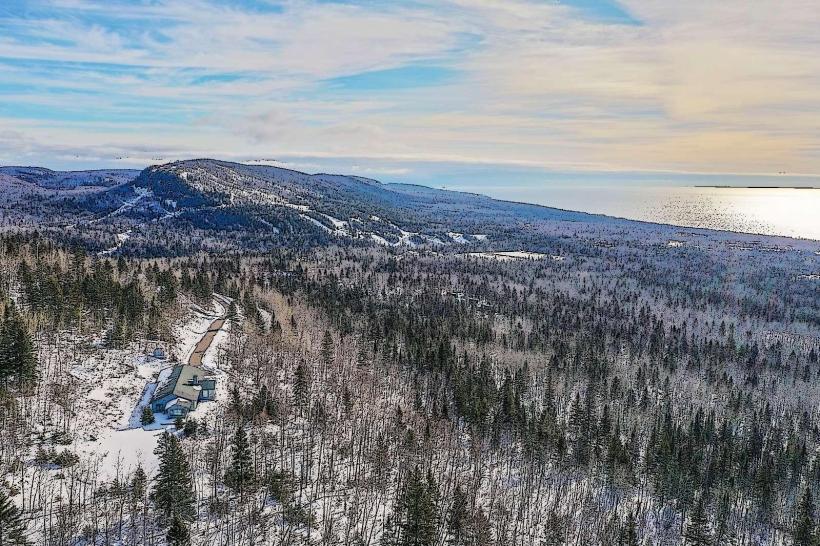
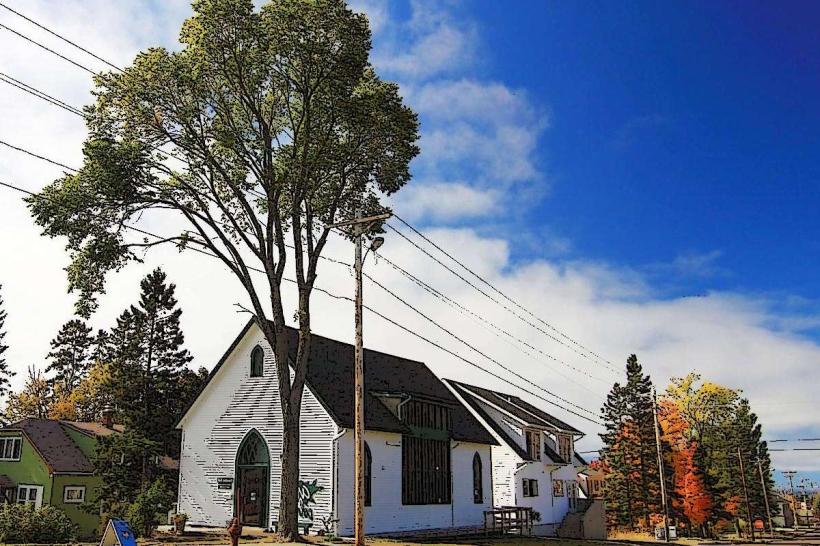
Grand Marais is an independent city and the seat of Cook County, situated on the North Shore of Lake Superior. It is the northernmost major settlement on Minnesota’s coast, defined by its world-class Arts Colony, its status as the gateway to the Gunflint Trail, and its harbor protected by a natural rock breakwall.
Historical Timeline
Inhabited by the Ojibwe (Gichi-bitobig). Primary governance began with its 19th-century establishment as a fur trading and commercial fishing outpost. A critical historical event was its 1903 incorporation and the subsequent development of the timber industry, which utilized the harbor for massive log booms. Following the decline of commercial fishing and logging, the city pivoted to a high-culture tourism model with the 1947 founding of the Grand Marais Art Colony. The 21st century has been characterized by its consistent ranking as "America's Coolest Small Town" and its emergence as a premier destination for "dark sky" astro-tourism.
Demographics & Population
The population is approximately 1,400. The demographics are White (91%), Indigenous (4%), and small Hispanic and Asian populations. The economy is exclusively driven by tourism, outdoor recreation, and the arts. It is the primary service hub for the entire 1.3 million-acre Superior National Forest region.
Urban Layout & Key Districts
The town is concentrated around a double harbor, with a strictly walkable commercial core.
The Harbor / Downtown: The central hub featuring independent galleries, the historic Coast Guard station, and the "World's Best Donuts" landmark.
The East Bay: A quieter residential area known for cobblestone beaches and views of the lighthouse.
The West Bay: Characterized by the recreational municipal campground and the harbor's primary entry point.
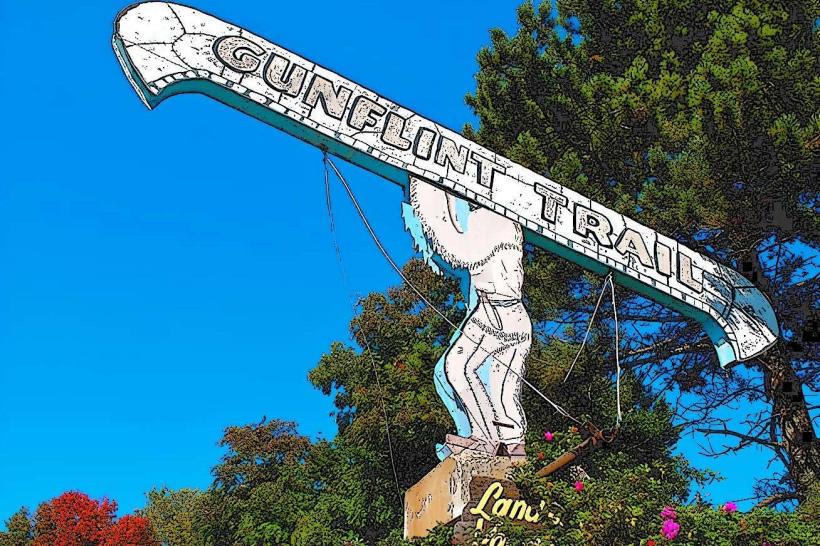
The Gunflint Gateway: The northern edge of town marking the start of County Road 12 (The Gunflint Trail), which extends 92 km into the wilderness.
Top City Landmarks
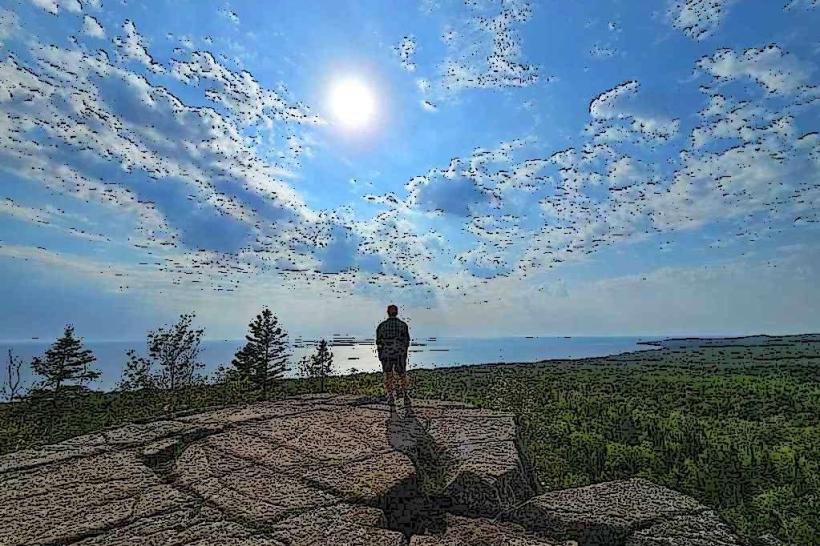
Artist’s Point: A scenic peninsula accessible by foot, featuring dramatic rock formations, a boreal forest, and panoramic Lake Superior views.
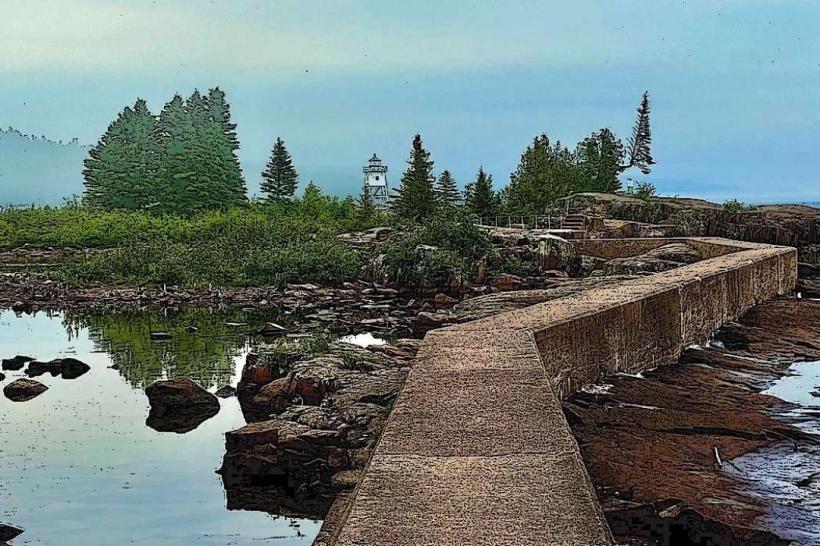
Grand Marais Lighthouse: A historic 1922 square pyramidal tower situated at the end of the harbor's stone breakwall.
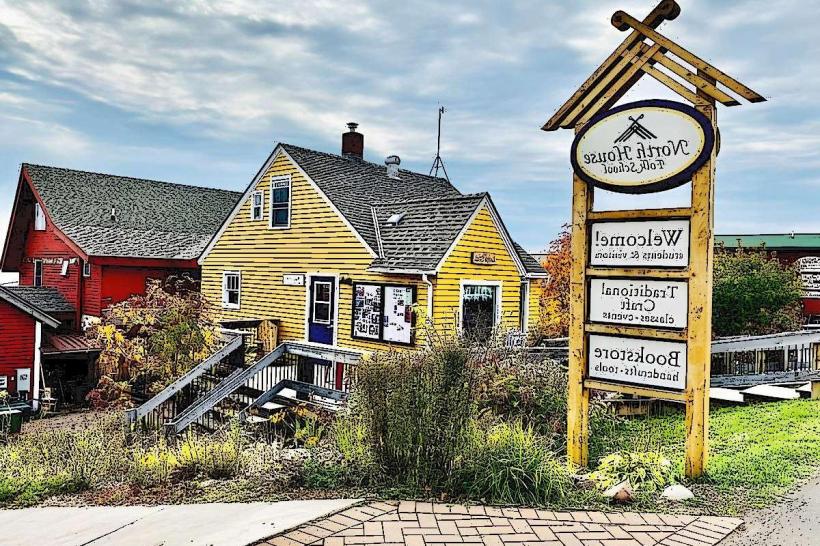
North House Folk School: A premier educational center dedicated to traditional northern crafts, from boat building to fiber arts.
The Gunflint Trail: A National Scenic Byway providing access to the Boundary Waters Canoe Area Wilderness (BWCAW).
Pincushion Mountain: Located 4 km north; offering the highest views of the harbor and extensive cross-country skiing and mountain bike trails.
Grand Marais Art Colony: The oldest art colony in Minnesota, offering public workshops and gallery space.
Transportation Network
Movement within town is strictly pedestrian or bicycle-oriented. The city is the northern terminus of the Gitchi-Gami State Trail. It is accessed via MN-61 (The North Shore Drive). Public transit is limited to regional Arrowhead Transit shuttles. Commercial air service is via Duluth International (DLH), 175 km south, or private aircraft via Grand Marais/Cook County Airport (CKC).
Safety & "Red Zones"
The general safety level is exceptionally high. Violent crime is statistically negligible. There are no "red zones." Environmental hazards include extreme Lake Superior gales, sub-zero winter temperatures, and dangerous wildlife (moose and black bears) on the Gunflint Trail. Cell service is non-existent in much of the surrounding wilderness.
Digital & Financial Infrastructure
Internet speeds average 300+ Mbps with fiber availability via Arrowhead Electric Cooperative. Main mobile carriers are Verizon and AT&T (signal is limited to the town core). Card acceptance is universal. ATMs are concentrated on Wisconsin Street and Highway 61.
Climate & Air Quality
Temperatures range from -18°C to -4°C in winter and 10°C to 21°C in summer. Due to the "Lake Effect," summer temperatures are often 10°C cooler than areas 5 km inland. Air quality is pristine; the region is a designated International Dark Sky area.
Culture & Social Norms
The standard tipping percentage is 20%. An "Eclectic-Northwoods" greeting is standard. Dress codes are "Boreal-Artisan" (wool layers, Birkenstocks, and technical hiking gear). The city is culturally defined by its Canoe Culture, its "End of the Road" independence, and its deep reverence for the Great Lakes maritime tradition.
Local Cost Index
1 Espresso: $4.50 (USD)
1 Standard Lunch: $19.00 (USD)
1 Boundary Waters Canoe Rental: $45.00–$60.00 (Daily).
Nearby Day Trips
Grand Portage National Monument: (55 km northeast; a reconstructed 18th-century fur trading post).
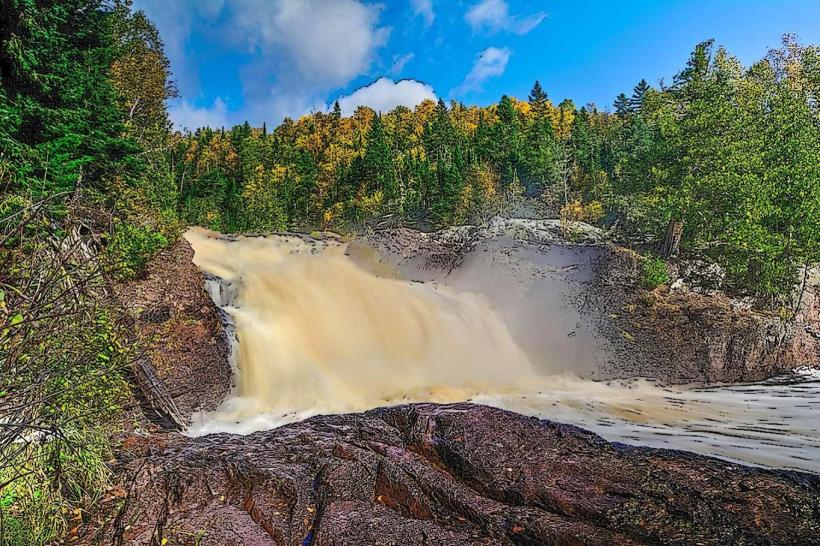
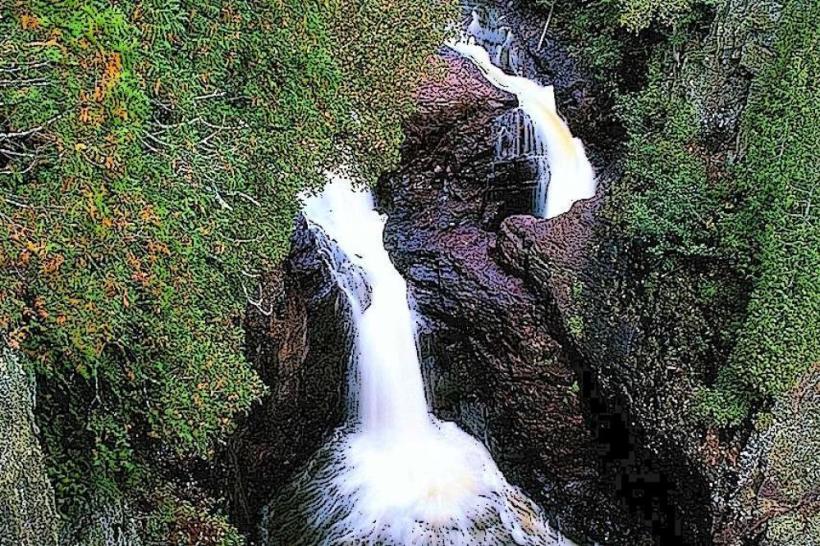
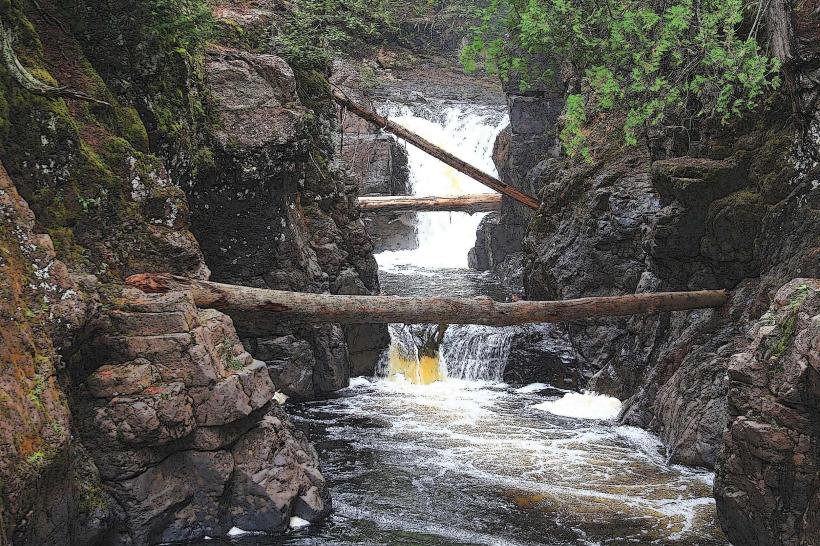
Judge C.R. Magney State Park: (25 km northeast; home to the "Devil's Kettle" waterfall).
Lutsen Mountains: (32 km south; the largest ski resort in the Midwest).
Facts & Legends
Grand Marais is the site where the "Devil's Kettle" waterfall famously sees half of the Brule River disappear into a pothole that baffled scientists for decades. Historically, it was the site of the first commercial radio station in the North Woods. A local legend involves the "Gunflint Glow," a specific atmospheric phenomenon seen in winter that is often mistaken for the Aurora Borealis. Another legend concerns the "Ghost of the Harbor," a spectral fisherman rumored to appear on the breakwall before the arrival of a "Northeaster" storm.