Information
Landmark: Judge C.R. Magney State ParkCity: Grand Marais
Country: USA Minnesota
Continent: North America
Judge C.R. Magney State Park, Grand Marais, USA Minnesota, North America
Judge C.R. Magney State Park – In Detail
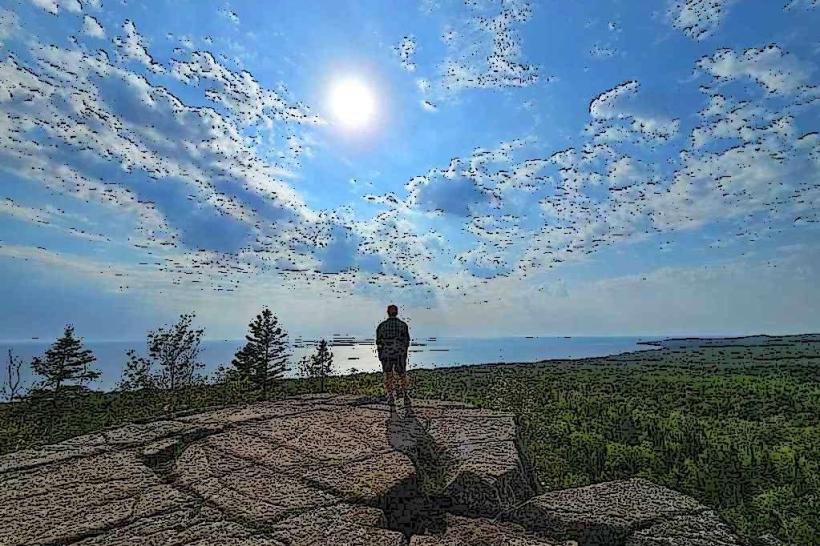
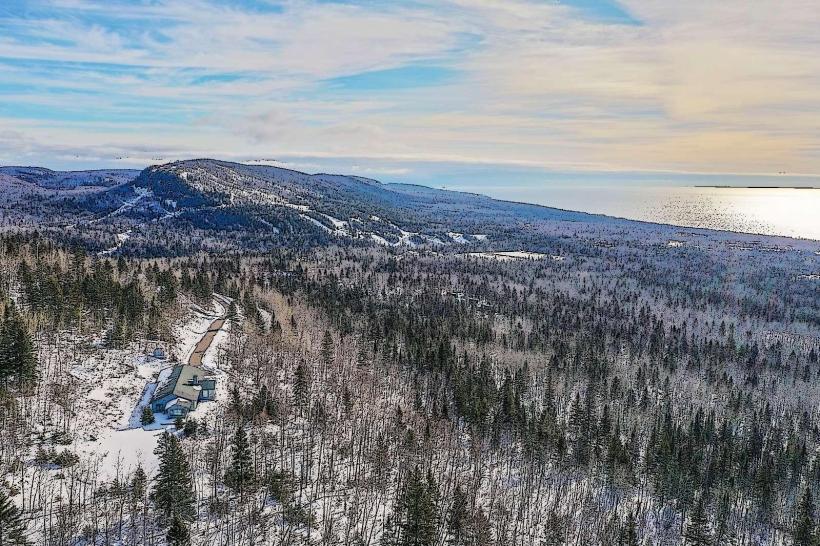
Judge C.R. Magney State Park, located along Minnesota's North Shore near Grand Marais, is one of the region’s most dramatic and mystifying landscapes. Known especially for the Devil’s Kettle Falls, the park blends natural spectacle with tranquil forests, remote solitude, and fascinating hydrological phenomena. The park stretches over 4,600 acres, encompassing sections of the Brule River, upland boreal woods, and rolling ridges formed by ancient volcanic activity.
Namesake and History
The park is named after Clarence R. Magney, a Minnesota Supreme Court Justice and a passionate advocate for public lands and park creation along the North Shore. His conservation work in the 20th century was instrumental in preserving the region’s natural beauty for public use.
Judge Magney envisioned spaces where people could experience the awe of nature without destroying its integrity. This park, established in 1957 and renamed in his honor in 1963, fulfills that legacy.
Devil’s Kettle – The Enigma
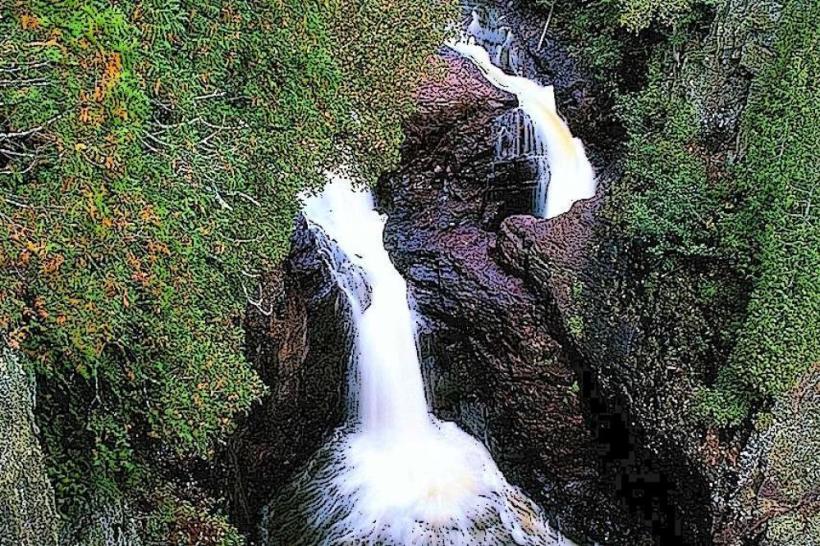
The park's most famous feature is the Devil’s Kettle Falls, where the Brule River splits in two as it cascades over a volcanic rock outcrop:
One half flows over a standard waterfall and continues downstream.
The other half drops into a deep, swirling hole-the Devil’s Kettle-and appears to vanish underground.
For decades, scientists and visitors puzzled over where that water went. Dye tests and GPS trackers had failed to reappear downstream. Eventually, hydrological studies confirmed that the water does rejoin the river, emerging about half a mile down, but the underground route remains inaccessible and mysterious, making Devil’s Kettle a signature curiosity.
Geography and Natural Environment
The park lies within the Superior Upland, a rugged landscape of:
Basaltic rock formations from ancient lava flows.
Deep ravines and river gorges carved by glacial meltwater.
Mixed coniferous and deciduous forests dominated by spruce, cedar, birch, and maple.
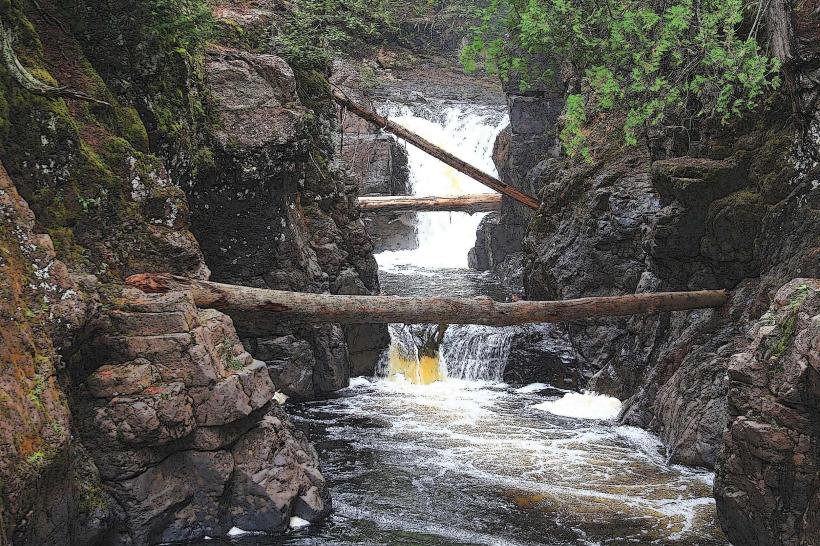
The Brule River is a central feature, flowing through the park’s length and forming multiple waterfalls, pools, and rapids. Wildlife includes:
Moose, white-tailed deer, and black bears.
Smaller animals like pine martens, snowshoe hares, and red squirrels.
Birdlife such as pileated woodpeckers, warblers, and ravens.
Hiking and Trails
Main Trail (to Devil’s Kettle):
Length: 2.25 miles round-trip.
Elevation gain: Moderate; includes 200+ wooden stairs.
Surface: Dirt, gravel, and staircases.
Time: ~1.5 hours round trip, depending on pace and stops.
The trail to the falls is well-marked and passes through lush forest and scenic overlooks before reaching the wooden platform at Devil’s Kettle. Along the way, visitors cross footbridges and follow the Brule’s cascading descent. The trail is especially stunning in autumn, when the forest blazes with orange and red foliage.
Other Trails:
A small spur trail leads to Upper Falls, a gentler cascade above Devil’s Kettle.
Backcountry paths connect to North Shore hiking routes, offering opportunities for more rugged exploration.
Camping and Visitor Amenities
The park offers 27 drive-in campsites, many shaded by tall pine and birch. These sites are rustic but peaceful, well-suited for tent campers and small RVs. Facilities include:
Vault toilets.
Drinking water (seasonal).
Fire rings and picnic tables.
A trail center and map station near the parking lot.
There are no showers or electricity, making this a more primitive and nature-immersive camping experience. Most visitors value the quiet atmosphere, often hearing owls or the Brule River at night.
Seasonal Highlights
Spring: Swollen river flows with snowmelt; waterfalls at peak power.
Summer: Lush greenery, vibrant ferns, and abundant wildflowers.
Fall: Spectacular foliage; cool, crisp air ideal for hiking.
Winter: While not maintained for winter hiking, hardy visitors snowshoe in and enjoy a stark, peaceful landscape.
Conservation and Park Management
Judge C.R. Magney State Park is managed by the Minnesota Department of Natural Resources (DNR) and is designated for minimal development to maintain a wilderness character. The Brule River corridor is protected from logging and other extractive uses.
Visitors are encouraged to follow Leave No Trace principles:
Stay on trails to prevent erosion.
Pack out trash and avoid feeding wildlife.
Respect the mystery and delicate geology of the Devil’s Kettle area.
Practical Tips
Footwear: Hiking boots recommended-trail can be slick or muddy.
Best time to visit: Fall for foliage, spring for waterfalls.
Bug season: Mosquitoes and black flies are active in early summer; bring repellent.
Cell signal: Very limited-download maps before arrival.
Pet policy: Dogs allowed on leash.
Parking: Available at the trailhead with an information kiosk.
Summary
Judge C.R. Magney State Park is a place of deep natural mystery, raw beauty, and quiet immersion in Northwoods wilderness. Anchored by the unique Devil’s Kettle, the park draws hikers, nature lovers, and curiosity seekers alike. It’s a must-stop on any journey along the North Shore, offering just the right blend of accessibility and off-the-beaten-path appeal.