Information
City: HonoluluCountry: USA Hawaii
Continent: North America
Honolulu, USA Hawaii, North America
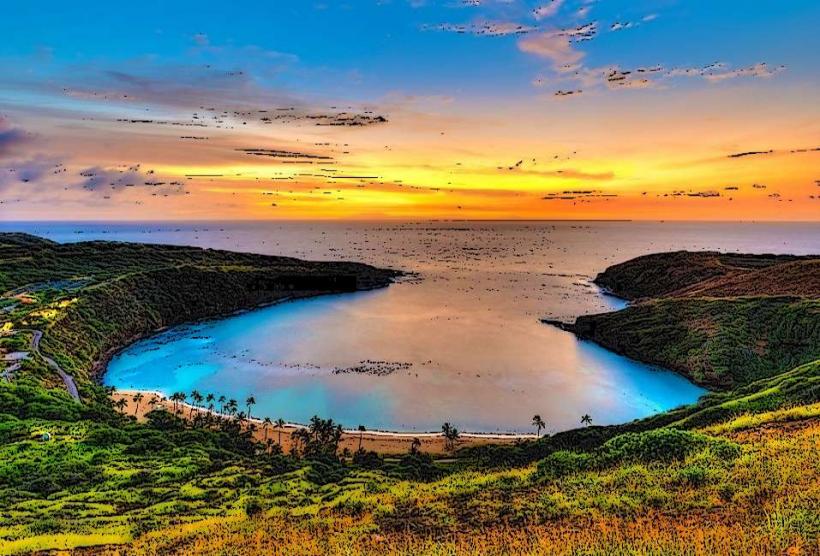
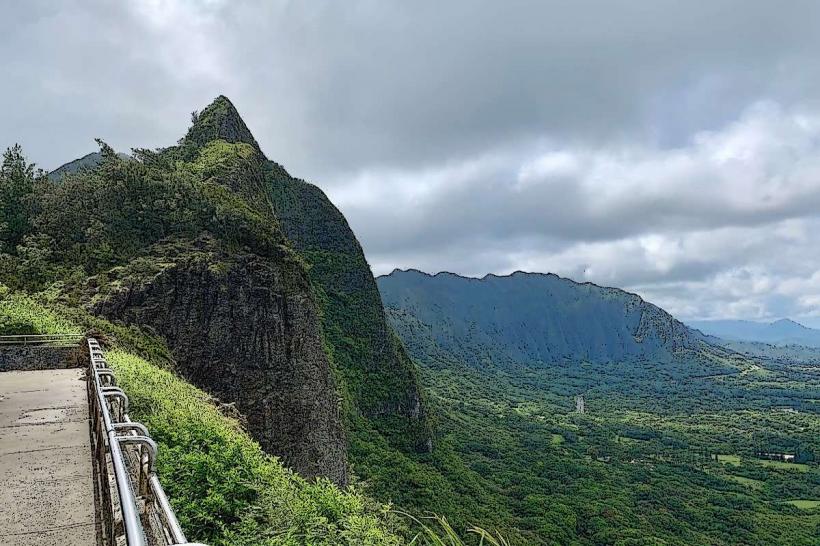
Honolulu serves as the primary gateway to the Hawaiian archipelago and functions as a critical trans-Pacific hub for international commerce, military defense, and tourism. The city is situated on the southeast coast of the island of Oʻahu, positioned between the Pacific Ocean and the volcanic ridges of the Koʻolau Range.
Historical Timeline
Honolulu was established as a village in the late 11th century, with the first foreign ship entering its deep-water harbor in 1794. Primary eras of governance include the Hawaiian Kingdom (1795–1893), the Republic of Hawaii (1894–1898), and the U.S. Territorial period (1900–1959) following annexation. The city underwent significant political and physical reconstruction after the 1893 overthrow of the monarchy and the 1941 attack on Pearl Harbor. The primary event that shaped the current urban form was the post-WWII development boom and the 1959 attainment of U.S. statehood, which triggered high-rise urbanization in Waikiki and the downtown corridor.
Demographics & Population
The city of Honolulu has a population of approximately 346,000, while the consolidated City and County of Honolulu (the entire island of Oʻahu) exceeds 1,000,000. The top three demographics are Asian (52.4%), White (15.8%), and Two or More Races (14.5%). The median age is 42.9 years.
Urban Layout & Key Districts
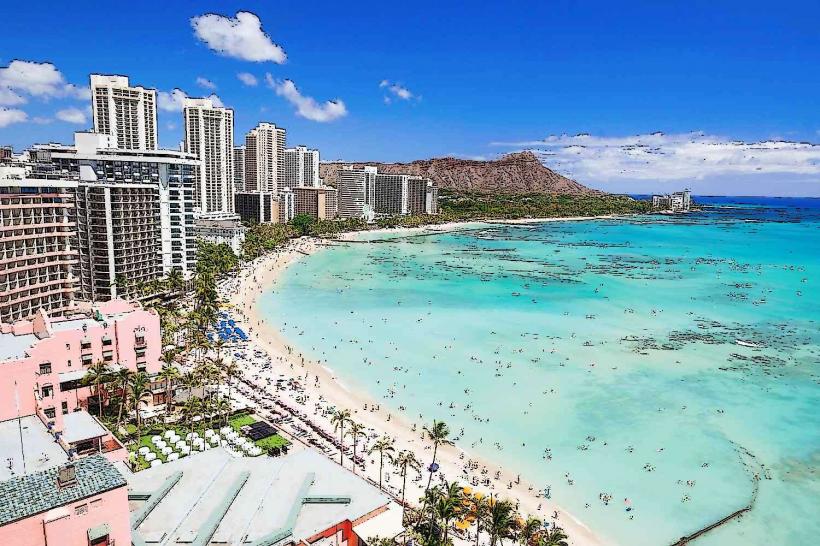
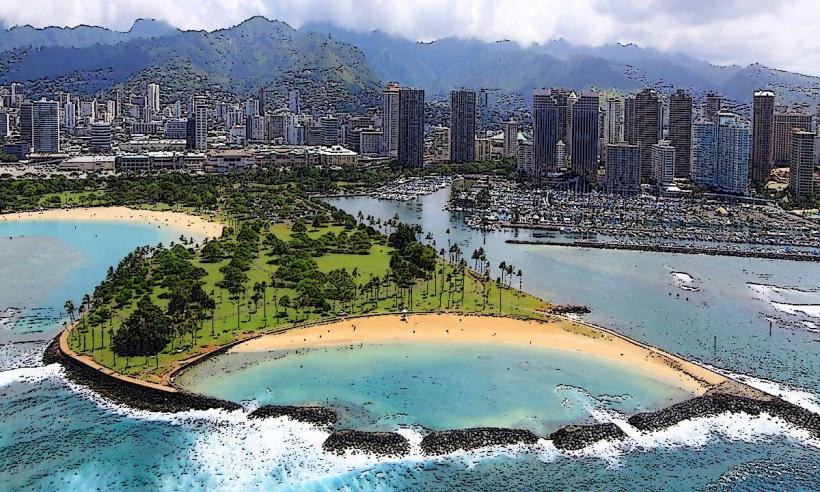
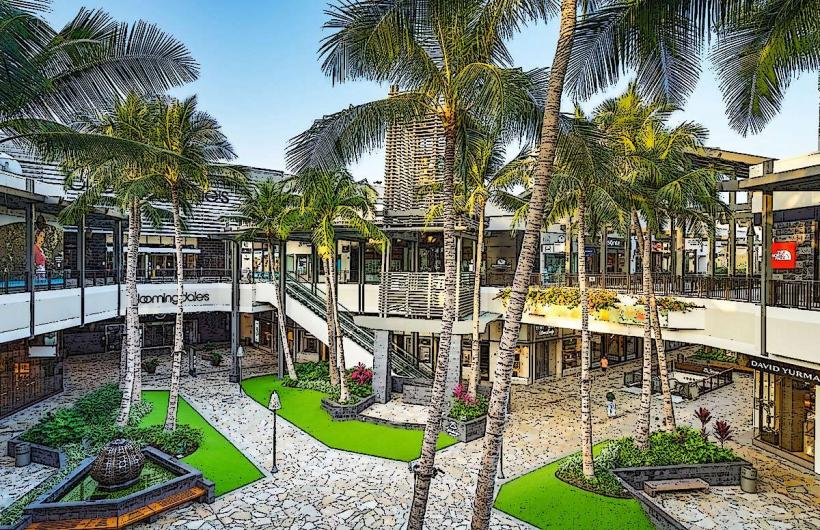
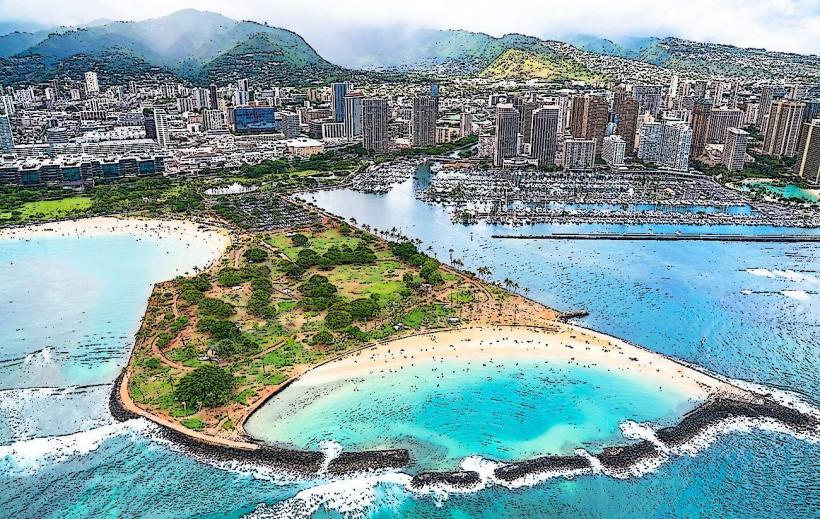
The city is organized linearly along the coastline, bound by mountains to the North and the Pacific to the South. Downtown is the financial and governmental hub (Central). Waikiki is the primary tourism district, located to the East of the center. Kakaʻako is a redeveloped industrial-residential zone situated between Downtown and Waikiki. Ala Moana serves as the retail core, positioned West of Waikiki.
Top City Landmarks
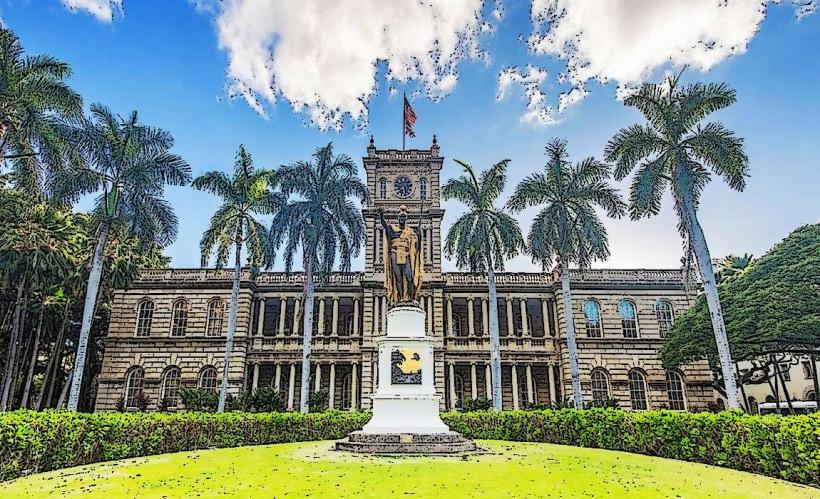
ʻIolani Palace (The only royal palace in the United States)
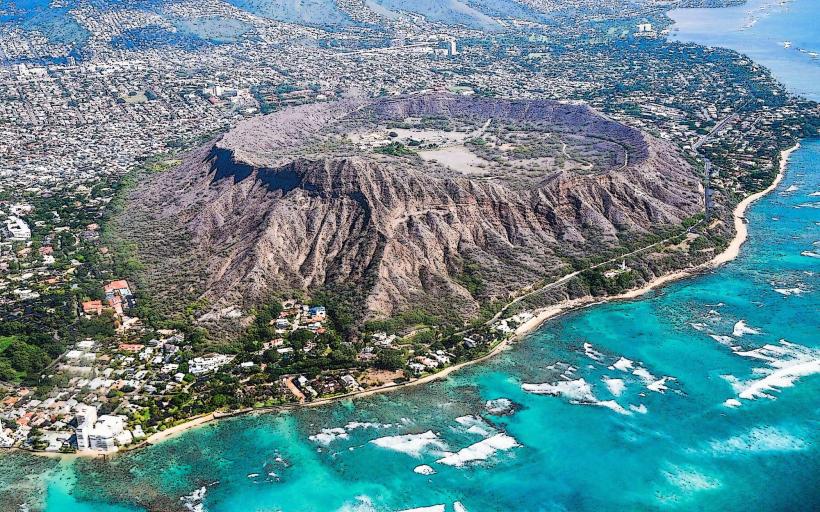
Diamond Head State Monument (Lēʻahi)
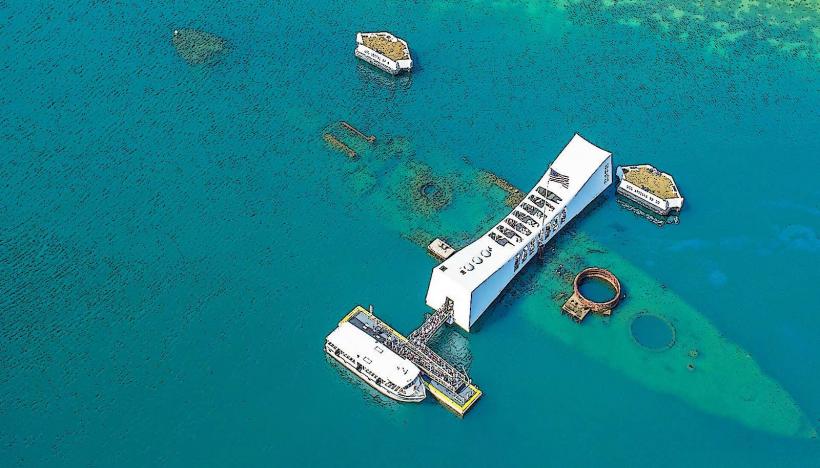
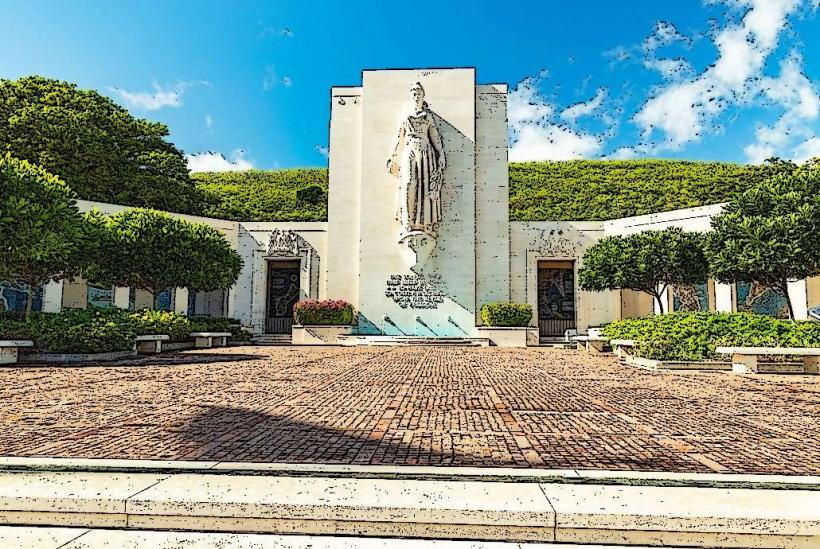
Pearl Harbor National Memorial (USS Arizona)
Aloha Tower
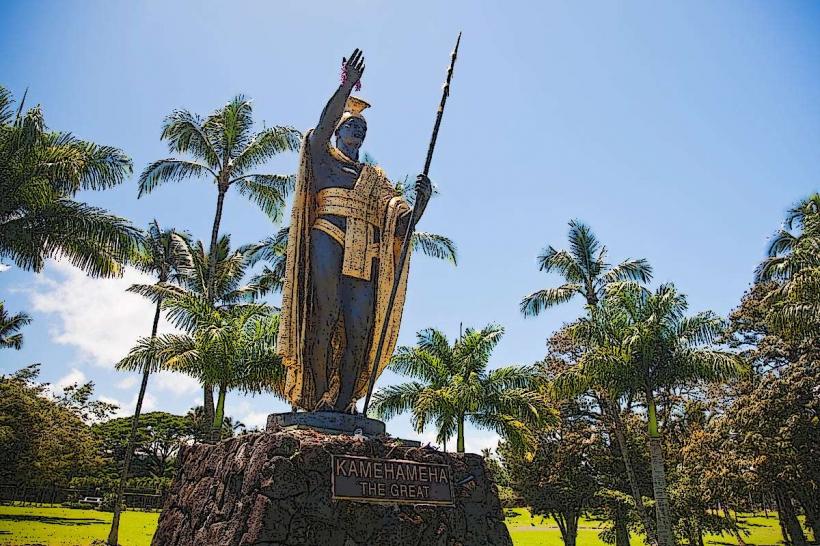
King Kamehameha I Statue
Transportation Network
Internal movement relies on TheBus, a high-frequency public bus system. The Skyline is the city's new driverless light metro; Segment 2 (connecting the airport to Middle Street) opened in October 2025. Ride-sharing via Uber and Lyft is widespread. Official taxis are typically white or silver and must be hailed via phone or at hotel stands. Traffic density is among the highest in the U.S., particularly on the H-1 Freeway during "Mauka" (inland) and "Makai" (seaward) commutes.
Safety & "Red Zones"
Honolulu is generally safe for travelers. Avoid Chinatown and parts of Hotel Street late at night due to higher rates of property crime and vagrancy. Waianae and parts of the Leeward Coast have higher-than-average crime rates and should be visited with caution. Common scams involve "free" lei greetings that demand payment or unlicensed tour operators in Waikiki.
Digital & Financial Infrastructure
Internet speeds average 250–500 Mbps. Main mobile carriers include Verizon, T-Mobile, and AT&T. Card acceptance is nearly universal, with high adoption of contactless payments (Apple Pay/Google Pay). ATMs are abundant in commercial areas and hotel lobbies.
Climate & Air Quality
Temperatures range from 19°C–25°C in winter and 24°C–31°C in summer. Air quality is consistently high due to trade winds (The "Vog"-volcanic smog from the Big Island-occasionally impacts visibility). Significant weather risks include the Pacific hurricane season (June–November) and flash flooding during heavy winter rains.
Culture & Social Norms
The standard tipping rate is 18–22%. Greetings involve a handshake in business or a "Shaka" gesture in casual settings. Dress is "Aloha Wear" (casual/business casual) even in professional settings. Smoking is prohibited in all public parks, beaches, and within 20 feet of public entrances. Alcohol must be consumed in licensed premises; open containers on streets or beaches are illegal.
Accommodation Zones
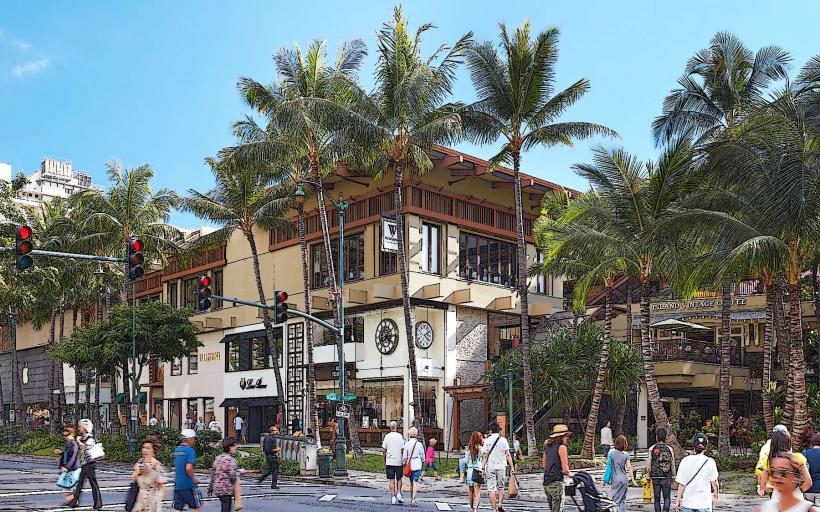
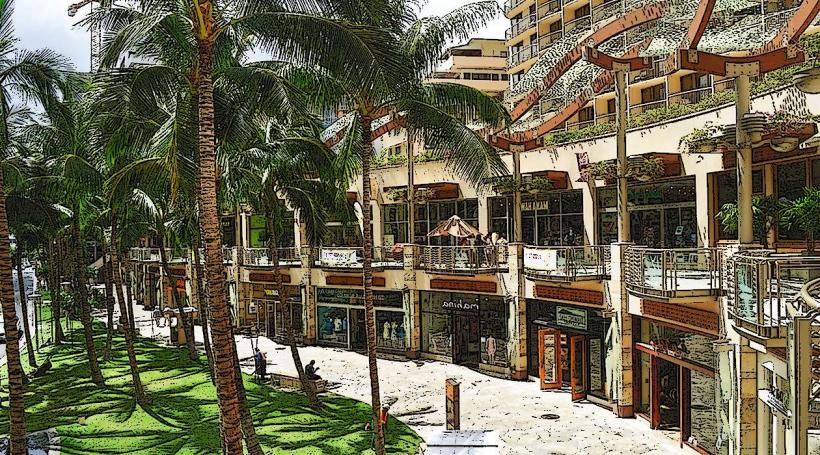
Waikiki: Stay here for maximum walkability to dining, shops, and tour departures.
Kahala: Stay here for an upscale, quiet residential environment removed from the high-density tourist corridor.
Local Cost Index
1 Espresso: $6.50 (925 HTG)
1 Standard Lunch (Plate Lunch): $18.00 (2,560 HTG)
1 Metro/Bus Ticket: $3.00 (425 HTG)
Nearby Day Trips
North Shore (Haleiwa): 48 km (1 hour), world-class surfing and shrimp trucks.
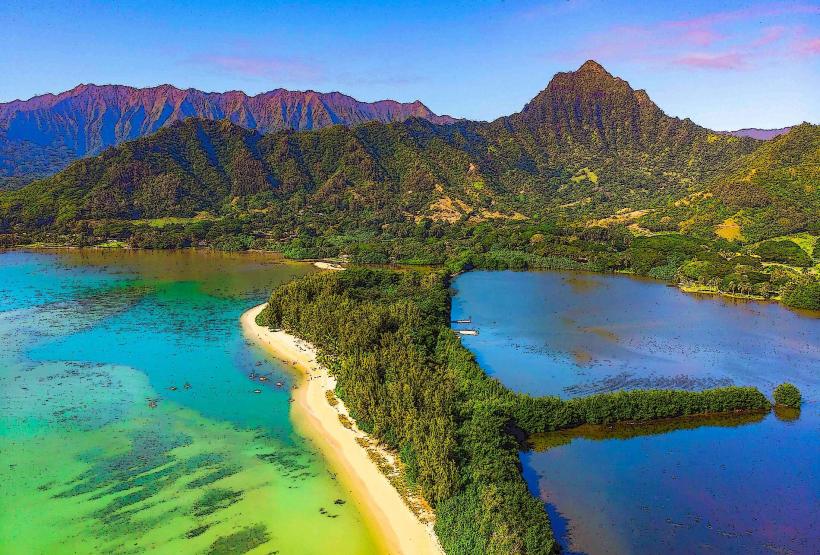
Kualoa Ranch: 38 km (45 minutes), nature reserve and film filming location.
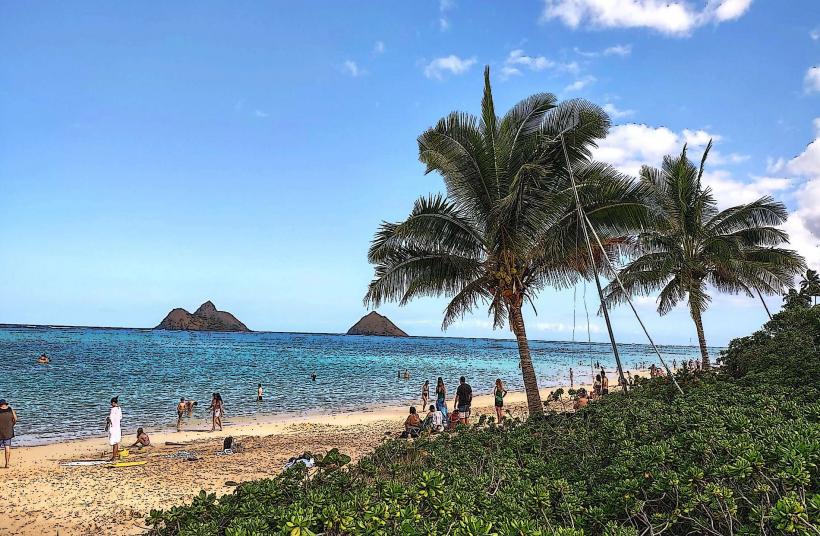
Kailua/Lanikai Beach: 21 km (30 minutes), top-rated beaches and turquoise waters.
Facts & Legends
Honolulu is the subject of the "Night Marchers" (Huaka'i Pō) legend-ghostly processions of ancient Hawaiian warriors. Local urban legend dictates that travelers should never carry pork over the Nuʻuanu Pali Highway; doing so is said to anger the fire goddess Pele, causing the vehicle to stall or encounter supernatural obstacles until the pork is discarded.