Information
City: HuronCountry: USA South Dakota
Continent: North America
Huron, USA South Dakota, North America
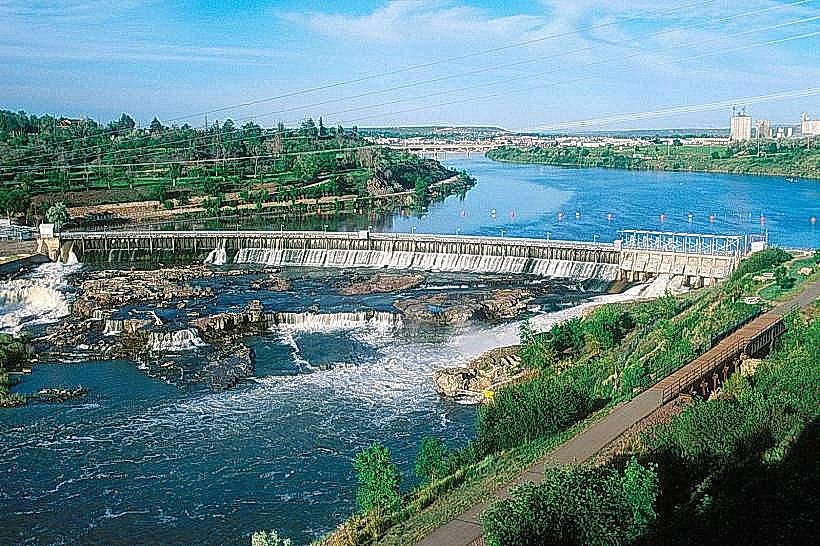
Huron is an incorporated city and the seat of Beadle County, situated in east-central South Dakota along the James River. Known as the "Fair City" and the birthplace of the World's Largest Pheasant, it is defined by its agricultural roots, its role as the permanent home of the South Dakota State Fair, and a diverse, growing population fueled by its robust food processing industry.
Historical Timeline
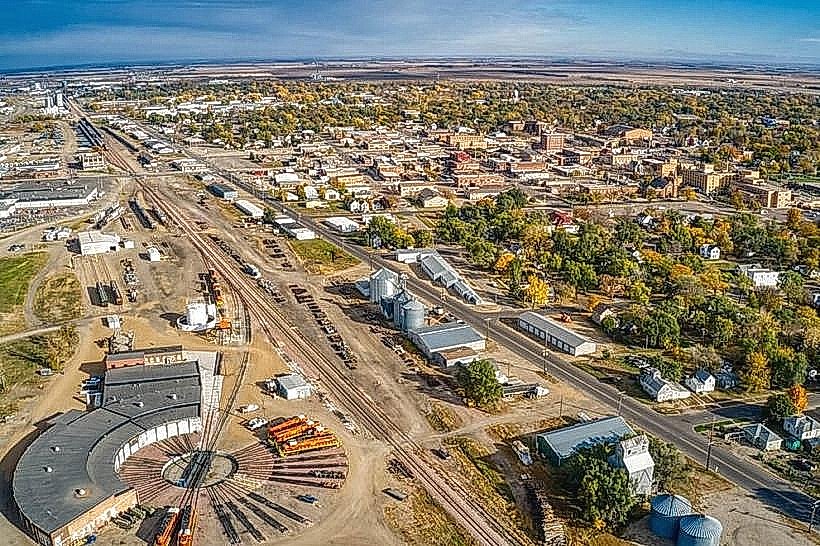
Inhabited by the Huron (Wyandot) and later the Dakota Sioux. Founded in 1880 as the division headquarters for the Chicago and North Western Railway. A critical historical event occurred between 1880 and 1904, when Huron was a top contender for the South Dakota state capital, ultimately losing the designation to Pierre. In 1885, the city hosted the first South Dakota State Fair, which became its permanent home in 1905. In the 21st century, the city has transformed into one of the most ethnically diverse communities in the state, largely due to a significant influx of Karen refugees from Myanmar.
Demographics & Population
The 2026 population is approximately 14,500. The demographics are White (63%), Hispanic or Latino (18%), and Asian (12%-primarily Karen). Huron is ranked as the #1 Most Diverse Place in South Dakota. The economy is driven by Manufacturing (protein processing), healthcare (Huron Regional Medical Center), and agriculture.
Urban Layout & Key Districts
Huron is organized on a classic rail-town grid bisected by the James River.
Main Street / Downtown: A historic commercial core featuring a mix of traditional retailers, diverse ethnic markets, and historic architecture.
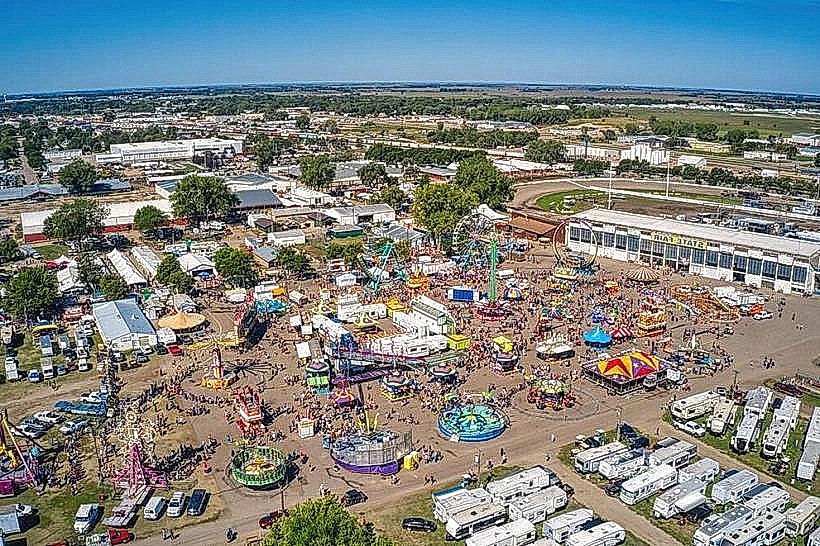
State Fairgrounds: A massive 150-acre complex on the city's west side that serves as the cultural and economic epicenter during the late summer.
James River Greenway: A recreational corridor along the river featuring parks and fishing access points.
The "Industrial Park" Zone: Located on the southern and eastern edges, housing the city’s major employers like Dakota Provisions and Trussbilt.
Top City Landmarks
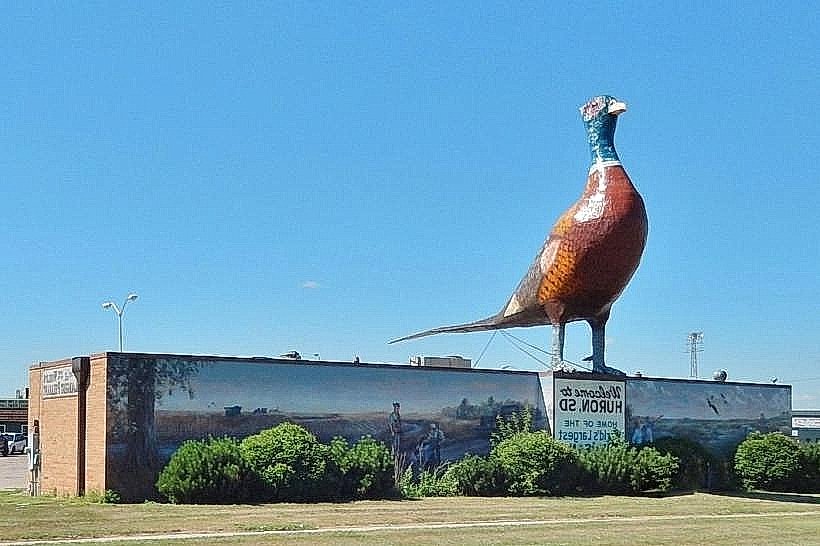
The World’s Largest Pheasant: A 22-ton, 40-foot-tall fiberglass and steel statue located on Highway 14, symbolizing the region's premier pheasant hunting.
South Dakota State Fairgrounds: Home to the state's largest annual event, featuring the Freedom Stage and multiple historic grandstands.
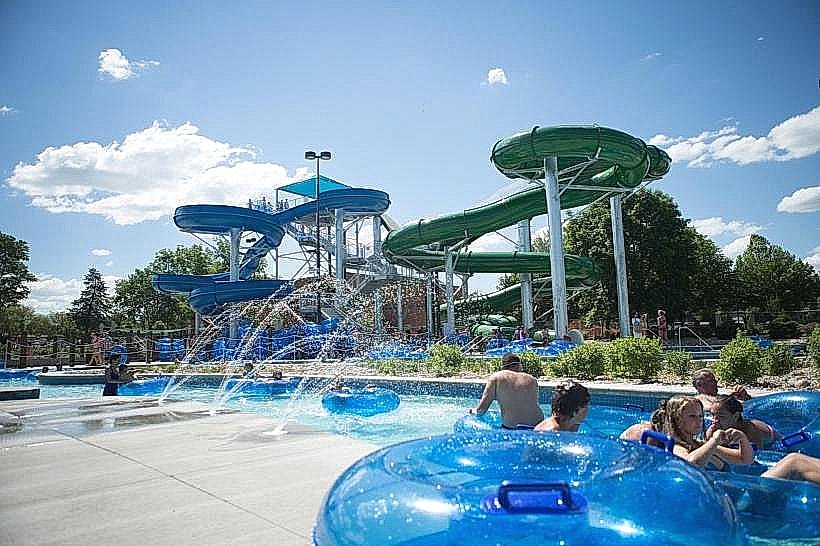
Splash Central Waterpark: A modern municipal facility featuring a master blaster water coaster and lazy river.
Ravine Lake Park: A 30-acre lake within the city offering a beach, miniature golf, and a handicapped-accessible fishing pier.
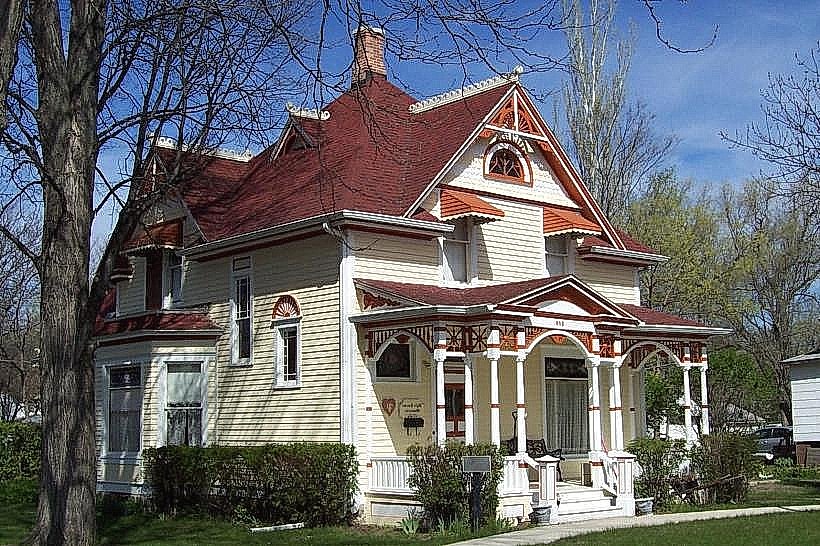
The Pyle House: The 1894 Victorian home of Gladys Pyle, the first woman elected to the South Dakota State Legislature and the first Republican woman in the U.S. Senate.
Maga Ta-Hohpi: A Waterfowl Production Area providing significant bird-watching and nature photography opportunities just outside the city.
Transportation Network
Movement is automotive-centric. The city is a major junction for US-14 and SD-37. Public transit is provided by People’s Transit (on-demand). Commercial air service is via Huron Regional (HON), which offers essential air service to hubs like Denver.
Safety & "Red Zones"
The general safety level is moderate. While residents generally feel safe, the city has a property crime rate higher than the national average, typical for its role as a regional hub. There are no definitive "red zones," but awareness is advised in the Downtown area during late-night hours. Environmental hazards include extreme winter blizzards, high-velocity prairie winds, and seasonal flooding of the James River.
Digital & Financial Infrastructure
Internet speeds average 300–600 Mbps with fiber availability via Midco and Santel Communications. Main mobile carriers are Verizon and AT&T. Card acceptance is universal. South Dakota has no state income tax. Sales tax is 4.2% (plus 2% city tax).
Climate & Air Quality
Temperatures range from -13°C to -2°C in winter and 18°C to 32°C in summer. The area is prone to high humidity and severe summer thunderstorms. Air quality is consistently high.
Culture & Social Norms
The standard tipping percentage is 20%. A "No-Nonsense Midwestern" greeting is standard. Dress codes are "Work-Casual." The city is culturally defined by the Karen New Year, its Ringneck Pheasant season, and its identity as the "State Fair City."
Local Cost Index
1 Espresso: $4.25 (USD)
1 Standard Lunch: $14.00 (USD)
1 State Fair Admission: $10.00 (Daily).
Nearby Day Trips
Mitchell, SD: (85 km south; home of the Corn Palace).
Lake Byron: (25 km northeast; a premier trophy walleye fishing lake).
De Smet, SD: (55 km east; home of the Laura Ingalls Wilder historic sites).
Facts & Legends
Huron was the birthplace of Cheryl Ladd (Charlie’s Angels) and served as the political base for Hubert H. Humphrey, the 38th Vice President of the United States. Historically, it was the site of a fierce "Capital Fight" where residents offered free land and infrastructure to lure the state government. A local legend involves the "Phantom of the Fairgrounds," a figure said to be seen near the grandstands during the quietest nights of the off-season. Another legend concerns "Railroad Gold" buried along the James River by workers during the 1880 expansion.