Information
City: KauaiCountry: USA Hawaii
Continent: North America
Kauai, USA Hawaii, North America
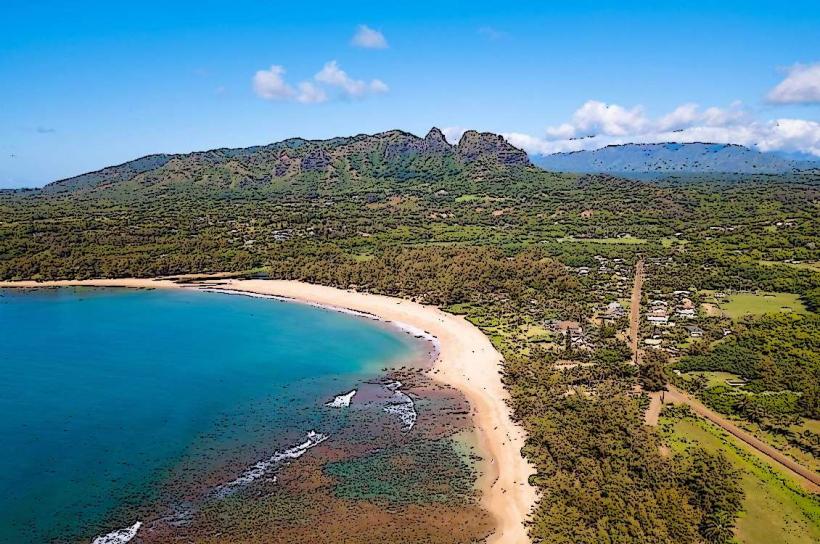
Kauaʻi serves as the administrative seat of Kauaʻi County and functions as a critical center for diversified agriculture, renewable energy research, and specialized ecotourism. The island is the oldest and northernmost in the main Hawaiian chain, situated approximately 170 kilometers northwest of Oʻahu across the Kaieiewaho Channel.
Historical Timeline
Kauaʻi was settled by Marquesan voyagers around 600 CE, followed by Tahitian settlers in 1200 CE. Primary eras of governance include the Separate Kingdom era, during which it remained independent of King Kamehameha I’s unification until a negotiated agreement in 1810, and the U.S. Territorial period (1900–1959). The city of Līhuʻe emerged as the administrative heart in the mid-19th century following the establishment of the Līhuʻe Plantation in 1849. The primary event shaping the current urban form was Hurricane Iniki in 1992, which caused nearly $3 billion in damage and triggered a total reconstruction of the island's resort infrastructure and building codes.
Demographics & Population
The total population of Kauaʻi is approximately 73,600. The top three demographics are Asian (29%), White (29%), and Multiracial (20.5%), with Native Hawaiians and Pacific Islanders constituting 9.5%. The median age is 42.7 years.
Urban Layout & Key Districts
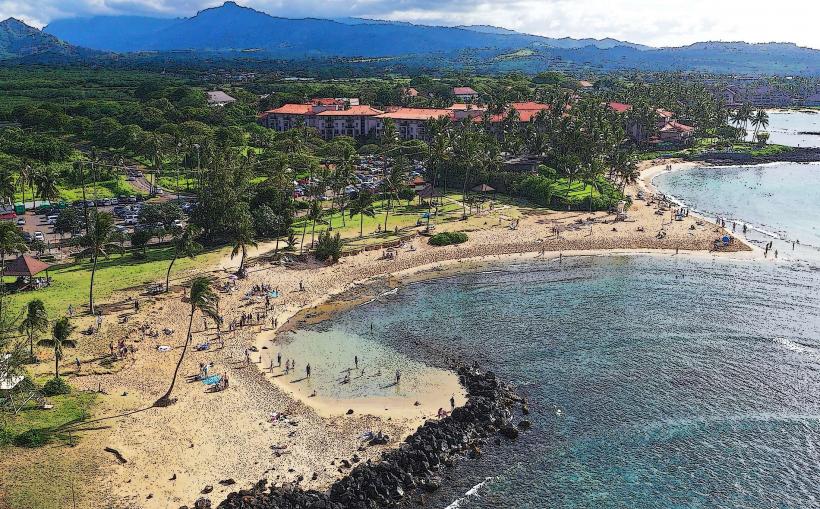
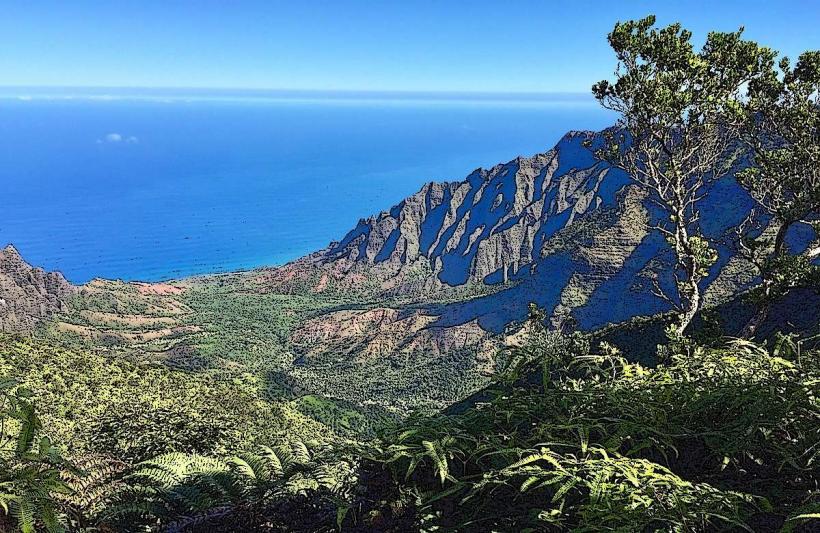
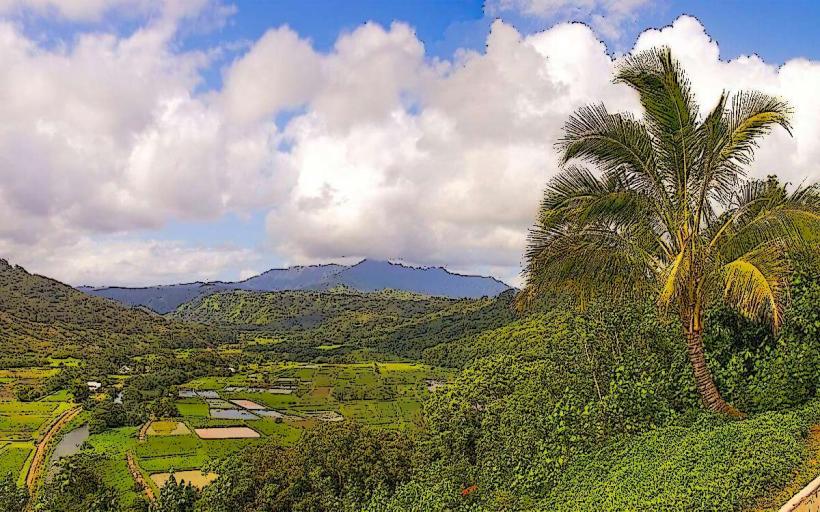
The island is organized around a single main highway (Route 56/50) that encircles three-quarters of the perimeter; the rugged Nā Pali Coast prevents a full circumnavigation. Līhuʻe (East) is the government and commercial center. Poʻipū/Kōloa (South) is the primary sun-heavy resort district. Hanalei/Princeville (North) serves as the upscale residential and scenic hub. Waimea (West) is the historic industrial and canyon access point.
Top City Landmarks
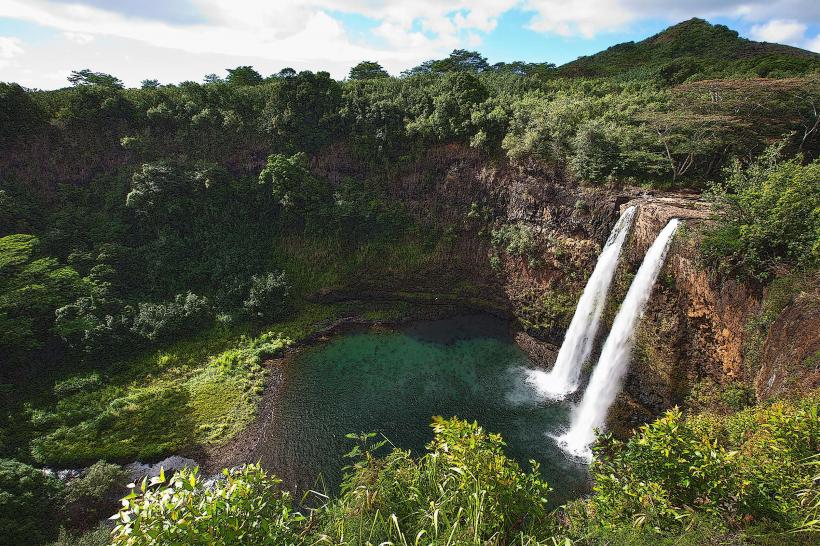
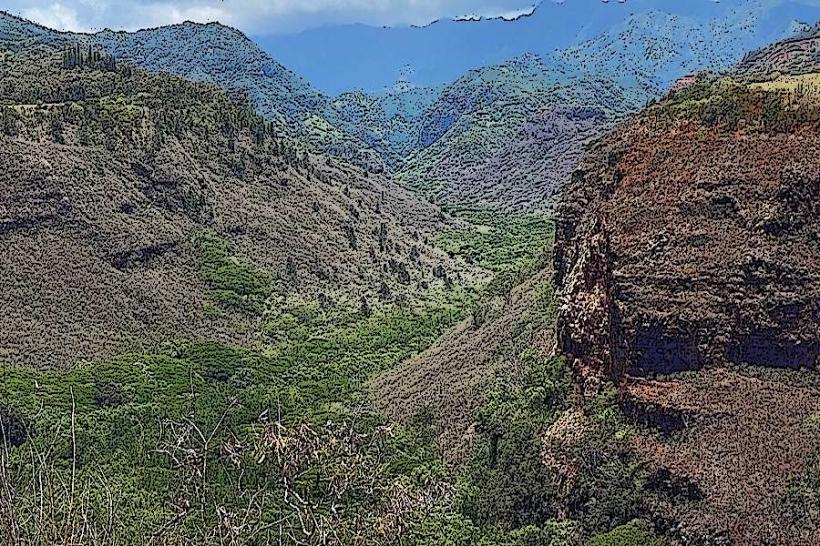
Waimea Canyon ("The Grand Canyon of the Pacific")
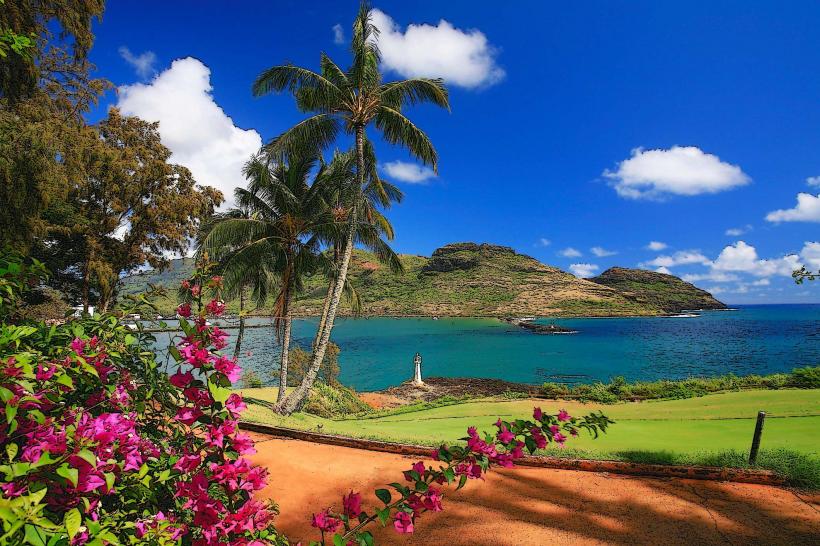
Kīlauea Lighthouse and National Wildlife Refuge
Alekoko (Menehune) Fishpond
Russian Fort Elizabeth (Pāʻulaʻula) State Historical Park
Transportation Network
Movement within Kauaʻi relies on The Kauaʻi Bus, which operates mainline routes from Kekaha to Hanalei. There are no metro or tram lines. Ride-sharing via Uber and Lyft is concentrated in Līhuʻe and Poʻipū but sparse in rural areas. Official taxis do not have a specific color but are identifiable by company logos (e.g., Kauaʻi Taxi Company). Traffic density is severe at the "Wailua Crawl," the bottleneck on the East Side during morning and afternoon commute hours.
Safety & "Red Zones"
Kauaʻi is generally safe, though property theft from rental cars at trailheads is frequent. Avoid the local bar scene in Kapaʻa late at night due to occasional friction between residents and transients. The "Red Zone" for physical safety is the Kalalau Trail during heavy rain; flash floods and narrow ledges present high mortality risks. Common scams involve unlicensed boat tours claiming access to the Nā Pali Coast without legal permits.
Digital & Financial Infrastructure
Internet speeds average 200–400 Mbps in developed areas like Līhuʻe and Princeville. Main mobile carriers include Verizon, T-Mobile, and AT&T. Card acceptance is high in towns, but "cash only" signs are common at roadside fruit stands and farmers' markets. ATMs are located in major shopping centers (Kukui Grove) and supermarkets (Big Save/Times).
Climate & Air Quality
Temperatures range from 21°C to 29°C. Mount Waiʻaleʻale is one of the wettest spots on Earth, receiving over 11,000 mm of rain annually. Air quality is exceptionally high due to minimal industrialization and constant trade winds. Significant weather risks include flash flooding and seasonal high surf on the North Shore (November–March).
Culture & Social Norms
Tipping is standard at 18–20%. Greetings range from a handshake to a "Shaka" gesture. Dress is "Island Casual"; even high-end restaurants rarely require more than a collared shirt. Smoking is prohibited at all state/county beaches and parks. Alcohol consumption is restricted to private property or licensed venues; public possession of open containers is illegal.
Accommodation Zones
Poʻipū: Stay here for consistent sunshine and high-end resort amenities.
Kapaʻa: Stay here for a central logistical location and more affordable hotel or short-term rental options.
Local Cost Index
1 Espresso: $6.00
1 Standard Lunch (Plate Lunch): $18.00
1 Bus Ticket: $2.00
Nearby Day Trips
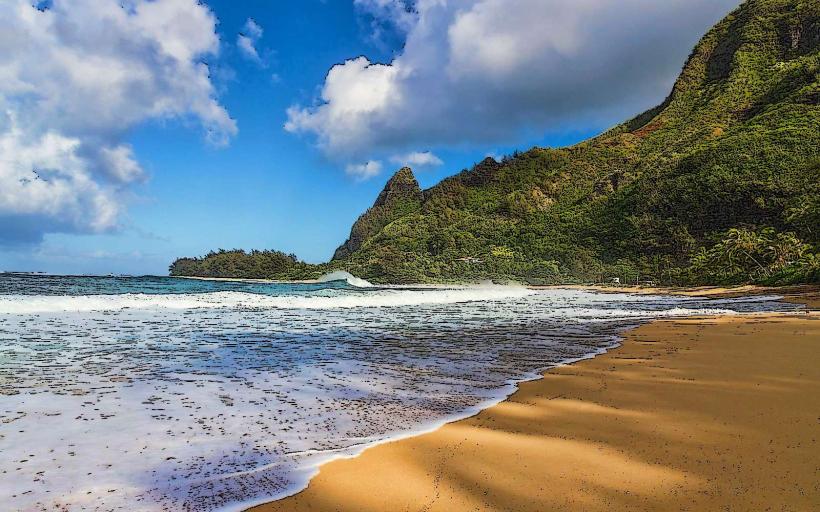
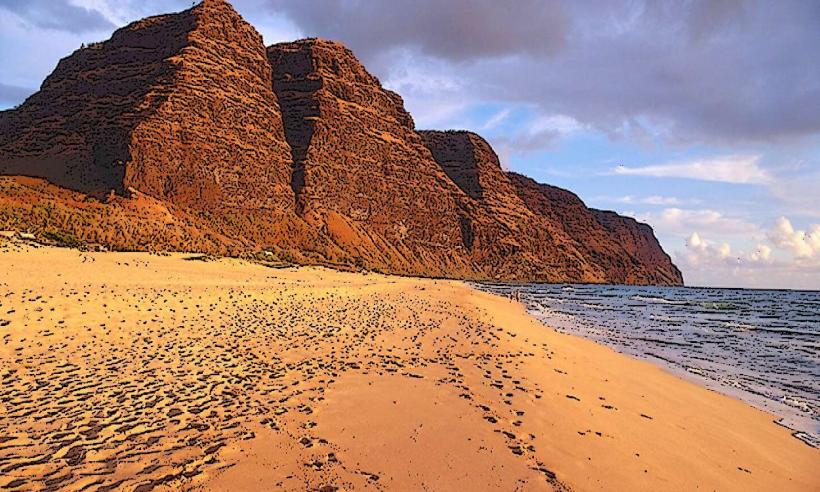
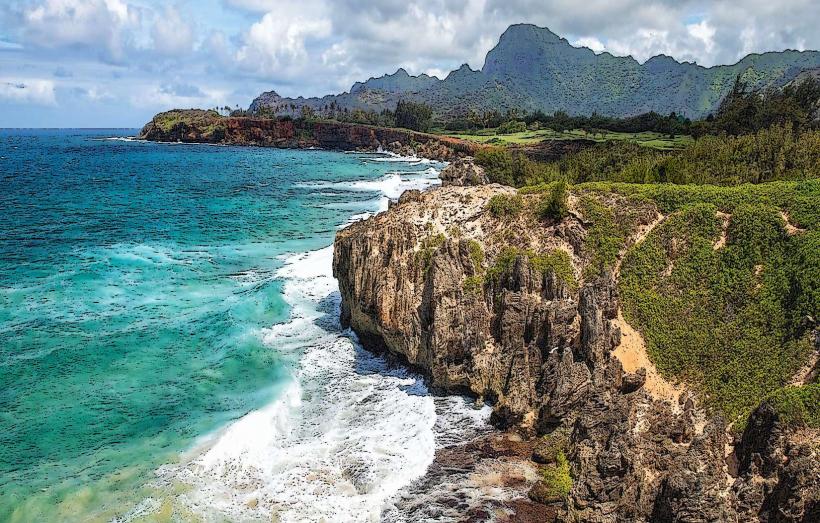
Nā Pali Coast: Accessible only by boat or helicopter, roughly 30 km from Līhuʻe.
Hanapēpē Town: 20 km (25 minutes), known as "Kauai’s Biggest Little Town" for its art scene.
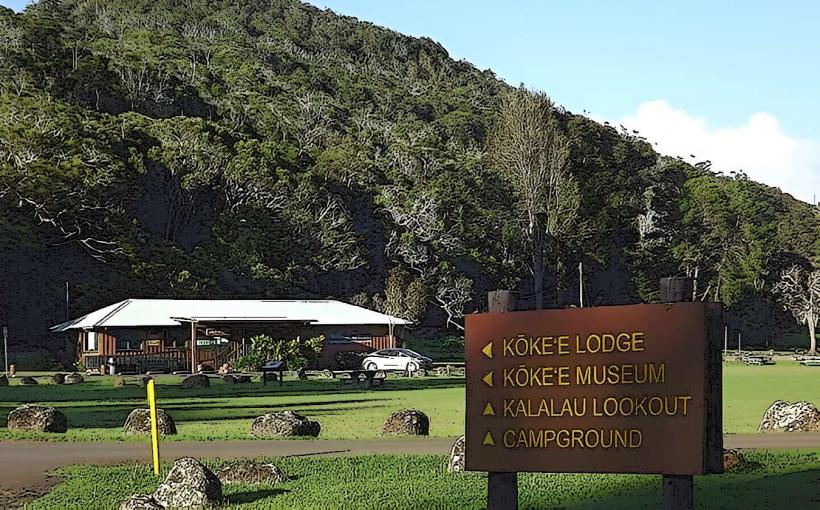
Kōkeʻe State Park: 45 km (1 hour), offering high-altitude hiking and ridge views.
Facts & Legends
Kauaʻi is the home of the Menehune, a mythical race of small people said to be master engineers. Legend credits them with building the Alekoko Fishpond in a single night by passing stones hand-to-hand in a 40-kilometer line. An urban legend states that the wild chickens found across the island are descendants of those freed when Hurricane Iniki destroyed commercial coops in 1992.