Information
City: KetchikanCountry: USA Alaska
Continent: North America
Ketchikan, USA Alaska, North America
Ketchikan is an incorporated city and the seat of the Ketchikan Gateway Borough, located on Revillagigedo Island in the Alexander Archipelago. Known as the "Salmon Capital of the World" and the "Rain Capital of Alaska," it is defined by its massive collection of standing totem poles, its colorful stilted architecture, and its status as the first port of call for northbound cruise ships on the Inside Passage.
Historical Timeline
Inhabited for millennia by the Tlingit, Haida, and Tsimshian peoples. Founded in 1885 when Mike Martin established a salmon saltery at the mouth of Ketchikan Creek. A critical historical event occurred in the early 20th century as the city became the premier hub for the salmon canning industry and Southeast Alaska's timber trade. In 1954, the Ketchikan Pulp Company mill opened, driving the economy for decades until its closure in 1997. In the 21st century, the city transitioned into a global tourism powerhouse. In 2026, it serves as a critical maritime gateway and a center for Indigenous cultural preservation.
Demographics & Population
The 2026 population is approximately 8,050 (with a borough population of ~13,800). The demographics are White (60%), Native American (15%), Asian (11%), and Hispanic or Latino (5%). The economy is driven by Tourism (receiving over 1.5 million visitors annually), Commercial Fishing, and Shipbuilding (Vigor Alaska).
Urban Layout & Key Districts
Ketchikan is exceptionally narrow, stretching nearly 50 km along the coastline but rarely more than 10 blocks wide due to steep mountain terrain.
The Waterfront / Downtown: The primary tourist hub; features the cruise ship docks, Front Street, and the famous Welcome Arch.
Creek Street: A historic boardwalk built on stilts over Ketchikan Creek; formerly the city's red-light district, now a retail and museum corridor.
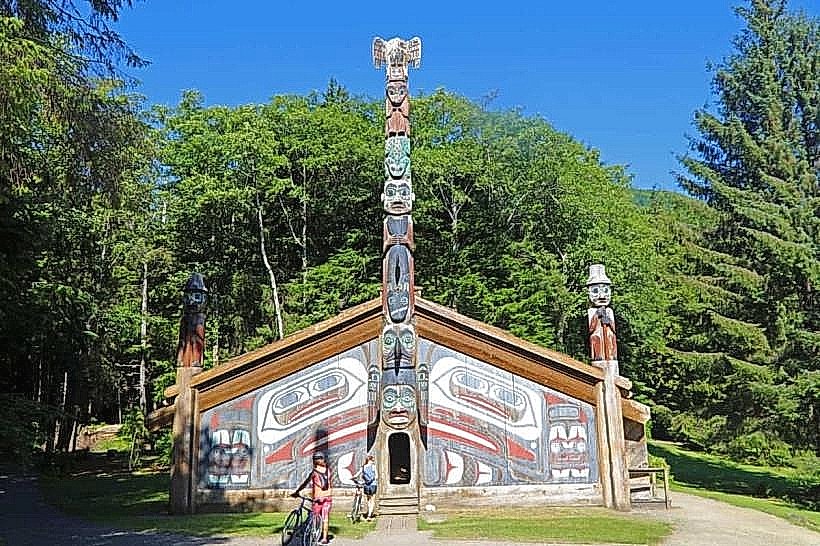
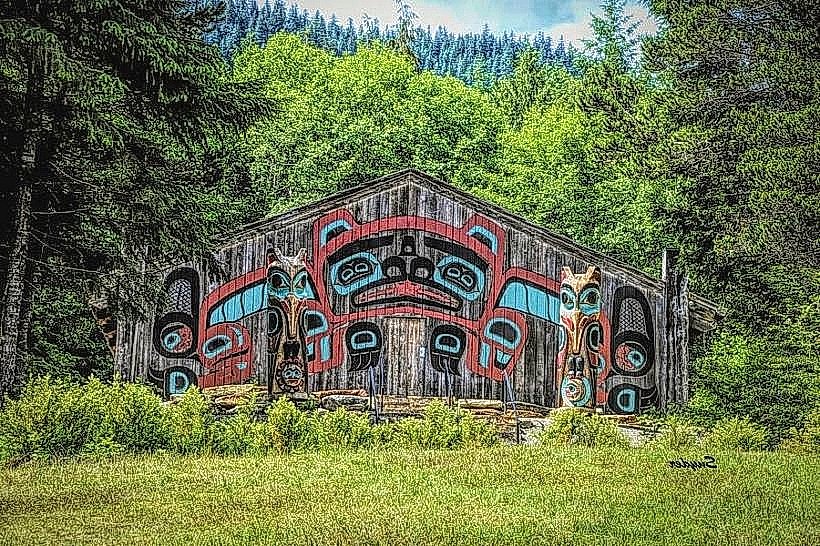
Saxman Village: Located 4 km south; an independent Tlingit community famous for its Totem Park.
Knudson Cove / North End: A quieter area focused on sport fishing and wilderness lodges.
Top City Landmarks
Creek Street: A scenic boardwalk featuring the Dolly’s House Museum, detailing the life of the city's most famous madam.
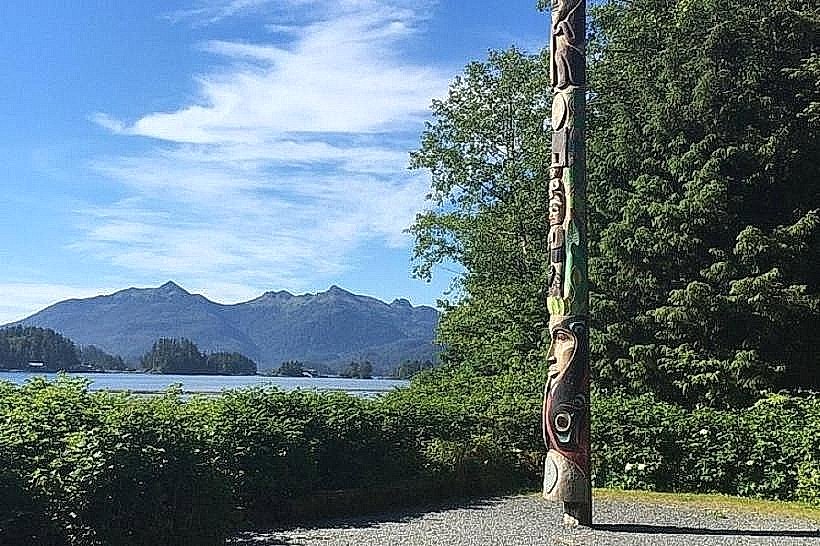
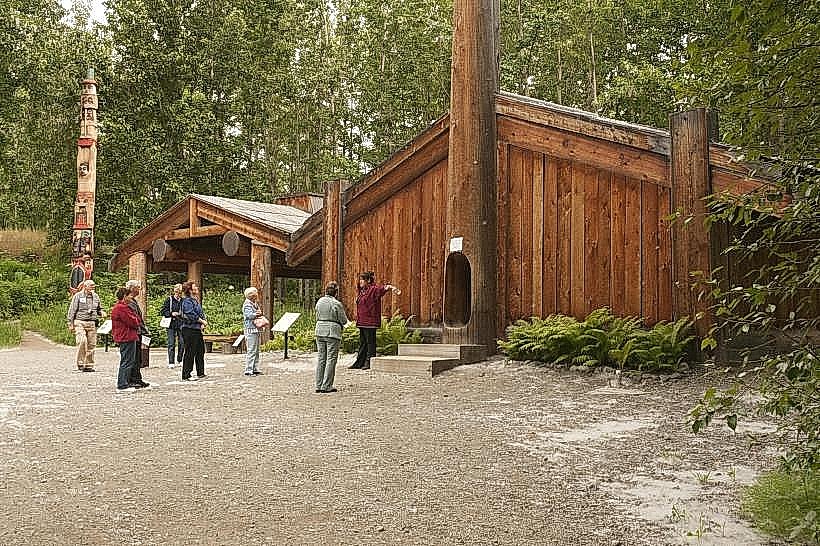
Totem Heritage Center: Houses the world's largest collection of authentic, unrestored 19th-century totem poles retrieved from abandoned village sites.
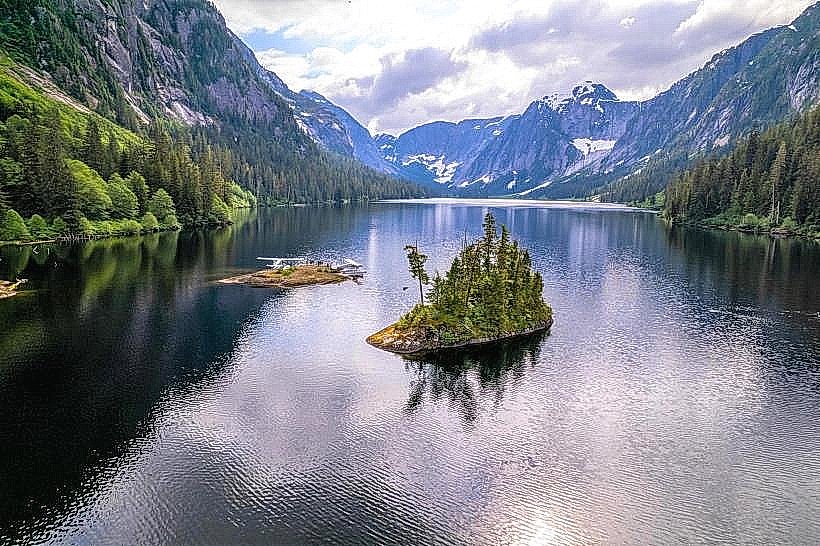
Misty Fjords National Monument: (Accessible by floatplane or boat); a 2.3-million-acre wilderness of 3,000-foot granite cliffs and glacial valleys.
Great Alaskan Lumberjack Show: A live performance showcasing the region's logging heritage through competitive ax throwing, wood chopping, and log rolling.
Saxman Totem Park: Home to 25 authentic totems and a carving shed where visitors can see Indigenous artists at work.
Married Man’s Trail: A historic escape route from Creek Street into the woods, now a scenic hiking path following Ketchikan Creek.
Transportation Network
Movement is via boat or plane. Ketchikan is not connected to the continental road system. Ketchikan International Airport (KTN) is located on Gravina Island; travelers must take a 5-minute ferry to reach the city. The Alaska Marine Highway System (ferries) provides the primary link to other coastal towns. Locally, the "Silver Line" and "Green Line" buses provide transit.
Safety & "Red Zones"
The general safety level is high. Violent crime is rare. Standard awareness is advised on Creek Street late at night during peak tourism season. Environmental hazards include extreme rainfall (averaging 3,800 mm annually), causing occasional landslides, and slick boardwalks.
Digital & Financial Infrastructure
Internet speeds are high, with 1 Gbps fiber via GCI and KPU (Ketchikan Public Utilities). Main mobile carriers are GCI and AT&T. Card acceptance is universal. Alaska has no state income tax. Ketchikan levies a 6.5% local sales tax (which increases by 1% in the summer).
Climate & Air Quality
Temperatures range from 0°C to 5°C in winter and 11°C to 18°C in summer. It is a temperate rainforest; rain occurs over 300 days a year. Air quality is exceptional.
Culture & Social Norms
The standard tipping percentage is 20%. A "Hardy-Coastal" greeting is standard. Dress codes are "Functional-Rainwear" (rubber boots, known as "Ketchikan Sneakers," are standard in all social settings). The city is culturally defined by its Indigenous Art, Fishing Heritage, and Resilience to the elements.
Local Cost Index
1 Espresso: $5.75 (USD)
1 Standard Lunch: $21.00 (USD)
1 Floatplane Tour: $250.00–$350.00.
Nearby Day Trips
Anan Wildlife Observatory: (Accessible via floatplane; one of the best spots to view both black and brown bears).
Metlakatla: (A 45-minute ferry to the only Indian Reserve in Alaska).
Prince of Wales Island: (Accessible by ferry/plane; world-class hunting and caving).
Facts & Legends
Ketchikan is the southernmost major city in Alaska. Historically, it was a "wide-open" town during the mid-20th century with a vibrant, unregulated nightlife. A local legend involves the "Ghost of Dolly’s House," where the scent of perfume and the sound of footsteps are reported when the museum is closed. Another legend concerns the "Chief Johnson Totem," which tells the story of the Fog Woman and the origin of salmon in the creek; it is said that as long as the pole stands, the salmon will always return to Ketchikan.