Information
Landmark: Totem Bight State Historic ParkCity: Ketchikan
Country: USA Alaska
Continent: North America
Totem Bight State Historic Park, Ketchikan, USA Alaska, North America
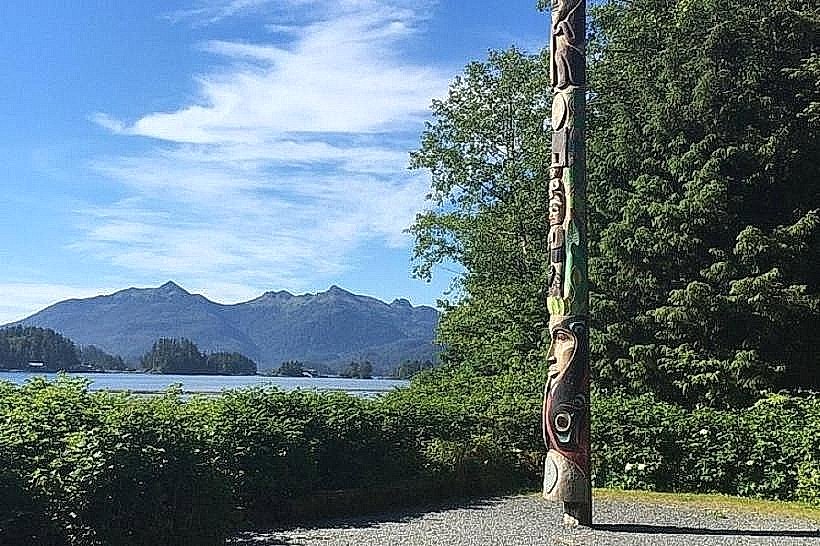
Totem Bight State Historic Park, located about ten miles north of Ketchikan, Alaska, is one of the most evocative windows into the artistry and heritage of Alaska’s Indigenous coastal peoples. Overlooking the Tongass Narrows, the park blends rainforest quiet with the striking presence of carved totem poles and a reconstructed clan house, each piece telling fragments of stories that stretch back generations.
Origins and Purpose
Totem Bight was born out of revival rather than preservation alone. During the 1930s, the U.S. Forest Service and the Civilian Conservation Corps began restoring decaying totems from abandoned Tlingit and Haida villages. Under the guidance of Native carvers and elders, young apprentices learned the ancient craft of totem making-an art nearly lost after years of cultural suppression. What you see in the park today is a vibrant continuation of that revival, not merely replicas but reawakened voices.
The Setting
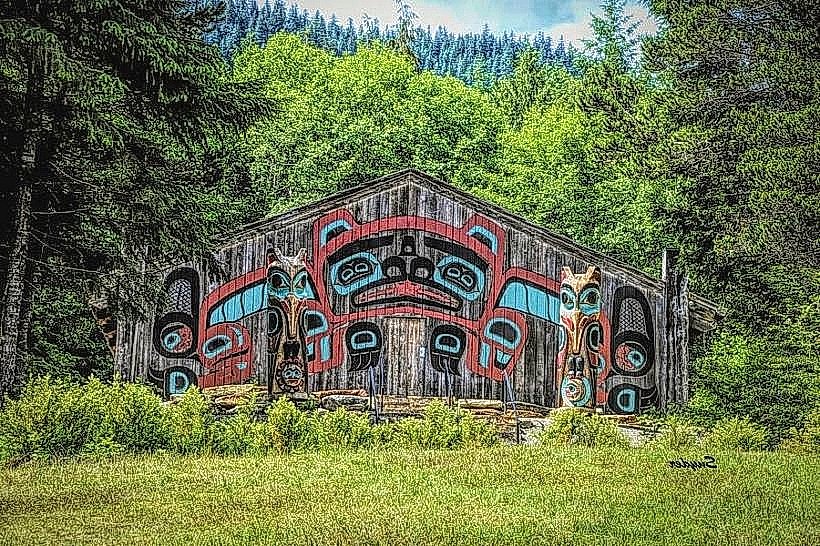
The park sits amid dense Sitka spruce and western hemlock, with moss draping over branches and the ocean visible through openings in the forest. Paths lead through ferns and wildflowers to clearings where the totems rise-some nearly 40 feet tall, their figures painted in deep red, black, and teal. The air carries a hint of salt and cedar. When it rains, the carvings darken and seem to glisten, as if alive.
Totems and Symbolism
Each totem pole tells a layered story-of clans, spirits, and family histories. Figures such as the Raven, Bear, Killer Whale, and Frog appear repeatedly, each embodying specific traits and legends. The Raven, for instance, is both creator and trickster; the Bear, a symbol of protection and strength. Walking among them feels less like viewing art and more like standing inside a living mythology.
Clan House Experience
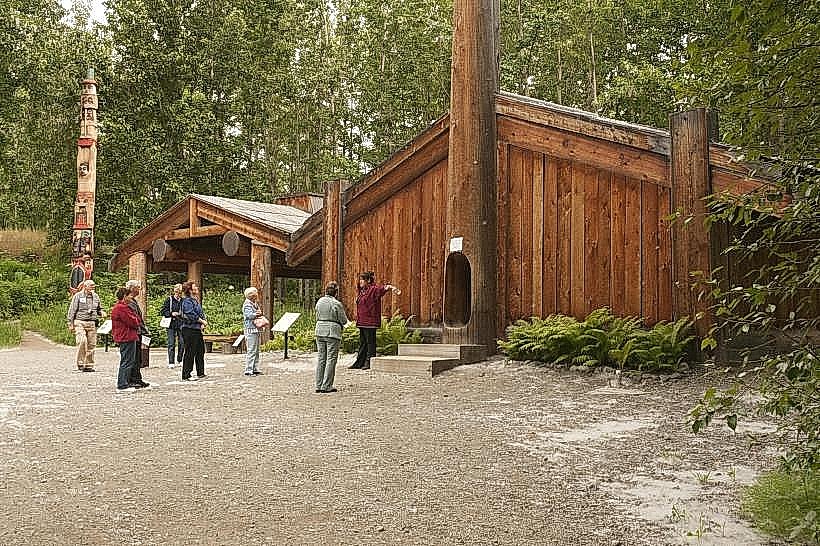
At the park’s center stands the community clan house, a broad cedar structure built in traditional style with a single carved post at its entrance. Inside, it’s cool and dim, lit softly through the smoke hole in the roof. Visitors can see where extended families once gathered around the central fire pit for ceremonies, storytelling, and feasts. The faint scent of woodsmoke and aged cedar lingers, creating an atmosphere that feels timeless.
Visitor Experience
Totem Bight is best explored slowly-pausing at each carving to notice the fine details and subtle facial expressions. Interpretive panels share the stories behind each totem, while local guides often bring added depth with oral traditions passed down through their own families. Early morning or evening visits tend to be the quietest, when the only sounds are the rustle of the trees and the call of a distant raven.
A Living Legacy
What makes Totem Bight truly special is its sense of continuity. The site doesn’t feel like a museum but rather a bridge-linking the Tlingit and Haida past with the living traditions of today’s Native communities. Every carved pole and weathered plank seems to whisper that the stories never ended; they’re still being told, in cedar and color, by those who remember.