Information
Landmark: Sitka National Historical ParkCity: Ketchikan
Country: USA Alaska
Continent: North America
Sitka National Historical Park, Ketchikan, USA Alaska, North America
Sitka National Historical Park, tucked along the shoreline of Sitka Sound on Baranof Island, is the oldest national park in Alaska and one of the most culturally layered places in the state. It’s where forest, history, and heritage merge-a landscape shaped by the meeting of Tlingit tradition and Russian colonial ambition, and softened over time by nature’s patient hand.
A Landscape Steeped in Story
The park preserves the site of the 1804 Battle of Sitka, the last major conflict between the Tlingit people and Russian colonists led by Alexander Baranov. It was here, near the mouth of the Indian River, that the Tlingit fort once stood. Walking the quiet forest trails today, it’s difficult to imagine the clash that once echoed through these woods. The land feels serene-ferns underfoot, spruce towering overhead-but there’s an undeniable gravity to it, a sense that every mossy trunk carries memory.
Totem Trail
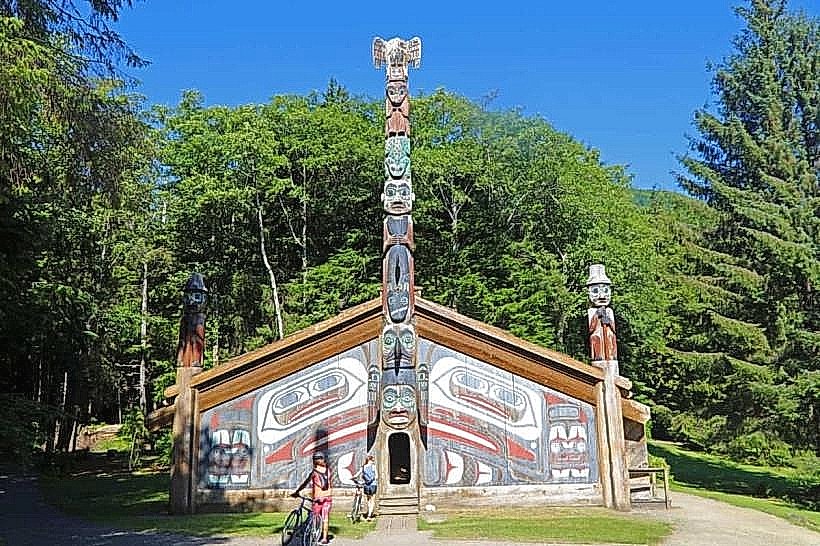
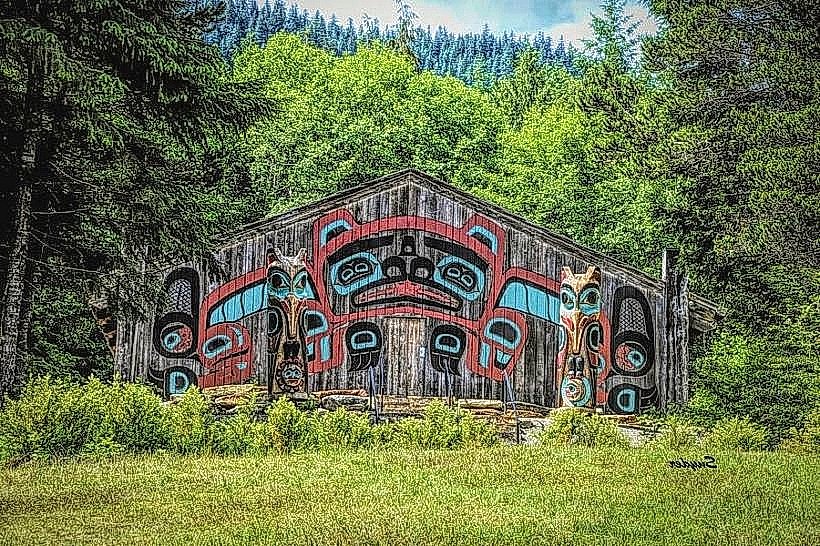
Perhaps the park’s most iconic feature is the Totem Trail, a winding path through old-growth rainforest lined with hand-carved totem poles. Many of these were originally brought to Sitka in the early 1900s from villages throughout southeast Alaska as part of a cultural restoration effort. Others are reproductions, carved by Native artists to keep ancestral knowledge alive. Each pole tells a distinct story: clan histories, mythic creatures, family crests, or moral tales carved into red cedar, their surfaces weathered by rain and time. The air smells of salt and wood; raindrops bead on the carvings like polished stone.
The Russian and Tlingit Heritage
Sitka was once the capital of Russian America, and remnants of that era remain close to the park. A short walk leads to the Russian Bishop’s House-a meticulously restored 1840s log building that once served as both residence and church for Russian Orthodox clergy. Inside, the faint scent of beeswax and wood lingers, and the furnishings tell of a life caught between cultures and continents. Meanwhile, across the river, Tlingit communities continue to maintain strong cultural roots, hosting festivals, carving workshops, and storytelling gatherings that echo centuries-old practices.
Nature and Quiet Moments
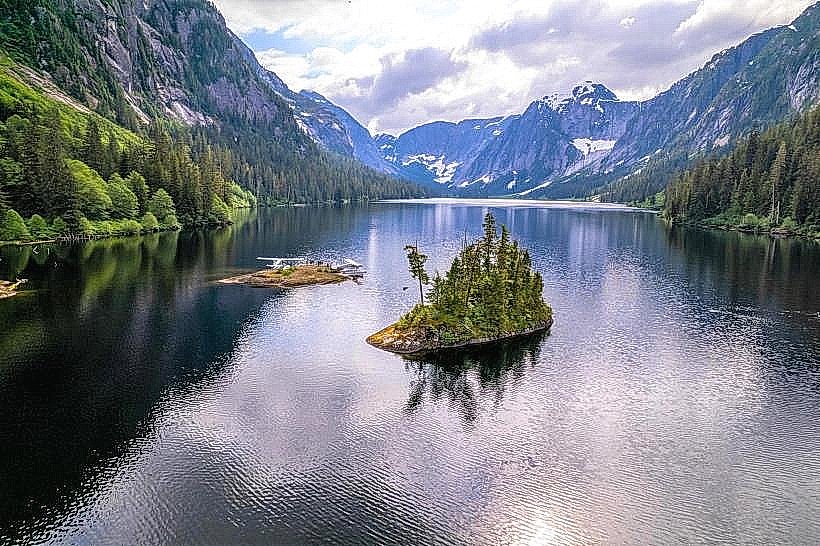
The park is as much about natural beauty as it is about history. The Indian River Trail follows a tumbling salmon stream, where in late summer, pink and chum salmon crowd the shallows, drawing eagles overhead and the occasional brown bear to the water’s edge. The sound of rushing water mixes with the distant call of ravens. Along the coastal edge, Sitka Sound opens to sweeping views of forested islands and snow-capped peaks, a scene often veiled in drifting mist.
Visitor Experience
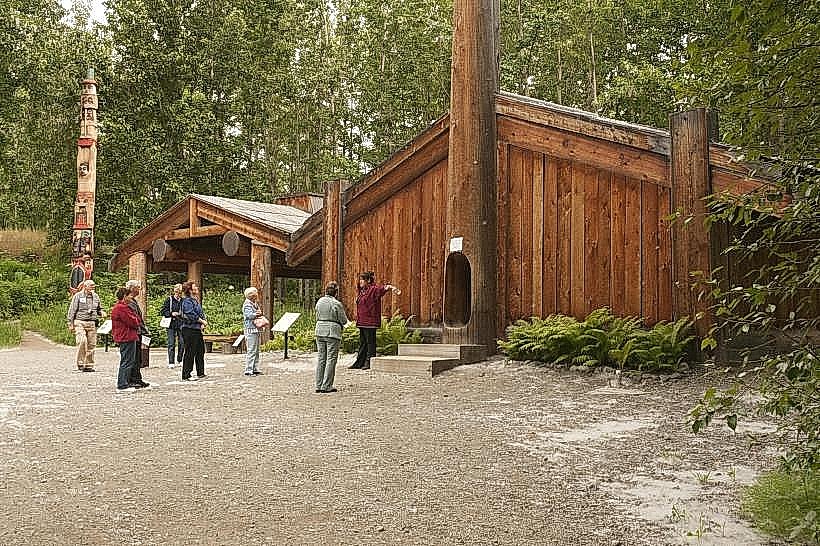
Sitka National Historical Park feels intimate-less a monument and more a living, breathing place of reflection. The Visitor Center offers exhibits on Tlingit culture, traditional carving, weaving, and the battle’s history, alongside live carving demonstrations by Native artists. Visitors often pause longest at the totems, where the stories-half-seen in the grain of cedar-seem to speak in silence.
A Living Reflection
What makes the park remarkable isn’t just its past but its continuity. It honors not only what was lost but what endures-the resilience of the Tlingit people, the artistry of the carvers, and the quiet majesty of the rainforest that shelters it all. Walking through Sitka National Historical Park, you don’t just see history; you feel its rhythm in the drizzle, the wood, and the whispering trees.