Information
City: KonarkCountry: India
Continent: Asia
Konark, India, Asia
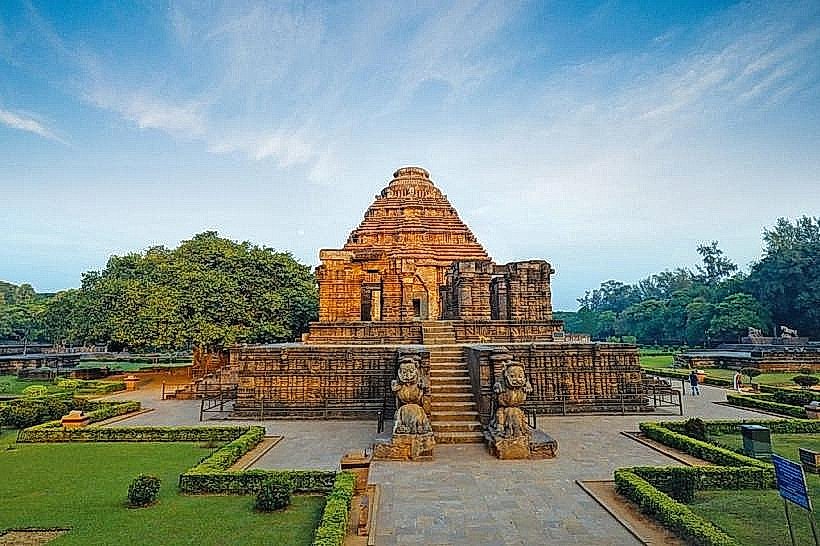
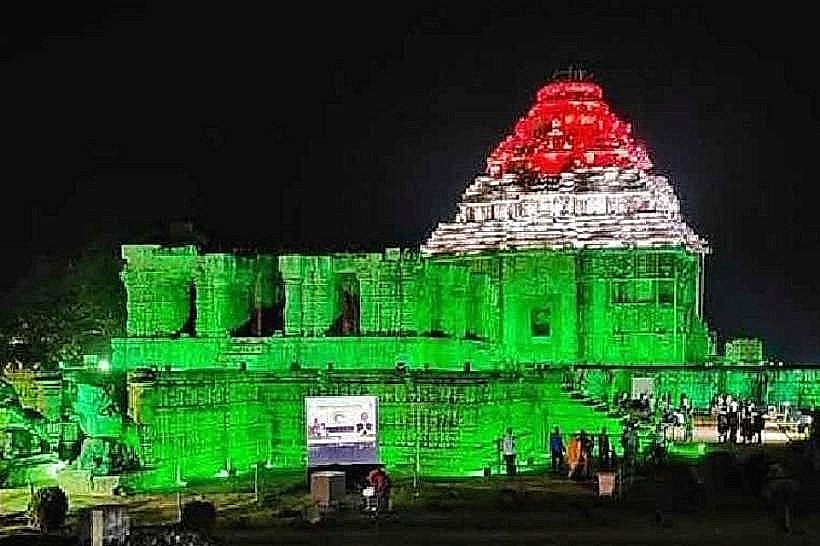
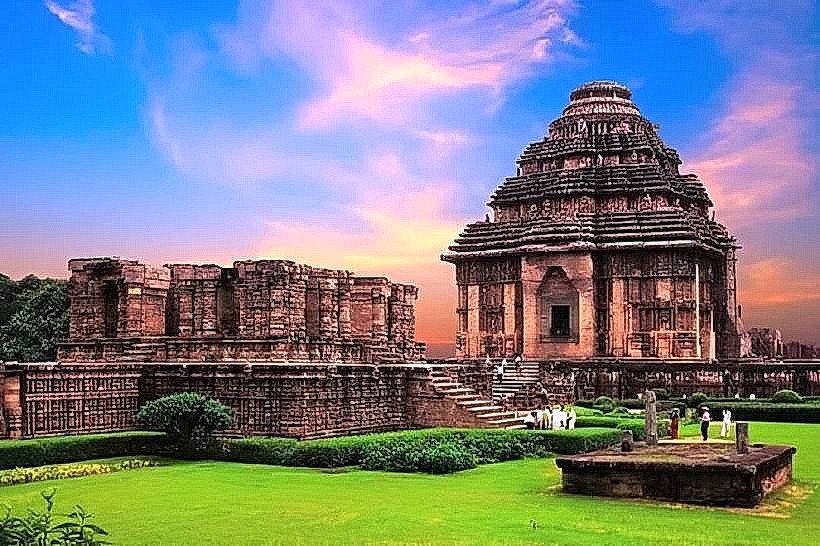
Konark is a small town in the Puri district of Odisha, situated on the Bay of Bengal coast. It is internationally recognized for the Konark Sun Temple, a 13th-century UNESCO World Heritage site and a masterpiece of Kalinga architecture designed as a colossal stone chariot.
Historical Timeline
The region has been a center of Sun worship since ancient times, mentioned in the Puranas as Mundira. A critical historical event occurred between 1238 and 1250 CE, when King Narasimhadeva I of the Eastern Ganga Dynasty commissioned the Sun Temple to commemorate his military victories. By the 16th century, the temple fell into disuse and part of the main deul (shikhara) collapsed; European sailors referred to it as the "Black Pagoda" to distinguish it from the "White Pagoda" (Jagannath Temple) in Puri. In 1901, British administration filled the audience hall with sand to prevent its total collapse. In 2026, Konark is the focus of a major "Heritage Security and Beautification" corridor project.
Demographics & Population
The 2026 population is approximately 18,500. The demographics are predominantly Odia-speaking Hindus. The economy is almost exclusively driven by Tourism, Agriculture, and Cashew processing.
Urban Layout & Key Districts
Konark is a compact, tourism-centric settlement.
The Temple Complex: The central archaeological zone managed by the ASI.
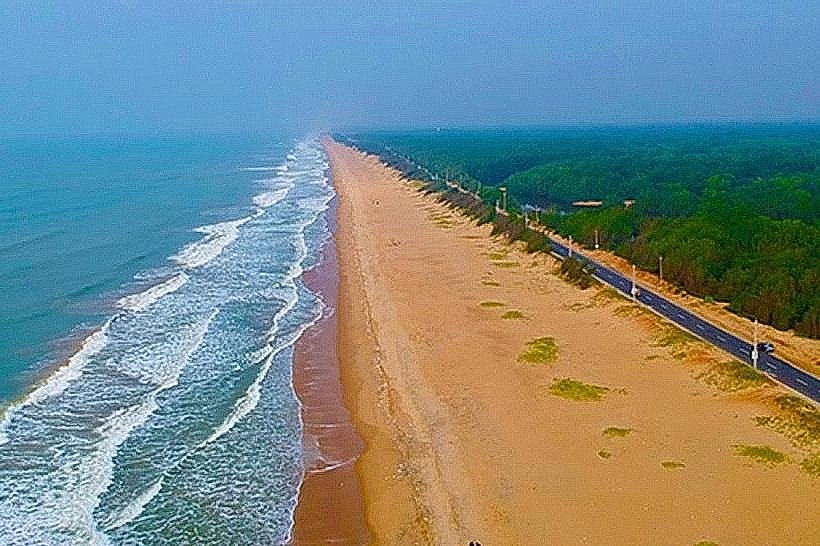
The Marine Drive: A scenic 35-km coastal road connecting Konark to Puri, featuring eco-retreats and turtle nesting sites.
Konark Market: A cluster of stalls and small hotels surrounding the temple entrance.
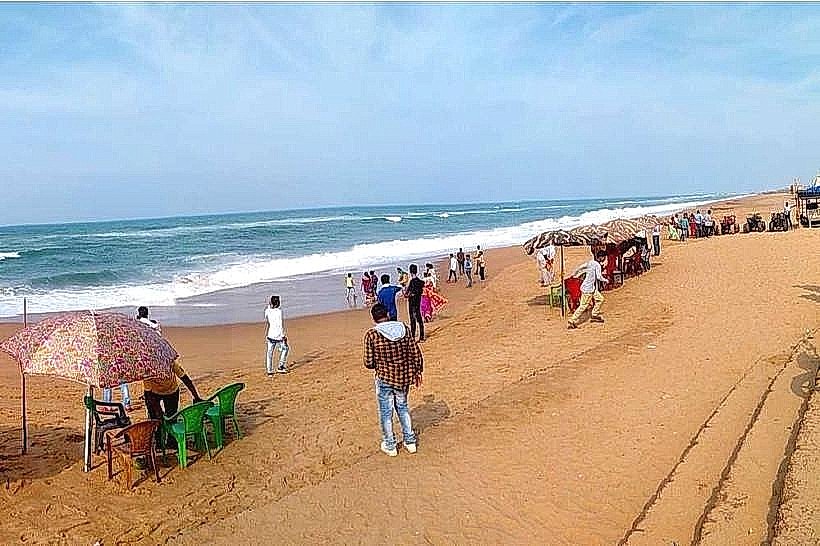
Chandrabhaga: The beachfront area located 3 km east of the main temple.
Top Landmarks
Konark Sun Temple: Famous for its 24 intricately carved stone wheels (functioning as sundials) and seven horses representing the days of the week.
Chandrabhaga Beach: A Blue Flag certified beach, historically considered sacred for ritual bathing during the Magha Saptami festival.
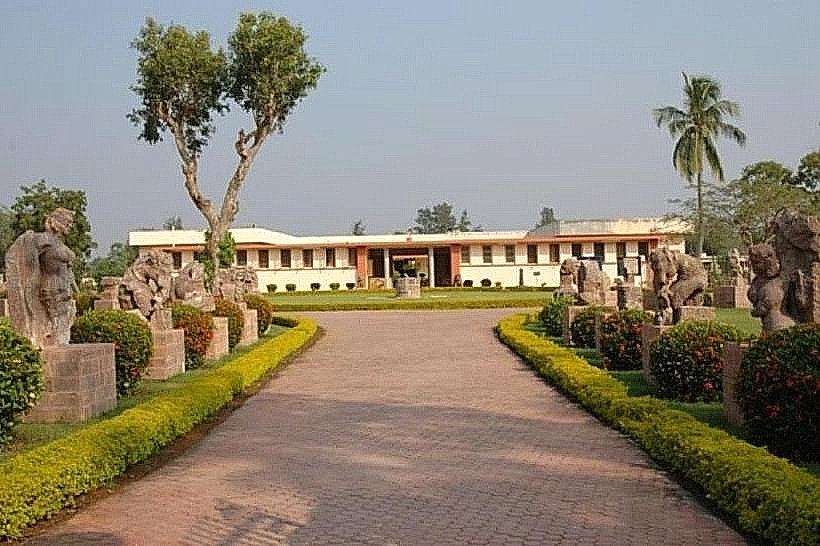
Konark Interpretation Centre: A modern museum featuring high-tech galleries and replicas of the original temple's missing components.
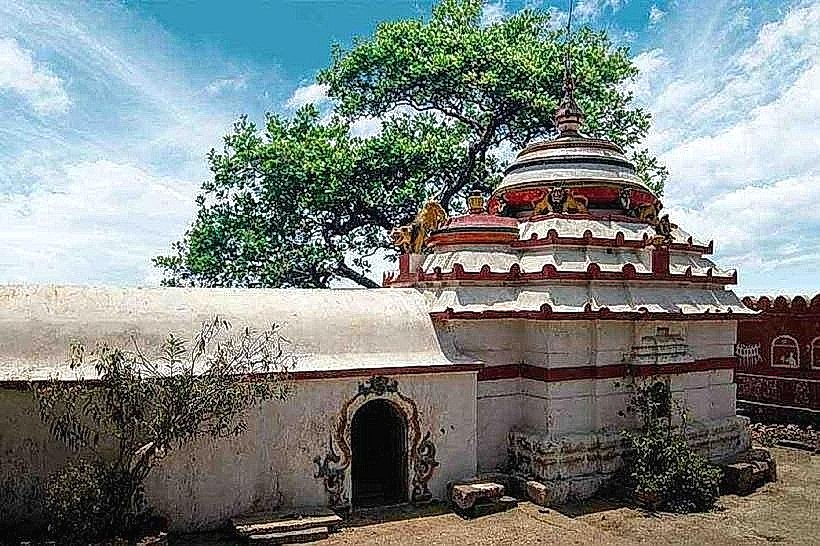
Ramchandi Temple: (Located 7 km south); a river-mouth temple at the confluence of the Kushabhadra River and the sea.
Archaeological Survey of India (ASI) Museum: Houses significant sculptures and artifacts salvaged from the temple ruins.
Transportation Network
Movement is automotive-centric. Konark is connected to Bhubaneswar and Puri via well-maintained highways. Biju Patnaik International Airport (BBI) in Bhubaneswar (65 km away) is the nearest air hub. Puri Railway Station (35 km away) provides the closest rail access. Local transport consists of auto-rickshaws and battery-operated carts within the heritage zone.
Safety & "Red Zones"
General safety is high. Standard awareness is advised regarding unauthorized guides and the strong undertow at Chandrabhaga Beach, which can be lethal for swimmers. Environmental hazards include cyclones (October–December) and intense humidity-driven heat.
Digital & Financial Infrastructure
5G connectivity is robust in the temple vicinity. UPI payments are accepted at most government counters and private shops. Cash remains necessary for rural excursions. Odisha state GST applies to lodging and services.
Climate & Air Quality
Temperatures range from 16°C to 28°C in winter and 26°C to 38°C in summer. High humidity is a permanent feature. Air quality is pristine due to the lack of industry and the presence of the coastal breeze.
Culture & Social Norms
The standard tipping percentage is 10%. A "Formal-Humble" greeting is standard. Dress codes are "Conservative"; covering shoulders and knees is expected. The town is culturally defined by the Konark Dance Festival (held every December) and Odissi Classical Dance.
Local Cost Index
1 Espresso: ₹120 ($1.45 USD)
1 Standard Meal: ₹250 ($3.00 USD)
1 Sun Temple Entry: ₹40 (Indians) / ₹600 (Foreigners).
Nearby Day Trips
Puri: (35 km west; home to the Jagannath Temple and major beach resorts).
Chilika Lake (Satapada): (85 km west; home to Irrawaddy dolphins).
Kuruma: (8 km southeast; an ancient Buddhist site with a monolithic stone statue).
Facts & Legends
The stone wheels of the temple are precise sundials that can calculate time to within a minute. Historically, the temple's summit reportedly contained a massive lodestone (magnet) that could disturb the compasses of passing ships. A local legend tells of Dharmapada, the 12-year-old son of the chief architect, who completed the temple's final stone placement and then leaped to his death into the sea to save the lives of 1,200 craftsmen. Another legend states the temple was built by Samba, the son of Lord Krishna, to thank the Sun God for curing his leprosy.