Information
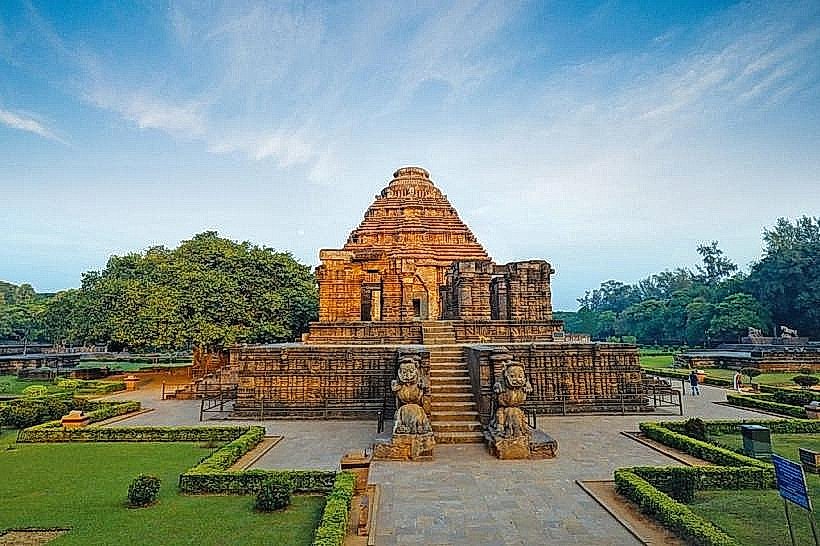
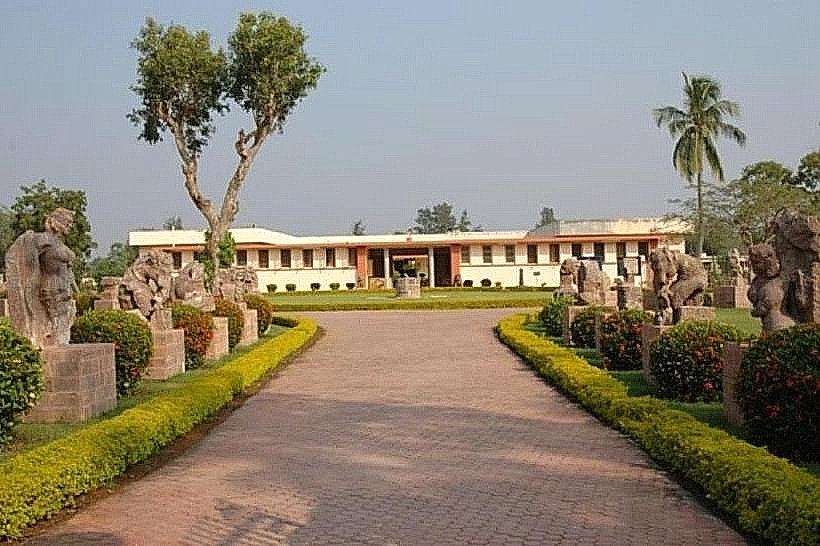
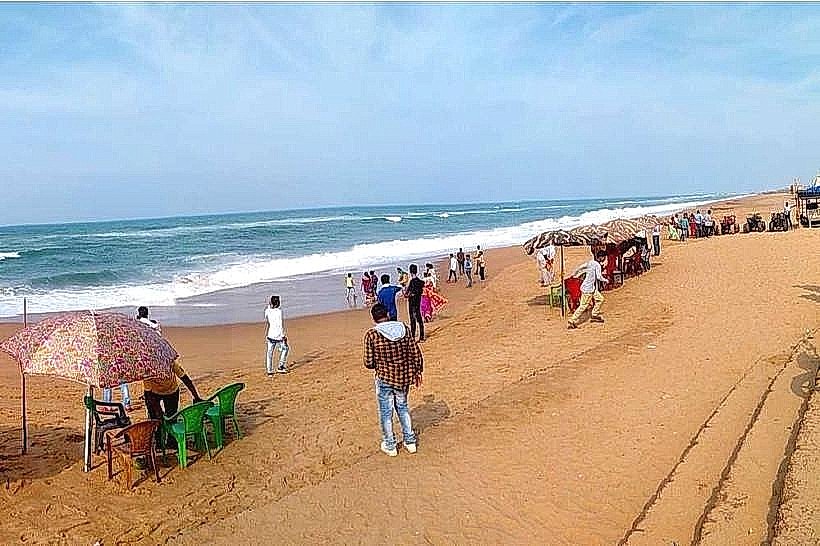
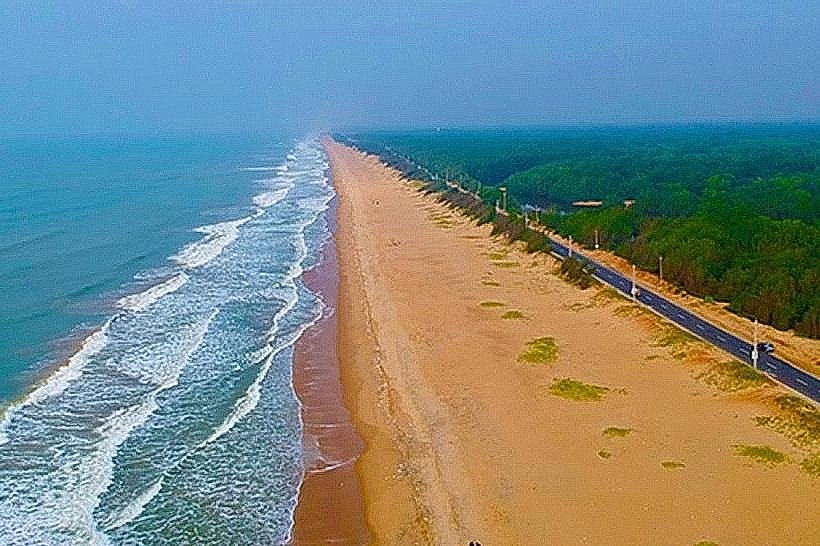
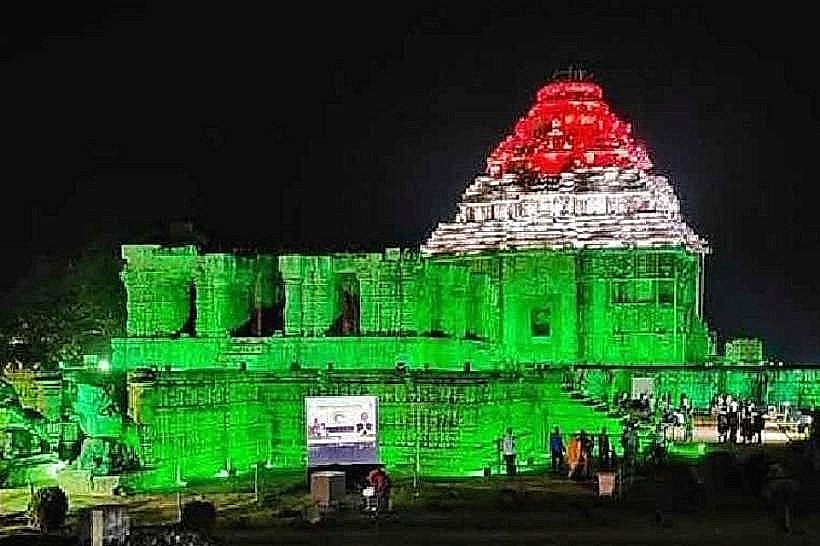
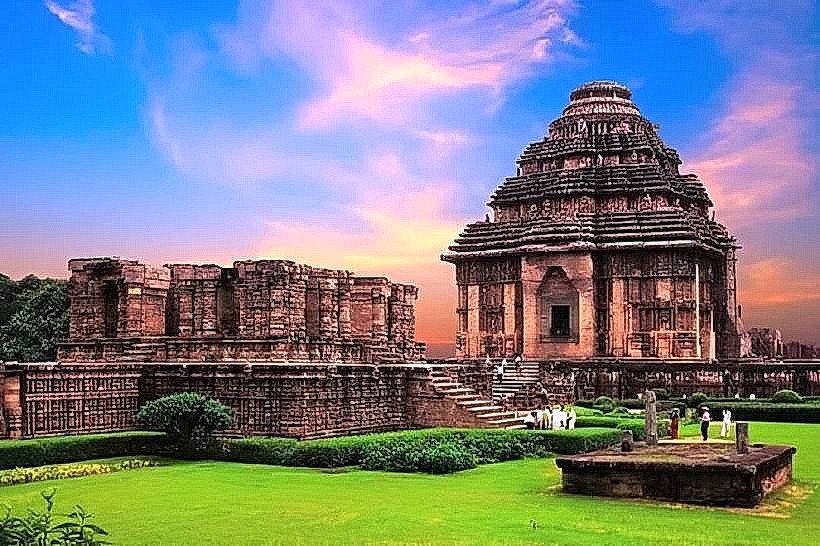
Landmark: Ramachandi TempleCity: Konark
Country: India
Continent: Asia
Ramachandi Temple, Konark, India, Asia
Nahargarh Fort is a historic fortification situated on the Aravalli Hills overlooking Jaipur, Rajasthan, India.
Visual Characteristics
Constructed primarily from sandstone, the fort exhibits a robust, defensive architecture. Its walls extend for approximately 3 kilometers, punctuated by bastions and watchtowers. The primary structures within the fort complex, including the Madhavendra Bhawan, are characterized by Rajput architectural elements, featuring intricate carvings and courtyards. The exterior walls are a uniform ochre sandstone color, blending with the surrounding hills.
Location & Access Logistics
Nahargarh Fort is located approximately 7 kilometers northwest of Jaipur's city center. Access is via the Nahargarh Road, a paved but winding route suitable for vehicles. Parking is available at the fort's entrance. Public transport options to the fort are limited; auto-rickshaws and taxis are the most common modes of transport from Jaipur city. Bus services do not directly reach the fort entrance.
Historical & Ecological Origin
The fort was originally built in 1734 by Maharaja Sawai Jai Singh II, the founder of Jaipur, as a summer retreat and defense outpost. Its primary purpose was to provide a defensive ring for the city and serve as a sanctuary for the royal family. The fort is built on the Aravalli Range, a geologically ancient mountain system.
Key Highlights & Activities
Visitors can explore the various palaces and courtyards within the fort, including the Madhavendra Bhawan with its interconnected suites. Walking along the fort ramparts offers panoramic views of Jaipur city. The Nahargarh Biological Park, located at the base of the fort, is accessible separately and offers wildlife viewing opportunities. Photography is permitted throughout the accessible areas of the fort.
Infrastructure & Amenities
Restrooms are available within the fort complex. Limited shaded areas are present within the courtyards. Cell phone signal (4G) is generally available. Basic food and beverage vendors are typically present near the main entrance, offering snacks and water.
Best Time to Visit
The best time of day for photography is during the late afternoon, approximately 1-2 hours before sunset, to capture the city in warm light. The most favorable months for visiting are from October to March, when temperatures are cooler. There are no tide-related considerations for visiting this inland fort.
Facts & Legends
A local legend states that the fort is named after Prince Nahar Singh, a Rajput prince who was killed during its construction. It is believed his spirit haunted the site, and to appease him, a temple was built within the fort and it was named after him. Another historical detail is that the fort was extended in the 19th century by Maharaja Sawai Ram Singh II, who added the Madhavendra Bhawan complex.
Nearby Landmarks
- Jaigarh Fort (1.5km Northeast)
- Amer Fort (5km Northeast)
- Panna Meena ka Kund (4.5km Northeast)
- Jal Mahal (6km Southeast)
- City Palace, Jaipur (7km Southwest)