Information
City: LausanneCountry: Switzerland
Continent: Europe
Lausanne, Switzerland, Europe
Lausanne functions as the "Olympic Capital" and the judicial center of Switzerland, housing the International Olympic Committee (IOC) and the Federal Supreme Court. Built on three hills rising steeply from the northern shore of Lake Geneva (Lac Léman), it is a major hub for higher education, biotechnology, and international sports administration.
Historical Timeline
Lausanne originated as a Roman military camp called Lousonna near the lakeshore. The primary era of governance shifted in the 6th century when the settlement moved uphill to the Cité for defensive purposes, becoming a powerful Bishopric. The primary event shaping its modern identity was the 1536 conquest by Bern, which introduced the Reformation, followed by the 1923 Treaty of Lausanne, which established the boundaries of modern Turkey.
Demographics & Population
The city population is approximately 143,000, with a metro area population of 474,000 in 2026. The demographic is highly international, with approximately 42% of residents being foreign nationals, largely from Portugal, France, Italy, and Spain. French is the primary language. The city has a youthful profile due to the presence of EPFL and the University of Lausanne (UNIL).
Urban Layout & Key Districts
Lausanne’s extreme verticality defines its layout, with a 500-meter elevation gain from the lake to the northern outskirts.
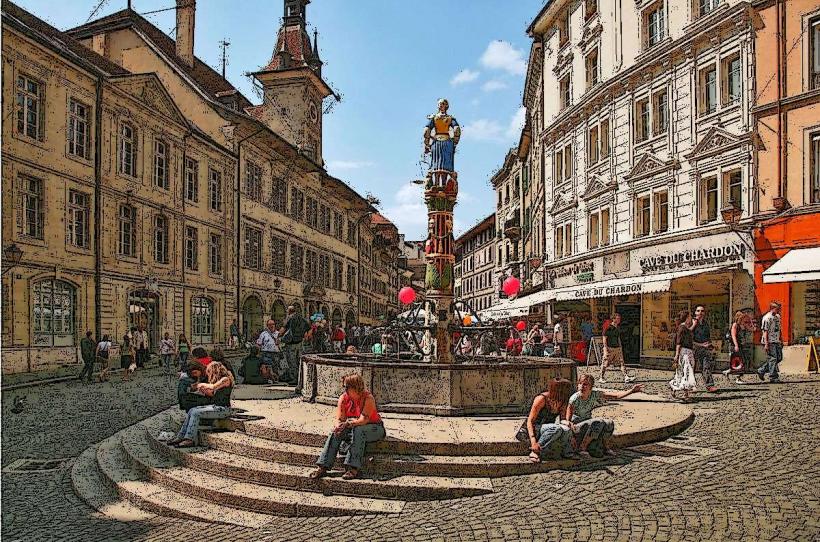
The Cité (Old Town): The historic hilltop heart, centered on the Cathedral and medieval government buildings.
Flon: A specialized district in a former industrial valley, now the city’s primary hub for modern design, cinema, and nightlife.
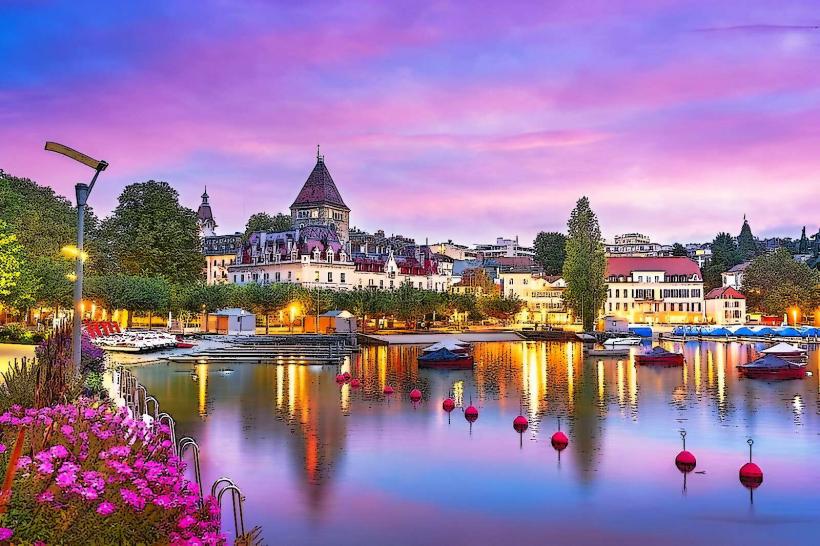
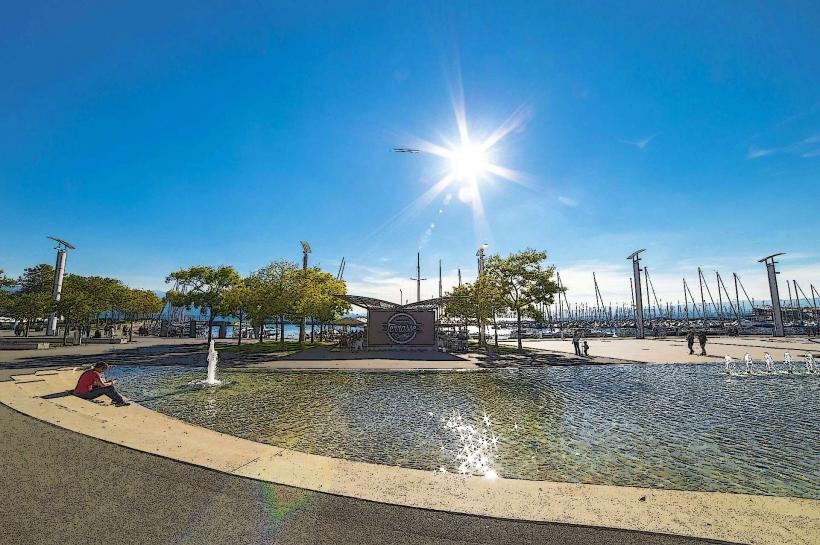
Ouchy: The lakeside district and former fishing village, now a specialized leisure zone with promenades and luxury hotels.
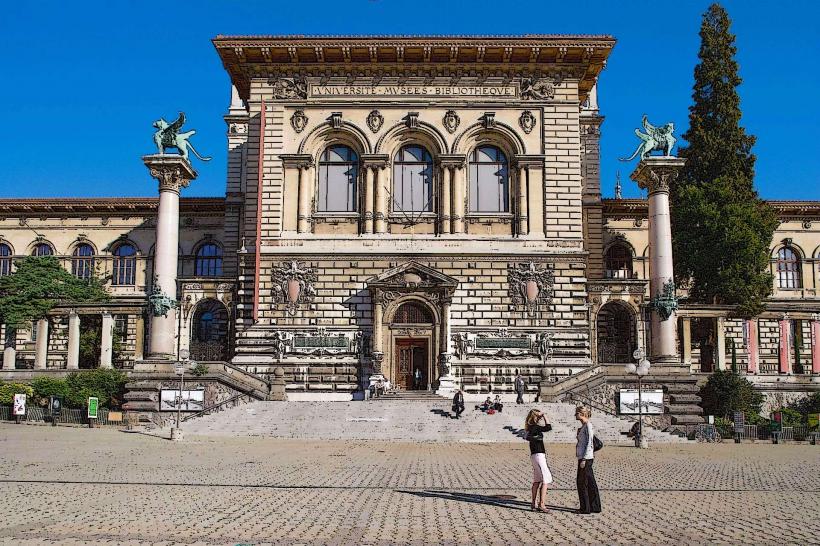
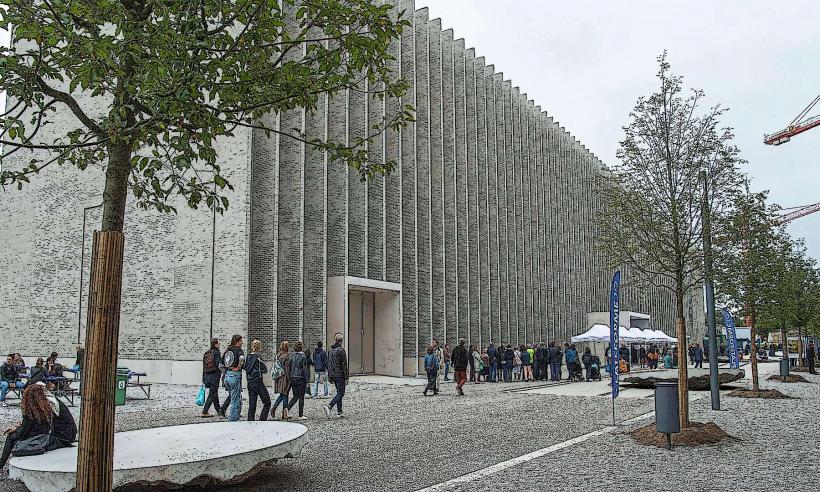
Plateforme 10: A newly developed specialized "arts district" next to the train station, housing three major museums (MCBA, Photo Elysée, and MUDAC).
Vidy: A specialized sports and recreation district housing the IOC headquarters and Roman ruins.
Top City Landmarks
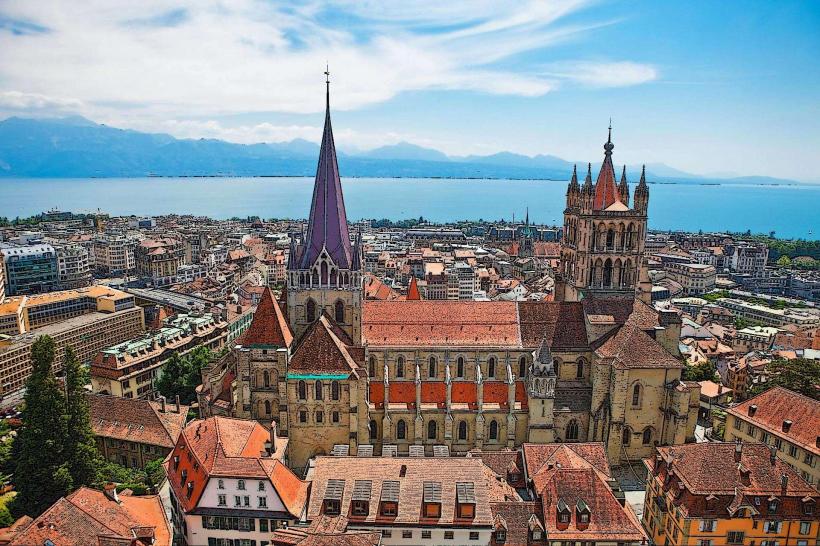
Lausanne Cathedral (Notre-Dame): Widely considered the finest Gothic building in Switzerland; it features a 13th-century rose window and a "night watchman" who has called the hour since 1405.
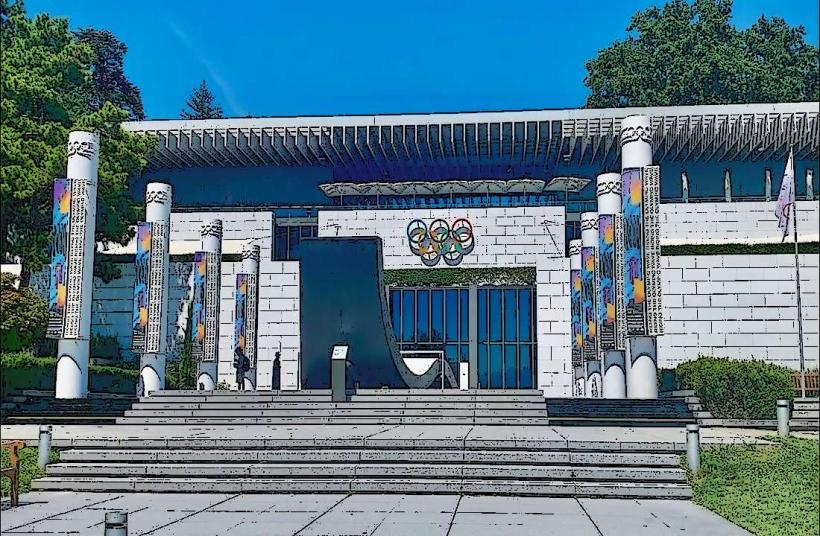
The Olympic Museum: The world’s largest center of information on the Olympic movement, featuring interactive exhibits and the Olympic Park.
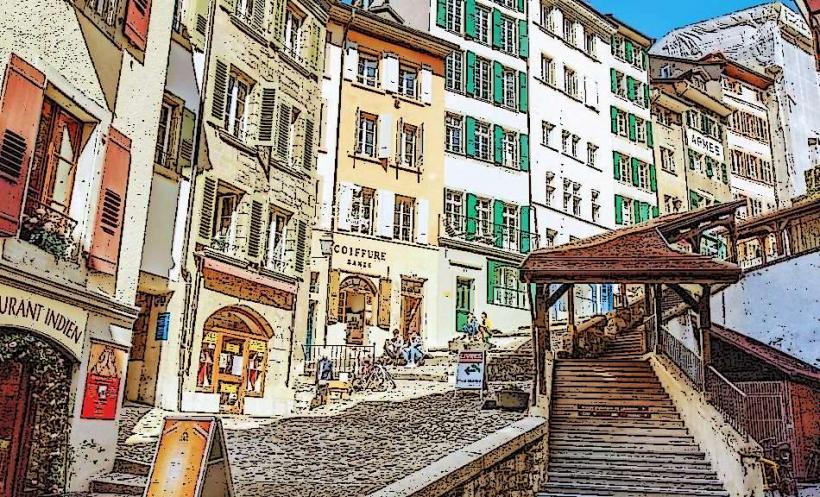
Escaliers du Marché: A picturesque 13th-century covered wooden staircase connecting the Place de la Palud to the Cathedral.
Rolex Learning Center: A specialized architectural landmark at EPFL known for its undulating, floor-to-ceiling glass waves.
Sauvabelin Tower: A 35-meter-high wooden observation tower made entirely of local timber, offering 360-degree views of the Alps and Jura.
Transportation Network
Lausanne is the smallest city in the world to operate a full rapid-transit system.
Metro M2: A fully automated, rubber-tired line that is the steepest of its kind in the world, climbing 338 meters from Ouchy to Epalinges.
Lausanne Gare: A major node on the Simplon line, connecting to Geneva (35 mins) and Paris via TGV Lyria.
CGN Steamers: Historic paddle steamers providing cross-border transit to Évian-les-Bains and Montreux.
Visitors receive the Lausanne Transport Card for free use of all urban public transit.
Safety & "Red Zones"
The general safety level is very high. Crime is largely limited to opportunistic theft in crowded areas like the Flon or the train station. There are no "red zones." Caution is advised when cycling or walking due to the extreme gradients and steep staircases, which can be hazardous in wet or icy conditions.
Digital & Financial Infrastructure
Internet speeds average 1–10 Gbps via fiber-optic networks. 5G coverage is universal. Card and mobile payments (TWINT, Apple Pay) are standard. Lausanne is a global leader in life sciences and deep-tech startups emerging from the EPFL innovation park.
Climate & Air Quality
Lausanne has a temperate oceanic climate. The lake acts as a thermal regulator, preventing extreme temperature swings. Daytime temperatures range from 4°C in January to 26°C in July. Air quality is exceptional.
Culture & Social Norms
Lausanne social norms are characterized by a blend of French "joie de vivre" and Swiss efficiency. Tipping is included in prices, but rounding up for café service is common. Key events include the Festival de la Cité (July), a free performing arts festival in the Old Town, and the Athletissima Diamond League track meet.
Accommodation Zones
Ouchy: Recommended for luxury stays and lakeside atmosphere.
Flon/Center: Recommended for nightlife, shopping, and proximity to the metro.
Sous-Gare: Recommended for business travelers and easy rail access.
Local Cost Index
1 Espresso: 4.70 CHF
1 Pint of Beer: 8.00–9.50 CHF
1 Standard Lunch: 25.00–35.00 CHF
Nearby Day Trips
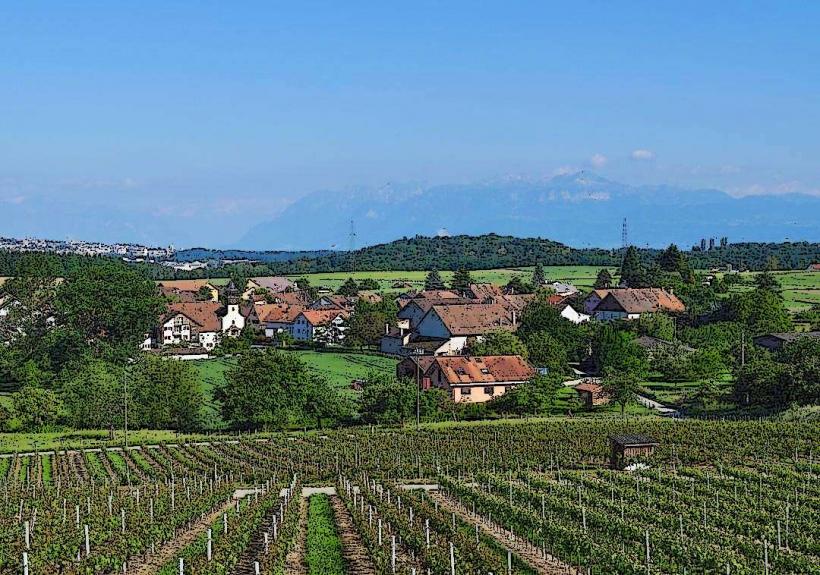
Lavaux Vineyards: A UNESCO World Heritage site featuring 800 hectares of terraced vineyards, 10 mins east by train.
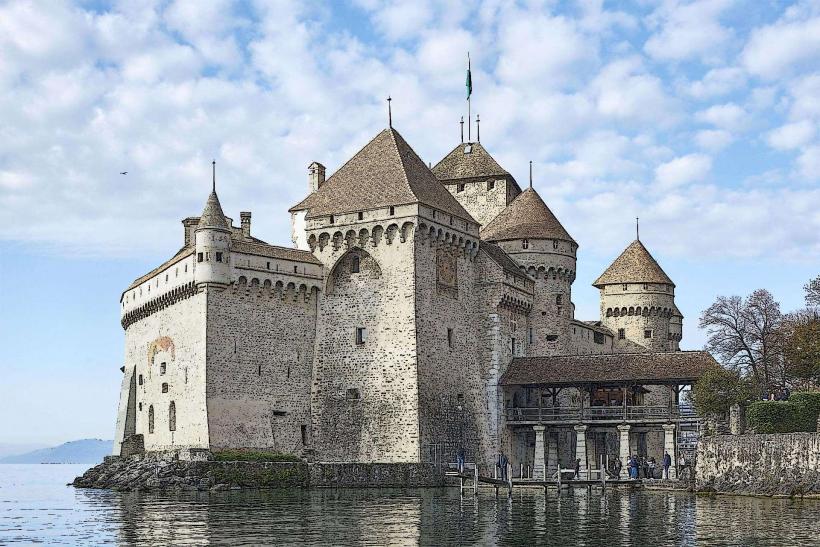
Montreux & Chillon Castle: A world-famous resort town and medieval fortress, 20 mins east.
Glacier 3000: A high-alpine experience featuring a suspension bridge between peaks, 1 hour 30 mins away.
Facts & Legends
Lausanne is the site of the legend of the Giantess Vaud, who is said to have formed the surrounding hills with the contents of her apron. Historically, it is where T.S. Eliot composed most of The Waste Land while receiving psychiatric treatment. A verified fact is that the Cathedral’s night watchman is one of the last in Europe to still shout the time ("C'est le guet, il a sonné l'heure!") every hour between 10 PM and 2 AM.