Information
City: Lexington MACountry: USA Massachusetts
Continent: North America
Lexington MA, USA Massachusetts, North America
Lexington is an independent town in Middlesex County, situated 15 km (10 miles) northwest of Boston. Known as the "Birthplace of American Liberty," it is defined by its role as the site of the first battle of the American Revolution, its highly preserved colonial landscape, and its current status as an affluent, high-achieving residential suburb with deep ties to the regional technology and education sectors.
Historical Timeline
Inhabited by the Pawtucket people for millennia. Primary governance eras include its 1642 founding as a parish of Cambridge and its 1713 incorporation as a town. The critical historical event occurred on April 19, 1775, when the "shot heard 'round the world" was fired on the Lexington Common (now the Battle Green), marking the first armed conflict between American colonists and British regulars. During the 20th century, the town transitioned from an agricultural community into a premier "professional" suburb, spurred by the growth of the Route 128 "Technology Highway."
Demographics & Population
The population is approximately 34,500. The demographics are White (60%), Asian (31%), Hispanic or Latino (3%), and Black or African American (2%). It is one of the most affluent municipalities in Massachusetts, with a median household income exceeding $200,000. It is characterized by an exceptionally high percentage of residents holding advanced degrees (over 50%).
Urban Layout & Key Districts
Lexington is organized around a historic center and several residential "villages."
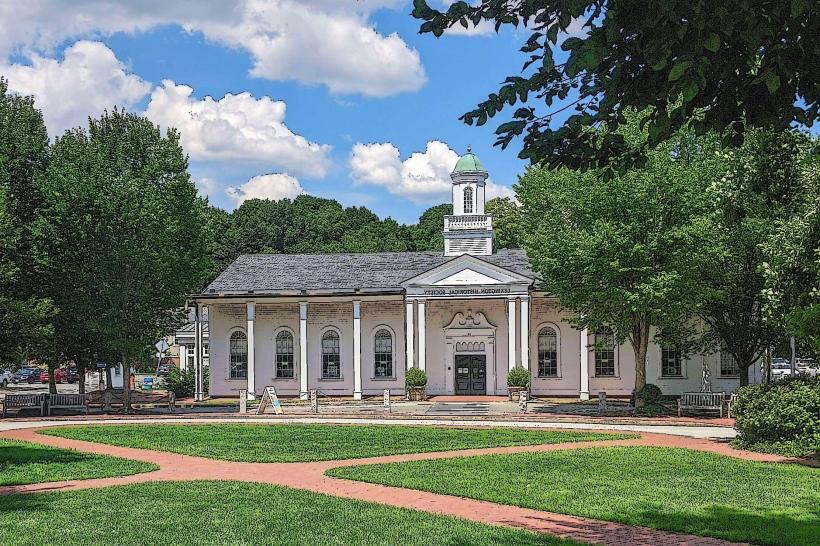
Lexington Center: The commercial and civic heart, featuring the Battle Green, independent retail, and colonial-era architecture.
East Lexington: A mix of residential and light commercial areas along Massachusetts Avenue, featuring historic mill buildings and the Follen Church.
North Lexington: Characterized by larger residential lots and proximity to the Minuteman Regional High School.
Lexington Ridge / Route 2 Corridor: Home to several corporate headquarters and high-density office parks.
Top City Landmarks
Lexington Battle Green: The site of the first skirmish of the American Revolution; a National Historic Landmark.
Minute Man National Historical Park: Spanning the border with Lincoln and Concord, preserving the "Battle Road" route of the British retreat.
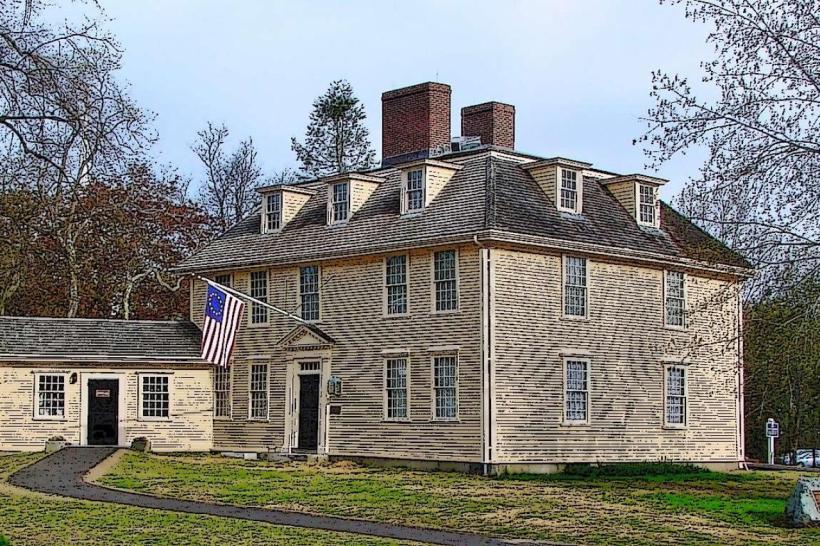
Buckman Tavern: The 1710 meeting place where the Lexington Militia gathered on the morning of the battle.
Hancock-Clarke House: The parsonage where Samuel Adams and John Hancock were staying when Paul Revere arrived to warn them.
Munroe Tavern: Served as a temporary field hospital and headquarters for the British troops during the battle.
Minuteman Commuter Bikeway: An 18-km (11-mile) rail-trail used by thousands of commuters and recreational cyclists.
Transportation Network
Movement is serviced by the Lexpress (local bus system) and MBTA Bus Route 76/77 connecting to the Alewife Red Line station. The town is bisected by I-95 (Route 128) and Route 2. Commercial air service is via Logan International (BOS), 25 km southeast. It is a highly bikeable community. Traffic density is high along Massachusetts Avenue and at the I-95 interchanges during peak hours.
Safety & "Red Zones"
The general safety level is exceptionally high. Lexington is consistently ranked among the safest communities in the United States. Property crime, specifically "theft from unlocked vehicles" and residential "porch piracy," is the primary issue. There are no designated "red zones." Environmental hazards are minimal, primarily limited to winter snow emergencies.
Digital & Financial Infrastructure
Internet speeds average 600+ Mbps with fiber availability via Verizon Fios and Xfinity. Main mobile carriers are Verizon, AT&T, and T-Mobile. Card acceptance is universal. ATMs are concentrated in Lexington Center.
Climate & Air Quality
Temperatures range from -6°C to 2°C in winter and 18°C to 28°C in summer. Subject to the typical New England four-season cycle. Air quality is high, benefiting from extensive conservation lands and a significant tree canopy.
Culture & Social Norms
The standard tipping percentage is 20–25%. A handshake is the standard greeting. Dress codes are "Suburban-Professional" or "Academic-Casual." The town is culturally defined by its revolutionary history, its intense focus on public education performance, and the annual Patriots' Day re-enactment of the 1775 battle.
Accommodation Zones
Lexington Center: Recommended for historic boutique stays and proximity to monuments.
I-95 / Forbes Rd: Recommended for standard national hotel chains and business travel.
Local Cost Index
1 Espresso: $4.75 (USD)
1 Standard Lunch: $22.00 (USD)
1 MBTA Bus Fare: $1.70 (Single).
Nearby Day Trips
Concord: (10 km west; literary and revolutionary history).
Boston: (15 km southeast).
Walden Pond: (12 km west).
Facts & Legends
Lexington has more residents per capita listed in Who's Who than almost any other American town. Historically, the town was home to the first "Normal School" (teacher's college) in the U.S. A local legend involves the "Ghost of Buckman Tavern," a rumored spectral figure of a 1775 militiaman. Another legend concerns "The Hidden Cannon of 1775," a rumored piece of artillery buried by retreating British forces that has never been recovered.