Information
City: Little RockCountry: USA Arkansas
Continent: North America
Little Rock, USA Arkansas, North America
Little Rock is the capital and most populous city of Arkansas, serving as the administrative seat of Pulaski County. It is situated on the south bank of the Arkansas River in the geographic center of the state, functioning as a major center for government, transportation, and healthcare.
Historical Timeline
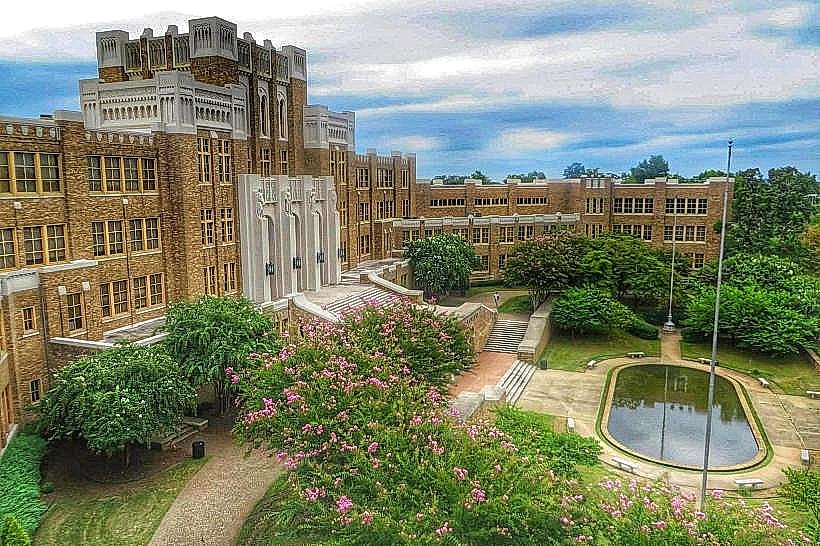
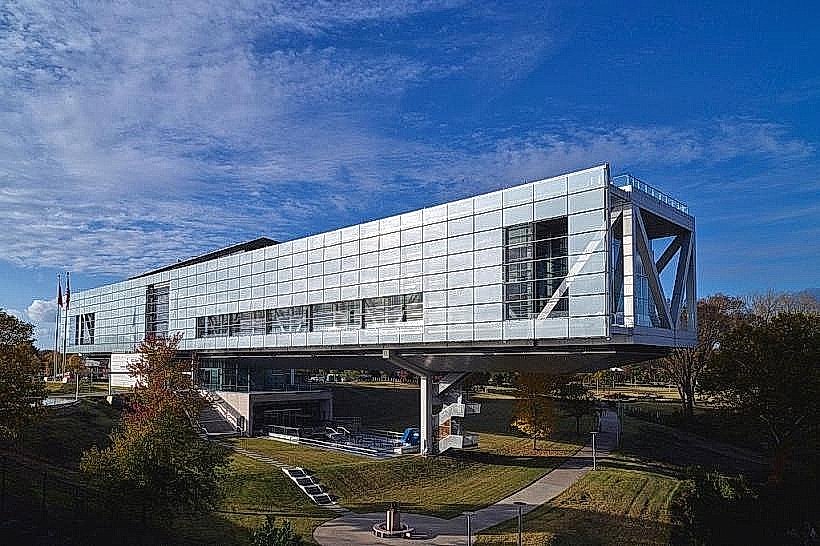
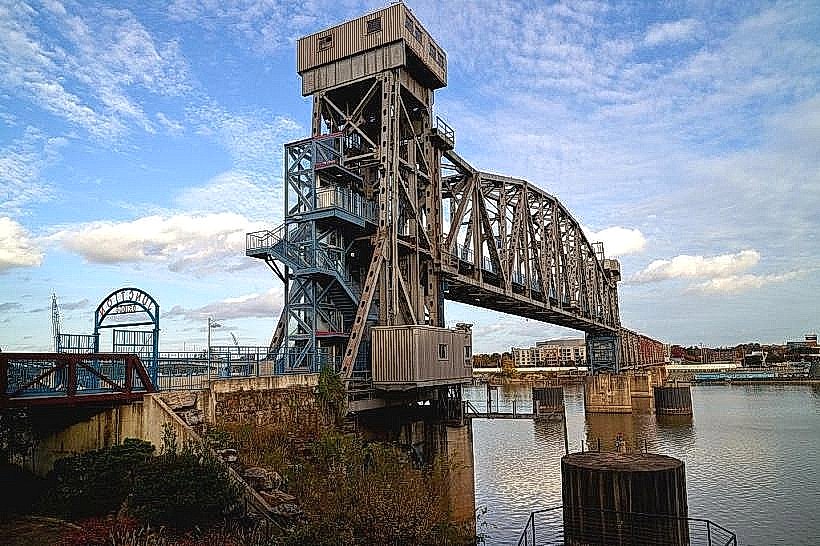
The city was named after a rock formation on the riverbank called La Petite Roche by French explorer Jean-Baptiste Bénard de la Harpe in 1722. It became the capital of the Arkansas Territory in 1821. The most significant architectural and political event in the city’s history was the 1957 integration of Little Rock Central High School, where the "Little Rock Nine" challenged racial segregation under federal protection. The primary event shaping the modern urban form was the 2004 opening of the Clinton Presidential Center, which triggered the revitalization of the River Market District.
Demographics & Population
The total population within city limits is 202,864. The top three demographics are Black or African American (40.9%), White (40.1%), and Hispanic or Latino (7.5%). The median age is 36.6 years.
Urban Layout & Key Districts
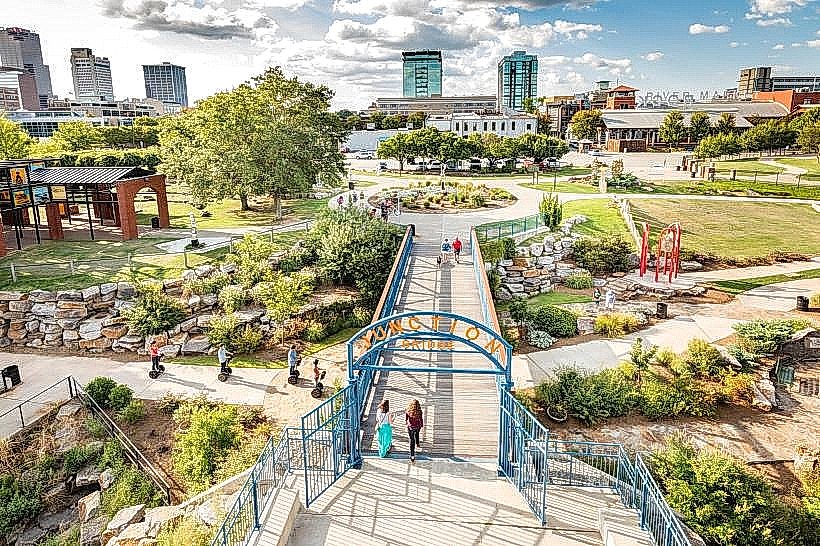
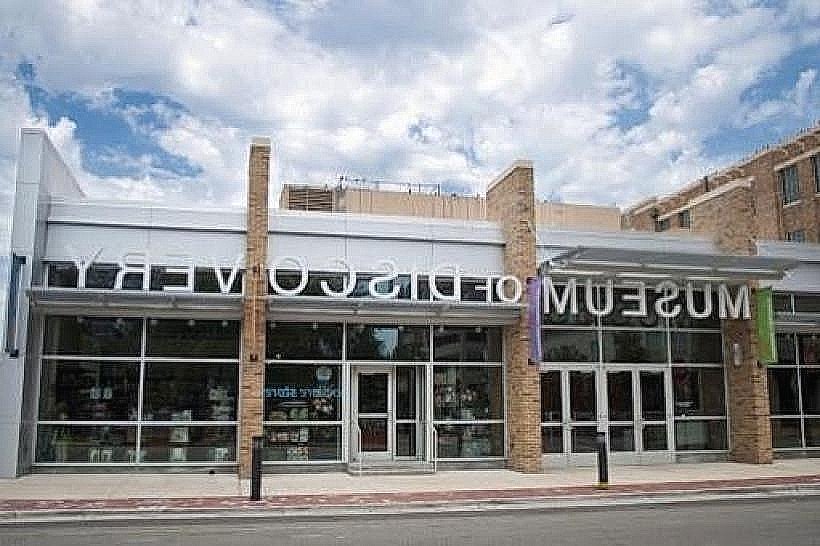
River Market District (Central): The primary entertainment and cultural hub featuring museums, hotels, and the Ottenheimer Market Hall.
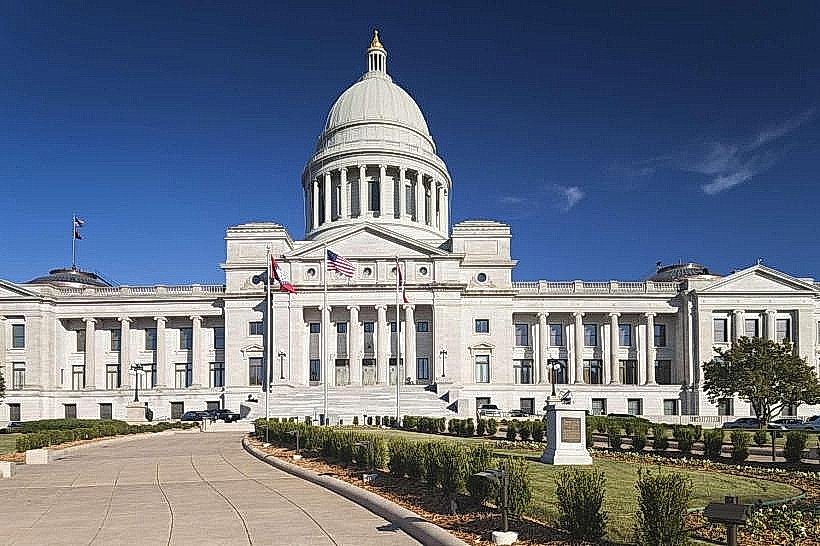
Capitol District (West of Downtown): Focused on state government operations and the Arkansas State Capitol.
The Heights & Hillcrest (North-Central): Historic residential neighborhoods with high-density boutique retail and dining.
Quapaw Quarter (South): Contains the city's oldest residential structures, including Victorian and Queen Anne-style mansions.
Top City Landmarks
Little Rock Central High School National Historic Site: A functioning school and civil rights landmark.
William J. Clinton Presidential Library and Museum: Part of the National Archives.
Arkansas State Capitol: A neo-classical structure built using Arkansas limestone.
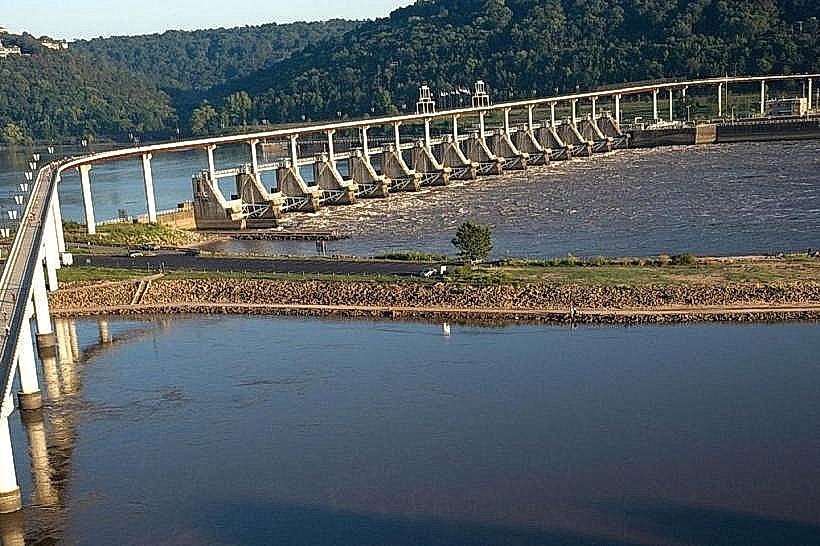
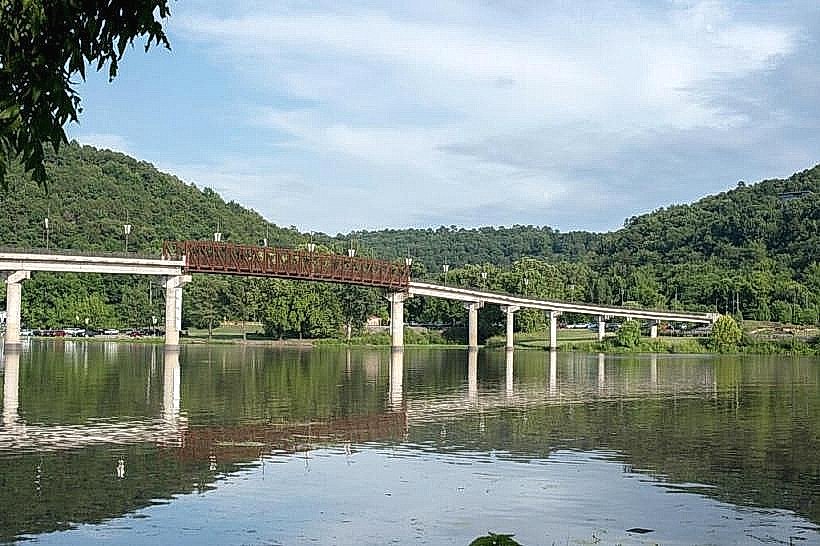
The Big Dam Bridge: The longest pedestrian/bicycle bridge in North America built specifically for that purpose.
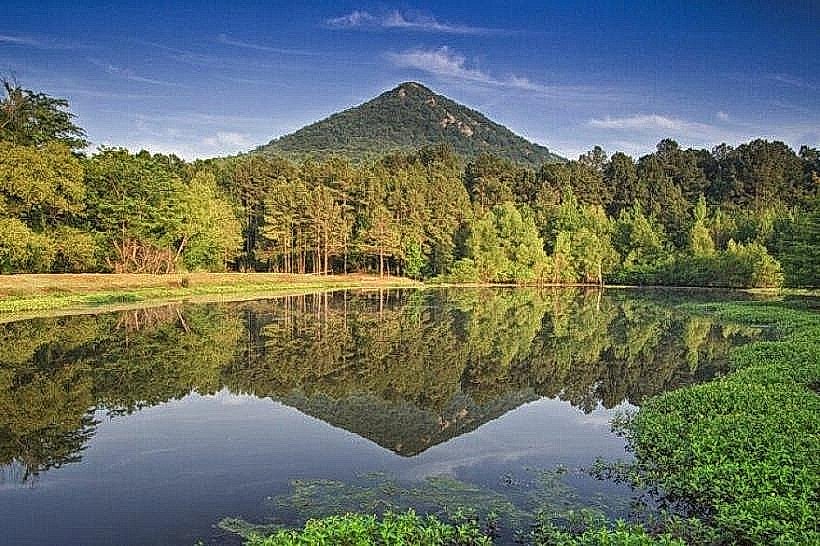
Pinnacle Mountain State Park: A significant geological landmark located just west of the city.
Transportation Network
Movement is facilitated by Rock Region METRO, which operates fixed-route buses and the METRO Streetcar, a 3.4-mile vintage trolley system connecting Little Rock and North Little Rock. There is no heavy rail metro. Ride-sharing via Uber and Lyft is highly active. Traffic density is moderate, with peak congestion localized to the I-630 (Wilbur D. Mills Freeway) and I-30 interchange.
Safety & "Red Zones"
The general safety level is low to moderate. Violent and property crime rates are significantly higher than the national average. Areas south of I-630 and certain sections of the "Boyle Park" neighborhood report the highest crime statistics. The River Market and Hillcrest districts are generally safer but require standard urban vigilance. Common scams involve vehicle break-ins and aggressive panhandling in the downtown core.
Digital & Financial Infrastructure
Average internet speed is 200–500 Mbps, with fiber services provided by AT&T and HyperFiber. Main mobile carriers are Verizon, AT&T, and T-Mobile. Card acceptance is universal. ATMs are widely available at Simmons Bank, Bank OZK, and local convenience stores.
Climate & Air Quality
Temperatures range from 0°C to 11°C in winter (January) and 23°C to 34°C in summer (July). Specific weather risks include high humidity and a high frequency of severe thunderstorms and tornadoes, particularly in spring. Air quality is consistently high, though summer humidity can lead to "Moderate" AQI levels for ozone.
Culture & Social Norms
The standard tipping percentage is 18–20%. Greetings are polite and often formal; the use of "Sir" and "Ma'am" is standard. Dress code is casual, though business attire is expected in the Capitol and Financial districts. Smoking is prohibited in most public indoor spaces.
Accommodation Zones
River Market: Stay here for immediate access to nightlife, the presidential library, and the streetcar.
West Little Rock: Stay here for modern hotel chains, high-end shopping at the Promenade at Chenal, and lower crime rates.
Local Cost Index
1 Espresso: $4.75
1 Standard Lunch: $16.00
1 METRO Bus Fare: $1.35
Nearby Day Trips
Hot Springs / Hot Springs National Park: (85 km)
Conway, AR: (50 km)
Petit Jean State Park: (105 km)
Eureka Springs: (300 km)
Facts & Legends
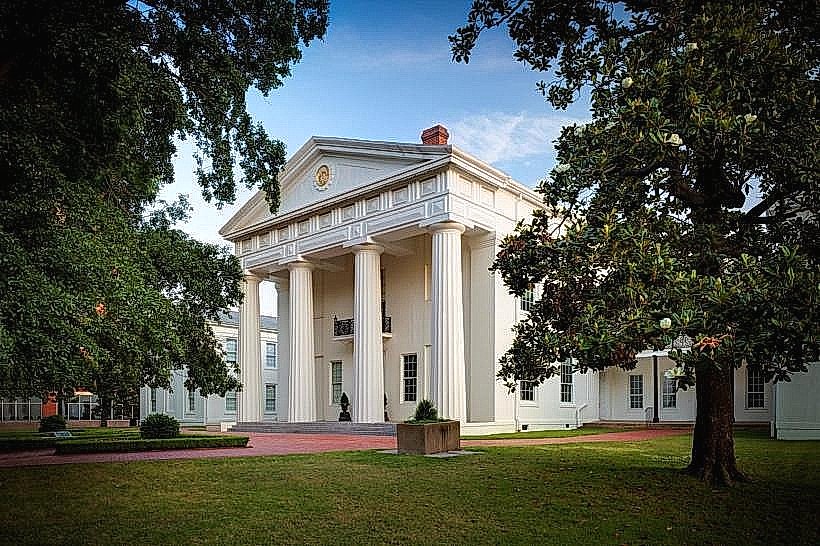
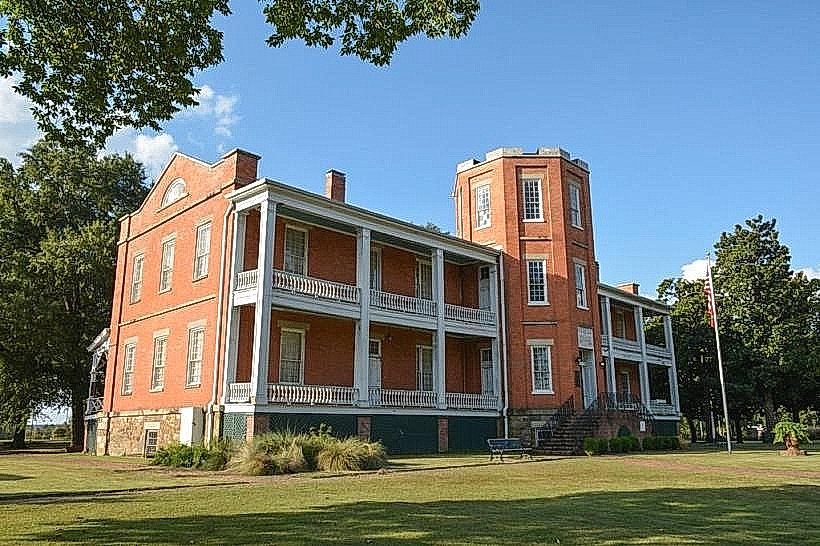
Little Rock is home to the "Old State House," the oldest standing state capitol building west of the Mississippi River. A local legend involves "The Dogtown Myth," the origin of the nickname for North Little Rock; it is claimed that Little Rock residents used to dump their stray dogs on the north bank of the river, though the name is now embraced as a point of pride. A verified historical oddity is that the city’s namesake "Little Rock" was nearly destroyed during the construction of a railway bridge in 1872; only a portion of the original formation remains visible at La Petite Roche Plaza.