Information
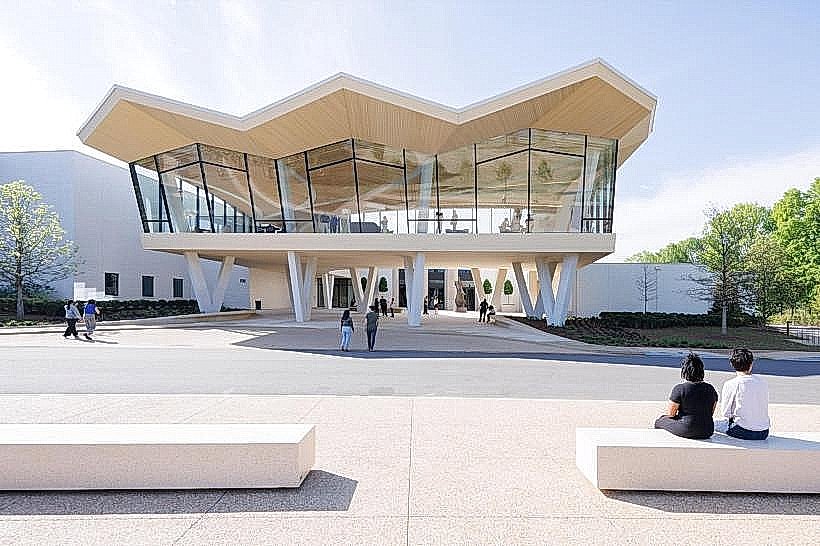
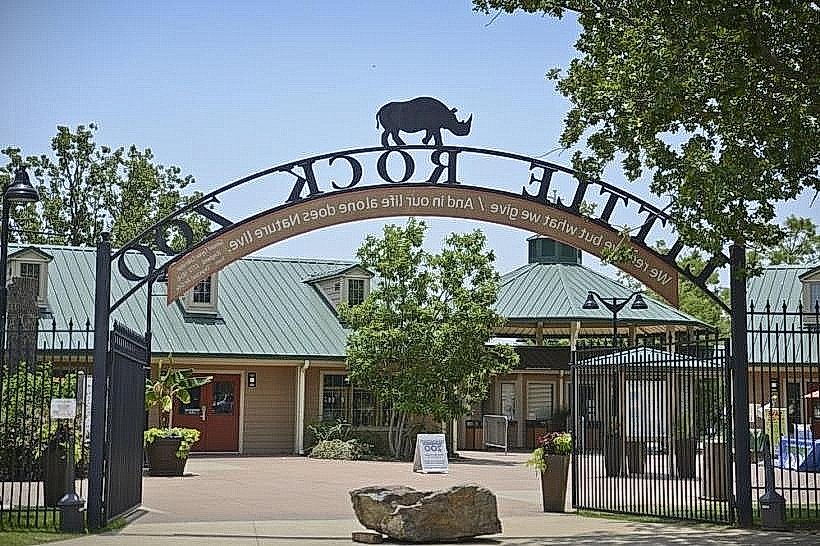
Landmark: Heifer International HeadquartersCity: Little Rock
Country: USA Arkansas
Continent: North America
Heifer International Headquarters, Little Rock, USA Arkansas, North America
The Smith Robertson Museum and Cultural Center is a museum dedicated to African American history and culture located in Jackson, Mississippi.
Visual Characteristics
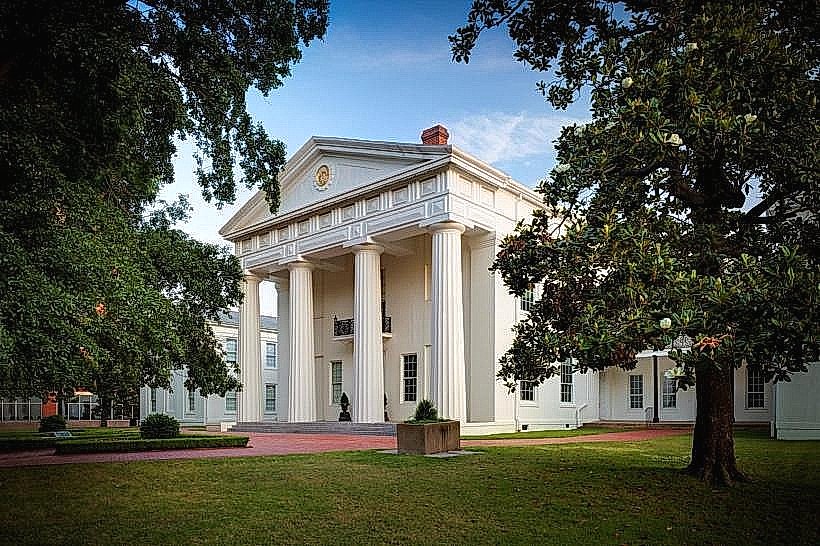
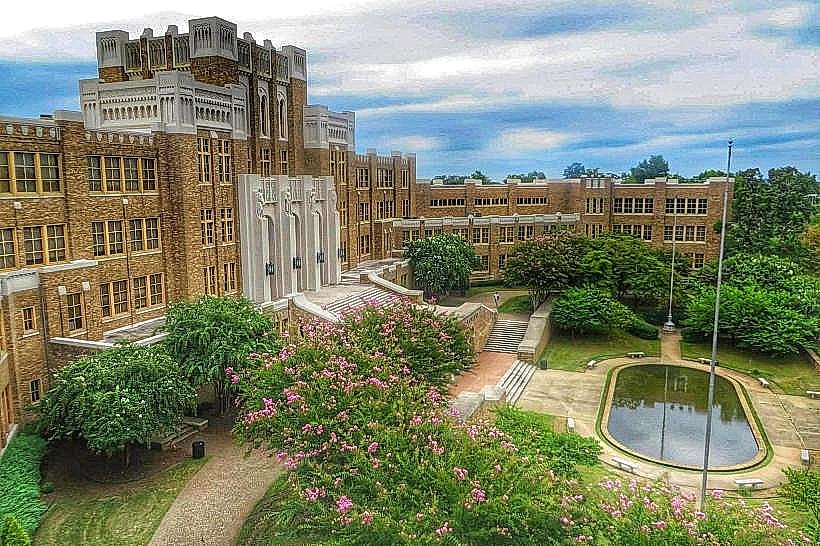
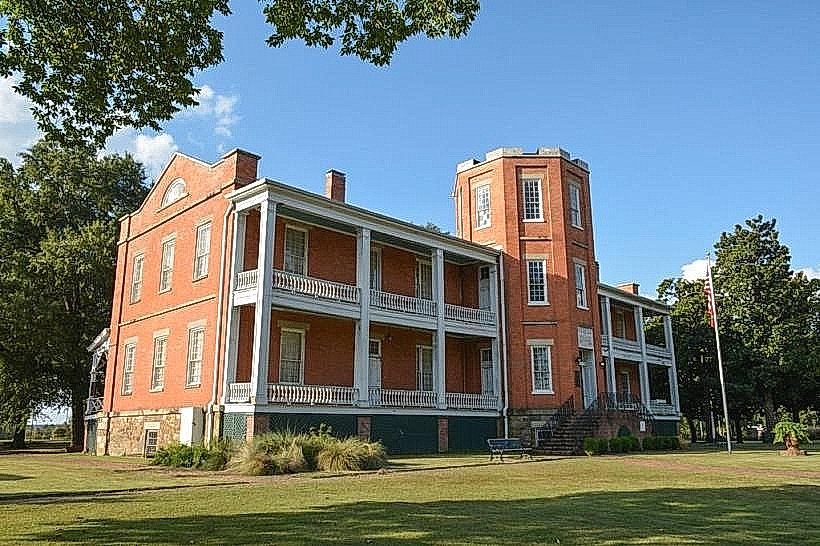
The museum is housed in a former elementary school building constructed from red brick. The building features a classical architectural style with a prominent portico and large windows. The interior exhibits are displayed within multiple gallery rooms.
Location & Access Logistics
The museum is situated at 528 Bloom Street, Jackson, Mississippi, approximately 1.5 miles south of downtown Jackson. Access is via Bloom Street, which connects to State Street. Limited on-site parking is available. Public transport options include the Jackson Transit Authority bus routes that service the downtown area and surrounding neighborhoods; Route 14 stops within walking distance.
Historical & Ecological Origin
The building was originally constructed in 1925 as the Smith Robertson School, one of the first public schools for African American children in Jackson. It served as an educational institution until 1971. The building was later repurposed and opened as the Smith Robertson Museum and Cultural Center in 1975.
Key Highlights & Activities
Exhibits focus on the history of African Americans in Mississippi, including displays on slavery, the Civil Rights Movement, and contemporary Black culture. The museum hosts rotating exhibitions and educational programs. Visitors can explore permanent collections detailing local history and significant figures.
Infrastructure & Amenities
Restrooms are available on-site. Limited seating is provided within exhibition areas. Cell phone signal (4G/5G) is generally available within the museum. No on-site food vendors are present, but dining options are available in nearby downtown Jackson.
Best Time to Visit
The museum is open Tuesday through Saturday. Mid-morning or early afternoon visits are recommended to allow sufficient time for viewing exhibits. The best time of year for comfortable travel to Jackson is spring (March-May) or fall (September-November).
Facts & Legends
The Smith Robertson School was named after Dr. John D. Smith and Dr. William H. Robertson, prominent African American physicians who advocated for the education of Black children in Jackson.
Nearby Landmarks
- Mississippi Civil Rights Museum - 1.2km Northwest
- Museum of Mississippi History - 1.3km Northwest
- Old Capitol Museum - 1.8km North
- Mississippi State Capitol - 2.0km North
- Thalia Mara Hall - 0.8km West