Information
City: LucerneCountry: Switzerland
Continent: Europe
Lucerne, Switzerland, Europe
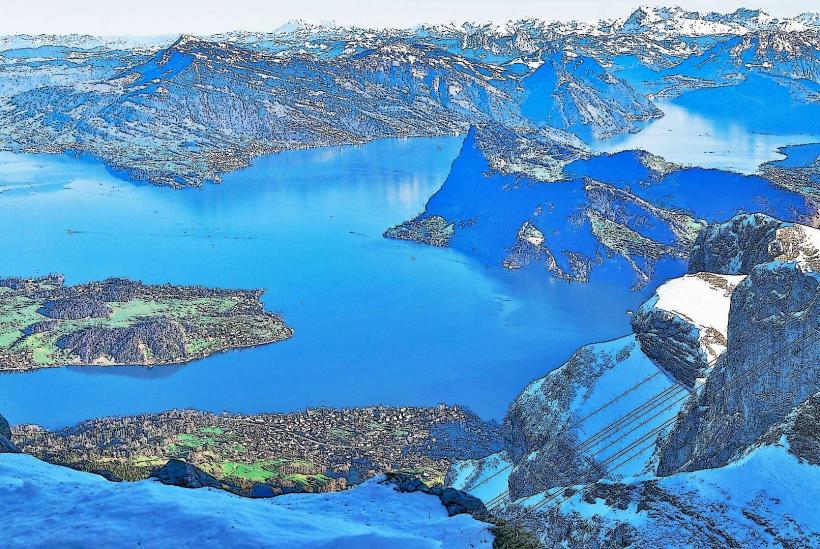
Lucerne functions as the primary gateway to Central Switzerland and a global center for Alpine tourism. Situated on the shores of Lake Lucerne (Vierwaldstättersee) at the foot of Mount Pilatus and Mount Rigi, it serves as a critical node for the Swiss watch industry, international music festivals, and high-end hospitality.
Historical Timeline
Lucerne originated as a small Benedictine monastery (St. Leodegar) around 750 AD. The primary era of governance began in 1332 when it became the first city to join the Swiss Confederation. The primary event shaping its modern identity was the mid-19th century tourism boom, driven by the visits of Queen Victoria and the expansion of the Swiss Federal Railways, which transformed the city from a strategic outpost into a world-renowned destination.
Demographics & Population
The population is approximately 84,000, with a metropolitan area exceeding 220,000. The demographic profile is stable, with a high concentration of professionals in the education, tourism, and medical sectors. German is the official language, with Central Swiss German (Luzernerdeutsch) as the spoken vernacular. The median age is approximately 42 years.
Urban Layout & Key Districts
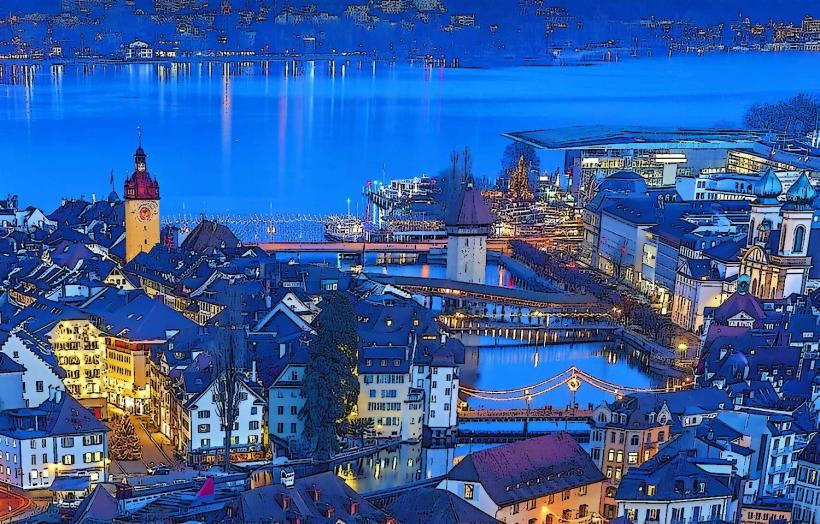
The city is organized around the mouth of the Reuss River and the western basin of Lake Lucerne.
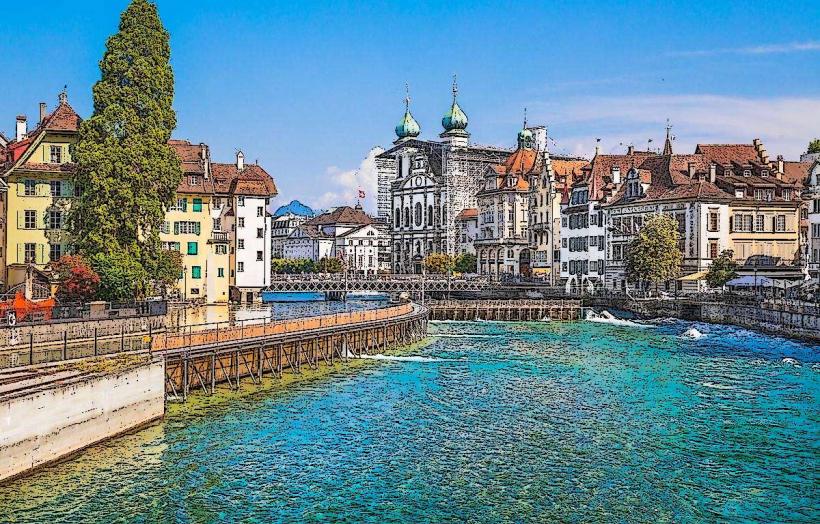
Altstadt (Old Town): A specialized pedestrian heritage district on the right bank, featuring medieval squares and painted facades.
Neustadt (New Town): A 19th-century urban expansion on the left bank, housing the primary rail hub, university, and arts district.
Tribschen: A specialized residential and cultural peninsula, home to the Richard Wagner Museum and lakeside parks.
Littau: An industrial and residential district on the western periphery of the city.
Top City Landmarks
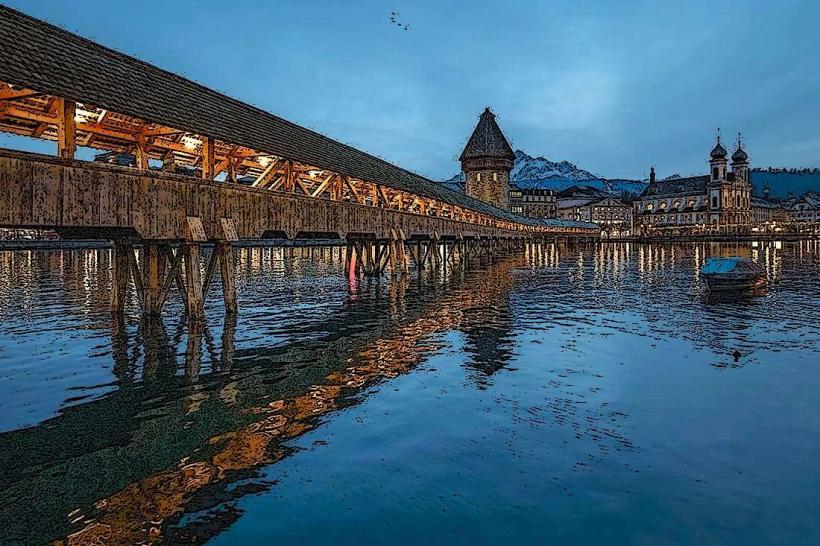
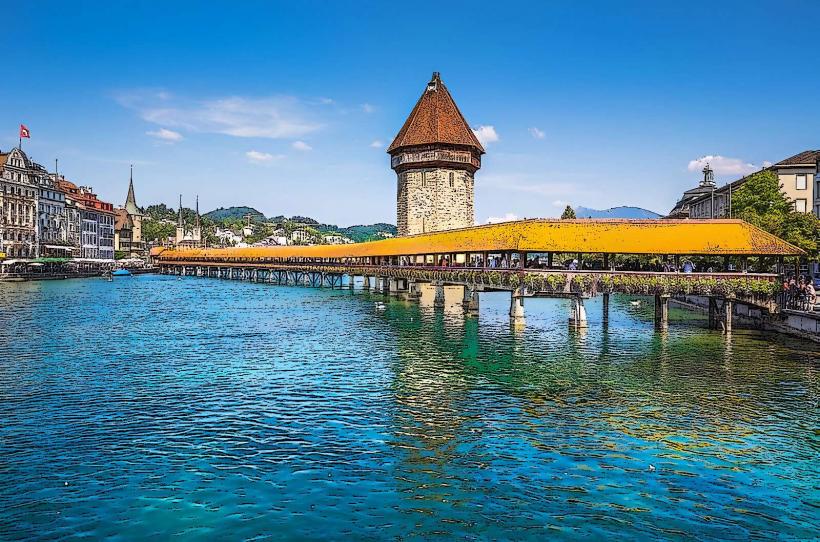
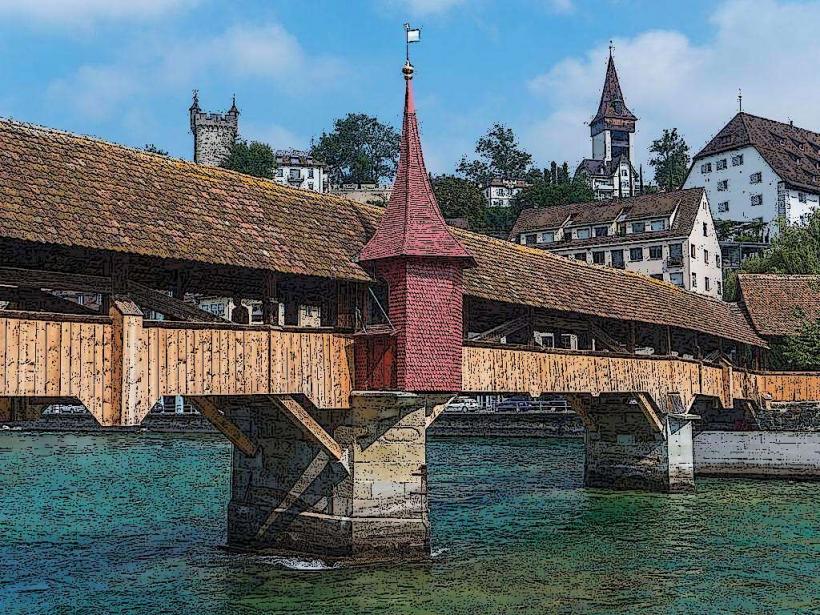
Kapellbrücke (Chapel Bridge): A 14th-century covered wooden bridge featuring 17th-century triangular paintings; the oldest of its kind in Europe.
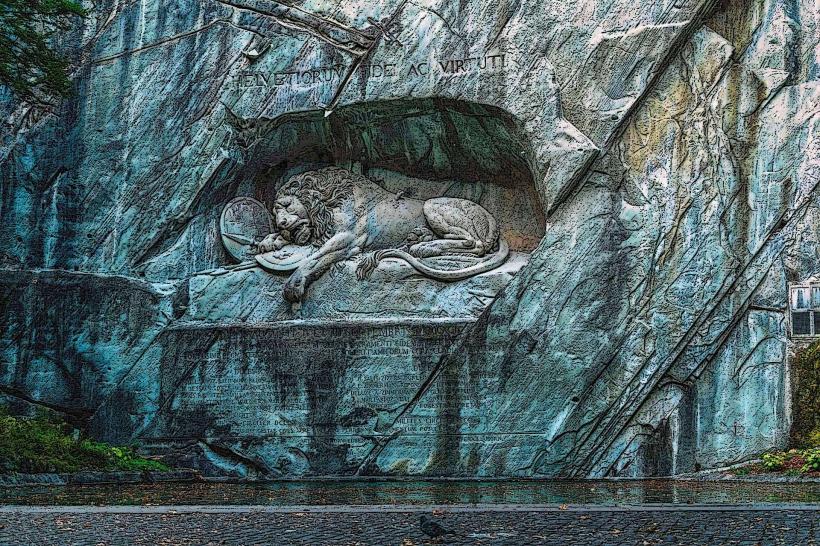
Lion Monument (Löwendenkmal): A 19th-century rock relief commemorating the Swiss Guards massacred during the French Revolution.
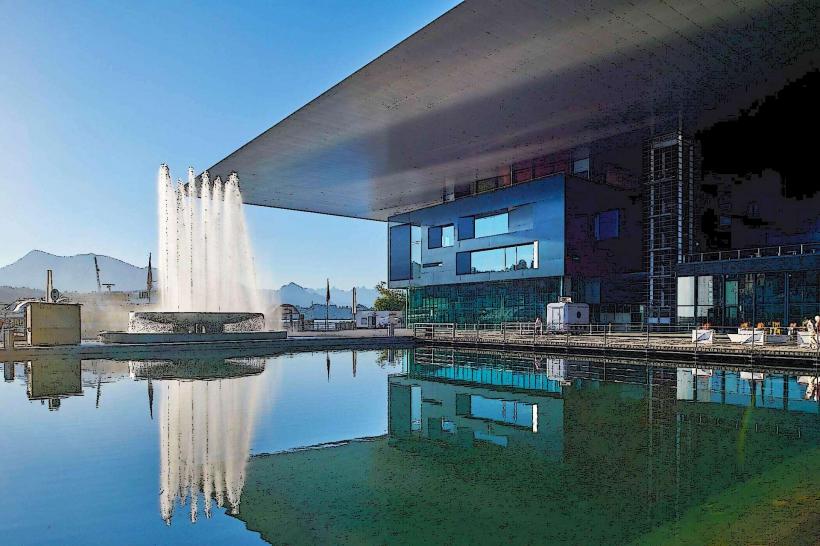
KKL (Culture and Convention Centre): A modern architectural landmark designed by Jean Nouvel, world-renowned for its acoustics.
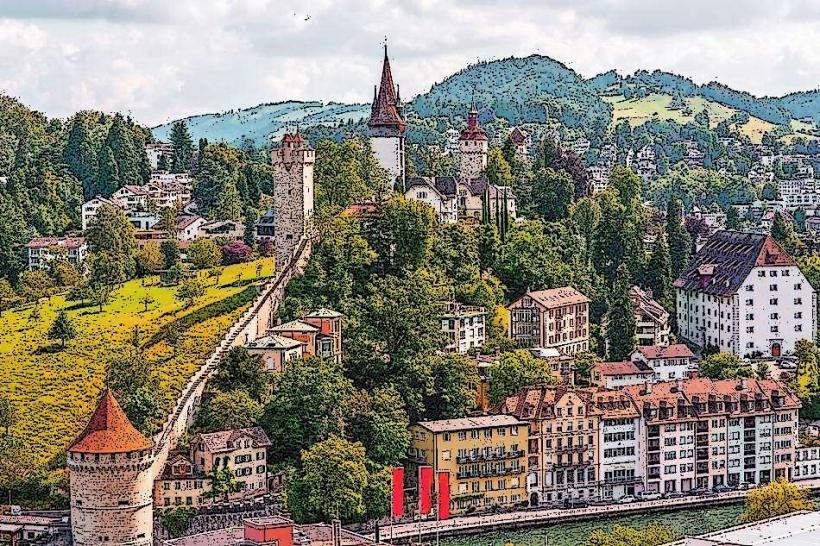
Musegg Wall: A 14th-century defensive fortification featuring nine stone towers overlooking the city.
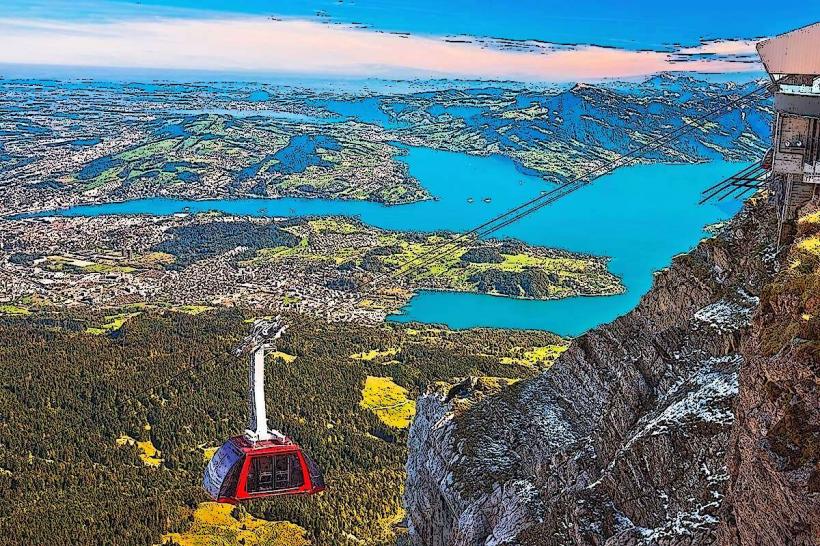
Mount Pilatus: Accessible via the world's steepest cogwheel railway (48% gradient) starting from nearby Alpnachstad.
Transportation Network
Movement is dominated by the VBL (Lucerne Public Transport) and the lake navigation company (SGV).
Luzern Bahnhof: A major rail hub connecting to Zurich (45 mins), Bern (60 mins), and Basel.
VBL Buses: High-frequency network connecting all urban districts.
Lake Steamers: A specialized transit network of paddle steamers and modern motor vessels serving the lake's various cantons.
Traffic is restricted in the Old Town; the city is highly walkable.
Safety & "Red Zones"
The general safety level is extremely high. Crime is statistically negligible. There are no "red zones." Minor pickpocketing can occur during peak tourist season near the Chapel Bridge and the train station.
Digital & Financial Infrastructure
Internet speeds average 100–1000 Mbps via fiber. 5G coverage is universal. Card and mobile payments (TWINT, Apple Pay) are standard. ATMs are ubiquitous in the city center. Lucerne is a major international hub for the retail of luxury timepieces (Bucherer headquarters).
Climate & Air Quality
Lucerne has a maritime temperate climate influenced by its proximity to the Alps. It frequently experiences the Föhn, a warm southerly wind that provides extreme clarity and increased temperatures. Daytime temperatures range from 3°C in January to 24°C in July. Air quality is very high.
Culture & Social Norms
Lucerne social norms emphasize formality and appreciation for the arts. Tipping is included in prices, though rounding up is customary. The city is famous for Fasnacht (February), a pre-Lenten carnival featuring "Guggenmusig" bands and elaborate masks, and the Lucerne Festival, one of the world's leading classical music events.
Accommodation Zones
Lakefront/Old Town: Recommended for high-end stays and proximity to major sights.
Neustadt: Recommended for business travel and proximity to the rail hub.
Weggis/Vitznau: Nearby lakeside villages recommended for luxury wellness resorts.
Local Cost Index
1 Espresso: 4.60 CHF
1 Pint of Beer: 7.50–9.00 CHF
1 Standard Lunch: 22.00–35.00 CHF
Nearby Day Trips
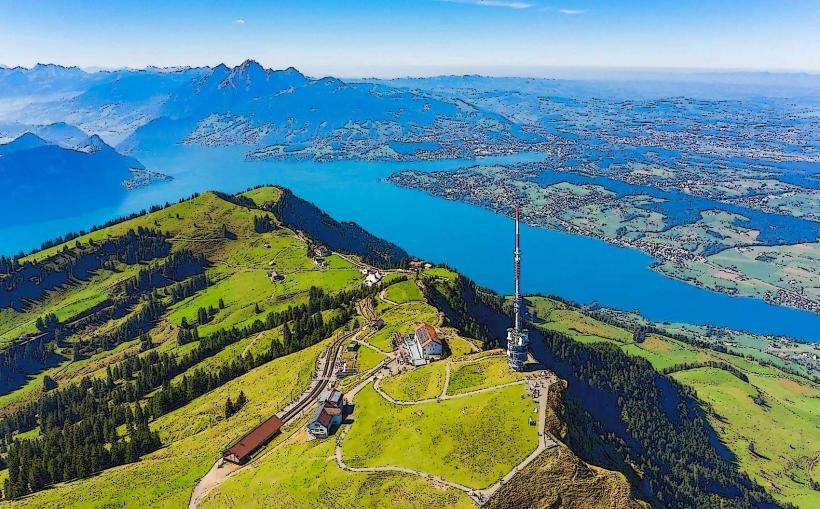
Mount Rigi: The "Queen of the Mountains," accessible by vintage cogwheel train.
Stanserhorn: Home to the "CabriO" open-top cable car.
Engelberg-Titlis: A major year-round Alpine resort and glacier 40 km south.
Bürgenstock Resort: A luxury cliffside complex accessible by funicular from the lake.
Facts & Legends
Lucerne is the setting for the legend of William Tell, who is said to have shot an apple off his son’s head in the nearby Uri region. Historically, the city was the capital of the short-lived Helvetic Republic (1798–1799). A verified fact is that the Chapel Bridge was partially destroyed by a fire in 1993 and rebuilt in just eight months. Legend states that Mount Pilatus is named after Pontius Pilate, whose spirit was believed to haunt the lake at the mountain's summit.