Information
Landmark: Swiss Museum of TransportCity: Lucerne
Country: Switzerland
Continent: Europe
Swiss Museum of Transport, Lucerne, Switzerland, Europe
The Swiss Museum of Transport (Verkehrshaus der Schweiz) in Lucerne is Switzerland’s most visited museum, functioning as a comprehensive thematic park for mobility, communication, and energy.
Visual Characteristics
The museum complex comprises several distinct architectural volumes arranged around a large central courtyard.
Road Transport Hall: Reminiscent of a multi-story parking garage, its facade is clad in over 340 recycled Swiss road signs, place-name signs, and instructional markers.
FutureCom (Entrance Building): Features a translucent glass facade made of profiled glass that acts as a giant display case, housing over 5,000 car rims and aircraft propellers.
Materials: Extensive use of sheet metal, profiled glass, concrete, and industrial steel, reflecting the technological nature of the exhibits.
Location & Access Logistics
The museum is located at Lidostrasse 5, 6006 Lucerne, on the northern shore of Lake Lucerne.
Road Access: Reachable via Haldenstrasse. Metered parking is available on-site.
Public Transport: * Train: S3 or Voralpen-Express to the "Luzern Verkehrshaus" station (8 minutes from Lucerne main station).
Bus: Lines 6, 8, or 24 to the "Verkehrshaus" stop (10–12 minutes from city center).
Boat: Seasonal SGV boat services stop at the "Verkehrshaus-Lido" pier.
Historical & Ecological Origin
Established: July 1, 1959.
Origins: Traces back to 1897 efforts to preserve railway history. Following the 1914 national exhibition, the collection moved from Zurich to Lucerne when the city offered the current 22,500 m² lakeside site.
Architects: Notable modern additions (Road Transport Hall and FutureCom) were designed by Gigon/Guyer Architects (Annette Gigon and Mike Guyer) and completed between 2005 and 2009.
Key Highlights & Activities
Car Theatre: An automated high-bay warehouse where visitors select historic cars via touch-screen to be presented on a stage.
Aviation Hall: Houses approximately 30 original aircraft, including a 1909 Dufaux 4 and a Swissair Convair 990.
Rail Transport: Features Switzerland’s first railway rolling stock and a massive model of the Gotthard railway's northern ramp.
Additional Attractions: The Planetarium (18-meter dome), the Swiss Chocolate Adventure (multi-sensory ride), and Switzerland's largest permanent cinema screen.
Infrastructure & Amenities
Facilities: Multiple WC facilities, including barrier-free and diaper-changing rooms.
Environment: Large outdoor courtyard with water basins and shade provided by pavilion structures.
Digital: Strong 5G signal coverage across the Lucerne lakeside area.
Dining: Brasserie-Restaurant with Café Bar and the Mercato self-service restaurant. Picnics are permitted in outdoor areas.
Best Time to Visit
Photography: Late afternoon for "golden hour" shots of the glass facade and lakeside exterior.
Weather: Ideal for rainy days as 80% of exhibits are indoors.
Crowds: To avoid high traffic, visit on weekdays between 10:00 and 12:00. The museum is open 365 days a year.
Facts & Legends
The museum houses the Mésoscaphe, the world's first tourist submarine built by Auguste Piccard for the 1964 Swiss National Exhibition. After being abandoned in a port in Marseille for decades, it was restored and returned to the museum in 2014.
Nearby Landmarks
Lido Luzern (Bathing Beach) - 0.2km South
Richard Wagner Museum - 1.2km Southwest (across water)
Grand Casino Luzern - 1.4km West
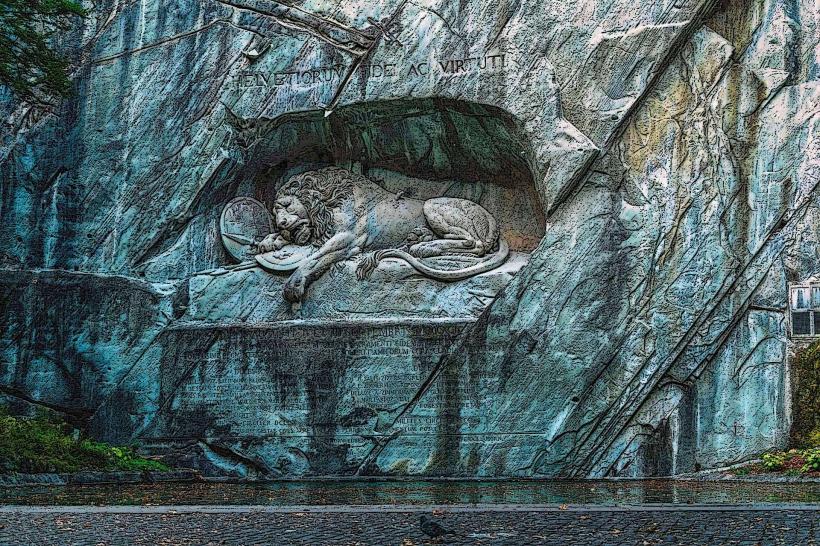
Lion Monument - 1.9km West
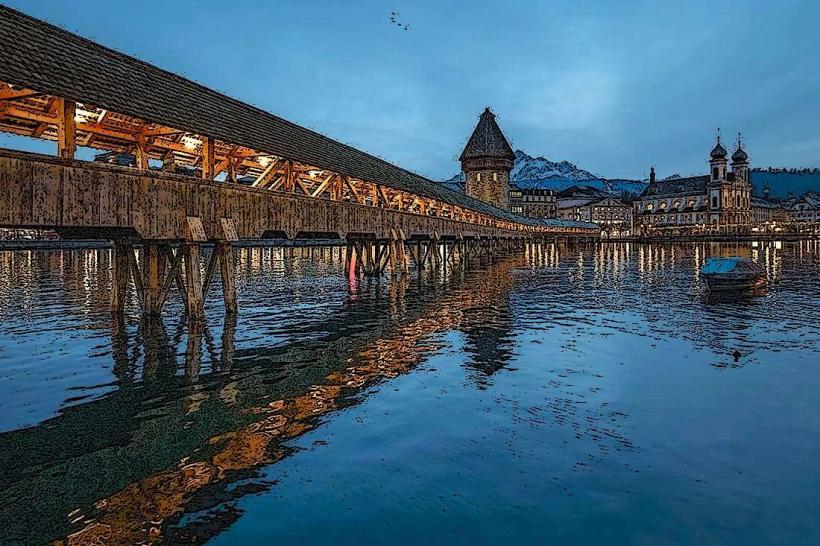
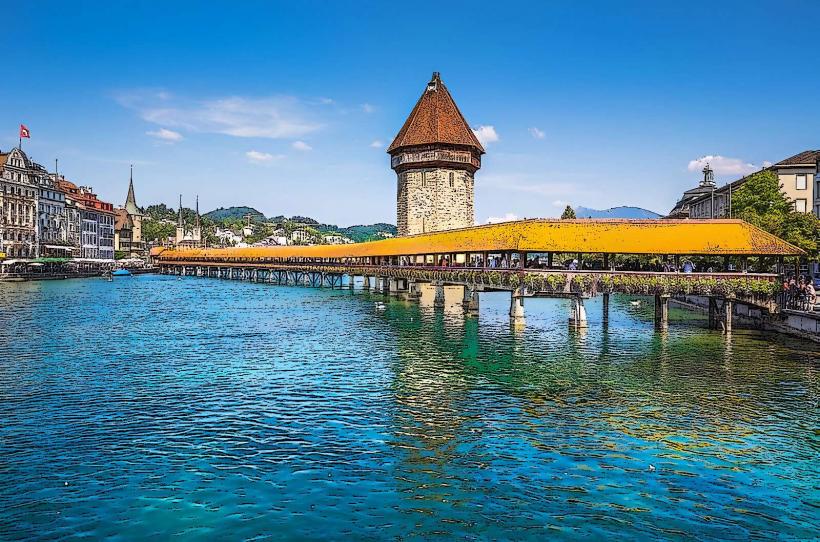
Chapel Bridge (Kapellbrücke) - 2.1km West