Information
City: MadeiraCountry: Portugal
Continent: Europe
Madeira, Portugal, Europe
Madeira is an autonomous volcanic archipelago of Portugal, situated in the North Atlantic Ocean approximately 520 kilometers from the African coast. It is a UNESCO World Heritage site recognized for the world’s largest surviving laurel forest and its complex historical irrigation network.
Visual Characteristics
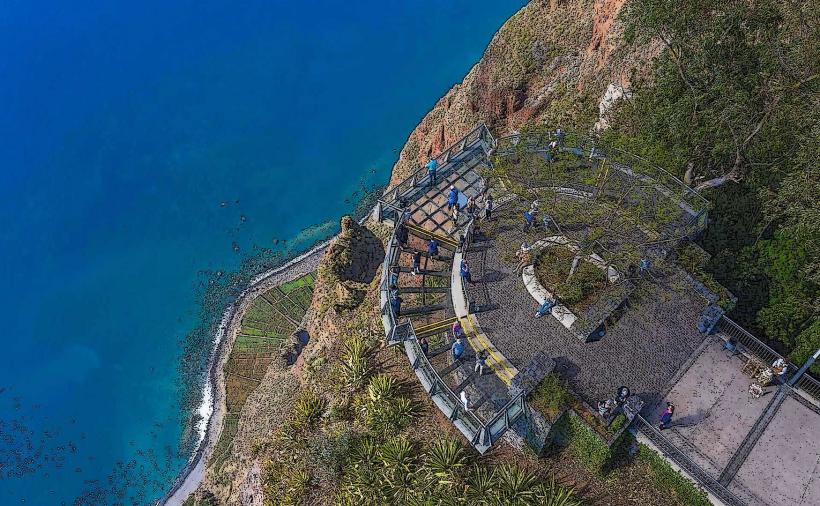
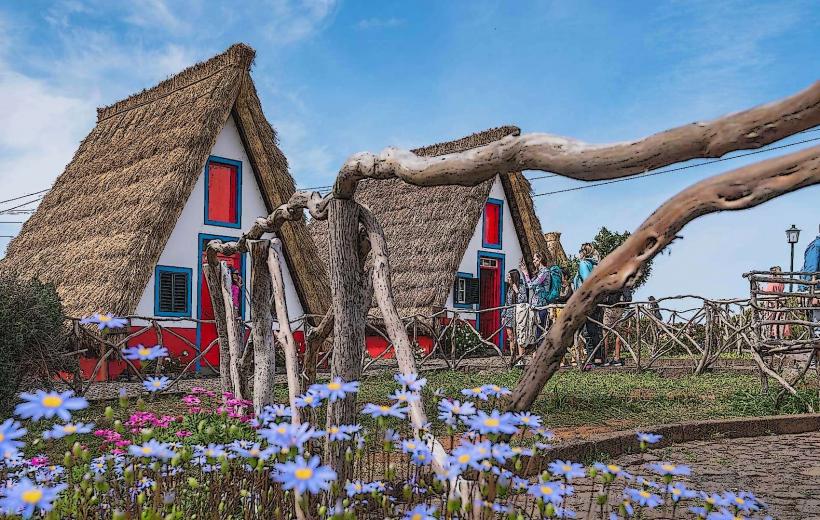
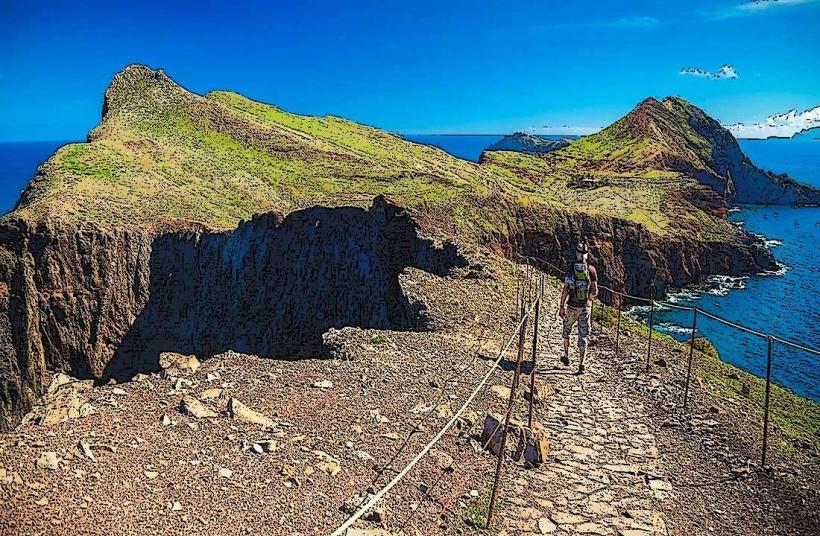
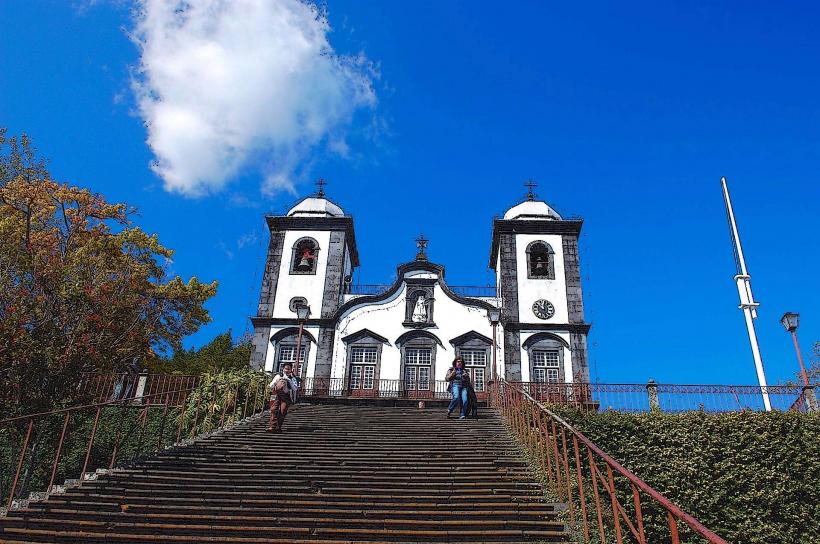
The urban landscape of the capital, Funchal, is defined by an amphitheater-like setting of whitewashed, terracotta-roofed houses rising from the harbor to high-elevation mountain slopes. The island's geography is characterized by dramatic basaltic sea cliffs-including Cabo Girão, one of the highest in Europe-and jagged volcanic peaks. Architecture features the high-density use of black volcanic stone and the iconic "Palheiros" (triangular thatched houses) in Santana.
Location & Access Logistics
Madeira is located 1,000 kilometers southwest of Lisbon. It is served by Cristiano Ronaldo International Airport (FNC), notable for its runway built on a platform supported by 180 massive concrete columns. Transit within the island is facilitated by a high-density network of tunnels and viaducts (the Via Rápida). In Funchal, transport includes a cable car system to Monte and traditional wicker toboggan rides (Carreiros do Monte). Vehicle access to the rugged interior requires high-torque engines; parking is concentrated in multi-story lots in downtown Funchal (e.g., Plaza Shopping).
Historical & Ecological Origin
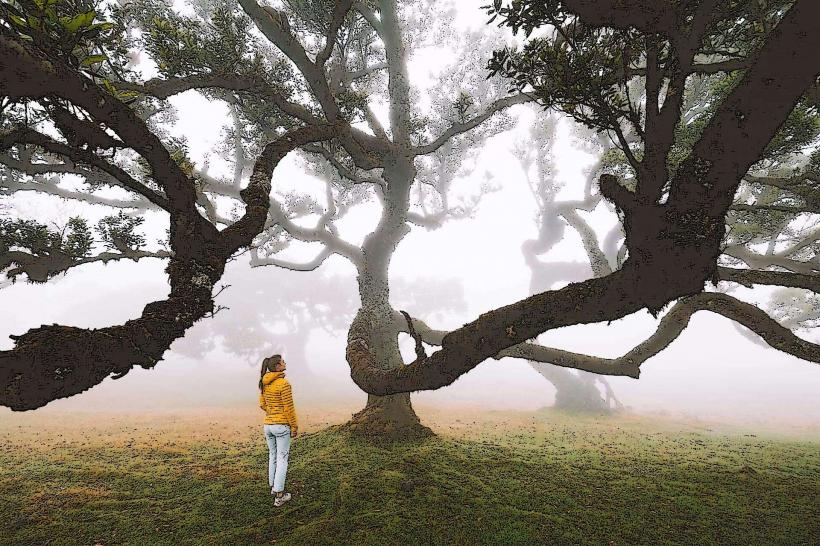
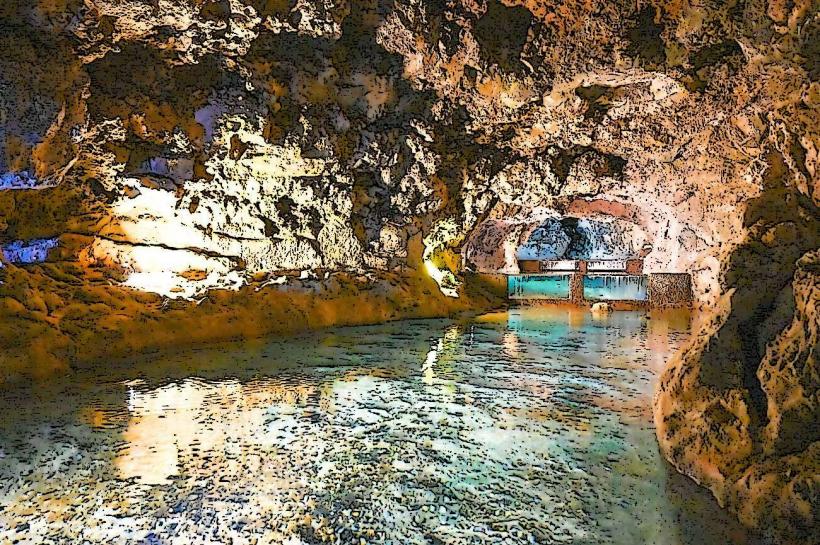
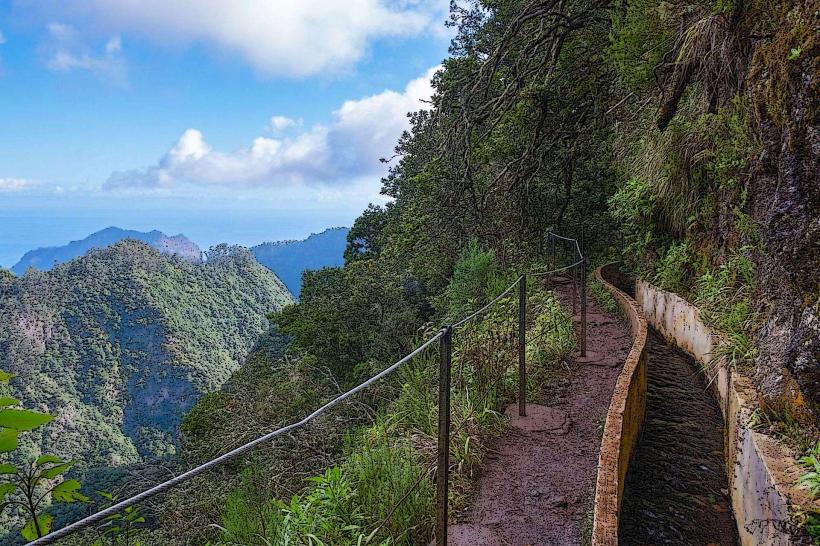
Uninhabited until discovered by Portuguese sailors in 1419, the island became a critical hub for the sugar trade and later wine production. Geologically, Madeira is the top of a massive shield volcano rising 6,000 meters from the ocean floor. The local ecology is defined by the Laurissilva Forest, a relic of the tertiary period. To facilitate agriculture on steep slopes, the settlers constructed Levadas-a 2,000-kilometer system of narrow irrigation channels that transport water from the humid north to the dry south.
Key Highlights & Activities
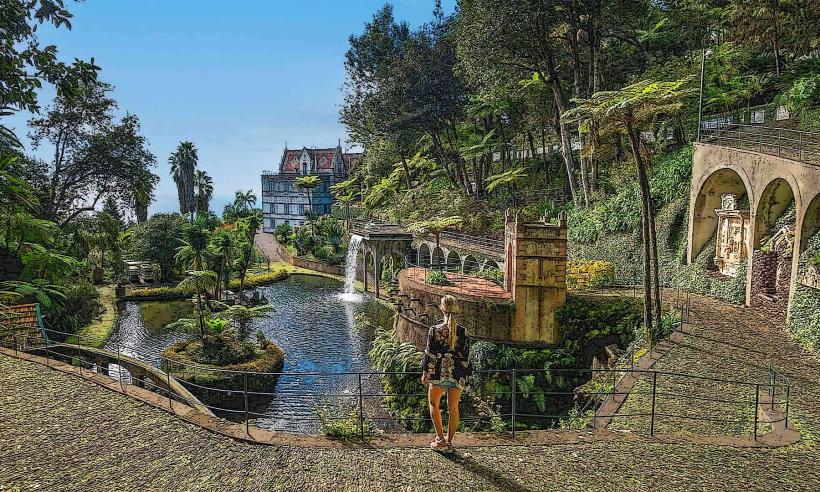
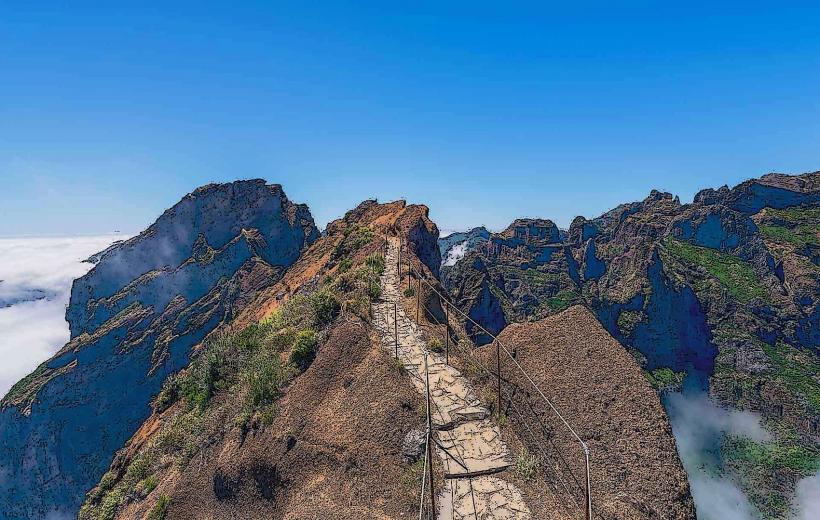
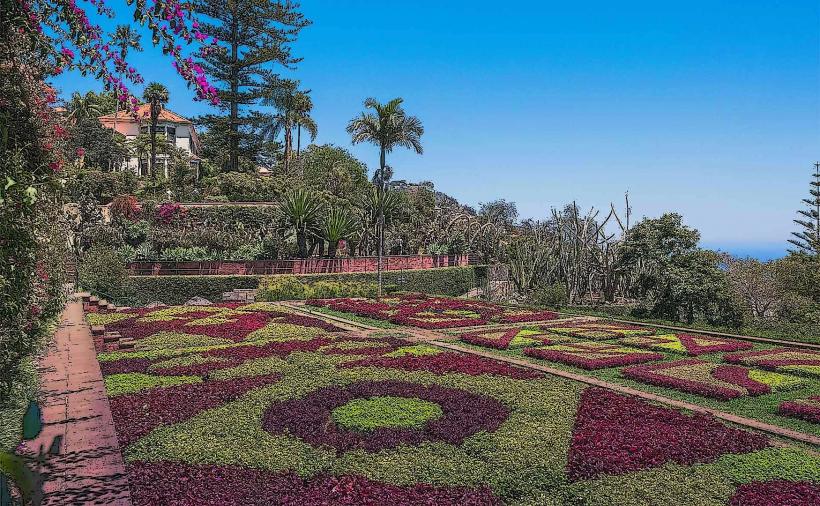
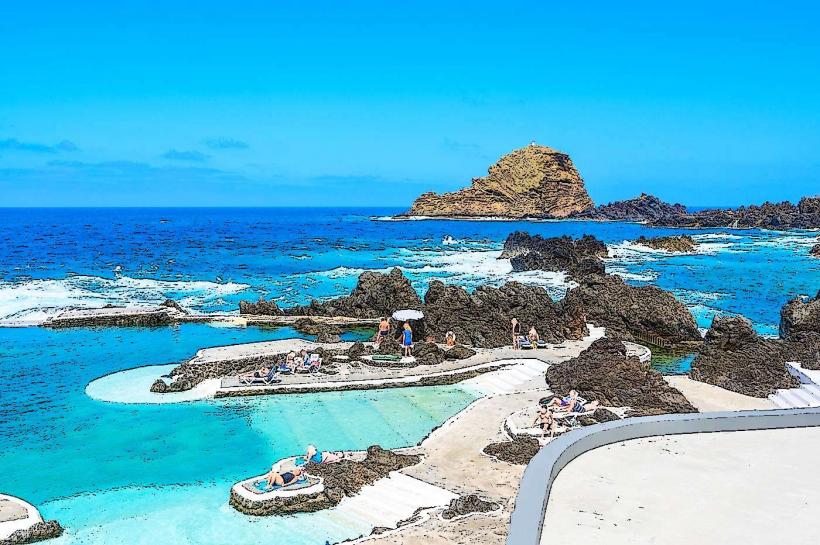
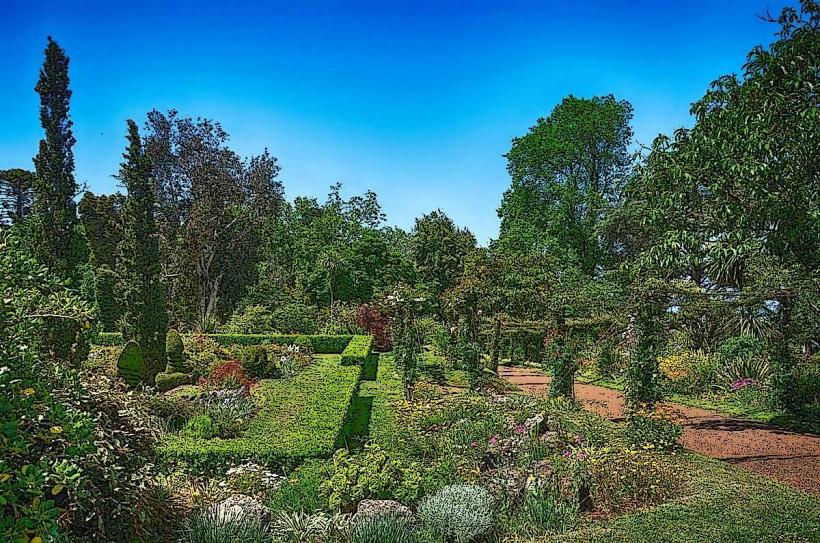
The Levada Walks provide high-density hiking routes through the interior. Cabo Girão features a glass-bottomed skywalk 580 meters above the Atlantic. The Funchal Botanical Garden houses indigenous and exotic Macaronesian flora. Porto Moniz is a primary destination for its natural swimming pools formed by volcanic lava. The Pico do Arieiro to Pico Ruivo trail connects the island's highest points above the cloud line.
Infrastructure & Amenities
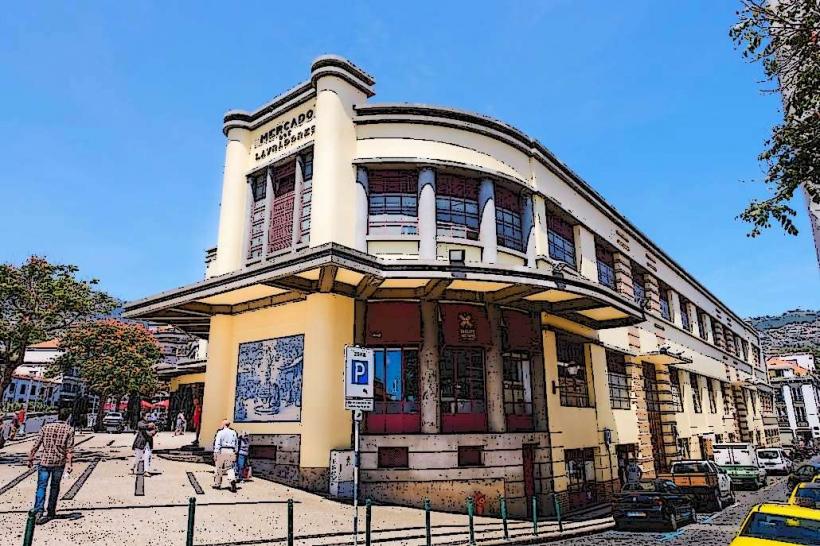
The city center of Funchal is equipped with public restrooms in the Mercado dos Lavradores and shopping centers like La Vie. 5G cellular coverage is universal in coastal urban areas but intermittent in deep valleys and tunnels. The "Horários do Funchal" bus system is the primary public transit provider. Drinking water is abundant and of high volcanic purity. Retail is concentrated in the Mercado dos Lavradores, while dining is densest in the Old Town (Zona Velha), specializing in Espetada (beef on laurel skewers) and Black Scabbard Fish with banana.
Best Time to Visit
Madeira possesses a "Subtropical Mediterranean" climate, often called the "Island of Eternal Spring." May through September is optimal for maritime activities and festivals, with temperatures between 22°C and 26°C. The Madeira Flower Festival in spring and the New Year's Eve fireworks display are peak cultural periods. Photography of the cloud-shrouded peaks is best at sunrise from Pico do Arieiro.
Facts & Legends
Madeira Wine is unique because it is intentionally heated and oxidized during the aging process. A local historical oddity: the Funchal Wicker Toboggans were originally a fast form of public transit for residents living in Monte. Legend holds that the islands are remnants of the lost continent of Atlantis, due to their isolated and dramatic volcanic structure.
Nearby Landmarks
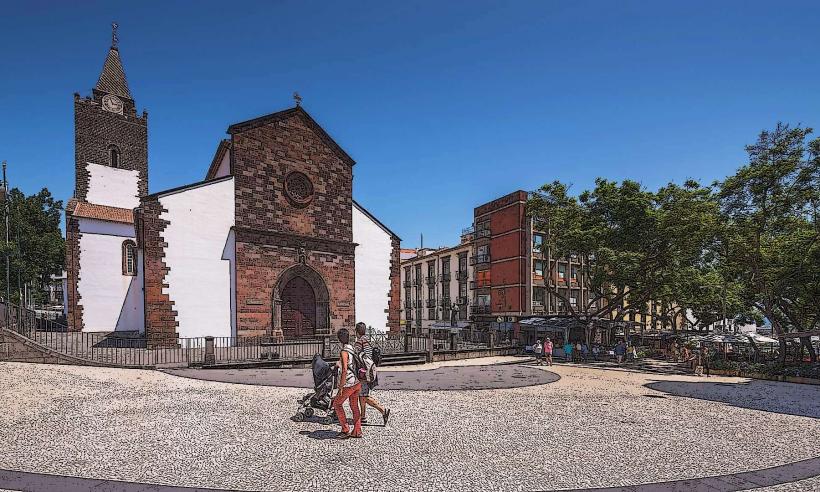
Funchal Cathedral (Sé): Central hub of the capital
Cabo Girão Skywalk: 15km West of Funchal
Monte Palace Tropical Garden: High-elevation site accessible by cable car
Santana Heritage Houses: 40km North of Funchal
Porto Moniz Natural Pools: 50km Northwest of Funchal