Information
City: Mamanuca IslandsCountry: Fiji
Continent: Australia
Mamanuca Islands, Fiji, Australia
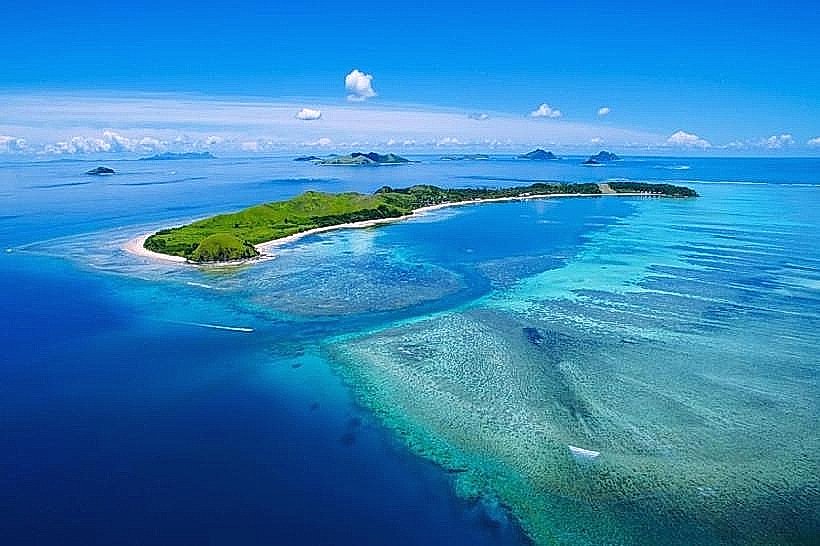
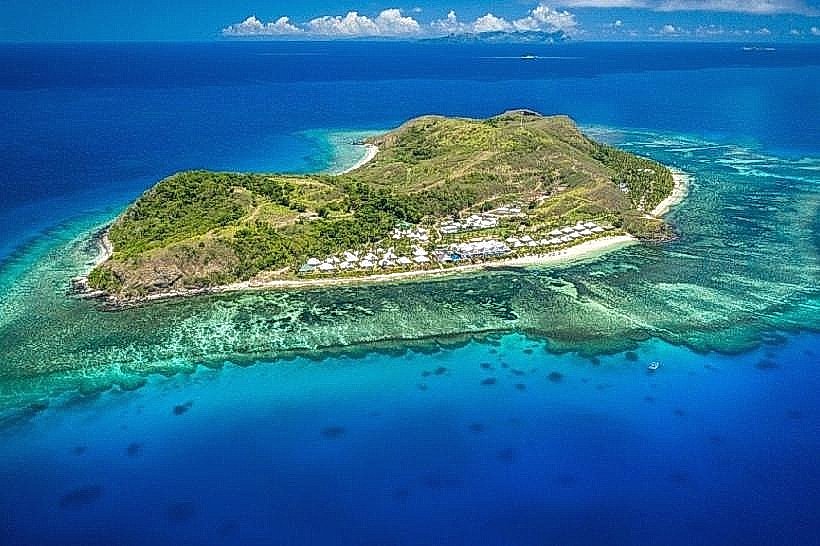
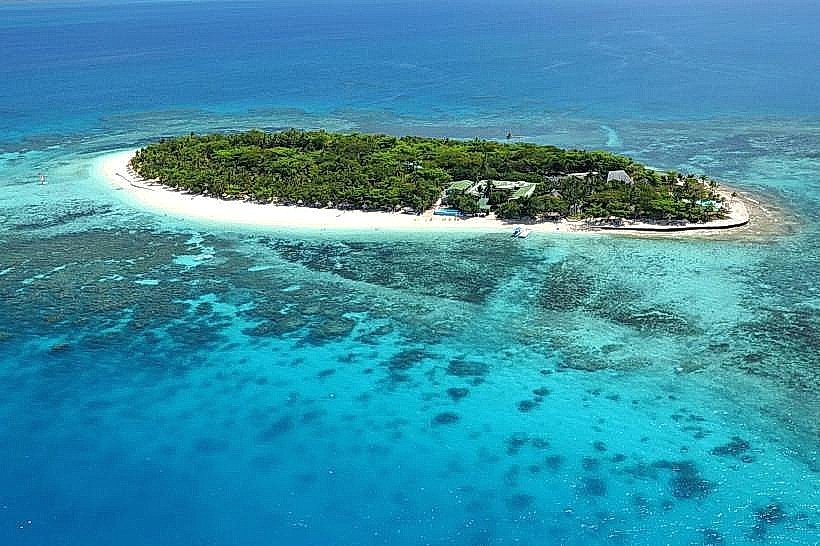
The Mamanuca Islands function as a volcanic archipelago of approximately 20 islands and serve as the primary marine tourism gateway for Fiji. They are situated directly west of Nadi and south of the Yasawa Islands, positioned within the protective Malolo Barrier Reef.
Historical Timeline
The islands were traditionally utilized as seasonal fishing grounds and transit points by the seafaring tribes of western Viti Levu. Modern governance and infrastructure emerged in the 1960s with the establishment of Castaway Island Resort, marking the transition from subsistence fishing to an intensive service economy. The primary event shaping the current urban and logistical form was the 1990s expansion of the Denarau Marina, which transformed the archipelago into a high-frequency commuter zone for international travelers and specialized maritime operators.
Demographics & Population
The permanent population of the Mamanuca Islands is approximately 2,500. This figure is heavily supplemented by a transient population of approximately 3,000 resort employees and international visitors. The demographic composition is predominantly iTaukei, supplemented by a significant minority of expatriate Australians, New Zealanders, and Europeans in management and diving sectors. The median age is approximately 26.4 years.
Urban Layout & Key Districts
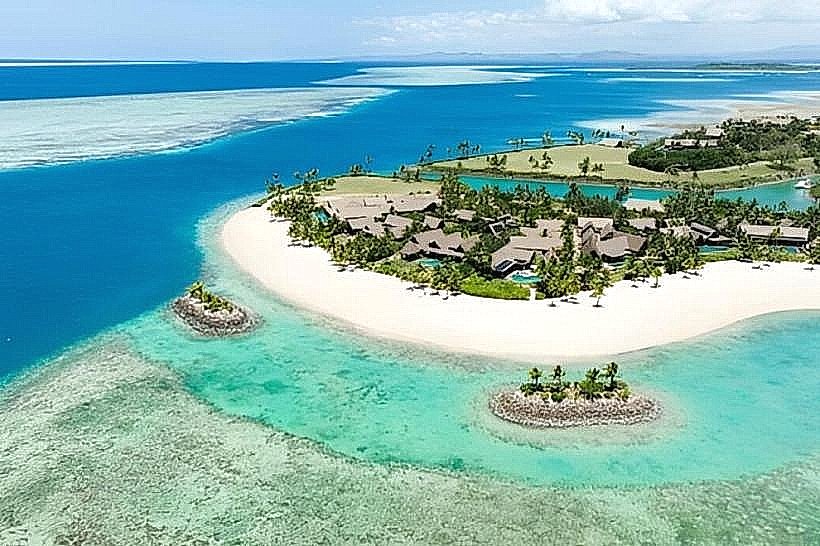
The archipelago lacks a centralized urban center, operating as a series of specialized island clusters. The Malolo Group (Malolo, Malolo Lailai) serves as the logistical and residential hub, containing the majority of the permanent infrastructure and private airstrips. The Outer Mamanucas (Monuriki, Matamanoa, Tokoriki) are designated as low-density conservation and luxury zones. The Mamanuca Shelf to the south contains the primary surf and maritime recreation districts, including Cloudbreak.
Top City Landmarks
Cloudbreak: A world-renowned reef break located on the southern edge of the archipelago.
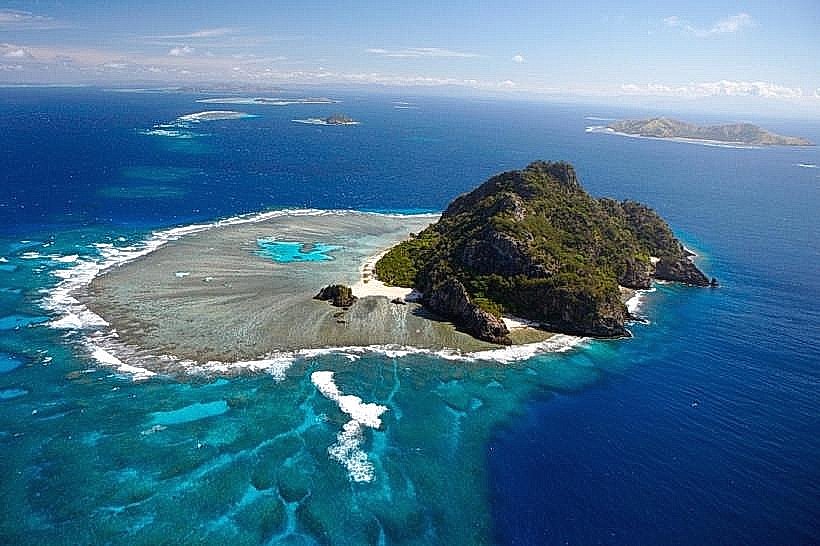
Monuriki Island: An uninhabited volcanic island utilized as the primary filming location for the 2000 film Cast Away.
Musket Cove Marina: The central nautical hub for private yachts and regional regattas on Malolo Lailai.
Malolo Barrier Reef: The 40-km coral system that dictates the archipelago's maritime safety and ecology.
Cloud 9/Seventh Heaven: Specialized floating platforms serving as mid-ocean hospitality hubs.
Transportation Network
Maritime transit is the exclusive mode of movement. The "South Sea Cruises" catamaran fleet operates high-frequency daily loops from Denarau Marina to all major island clusters. Private water taxis (typically "SeaFiji" or "Mamanuca Express") provide 24-hour on-demand transit. There is no land-based transport. Aviation logistics are provided by Island Hoppers (helicopter) and Pacific Island Air (seaplane/fixed-wing) via the Malolo Lailai airstrip.
Safety & "Red Zones"
The general safety level is high. Risks are strictly environmental, involving maritime navigation through shallow reef systems and tidal surges. There are no "red zones." Common scams are non-existent, though unauthorized boat operators at Denarau may attempt to offer "budget" transfers that lack required safety certifications and insurance.
Digital & Financial Infrastructure
Internet speeds average 15–30 Mbps, supported by microwave links from the Viti Levu mainland. Vodafone and Digicel provide consistent 4G coverage across the eastern islands, with signal degradation in the outer western chain. Card acceptance is universal within resorts. There are no public ATMs in the archipelago; the only cash-out facility is located at the Musket Cove general store on Malolo Lailai.
Climate & Air Quality
The islands possess a tropical savanna climate, receiving significantly less rainfall than Suva. Daytime temperatures range from 26°C to 31°C. Air quality is pristine due to the absence of terrestrial industry and constant trade winds. The primary weather risk is tropical cyclones, which pose a high risk of storm surges due to the low elevation of most islands.
Culture & Social Norms
Tipping is not required but is common in the form of "Staff Christmas Funds." Traditional village protocol (removing hats, covering shoulders) is mandatory when visiting inhabited islands like Malolo or Yanuya. Sunday is a day of religious observance; while resorts operate normally, visiting local villages is discouraged.
Accommodation Zones
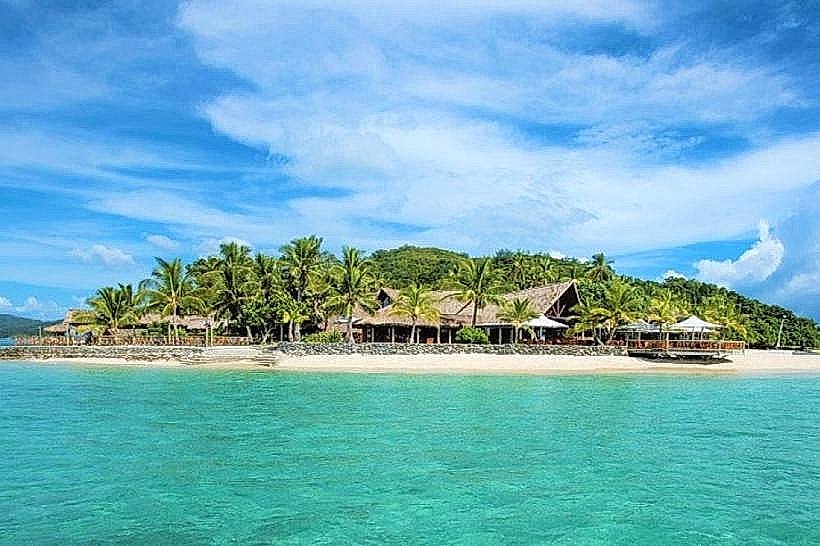
Malolo Lailai: Recommended for logistics, families, and access to the regional marina and airstrip.
Tokoriki/Matamanoa: Recommended for secluded, high-end stays and proximity to the outer reef dive sites.
Local Cost Index
1 Espresso: 10.00 FJD ($4.47 USD)
1 Standard Lunch: 45.00–75.00 FJD ($20.10–$33.50 USD)
1 Water Taxi (Short Drop): 150.00–300.00 FJD ($67.00–$134.00 USD)
Nearby Day Trips
Monuriki (Cast Away Island): 15-minute boat trip from the central Mamanucas.
Cloudbreak Surf Site: 20-minute boat trip from Malolo.
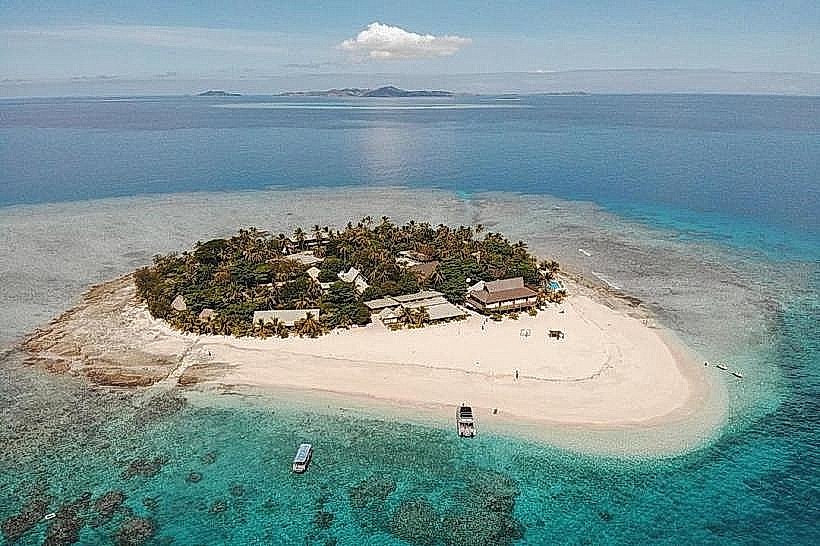
South Sea Island: A small transit islet 30 minutes from Denarau.
Denarau Marina: 45–90 minutes via scheduled ferry.
Facts & Legends
The Mamanucas are associated with the legend of the "Rokomautu," a powerful ancestral spirit said to protect the reefs. Mariners still observe traditions of silence when passing certain sacred reef passages to avoid disturbing the deity. Historically, the archipelago was a strategic hideout for 19th-century beachcombers and mutineers. A verified historical oddity is that Malolo Lailai was once a privately owned copra plantation purchased for "a few muskets and some cloth" in the 1800s, which led to the naming of the modern Musket Cove.