Information
City: MemphisCountry: USA Tennessee
Continent: North America
Memphis, USA Tennessee, North America
Memphis is an independent city and the seat of Shelby County, situated on the Chickasaw Bluffs overlooking the Mississippi River in Southwest Tennessee. It is defined by its status as the "Home of the Blues" and the "Birthplace of Rock 'n' Roll," its critical role in the American Civil Rights Movement, and its modern position as a global logistics powerhouse.
Historical Timeline
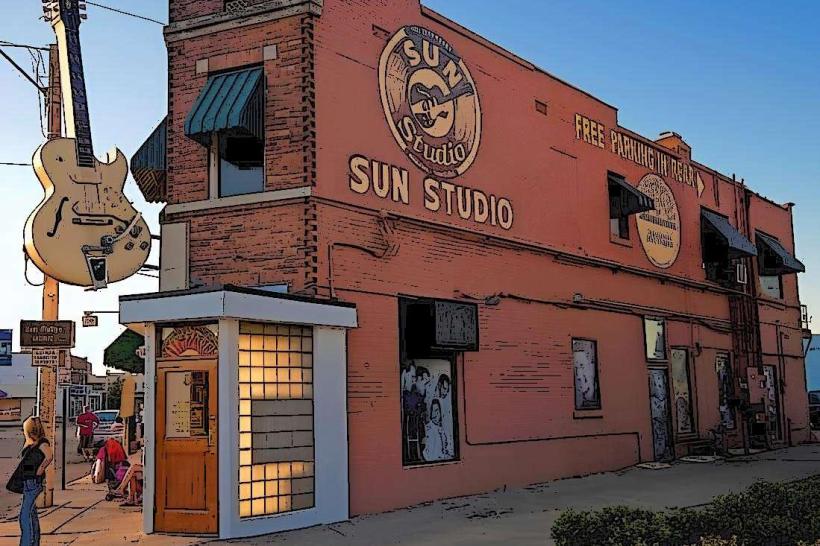
Inhabited by the Chickasaw people for millennia. Primary governance eras include its 1819 founding and its 1826 incorporation as a city. A critical historical event was the 1968 assassination of Dr. Martin Luther King Jr. at the Lorraine Motel, a moment that fundamentally shifted the city's social and political trajectory. In the 1950s, Sun Studio recorded early sessions by Elvis Presley, Johnny Cash, and B.B. King, codifying Memphis as a global music capital. The late 20th century saw the founding of FedEx (1971), transforming the city into a dominant international shipping hub.
Demographics & Population
The population is approximately 630,000 (Metro area ~1.3 million). The demographics are Black or African American (64%), White (24%), Hispanic or Latino (7%), and Asian (2%). It is a majority-minority city with a deep-seated working-class identity and a significant population of logistical, medical, and musical professionals.
Urban Layout & Key Districts
Memphis is organized along a grid following the Mississippi River, characterized by distinct urban and suburban zones.
Downtown: The commercial and tourist core, featuring the Beale Street Entertainment District, the riverfront, and the "Main Street Trolley" line.
Midtown: The city's cultural heart, featuring historic residential architecture, Overton Park, and the eclectic Overton Square and Cooper-Young districts.
South Memphis: Site of Graceland and the Stax Museum of American Soul Music; largely residential with significant industrial sectors.
Medical District: A high-density zone housing several major hospitals and the University of Tennessee Health Science Center.
East Memphis: The primary affluent residential and retail hub, featuring corporate headquarters and large-scale shopping centers.
Top City Landmarks
Graceland: The former estate of Elvis Presley; the second most-visited private home in the U.S.
National Civil Rights Museum: Built at the Lorraine Motel, documenting the history of the movement and the site of King's assassination.
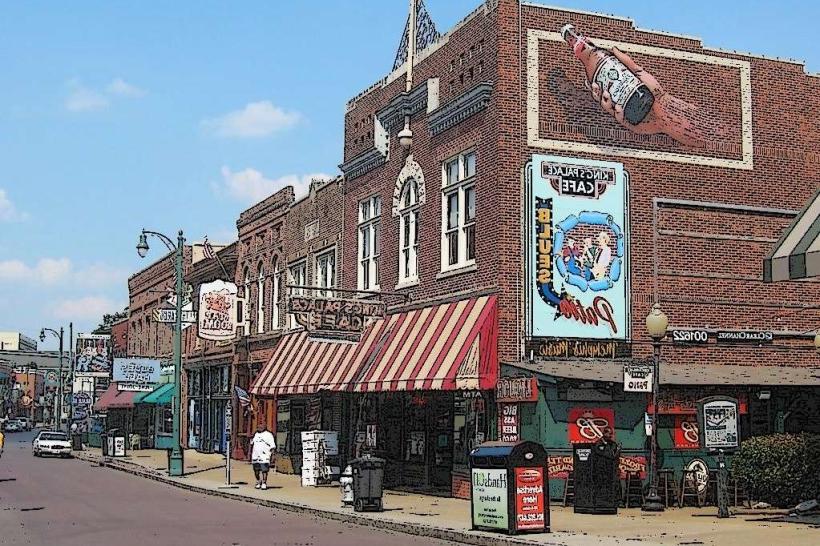
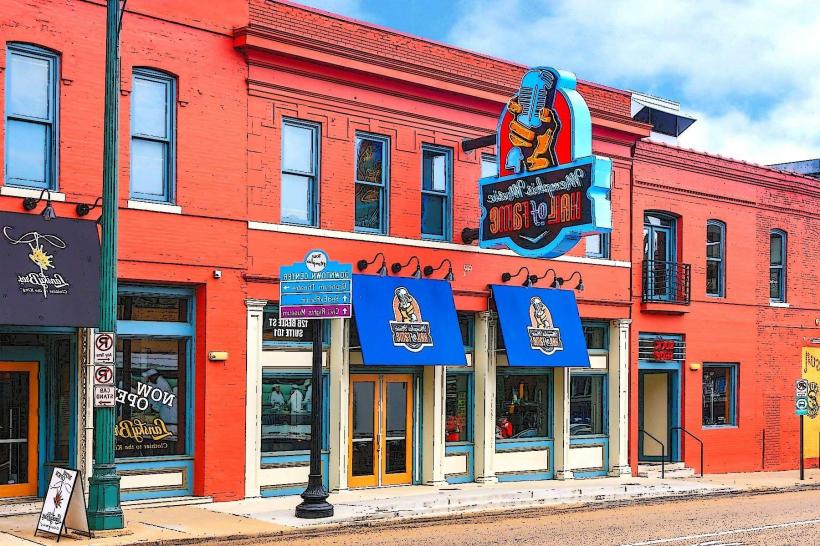
Beale Street: A National Historic Landmark district famous for its blues clubs and nightlife.
Sun Studio: The "Birthplace of Rock 'n' Roll," preserved as a museum and active recording space.
The Peabody Memphis: A grand 1925 hotel world-famous for the daily "Peabody Duck March."
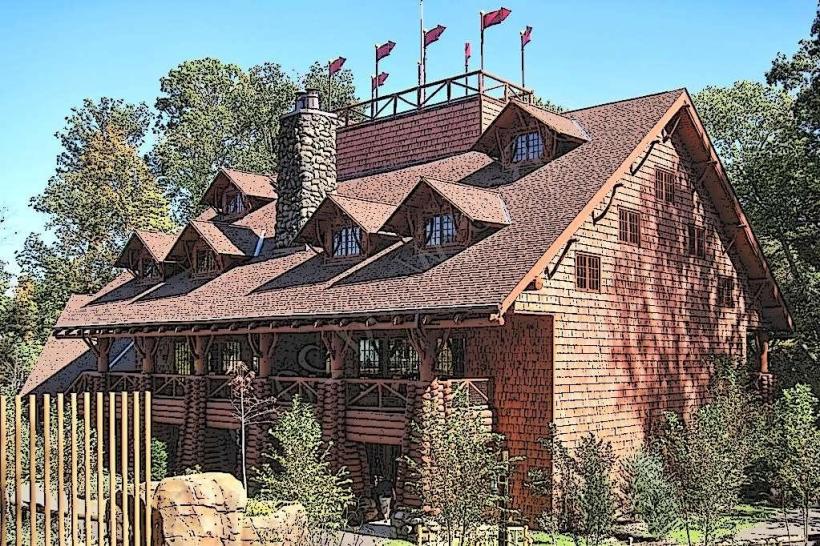
Memphis Pyramid (Bass Pro Shops at the Pyramid): One of the largest pyramids in the world, converted into a massive retail and wilderness resort.
Transportation Network
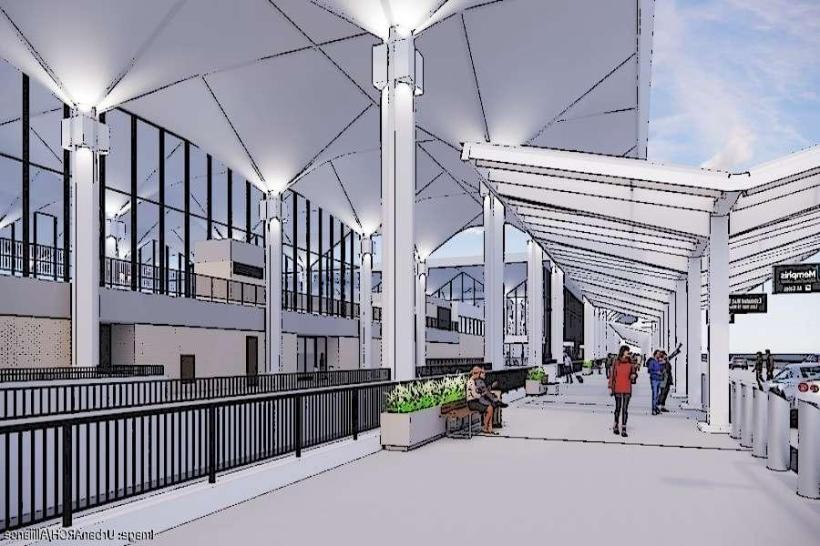
Movement is automotive-dependent. Public transit is serviced by the MATA (bus and vintage trolley system). The city is a major junction for I-40 and I-55, as well as a critical rail and river port hub. Commercial air service is via Memphis International Airport (MEM), which serves as the primary global hub for FedEx Express. Ride-sharing is universal. Traffic density is high at the "I-240 Loop" and at the Hernando de Soto Bridge during peak hours.
Safety & "Red Zones"
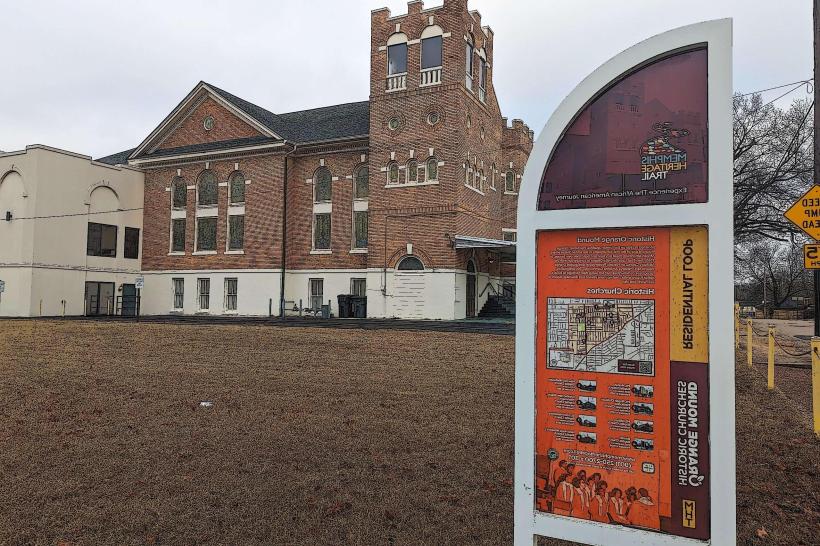
The general safety level is low. Memphis consistently reports crime rates, particularly violent crime and property crime, significantly higher than the U.S. national average. Caution is advised at night in parts of North Memphis, South Memphis, and the Orange Mound neighborhood. There are no officially designated "red zones," but visitors are strictly advised to remain in well-trafficked, well-lit tourist areas like Downtown (Beale St) and Midtown. Common scams involve "unauthorized parking attendants" and fraudulent "charity" solicitations near Beale Street.
Digital & Financial Infrastructure
Internet speeds average 600+ Mbps with fiber availability via C Spire, AT&T Fiber, and Xfinity. Main mobile carriers are Verizon and AT&T. Card acceptance is universal. ATMs are concentrated in the Downtown and East Memphis commercial corridors.
Climate & Air Quality
Temperatures range from 0°C to 10°C in winter and 23°C to 33°C in summer. The city experiences extreme humidity and frequent severe thunderstorms in the spring. Air quality is moderate, periodically impacted by regional humidity and industrial activity along the Mississippi.
Culture & Social Norms
The standard tipping percentage is 20–25%. A handshake is the standard greeting. Dress codes are "Southern-Casual" or "Urban-Workwear." The city is culturally defined by its "Memphis Grit," its world-famous dry-rub Memphis BBQ, and its identity as a spiritual and creative sanctuary for Black American music and culture.
Accommodation Zones
Downtown: Recommended for proximity to Beale Street and the National Civil Rights Museum.
East Memphis: Recommended for corporate travel and higher-end residential amenities.
Midtown: Recommended for boutique stays and local culinary access.
Local Cost Index
1 Espresso: $4.25 (USD)
1 Half-Slab of Ribs: $18.00–$25.00 (USD)
1 Standard Uber (Downtown to Midtown): $12.00–$18.00.
Nearby Day Trips
Mississippi Blues Trail: (Extends south from Memphis into the Delta).
Tunica, MS: (50 km south; casino resort destination).
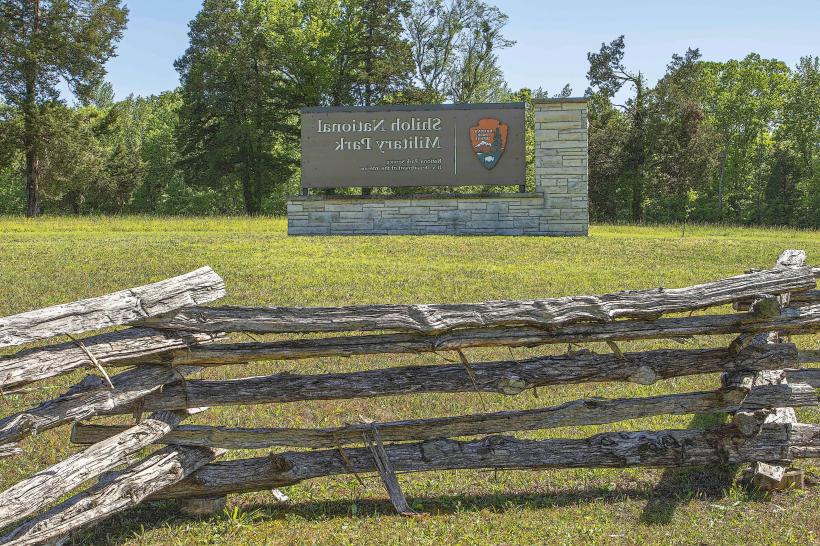
Shiloh National Military Park: (180 km east; Civil War battlefield).
Facts & Legends
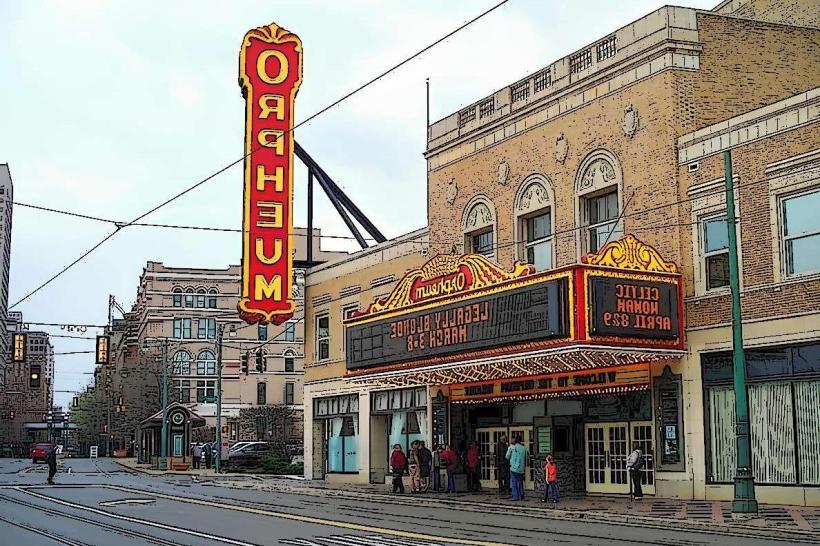
Memphis is the largest city on the Mississippi River between St. Louis and New Orleans. Historically, it was the site of the 1862 Naval Battle of Memphis. A local legend involves the "Ghost of the Orpheum Theatre," a rumored spectral figure of a 12-year-old girl named Mary. Another legend concerns "The Lost Blues Recordings," rumored caches of unreleased 1920s master plates hidden in the basements of abandoned Beale Street buildings.