Information
City: Petit MartiniqueCountry: Grenada
Continent: North America
Petit Martinique, Grenada, North America
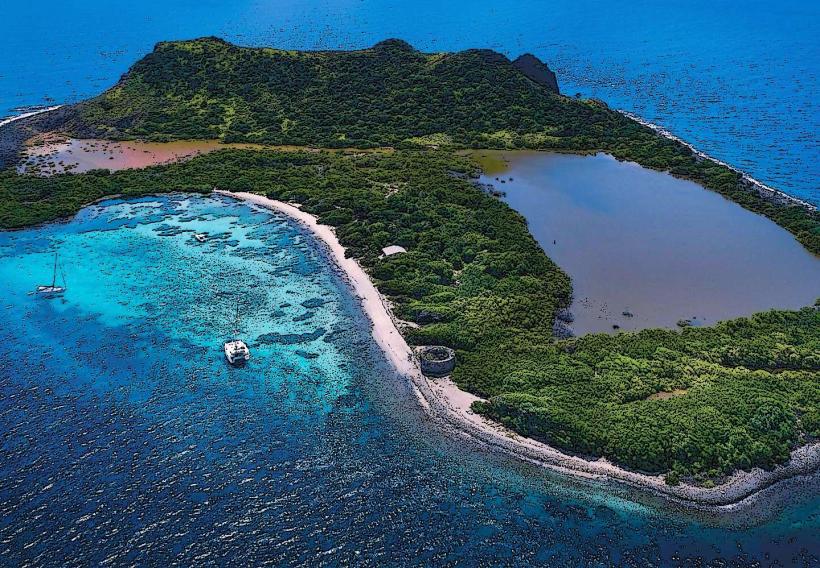
Petite Martinique is the smallest inhabited island of the state of Grenada, located 4 kilometers east of Carriacou. It is a volcanic cone rising sharply from the sea, primarily known for its seafaring heritage, boat building, and a highly independent local economy focused on fishing and maritime trade.
Historical Timeline
The island was first settled by French fishermen in the late 17th century and later by Scottish and Irish sailors. Due to its isolation and distance from the colonial administration in St. George’s, it developed a reputation for autonomous trade. Its history is defined by the 18th-century Pierre family settlement, which established the island's primary lineage. The most significant modern event was Hurricane Beryl in 2024, which caused extensive damage to the island’s housing and maritime infrastructure, currently under reconstruction.
Demographics & Population
The population is approximately 900. The demographics are a distinct blend of African, Scottish, French, and Irish descent. Due to the small population and limited land, the island features a high degree of communal interdependence and a unique dialect influenced by French patois and maritime English. The median age is approximately 33.4 years.
Urban Layout & Key Districts
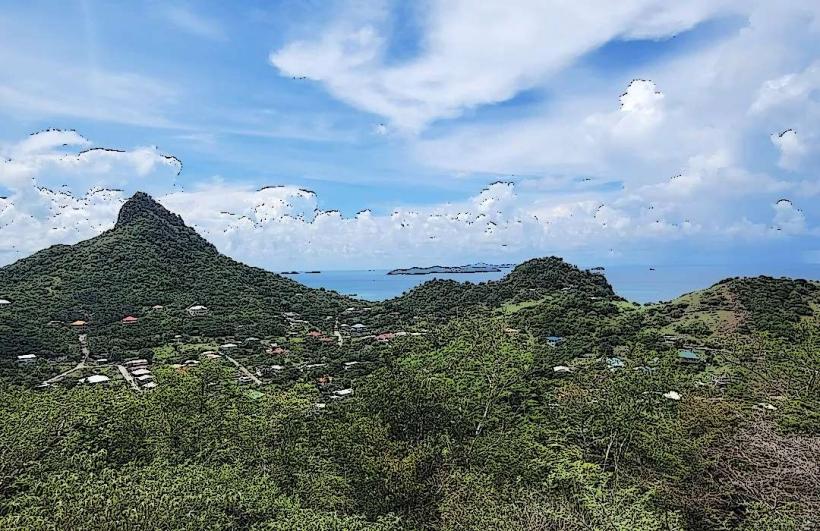
The island is approximately 2.3 square kilometers in size and characterized by a steep central peak (the Piton).
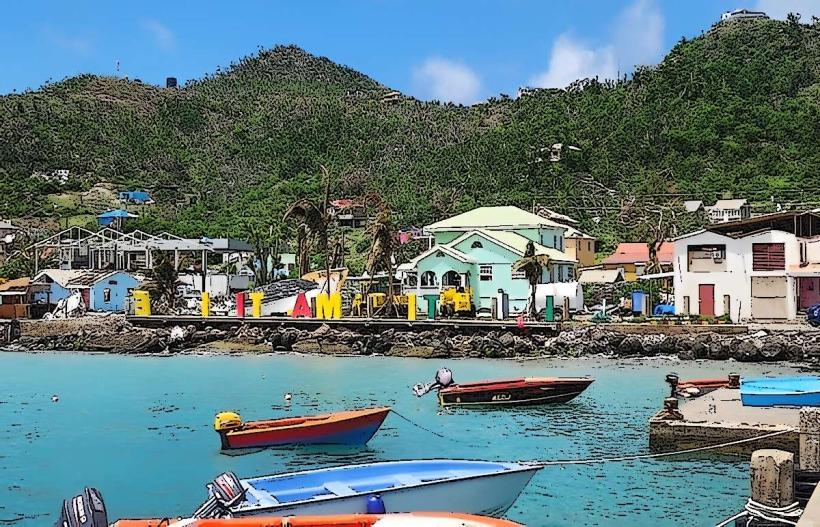
The West Coast (Leeward): The only habitable flat land, containing the main dock, grocery stores, and the primary residential strip.
The Piton: The central volcanic peak (230m) which dominates the landscape; the upper slopes are used for small-scale livestock grazing.
Sanchez: The southern area near the primary anchorage for fishing vessels.
Top City Landmarks
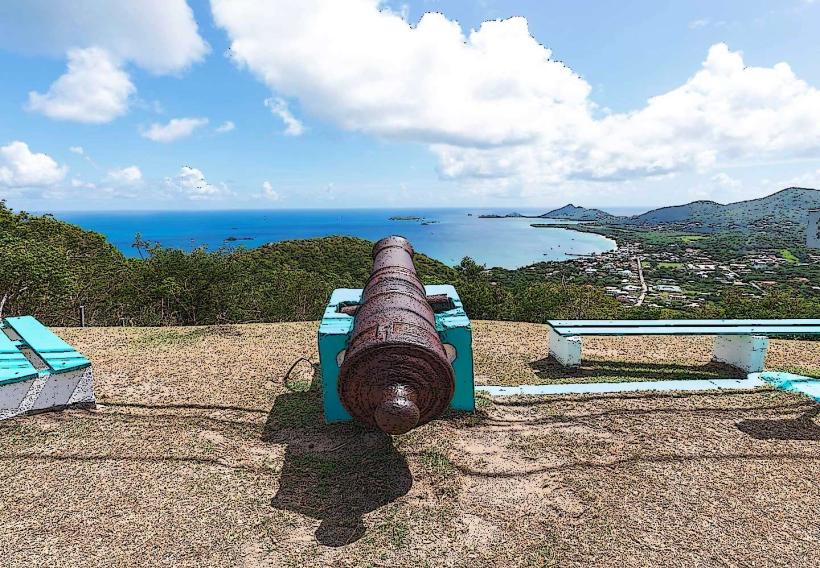
The Piton: The highest point, offering views of the Grenadines including Union Island and PSV.
Petite Martinique Ferry Dock: The lifeline of the island and the site of all commercial arrivals.
The Boatbuilding Yards: Small, informal areas along the leeward shore where traditional wooden sloops are still constructed.
Our Lady of the Sacred Heart Church: The central religious and community landmark.
Transportation Network
Movement within the island is conducted entirely on foot. There is one primary paved road that runs along the leeward coast; private vehicles are rare. There is no public bus or taxi system. Inter-island transit is managed exclusively by the Osprey Lines ferry from Carriacou (20 mins) or private water taxis. Uber is non-functional. Traffic density is non-existent.
Safety & "Red Zones"
The general safety level is absolute. There is no crime of note on the island, and the local community is self-policing. There are no designated "red zones." Standard maritime safety precautions should be observed when using small water taxis during rough channel crossings.
Digital & Financial Infrastructure
Average internet speed is 30 Mbps via microwave link from Carriacou. Main mobile carriers are Flow and Digicel. Card acceptance is near zero; all transactions are strictly cash-based. There are no ATMs on the island. Visitors must withdraw Eastern Caribbean Dollars (XCD) in Carriacou or Grenada prior to arrival.
Climate & Air Quality
The climate is tropical marine and arid. Temperatures range from 23°C to 31°C. Like Carriacou, the island suffers from water scarcity and relies on desalination and cisterns. Air quality is pristine due to the constant trade winds and lack of motorized transport.
Culture & Social Norms
The island is famous for its Traditional Wedding rituals, which include "The Cake Dance" and "The Breaking of the Bread." Tipping is not formal but appreciated in small guest houses. Greetings are mandatory; it is considered hostile to pass a resident without a verbal "Good morning" or "Good afternoon." Dress code is modest; walking through the village shirtless or in swimwear is discouraged.
Accommodation Zones
Leeward Shore: The only area with guesthouses and small villas. There are no large resorts or hotels on the island.
Local Cost Index
1 Coffee: EC$8.00 ($3.00) - usually instant; cocoa tea is common.
1 Standard Lunch (Fish/Rice): EC$30.00 ($11.10)
1 Water Taxi (to Carriacou): EC$60.00 ($22.20) for private hire.
Nearby Day Trips
Carriacou: 4 km (15-20 mins by ferry).
Petit St. Vincent (PSV): 1 km (5 mins by boat - a private resort island).
Mopion: A tiny uninhabited sand cay with a single umbrella, 10 mins away.
Facts & Legends
A verified historical oddity: Petite Martinique was historically a "duty-free" port by default rather than by law, as its distance from the mainland made tax collection nearly impossible for centuries. A local legend concerns the "Soucouyant," a skin-shifting witch who travels as a ball of fire at night; residents traditionally scatter rice at their doorsteps to keep the spirit occupied counting grains until sunrise. The island is also the site of the annual Whitsuntide Regatta, where local wooden boats compete in one of the region's most prestigious traditional sailing events.