Information
City: SheridanCountry: USA Wyoming
Continent: North America
Sheridan, USA Wyoming, North America
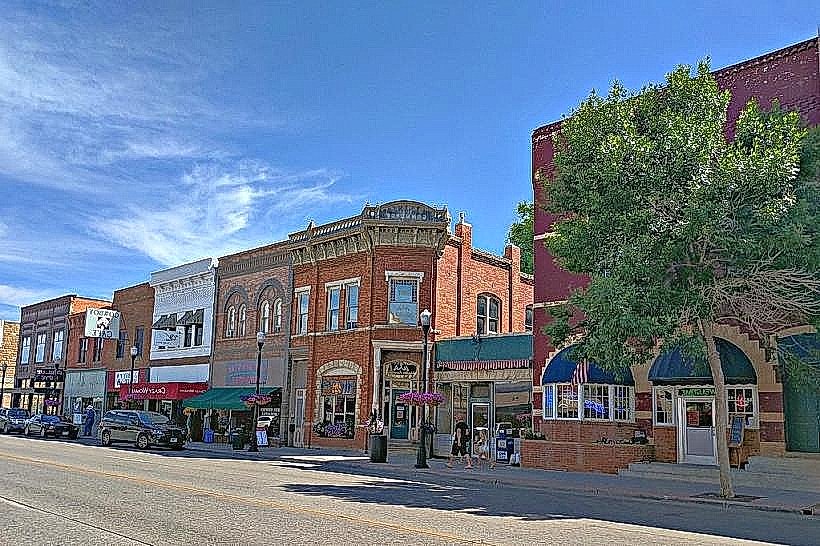
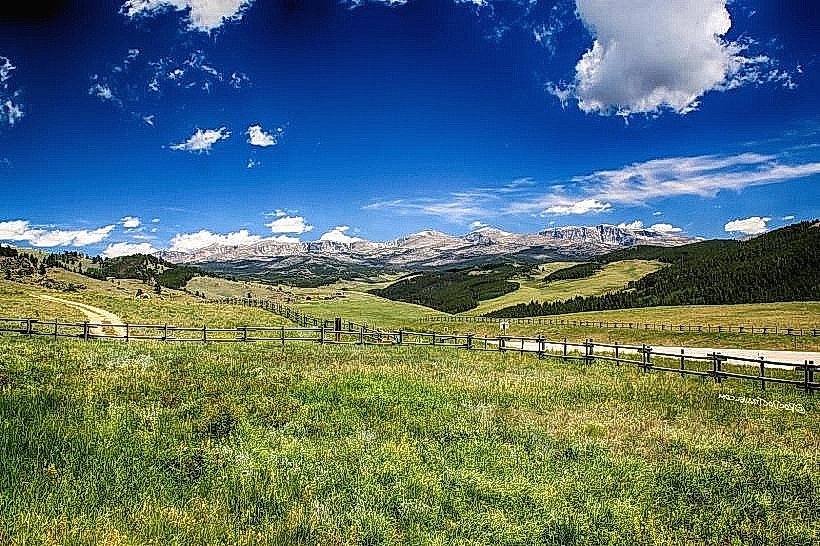
Sheridan is an incorporated city and the seat of Sheridan County, situated on the high plains at the eastern foot of the Bighorn Mountains. Defined by its sophisticated Western culture, historic "Main Street" charm, and its legacy as a center for the cattle and coal industries, it serves as the primary commercial and cultural hub of North-Central Wyoming.
Historical Timeline
Inhabited by the Crow, Cheyenne, and Lakota peoples. A critical historical event occurred in the late 19th century when the city became the logistical base for the Indian Wars, including the nearby Battle of the Rosebud and the Battle of the Little Bighorn. Founded in 1882 and named after Civil War General Philip Sheridan. The arrival of the Burlington and Missouri Railroad in 1892 catalyzed its growth as a regional livestock shipping center. In the early 20th century, the Sheridan County Coal Bank made the city an industrial powerhouse. In 2026, Sheridan is a premier destination for "Western Lifestyle" tourism and a growing tech-lite community.
Demographics & Population
The 2026 population is approximately 19,500 (metro area ~31,000). The demographics are White (91%), Hispanic or Latino (4.5%), and Native American (1.5%). The economy is driven by Healthcare (Sheridan Memorial), Education (Sheridan College), Tourism, and Energy/Mining.
Urban Layout & Key Districts
Sheridan is a grid-based city focused on a meticulously preserved historic downtown.
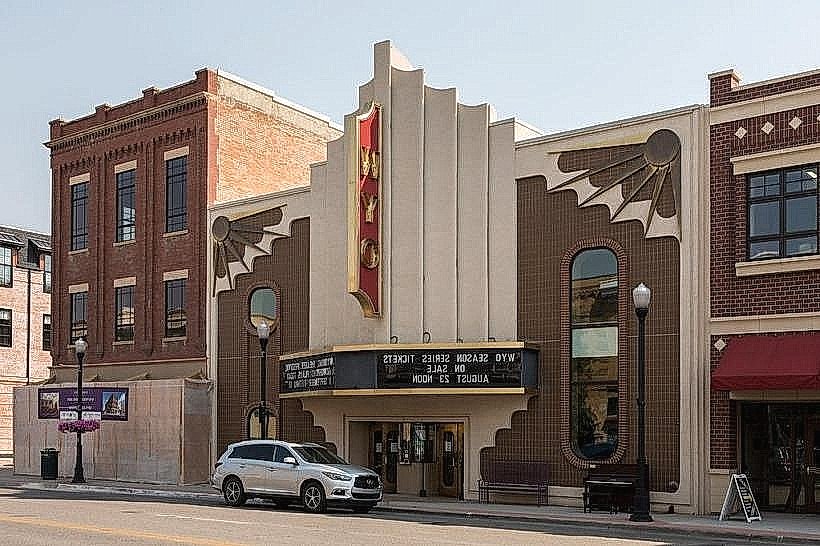
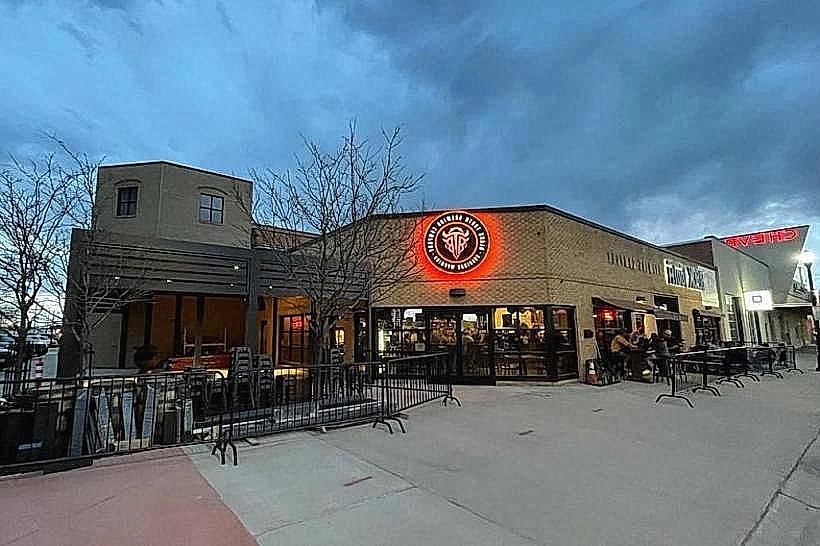
Main Street District: A National Historic District; features early 20th-century brick architecture, Western outfitters, and the fabled Mint Bar.
North Main: A transitioning industrial and residential zone featuring the historic railway depot.
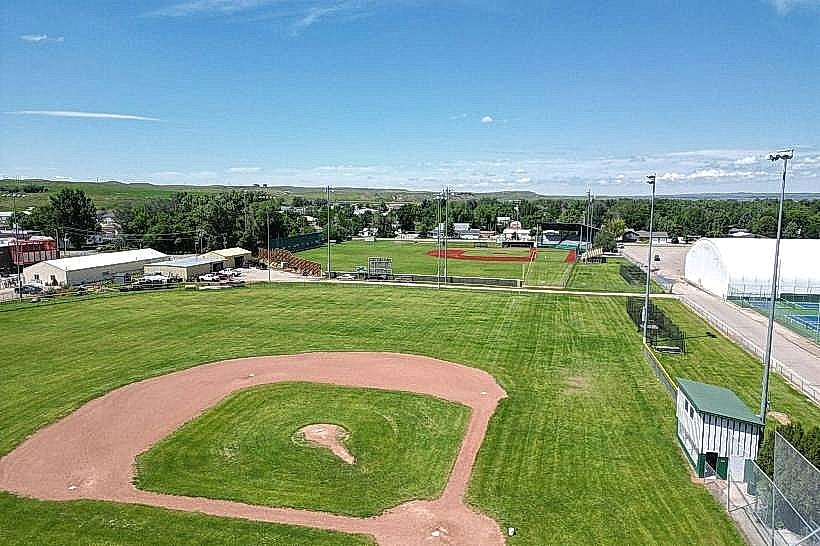
The Kendrick Park Area: A prestigious residential district surrounding the city’s primary recreational park.
Big Horn: A wealthy satellite community 15 km south, known for polo fields and equestrian estates.
Top City Landmarks
The Mint Bar: Established in 1907; a legendary Western watering hole known for its cedar-lined interior and collection of taxidermy and historic photos.
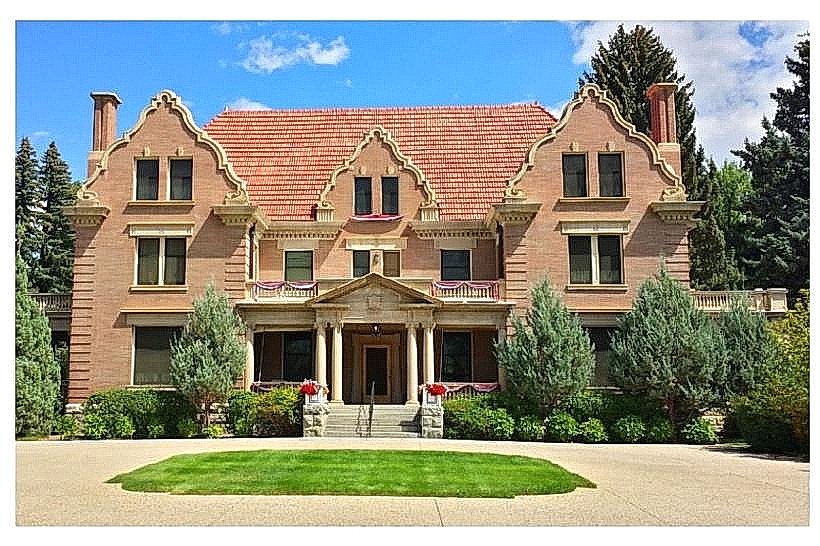
Trail End State Historic Site: A 1913 Flemish Revival mansion built by cattle baron and Governor John B. Kendrick.
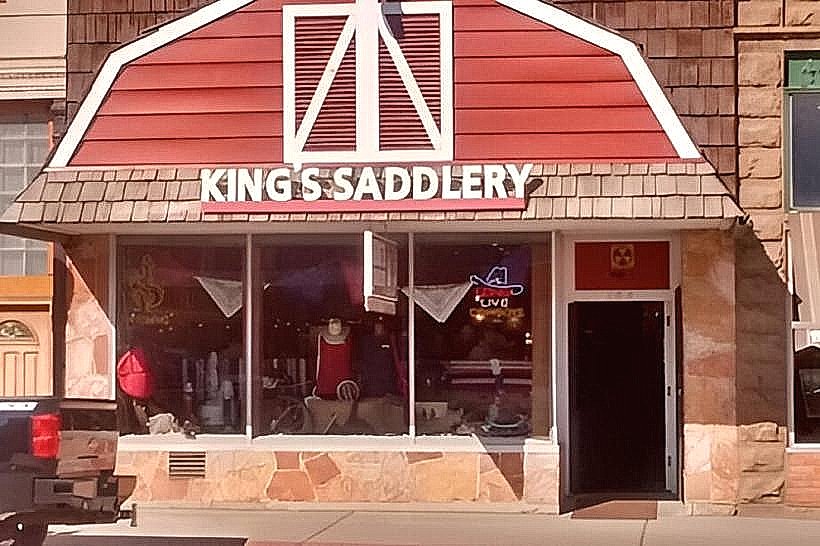
King’s Saddlery & Museum: A world-renowned Western tack shop; the museum houses a massive collection of hand-tooled saddles and Western artifacts.
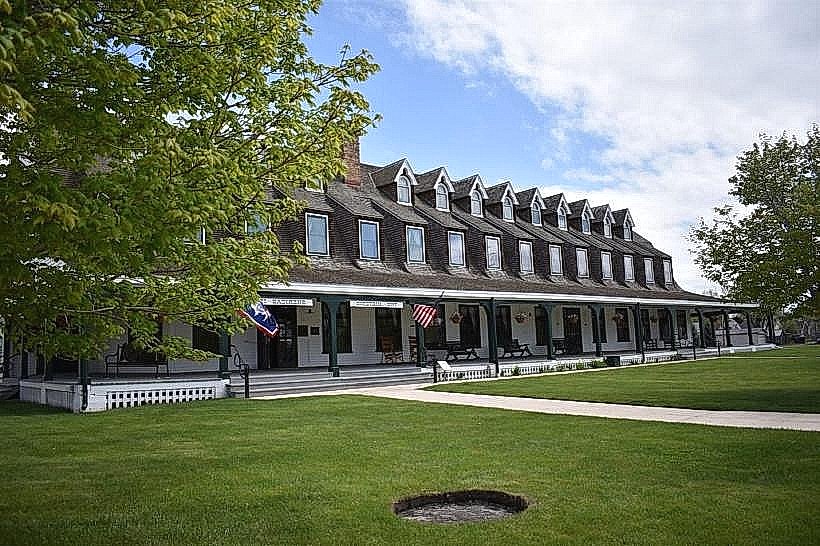
Sheridan Inn: Once partially owned by Buffalo Bill Cody, it was designed to resemble a hunting lodge from the Scottish Highlands.
Kendrick Park: Features a live buffalo and elk pasture, a vintage ice cream stand, and extensive hiking trails.
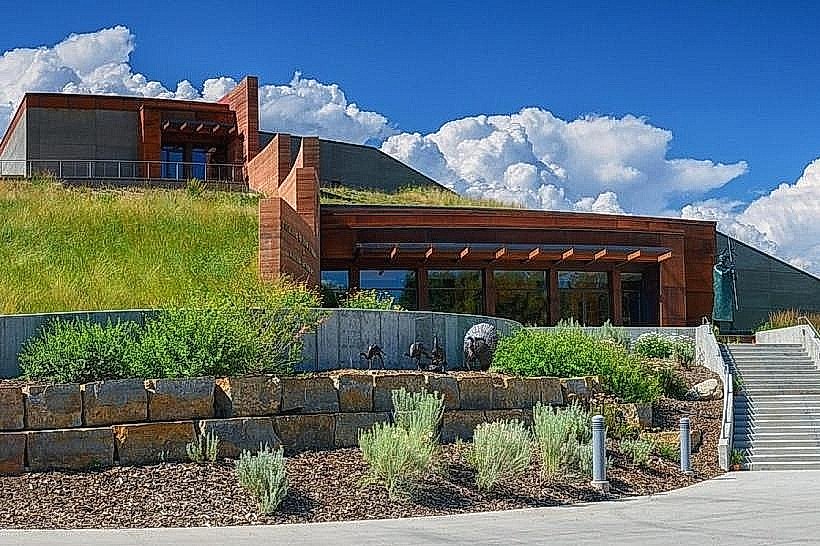
Brinton Museum: (Located in nearby Big Horn); an elite art institution showcasing Western and American Indian art on a historic ranch.
Transportation Network
Movement is automotive-centric. Sheridan is served by I-90, US-14, and US-87. Public transit is provided by the Sheridan Trolley (seasonal) and local shuttle services. Sheridan County Airport (SHR) offers commercial connections to Denver. There is no passenger rail service; BNSF operates heavy freight traffic through the city core.
Safety & "Red Zones"
The general safety level is very high. Crime rates are among the lowest for a city of its size in the region. Standard awareness is advised near the railroad corridors at night. Environmental hazards include severe winter blizzards, extreme temperature fluctuations, and wildfire smoke during late summer.
Digital & Financial Infrastructure
Internet speeds are high, with 1 Gbps fiber available via Visionary Broadband and Spectrum. Mobile service is robust in the city but non-existent in the Bighorn National Forest. Card acceptance is universal. Wyoming has no state income tax. Sheridan County levies a 6% total sales tax.
Climate & Air Quality
Temperatures range from -12°C to 1°C in winter and 11°C to 30°C in summer. The city is subject to Chinook winds, which can cause rapid warming in winter. Air quality is pristine.
Culture & Social Norms
The standard tipping percentage is 20%. A "Sincere-Frontier" greeting is standard. Dress codes are "Ranch-Formal" (high-quality denim, felt hats, and leather boots are standard for both social and business events). The city is culturally defined by Horsemanship, Polo, and Western Preservation.
Local Cost Index
1 Espresso: $4.75 (USD)
1 Standard Lunch: $16.00 (USD)
1 Trail End Admission: $8.00.
Nearby Day Trips
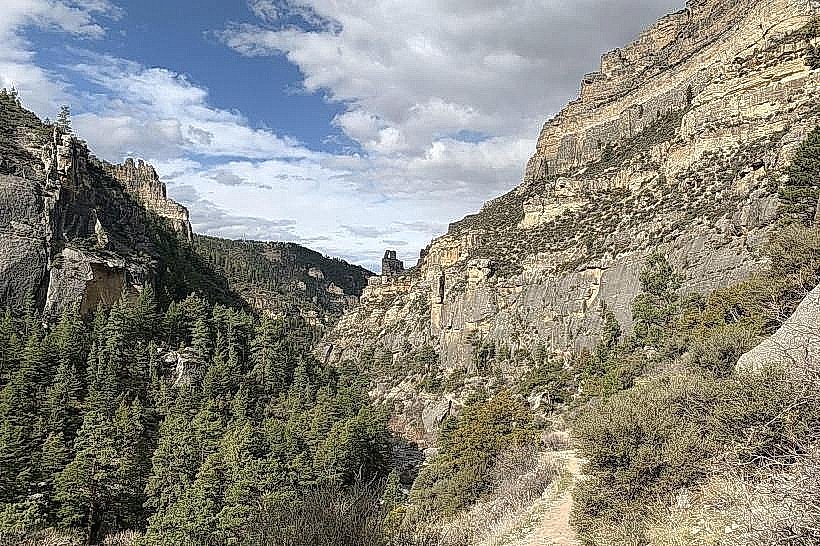
Bighorn National Forest: (25 km west; offering high-alpine lakes, skiing, and the Burgess Junction).
Little Bighorn Battlefield: (115 km north in Montana; site of Custer's Last Stand).
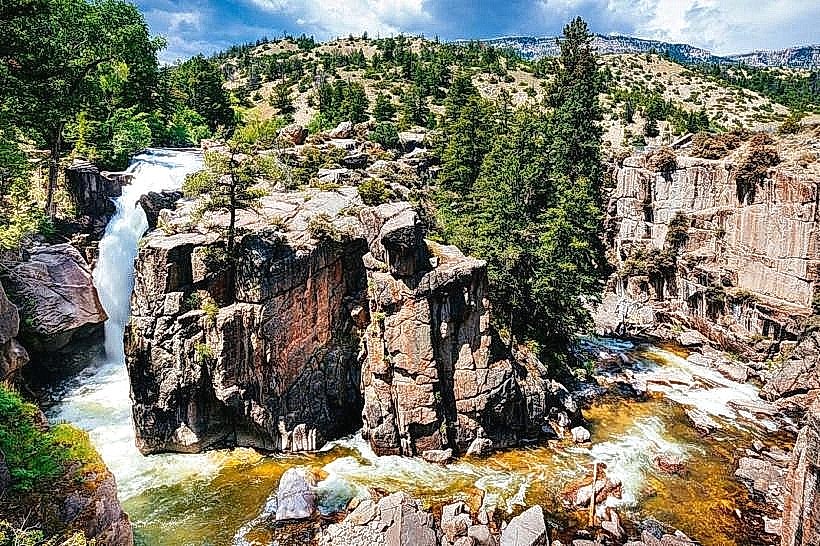
Shell Falls: (90 km west; a thunderous waterfall within a massive granite canyon).
Facts & Legends
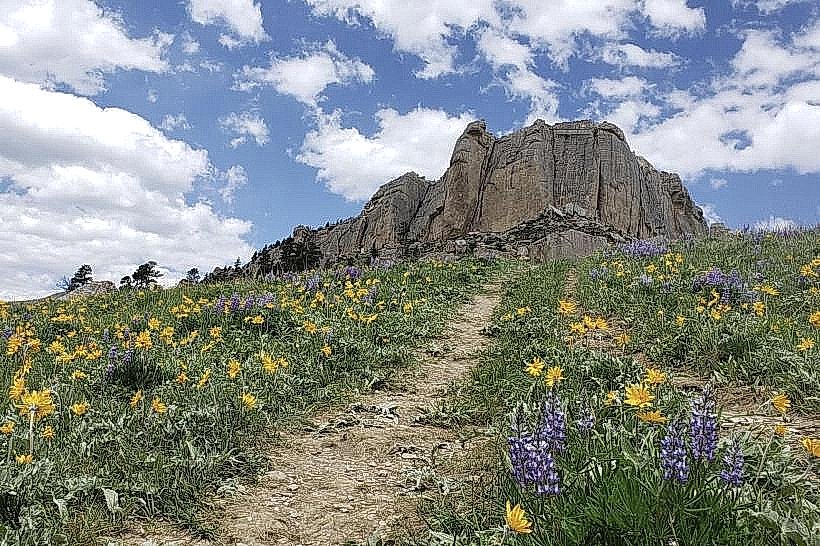
Sheridan is the "Polo Capital of the West," with a history of the sport dating back to the late 1800s. Historically, Queen Elizabeth II visited the area to view local cattle operations. A local legend involves the "Sheridan Inn Ghost," Miss Kate Hunter, a longtime employee whose ashes were reputedly interred in the walls of the building to allow her to continue "watching over" the guests. Another legend concerns the "Bighorn Medicine Wheel," an ancient stone structure high in the mountains west of town, said to be a powerful spiritual vortex with mysterious celestial alignments.