Information
Landmark: Tongue River CanyonCity: Sheridan
Country: USA Wyoming
Continent: North America
Tongue River Canyon, Sheridan, USA Wyoming, North America
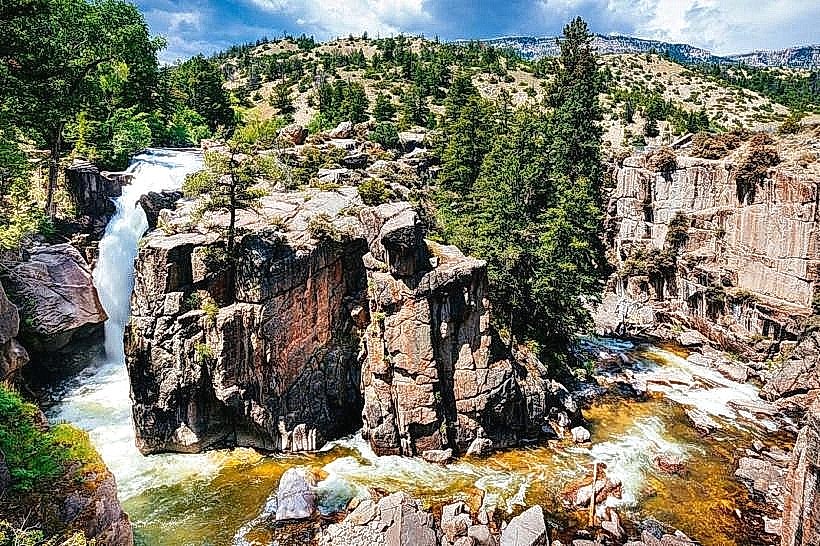
Tongue River Canyon cuts deep into the northern Bighorn Mountains, creating one of Wyoming’s most dramatic and easily reached gorges. Sheer limestone walls rise sharply on both sides, enclosing a winding turquoise river that shifts from calm pools to fast, frothy currents. The canyon feels wild yet inviting, the kind of place where the echo of water against rock follows you as you move deeper into its corridors.
Landscape and Geological Character
The canyon begins near the small community of Dayton and quickly narrows into a rugged passage framed by pale gray and honey-colored limestone cliffs. Many sections tower several hundred feet overhead, their surfaces pitted and textured from centuries of weathering. In certain spots the walls lean inward, giving you the subtle feeling of walking through an enormous stone hallway.
Along the river, cottonwoods, boxelders, and willows gather in sweeping pockets of green. The air often carries a cool mix of pine, river spray, and damp earth rising from shadowed bends. As light shifts during the day, the water takes on different tones-jade in the shade, icy blue in full sun, and silver whenever the wind roughens the surface.
Trail Experience
A well-traveled path follows the river upstream, alternating between narrow rocky ledges and smooth dirt stretches. It feels balanced: challenging enough to be engaging, but accessible to most hikers. The trail passes beneath vertical cliffs where you can hear swallows sweeping in quick arcs above the canyon floor.
Several spots invite pauses-broad boulders beside the river, small openings where the current slows into glassy pools, and scattered overlooks where you can watch the water twist around sculpted rock. In early summer, runoff makes the river louder and more animated, filling the canyon with a constant rushing sound. By late summer, the flow becomes gentler, revealing gravel bars and small eddies where anglers quietly cast for trout.
Wildlife and Seasonal Impressions
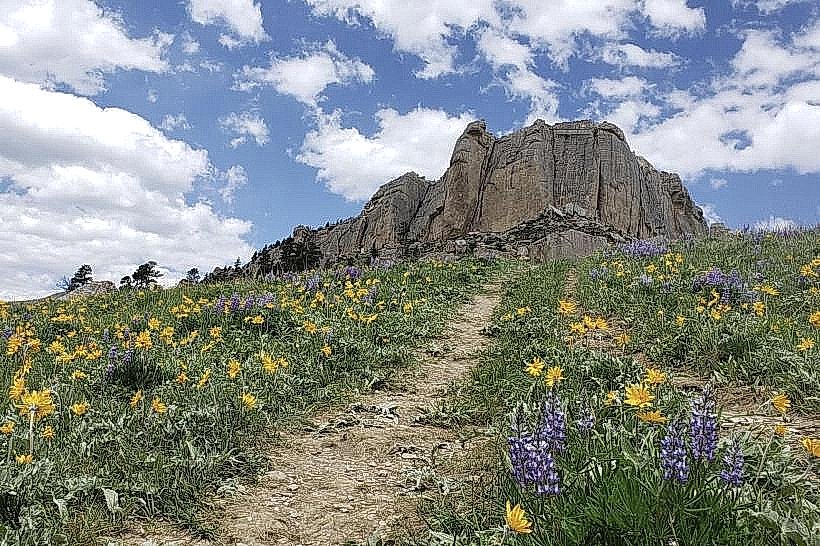
Mule deer move through the brushy slopes at dawn and dusk, slipping between shadows along the riverbank. Raptors use the canyon walls for nesting ledges, and you sometimes glimpse a hawk holding itself steady in the wind before diving out of sight. In spring, the canyon bursts with early wildflowers-bluebells, paintbrush, and clusters of yellow balsamroot-brightening the rocky edges.
Autumn brings a slower, richer mood. Cottonwoods flare gold along the river, and the canyon takes on softer light as temperatures cool. Winter shifts everything again: the river forms icy shelves, the trail quiets, and the soundscape shrinks to wind moving through the cliffs.
Recreation and Atmosphere
Tongue River Canyon blends serene stretches with rugged energy. Hikers, climbers, anglers, and families all mix naturally here, each finding their own pocket of calm or challenge. The trail never loses contact with the river’s rhythm, and the walls create their own weather-shade, echo, and shifting pockets of cool air.
The canyon leaves a lasting impression through its contrasts: high stone walls meeting tight curves of water, moments of silence followed by crashing rapids, and the way sunlight travels slowly along the rock faces. It’s a place that feels both vast and intimate, where every bend offers a new angle on the land’s rugged beauty.