Information
Landmark: Bighorn National ForestCity: Sheridan
Country: USA Wyoming
Continent: North America
Bighorn National Forest, Sheridan, USA Wyoming, North America
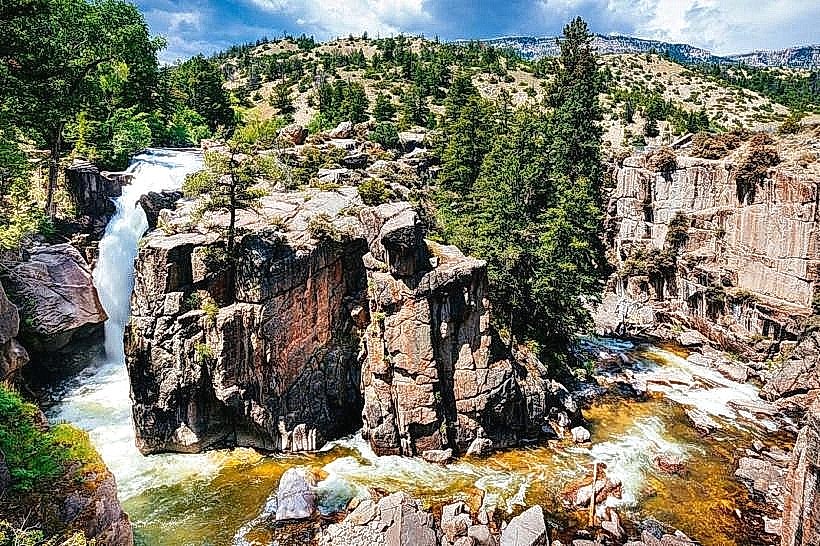
Bighorn National Forest stretches across the rugged spine of the Bighorn Mountains in north-central Wyoming, offering a vast mix of alpine meadows, glacier-carved valleys, old-growth forests, and wide-open high plateaus. Created in the late nineteenth century, it remains one of the state’s most varied outdoor landscapes, a place where long horizons, shifting weather, and quiet trail corridors define the rhythm of a visit.
Landscape and Natural Setting
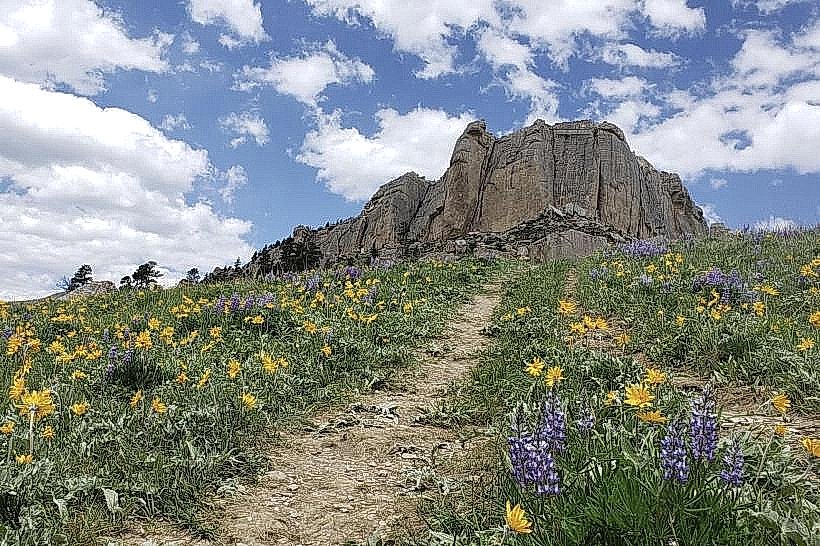
As you enter the forest, the scenery changes noticeably: sagebrush foothills rise toward ridgelines lined with lodgepole pine, Douglas fir, and Engelmann spruce. Higher up, the terrain opens into subalpine meadows where wildflowers-lupine, paintbrush, and larkspur-reflect the season in sudden bursts of color. The Cloud Peak Wilderness, with its granite walls and deep glacial basins, stands at the heart of the forest and gives the area a dramatic, almost austere beauty.
Along many routes, the air carries the scent of crushed pine needles, and you hear the steady sound of wind moving across exposed summits. Small mountain lakes like Sheridan Lake, Meadowlark Lake, and Sibley Lake dot the landscape, each reflecting the shifting sky in a different way.
Trails, Scenic Drives, and Activities
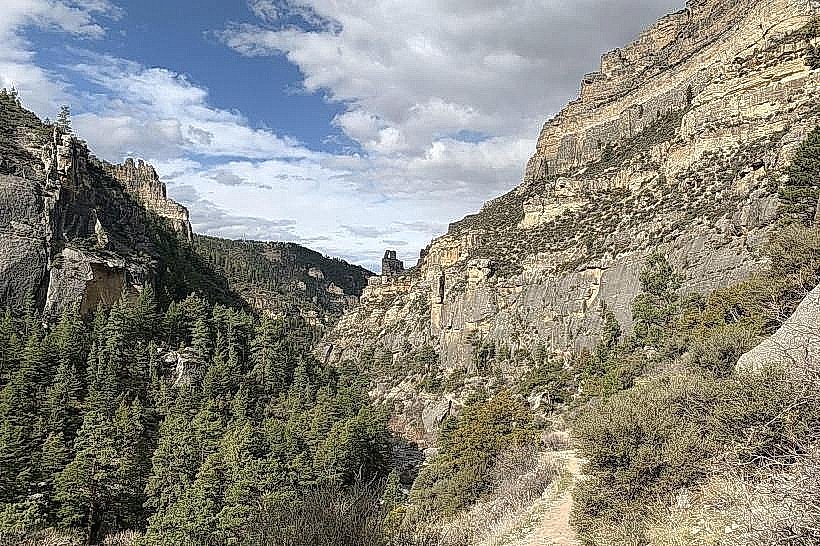
The Bighorn region is known for its accessible but immersive trail network. Hikes range from short woodland loops to demanding climbs into the Cloud Peak backcountry. The South Fork Clear Creek Trail, the Tongue River Canyon, and the paths around Circle Park are among the most memorable, mixing creekside sections, narrow limestone walls, and sudden views over distant plateaus.
Two major scenic byways-US 14 and US 16-cross the forest. Each road rises steadily through deep-cut valleys, passing pullouts where you can step out and feel the temperature drop as the forest thickens around you. Wildlife encounters are common: mule deer grazing near roadside meadows, moose lingering in marshy pockets at dusk, and raptors circling near impossibly high cliffs.
Recreation Culture
Campgrounds are spread generously through the forest, from lakeside sites with early-morning mirrorlike water to rustic spots tucked near trailheads. Anglers work the cool waters of Clear Creek, Tensleep Creek, and the Tongue River forks, often spotting trout moving beneath the surface before the line even touches the water.
Winter transforms the forest into a quieter, snow-covered expanse used for snowshoeing, cross-country skiing, and snowmobiling along designated corridors. The sense of isolation grows deeper under winter skies, yet many routes still feel surprisingly accessible.
Atmosphere
Bighorn National Forest offers a landscape shaped by slow geological forces and centuries of human stories, yet it never feels overly developed. The combination of raw mountain scenery, easy-to-reach trailheads, and quiet pockets of wilderness gives visitors a feeling of stepping into an older, more elemental part of Wyoming. It’s the kind of place where you find yourself pausing a little longer than planned, simply to watch clouds gathering over a distant ridge.