Information
City: SomervilleCountry: USA Massachusetts
Continent: North America
Somerville, USA Massachusetts, North America
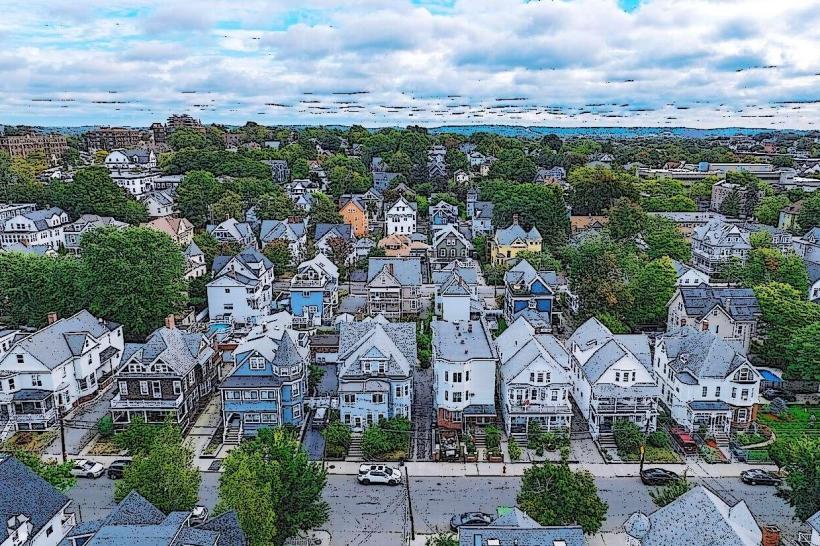
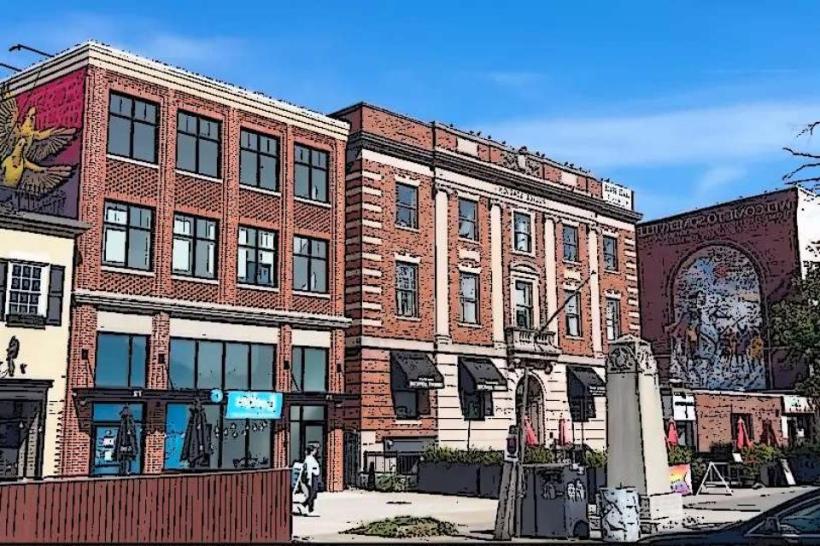
Somerville is an independent city in Middlesex County, located directly northwest of Boston and north of Cambridge. It is the most densely populated municipality in New England, defined by its "Seven Hills" topography, its transition from an industrial rail hub into a global center for innovation, and its status as a premier residential choice for the Boston academic and tech workforce.
Historical Timeline
Inhabited by the Massachusett people for millennia. Primary governance eras include its 1842 separation from Charlestown and its 1872 incorporation as a city. A critical historical event was the 1775 raising of the Grand Union Flag on Prospect Hill, the first unofficial flag of the United Colonies. The 19th and early 20th centuries were defined by brickmaking, meatpacking, and the massive Ford Motor Company assembly plant at Assembly Square. The late 20th century saw the "Slummerville" era of urban decay, followed by a massive revitalization in the 2010s spurred by the expansion of the MBTA Green Line and the growth of the biotech sector.
Demographics & Population
The population is approximately 81,000. The demographics are White (67%), Asian (10%), Hispanic or Latino (9%), and Black or African American (6%). It is a high-density, highly educated community with a significant population of "young professionals," graduate students from nearby Harvard and MIT, and a resilient working-class Brazilian and Salvadoran core.
Urban Layout & Key Districts
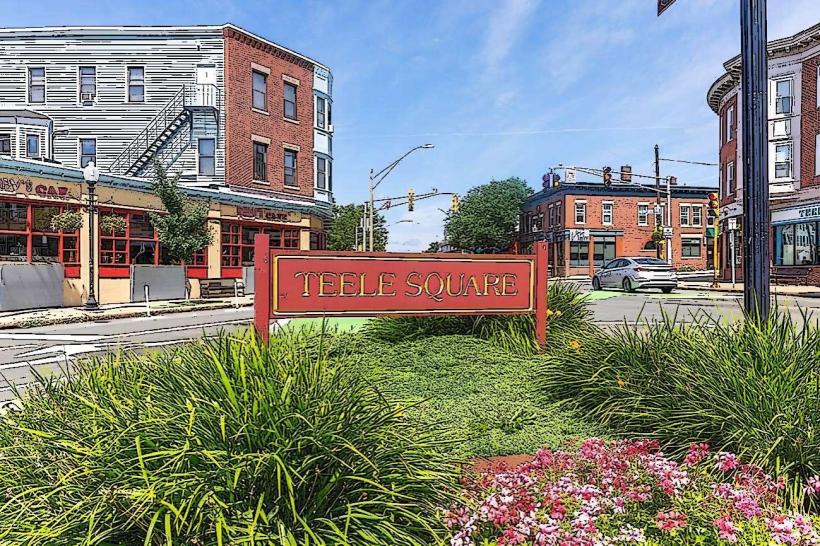
Somerville is organized around a series of commercial "Squares."
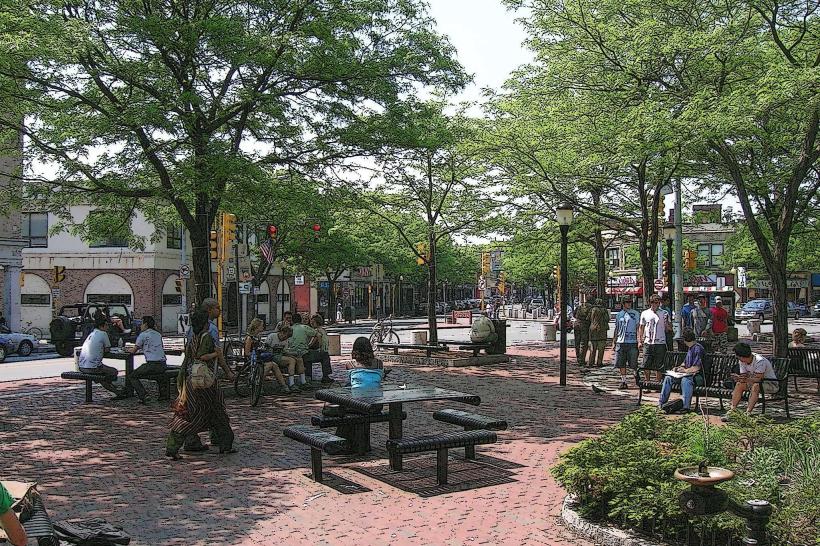
Davis Square: The cultural heart, featuring a high density of theaters, independent retail, and nightlife; anchored by the Red Line.
Union Square: The city's oldest commercial hub, currently undergoing massive redevelopment as a biotech and life-sciences district.
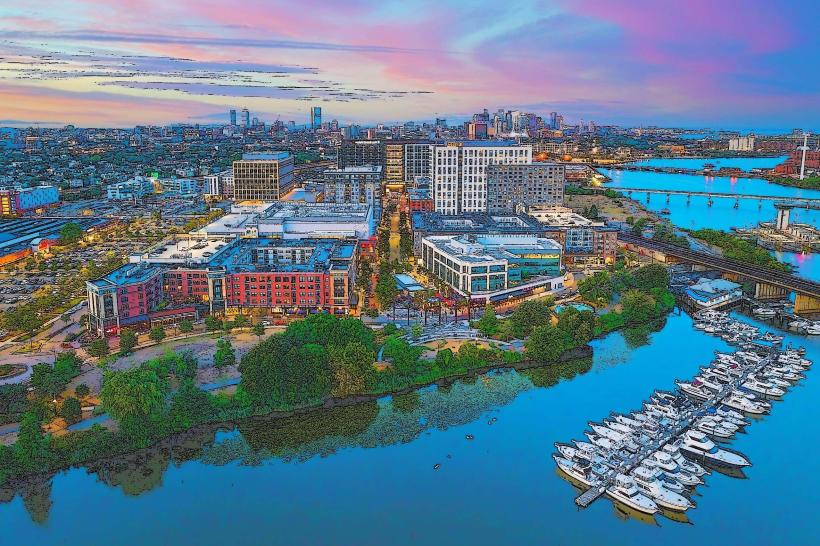
Assembly Square: A former industrial site transformed into a high-density "live-work-play" waterfront district with luxury retail and corporate HQs.
Ball Square / Magoun Square: Residential-commercial hubs known for legendary breakfast cafes and independent local businesses.
Winter Hill / Prospect Hill: Historically significant residential hills offering expansive views of the Boston skyline.
Top City Landmarks
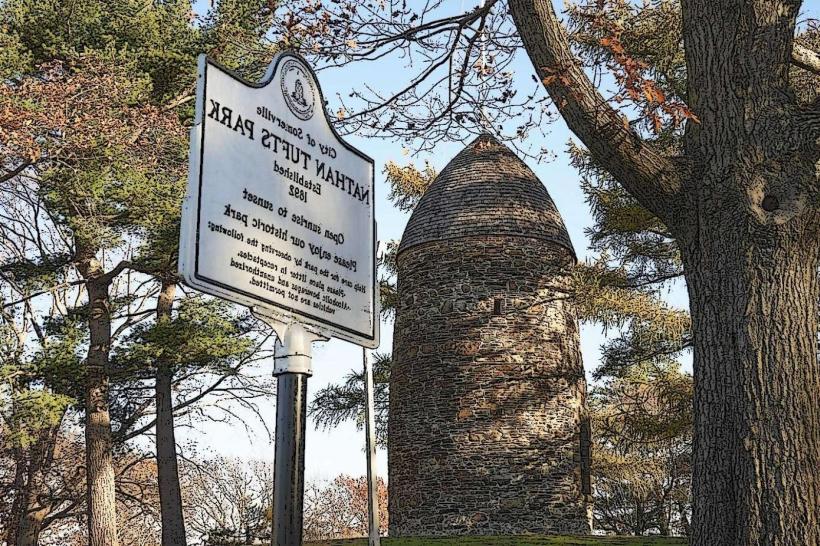
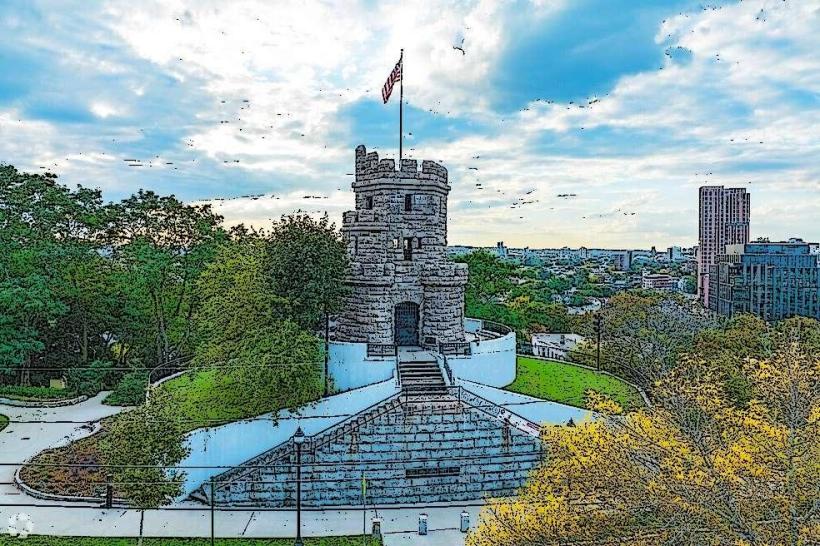
Prospect Hill Monument: A castle-like stone tower commemorating the site of colonial fortifications and the 1775 flag raising.
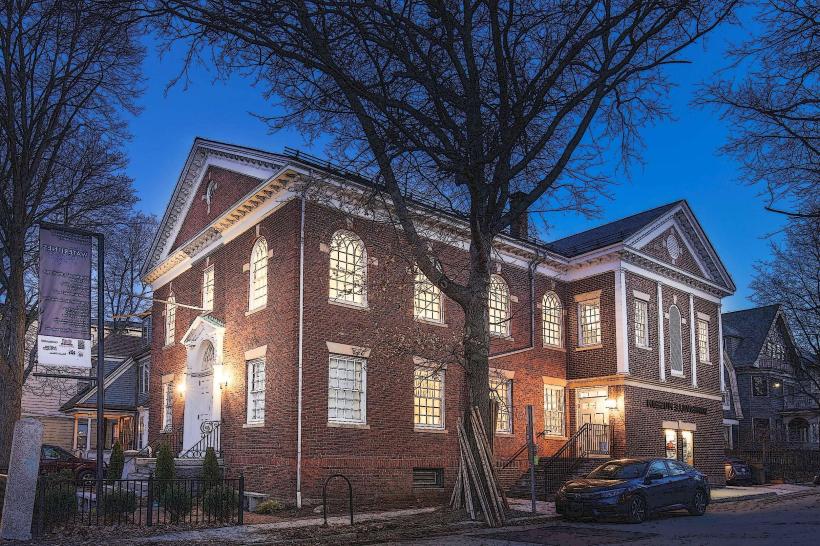
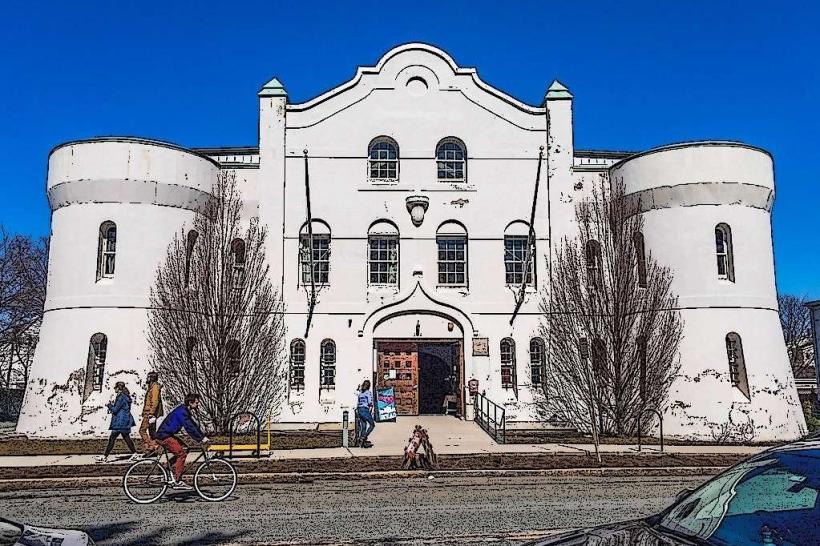
Somerville Museum: A community-focused museum documenting the city’s complex social and industrial history.
Museum of Bad Art (MOBA): Located within the Dorchester Brewing Co (formerly in the Somerville Theatre), a world-famous collection of "art too bad to be ignored."
Somerville Theatre: A historic 1914 vaudeville house and cinema in Davis Square.
The Community Path: A heavily utilized linear park and commuter rail-trail connecting the city to Cambridge and the Minuteman Bikeway.
Transportation Network
Movement is serviced by the MBTA Red Line (Davis), the Orange Line (Assembly), and the Green Line Extension (multiple stops including Union Square and Medford/Tufts). The city is accessed via I-93 and Route 28 (McGrath Highway). Commercial air service is via Logan International (BOS), 8 km southeast. It is one of the most walkable and bikeable cities in the U.S. Traffic density is extreme, particularly on Washington Street and at the I-93 interchanges.
Safety & "Red Zones"
The general safety level is high. Property crime, specifically "theft from unlocked vehicles," high-volume bicycle theft, and "porch piracy," is the primary issue. There are no designated "red zones." Caution is advised at night in isolated areas near the McGrath Highway underpasses due to localized vagrancy. Common scams involve fraudulent "apartment rental" listings and "parking permit" solicitations targeting new student residents.
Digital & Financial Infrastructure
Internet speeds average 600+ Mbps with fiber availability via Verizon Fios, Xfinity, and Astound Broadband. Main mobile carriers are Verizon, AT&T, and T-Mobile. Card acceptance is universal. ATMs are ubiquitous in every Square.
Climate & Air Quality
Temperatures range from -5°C to 3°C in winter and 18°C to 28°C in summer. The "urban heat island" effect is significant due to high density and low tree canopy in southern districts. Air quality is moderate, often impacted by heavy vehicle emissions from the I-93 corridor.
Culture & Social Norms
The standard tipping percentage is 20–25%. A handshake is the standard greeting. Dress codes are "Academic-Chic" or "Startup-Casual." The city is culturally defined by its "Creative Class" energy, its world-class culinary scene (specifically in Union and Davis Squares), and its annual "Fluff Festival," celebrating the invention of Marshmallow Fluff in Somerville in 1917.
Accommodation Zones
Assembly Square: Recommended for modern luxury hotels and proximity to the Orange Line.
Davis Square Area: Recommended for local boutique stays and nightlife access.
Local Cost Index
1 Espresso: $4.75 (USD)
1 Standard Lunch: $22.00 (USD)
1 MBTA Subway Fare: $2.40 (Single).
Nearby Day Trips
Cambridge: (Directly adjacent south).
Boston: (Directly adjacent southeast).
Middlesex Fells Reservation: (5 km north; 2,500 acres of hiking).
Facts & Legends
Somerville is the birthplace of the marshmallow fluff. Historically, it was the site of the "Powder Alarm" of 1774, a major precursor to the Revolutionary War. A local legend involves the "Winter Hill Gang," a notorious Irish-American organized crime syndicate that dominated the region's underworld in the late 20th century. Another legend concerns "The Hidden Tunnels of Prospect Hill," rumored subterranean passages used by colonial militias to move munitions undetected.