Information
City: TahitiCountry: French Polynesia
Continent: Australia
Tahiti, French Polynesia, Australia
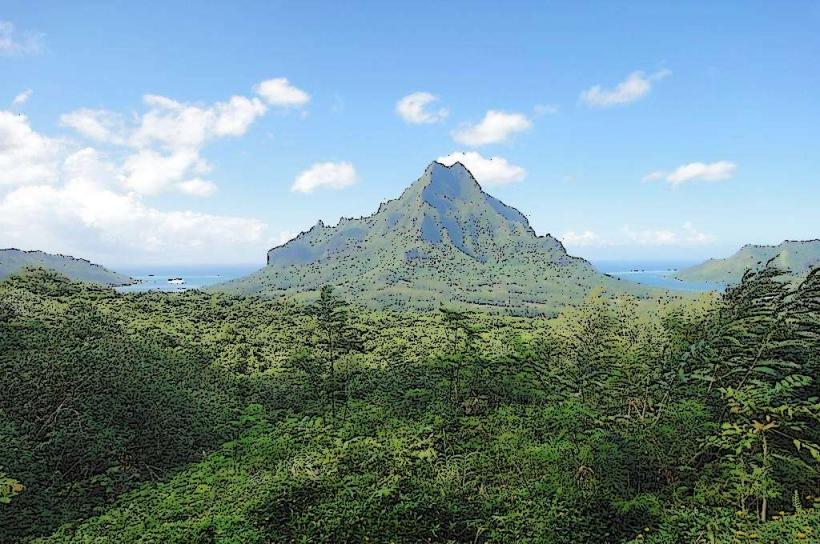
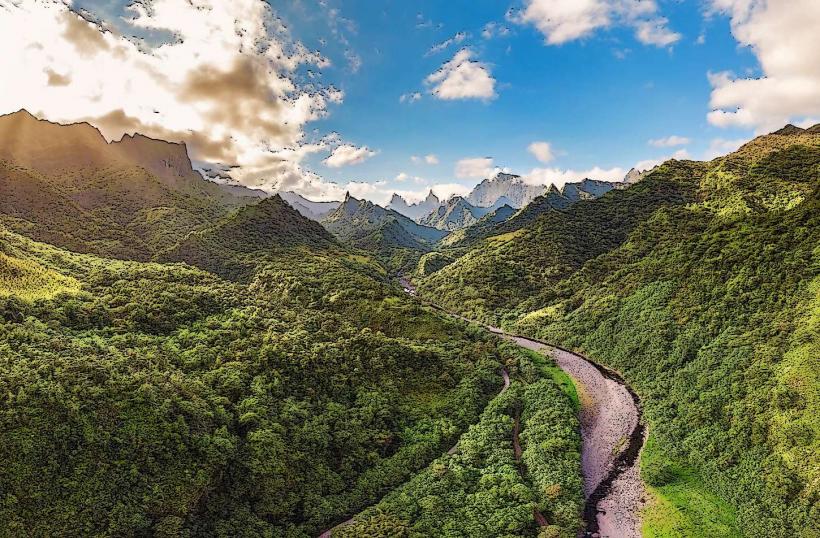
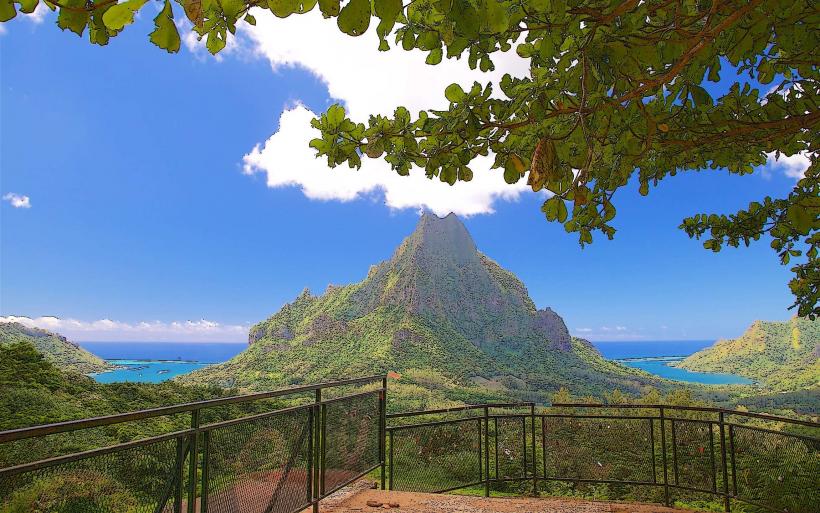
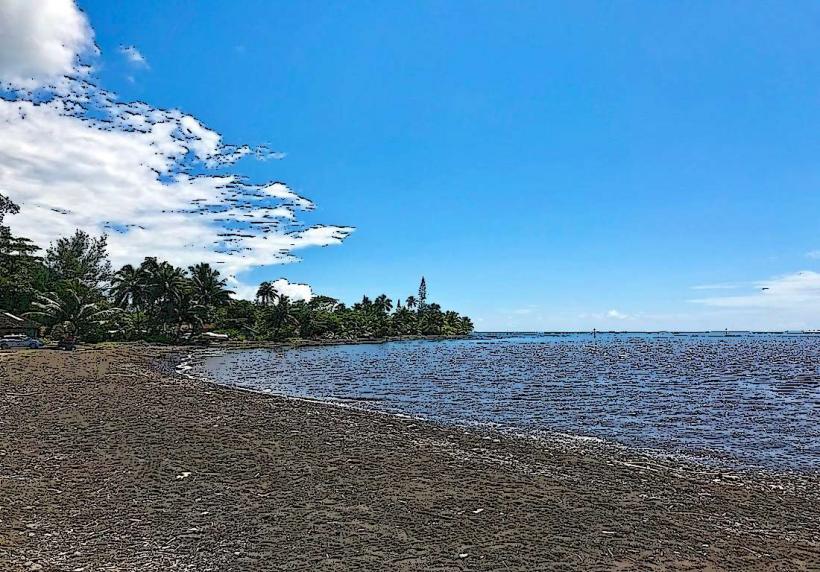
Tahiti is the economic, political, and cultural center of French Polynesia, an overseas collectivity of France. It is located in the central South Pacific Ocean as the largest island of the Society Islands archipelago.
Historical Timeline
Tahiti was first settled by Polynesians around 300–800 AD. Governance transitioned from the Pomare Dynasty to a French Protectorate in 1842, followed by full annexation as a colony in 1880. The most significant architectural and infrastructure reconstruction occurred in the 1960s following the establishment of the Centre d’Expérimentations du Pacifique (CEP). The primary event that shaped the current urban form was the construction of Faa'a International Airport and the subsequent rapid urbanization of the Papeete shoreline.
Demographics & Population
The total population of Tahiti is approximately 193,000, with roughly 137,000 residing in the Papeete metropolitan area. The top three ethnic demographics are Ma'ohi/Polynesian (65%), Mixed (20%), and European/French (12%). The median age of the population is 31.5 years.
Urban Layout & Key Districts
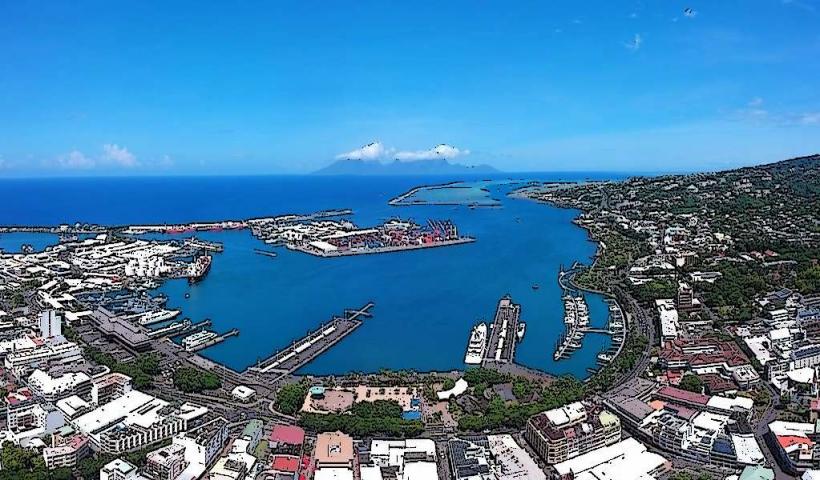
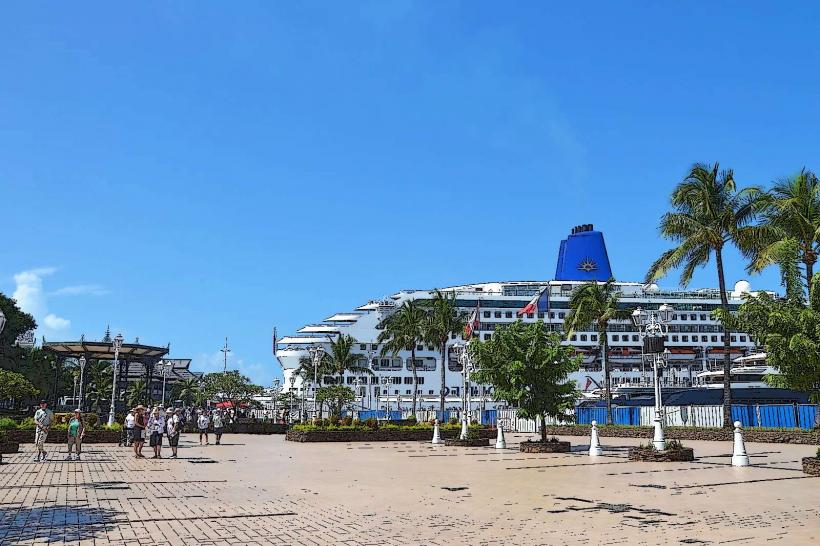
The island is divided into Tahiti Nui (the larger northwestern part) and Tahiti Iti (the smaller southeastern peninsula), connected by the Isthmus of Taravao. The Papeete District (Northwest) serves as the administrative capital and commercial port. The Faa'a District (West) houses the international airport and transport logistics. The Punaauia District (West) is the primary residential and tourism hub, located south of the capital.
Top City Landmarks
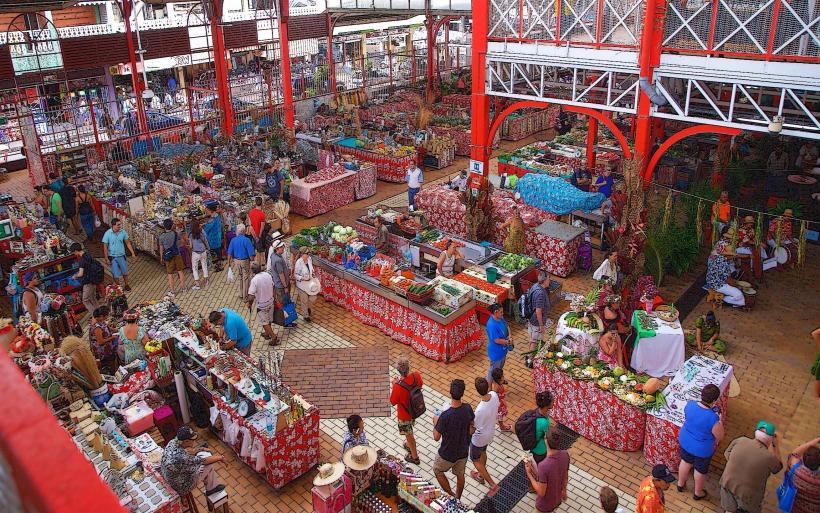
Papeete Market (Marché de Papeete)
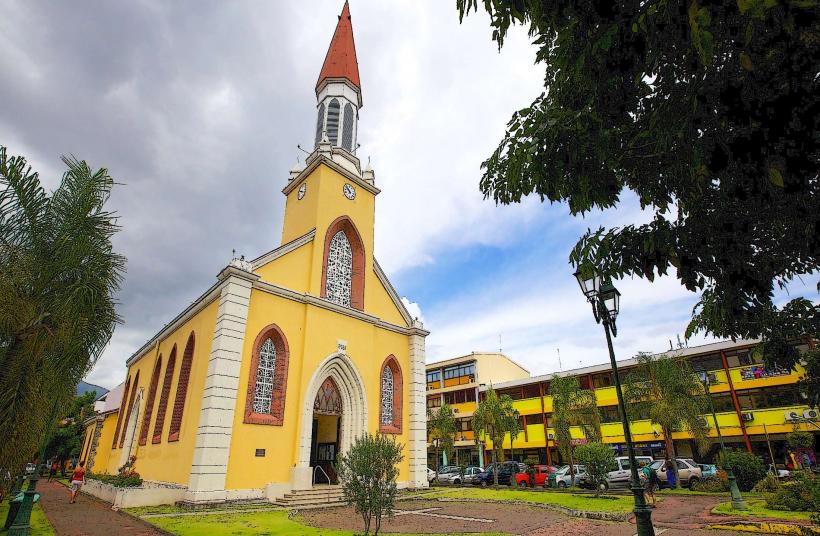
Notre Dame Cathedral of Papeete
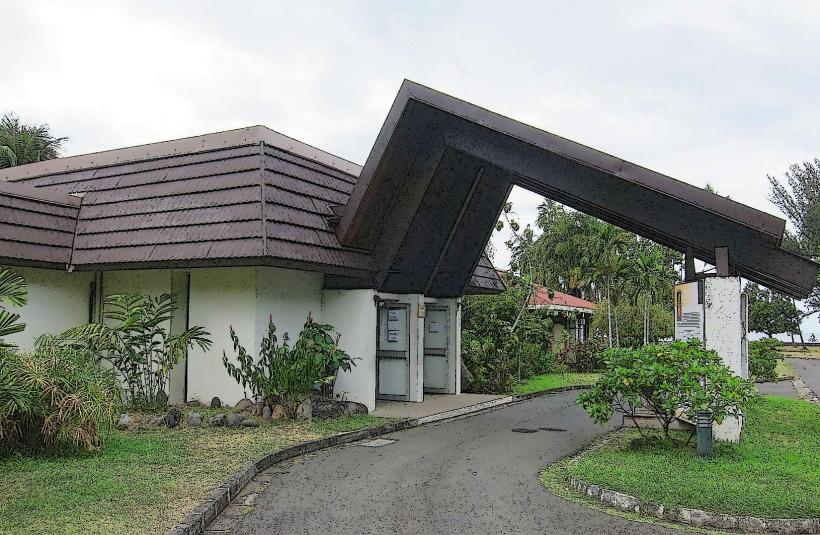
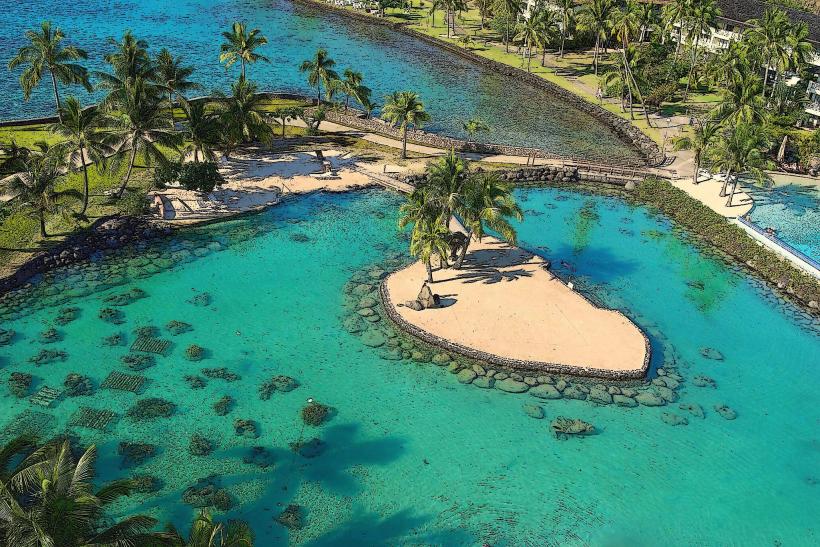
Paofai Gardens
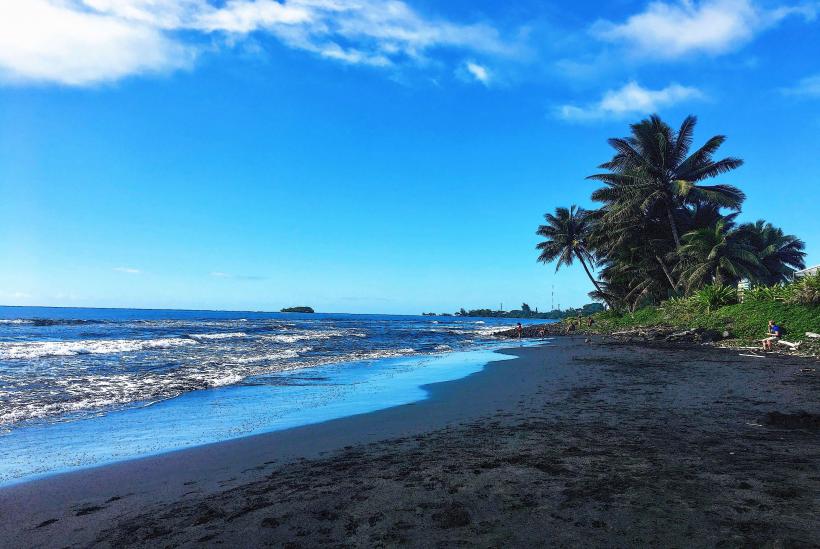
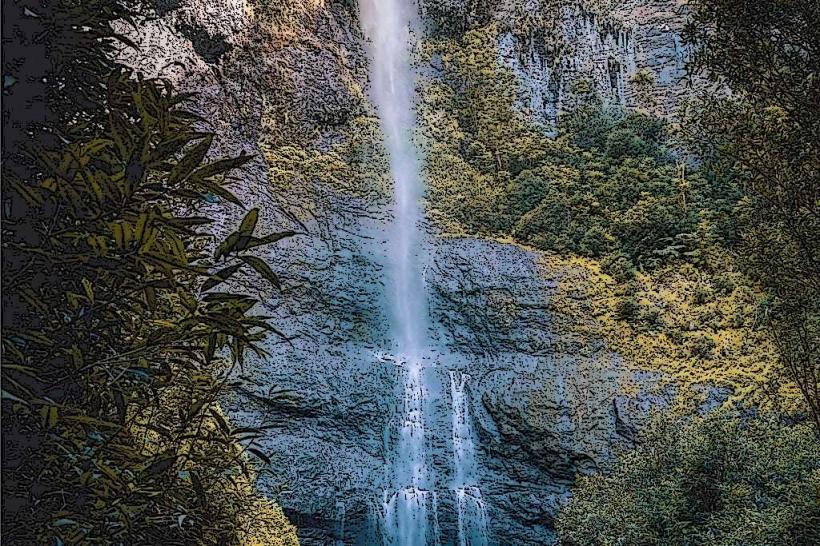
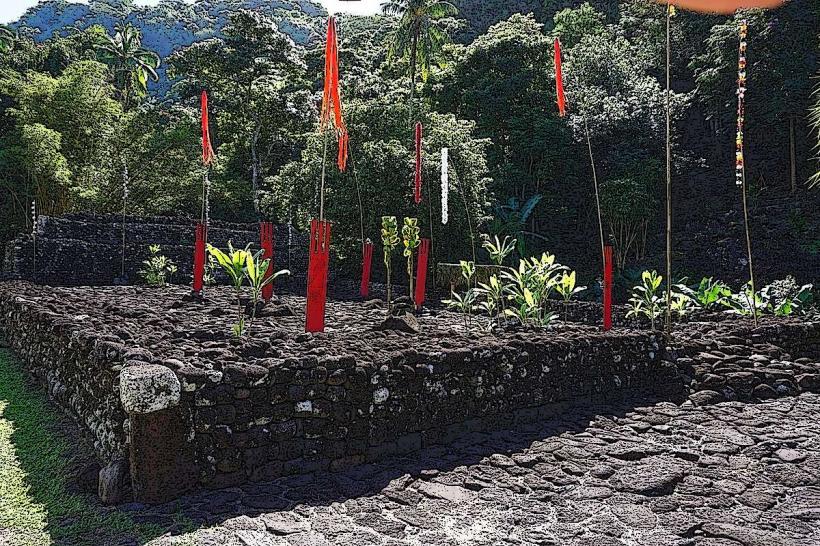
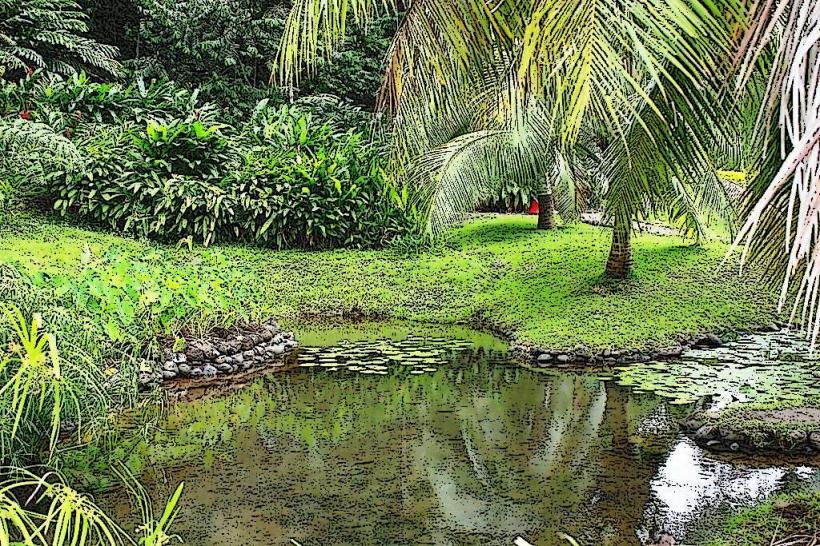
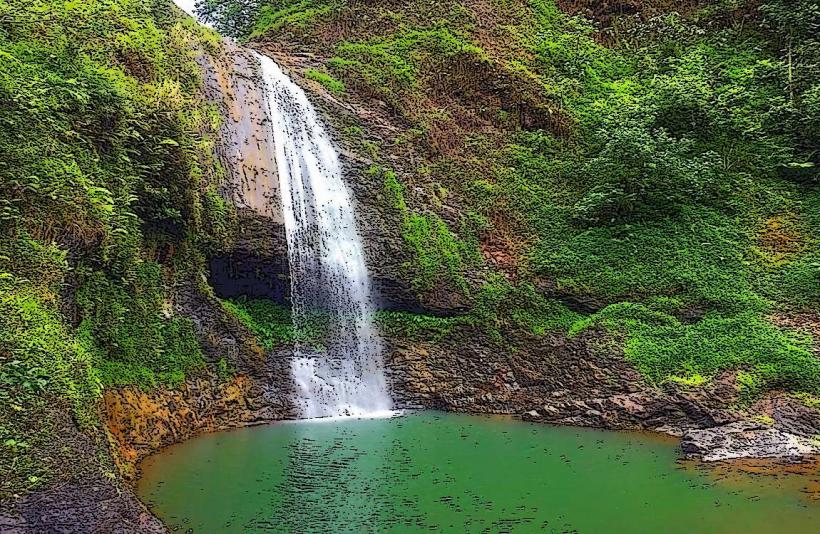
The Water Gardens of Vaipahi
Transportation Network
Movement is facilitated by the RTC (Réseau de Transport en Commun) bus system, which operates along the coastal ring road. There is no metro or rail system. The primary ride-sharing app is Hello Scoot (electric scooters), as Uber/Grab do not operate here. Official taxis are white and display a "Taxi" roof sign; they are expensive and rarely use meters. Traffic density is extremely high on the RDO (expressway) during Roseau-bound morning and afternoon commutes.
Safety & "Red Zones"
Tahiti is generally safe for visitors. Explicitly avoid the backstreets of Papeete (away from the waterfront) and the Manu Hoe area late at night. Petty theft, specifically "snatch and grab" crimes from scooters, occurs in high-traffic tourist zones. Common scams involve overcharging for unofficial taxi rides from the ferry terminal.
Digital & Financial Infrastructure
Internet speeds average 40–100 Mbps via the NATITUA and Honotua submarine cables. Main mobile carriers are Vini and Vodafone. Card acceptance is high in urban districts but low in the remote valleys of Tahiti Iti. ATMs are widely available in Papeete and Punaauia.
Climate & Air Quality
Temperatures range from 20°C to 30°C. Air quality is high due to trade winds, though Papeete center experiences localized smog from transit congestion. Specific weather risks include the cyclone season from November to April and heavy tropical downpours (the "monsoon" effect) in January.
Culture & Social Norms
Tipping is not a standard practice and is sometimes perceived as contrary to Polynesian hospitality. Handshakes are the standard formal greeting, while a "bisous" (cheek kiss) is common in social settings. Dress code is casual but requires shirts and footwear in public buildings. Alcohol sales are restricted on weekend afternoons in supermarkets.
Accommodation Zones
Stay in Punaauia for resort access, sunset views of Moorea, and proximity to white sand beaches.
Stay in Papeete Center for walking access to the ferry terminal, market, and nightlife (Les Roulottes).
Local Cost Index
1 Espresso: 450 XPF ($4.10 USD)
1 Standard Lunch (Poisson Cru): 1,800 XPF ($16.40 USD)
1 Bus Ticket: 200 XPF ($1.80 USD)
Nearby Day Trips
Moorea Island: 18 km (30 minutes by ferry)
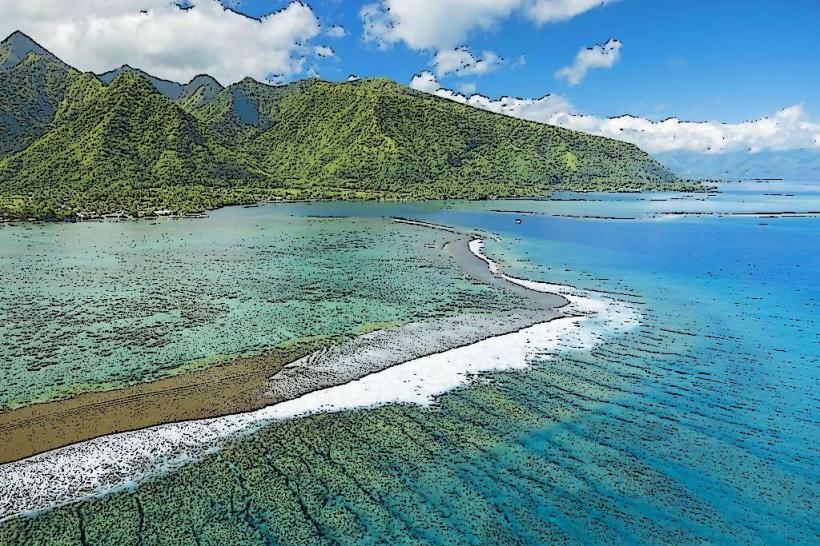
Teahupo’o Surf Break: 75 km (90 minutes)
Tetiaroa Atoll: 53 km (20 minutes by flight/3 hours by catamaran)
Mount Aorai: 15 km (30 minutes to trailhead)
Facts & Legends
Tahiti was famously described as a "New Cythera" by explorer Louis-Antoine de Bougainville, creating the enduring Western myth of a South Seas paradise. A verified historical oddity is that the island once operated its own postal service using "stamps" made of vanilla beans before standard paper logistics were established.