Information
Landmark: Musée de Tahiti et des IlesCity: Tahiti
Country: French Polynesia
Continent: Australia
Musée de Tahiti et des Iles, Tahiti, French Polynesia, Australia
The Musée de Tahiti et des Iles (Museum of Tahiti and the Islands) is one of the most important cultural institutions in French Polynesia, located in Punaauia, just outside Papeete, the capital of Tahiti. This museum offers an in-depth look at the history, culture, and natural heritage of the islands of French Polynesia. Here's a detailed overview:
1. Historical Background
- Founded: The museum was established in 1974 with the aim of preserving and showcasing the unique cultural and natural history of Tahiti and its surrounding islands.
- Mission: It focuses on presenting the pre-European history and Polynesian culture, as well as the evolution of the islands' ecosystems and the impact of European colonization. The museum also houses collections related to the ethnography and archaeology of the Pacific Islands.
2. Museum Architecture and Location
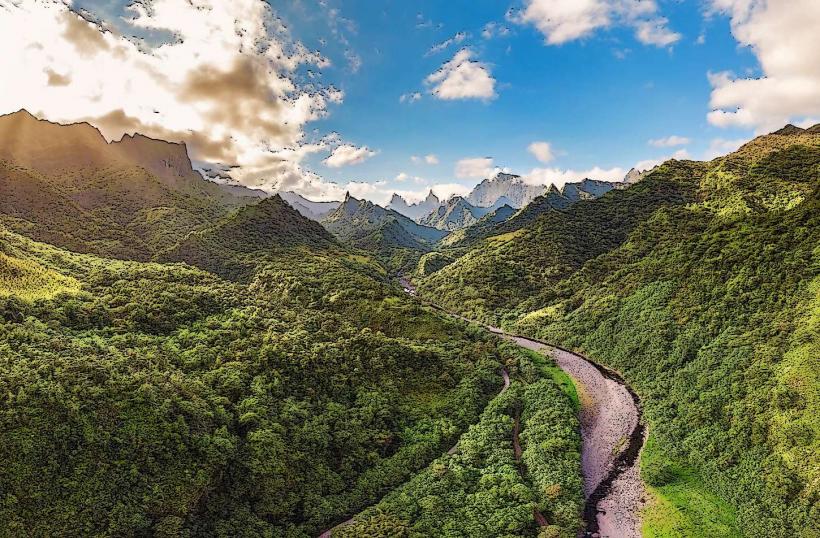
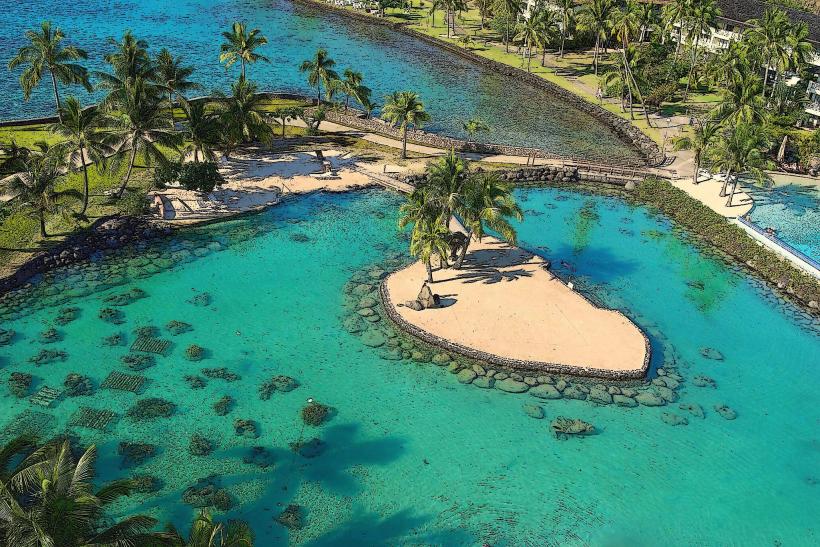
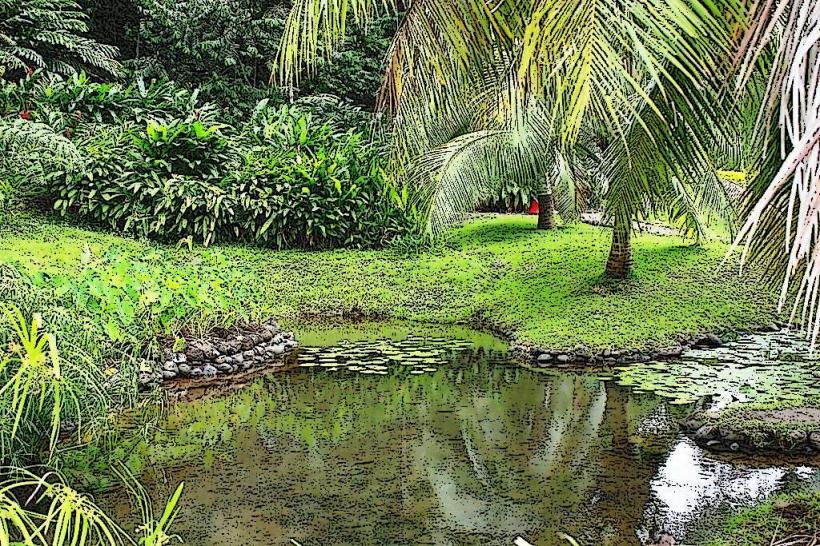
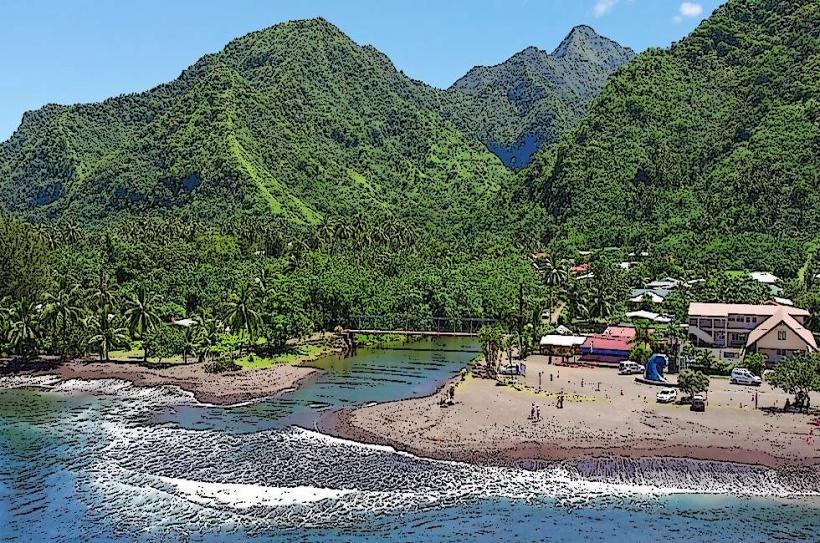
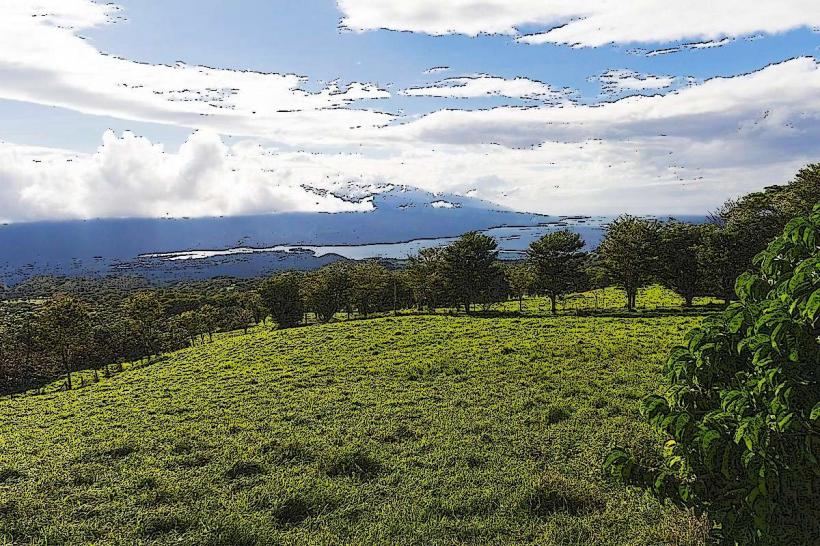
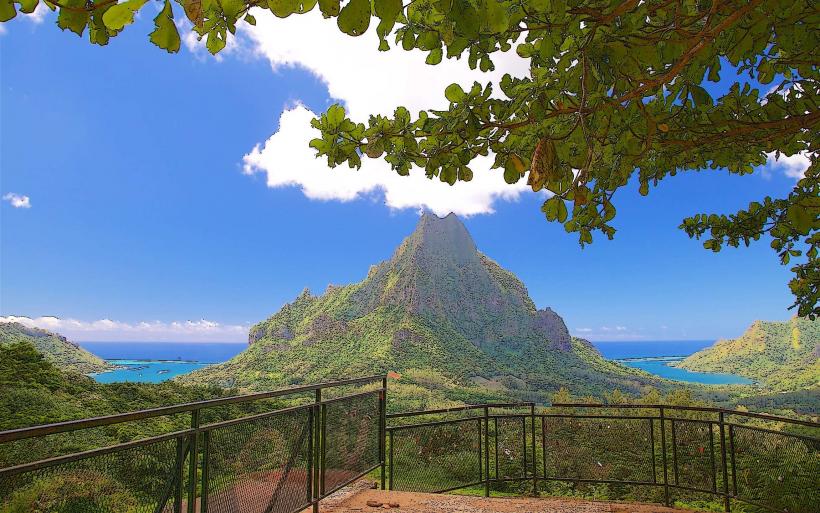
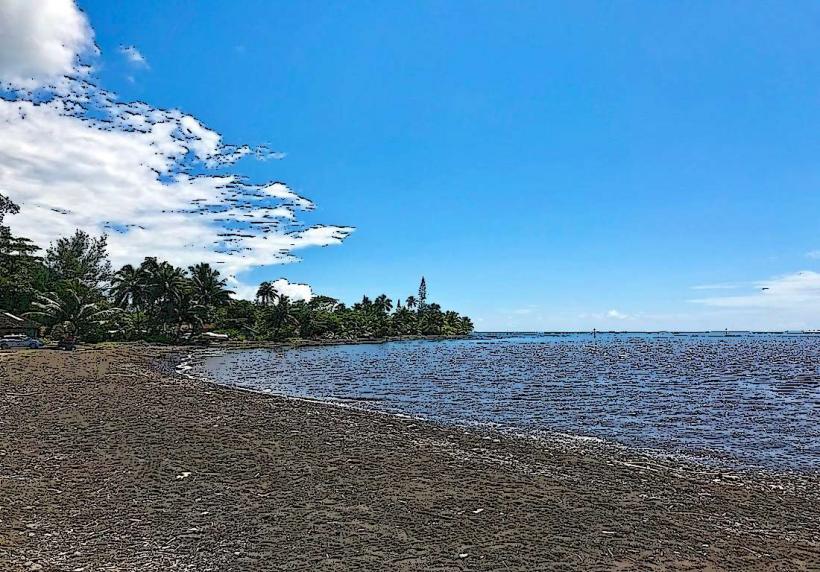
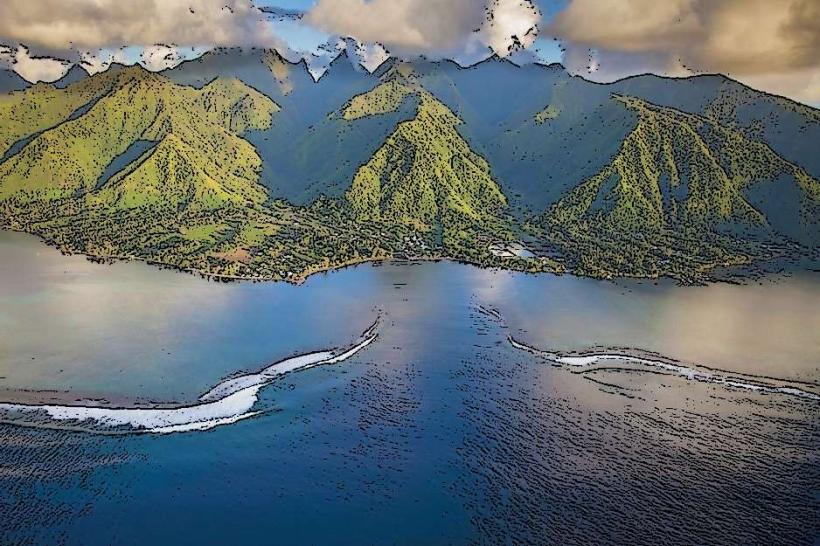
- Setting: The museum is located in a lush tropical garden in Punaauia, offering beautiful views of the nearby mountain ranges and the ocean. Its surroundings provide a tranquil environment where visitors can explore the exhibits and enjoy the natural beauty of the area.
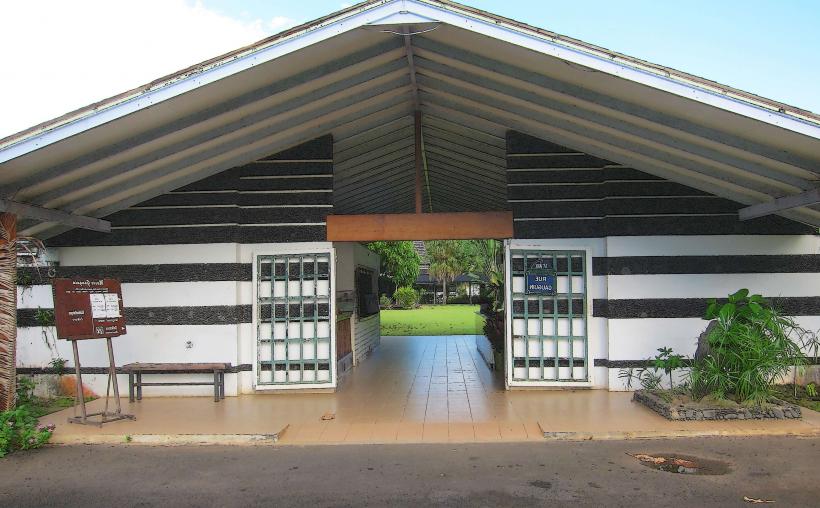
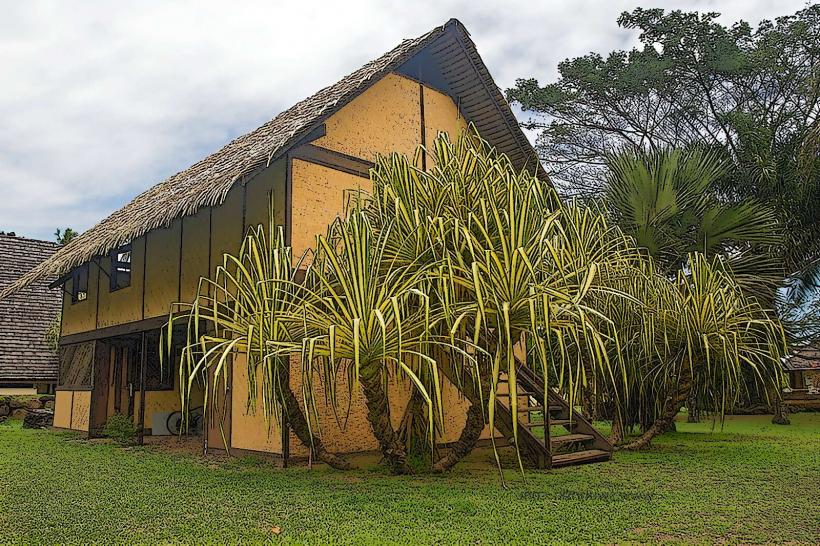
- Architecture: The museum building itself is designed in a style that reflects the traditional Polynesian culture, with thatched roofs and open, airy spaces that complement the tropical climate.
3. Exhibits and Collections
The museum's exhibits are divided into several sections, each focusing on different aspects of the Polynesian islands' cultural and natural history.
a. Ethnography and Anthropology
- Polynesian Art and Artifacts: The museum houses a wide range of Polynesian art and traditional objects used by the people of French Polynesia. This includes weapons, tools, utensils, and religious objects.
- Traditional Clothing: Visitors can view examples of traditional Polynesian attire, such as tahitian pareos and featherwork.
- Canoe Building: The museum also displays the craft of traditional Polynesian canoe building, a skill that has been passed down through generations and was crucial for the exploration and settlement of the Pacific islands.
- The museum has an extensive collection of archaeological artifacts, including pottery, tools, and mementos from the pre-European period. These items shed light on the daily life and social structure of early Polynesian societies.
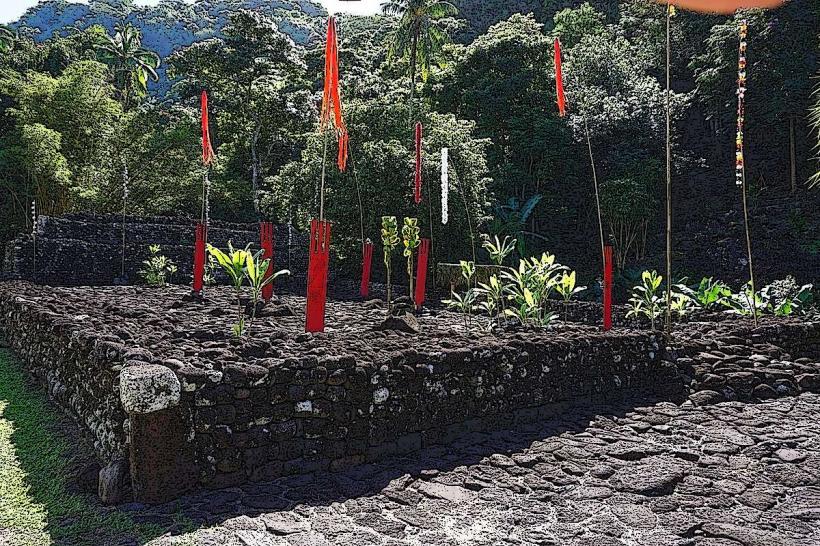
- Marae (ancient sacred sites): The museum explores the significance of marae, the stone platforms used for religious ceremonies. Some displays include models of these sacred sites and explanations of their roles in the religious and social life of the Polynesians.
- The museum covers the impact of European exploration and colonization, with displays on figures like the Explorer James Cook and other early navigators who arrived in Tahiti and the surrounding islands.
- Missionaries and Settlers: There are also exhibits related to the arrival of Christian missionaries in the 19th century, which had a profound influence on the local culture, traditions, and religious practices.
- The museum highlights the rich biodiversity of French Polynesia. There are exhibits about the flora and fauna of the islands, including rare species that are unique to the region.
- Marine Life: The museum features exhibits on the marine ecosystems, with displays on the species that inhabit the coral reefs, including sharks, mantas, and tropical fish.
- Environmental Conservation: There are sections dedicated to raising awareness about the preservation of French Polynesia’s fragile ecosystems, with a focus on the protection of coral reefs, wildlife, and forests.
- The museum also pays tribute to the navigational prowess of the Polynesians, who were skilled seafarers and explorers. Exhibits explore their navigational methods, star maps, and the use of canoes to explore vast distances across the Pacific.
4. Cultural Events and Activities
- The Musée de Tahiti et des Iles regularly hosts cultural events, such as traditional dance performances, craft workshops, and lectures on Polynesian culture and history.
- Visitors can also participate in guided tours to better understand the significance of the exhibits, particularly the archaeological and ethnographic items.
5. Educational and Research Contributions
- The museum plays an important role in the research and preservation of Tahitian and Pacific culture. It supports academic studies related to the history, anthropology, and ecology of the islands and often collaborates with local universities and research institutions.
- It serves as an educational hub, offering resources for those interested in learning about Polynesian culture, both for students and tourists.
6. Visitor Experience
- Location: The museum is located in Punaauia, on the western coast of Tahiti, offering an easy drive from Papeete.
- Opening Hours: The museum is generally open every day except for public holidays. The opening hours may vary, so it’s advisable to check before planning a visit.
- Entry Fees: Entrance fees are usually quite affordable, and there are discounts for students and groups. The museum is often included in the wider cultural experiences offered by tour operators.
7. Nearby Attractions
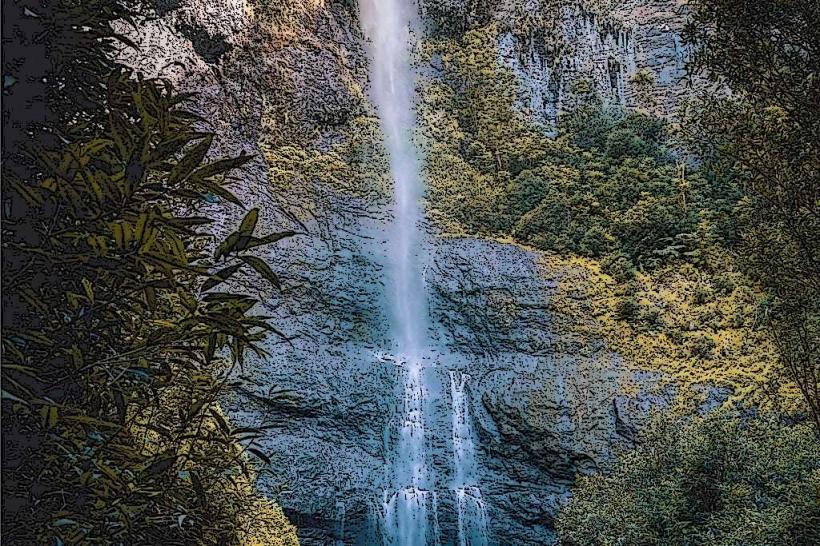
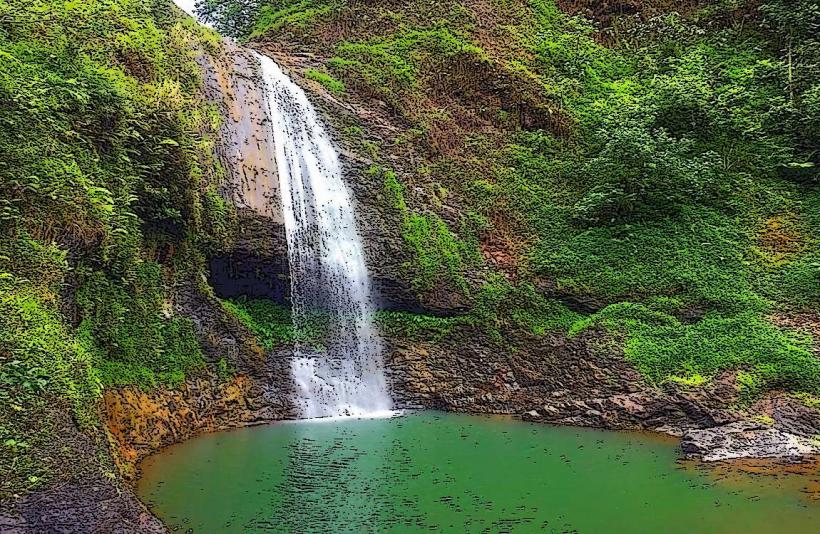
- Faarumai Waterfalls: A scenic area featuring beautiful waterfalls located near the museum, perfect for a nature excursion.
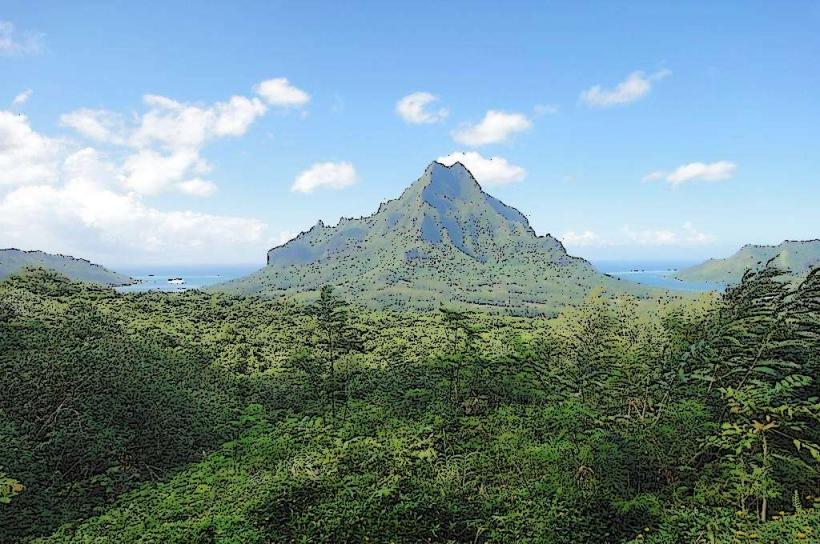
- Mount Orohena: The highest peak on Tahiti, offering hiking opportunities with stunning views of the island.
- The Black Pearl Museum: Located in Papeete, this museum focuses on Tahiti's famed black pearls and their history, which is another cultural and economic facet of the island.
Conclusion
The Musée de Tahiti et des Iles is an essential destination for anyone seeking a deeper understanding of Tahiti's history, culture, and natural environment. With its diverse exhibits, the museum offers visitors an opportunity to learn about the traditions, history, and natural wonders of French Polynesia in a way that is both engaging and informative. Whether you're interested in the Polynesian way of life, the archaeological finds, or the biodiversity of the islands, the museum provides a comprehensive experience.