Information
Landmark: Maroto WaterfallCity: Tahiti
Country: French Polynesia
Continent: Australia
Maroto Waterfall, Tahiti, French Polynesia, Australia
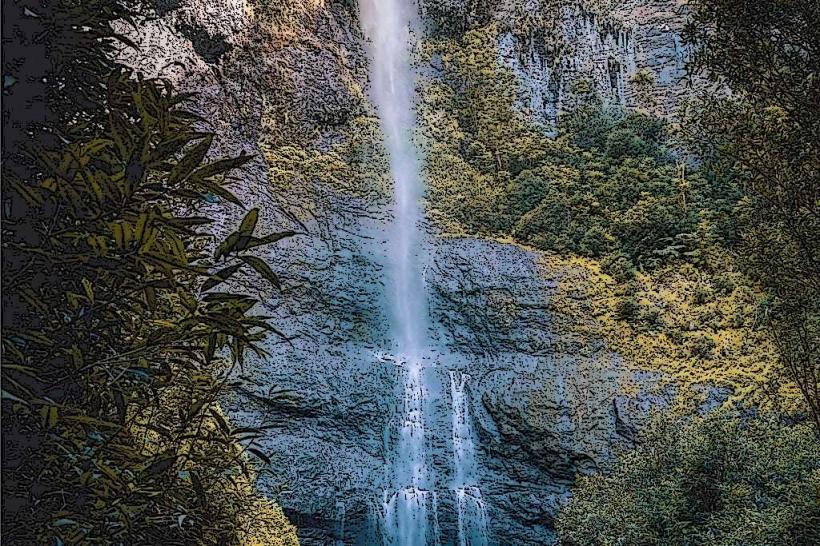
Maroto Waterfall is one of the most impressive and picturesque waterfalls on the island of Moorea, French Polynesia. Located in the island’s lush interior, it offers a beautiful natural setting for hiking and adventure enthusiasts.
Key Features:
Location:
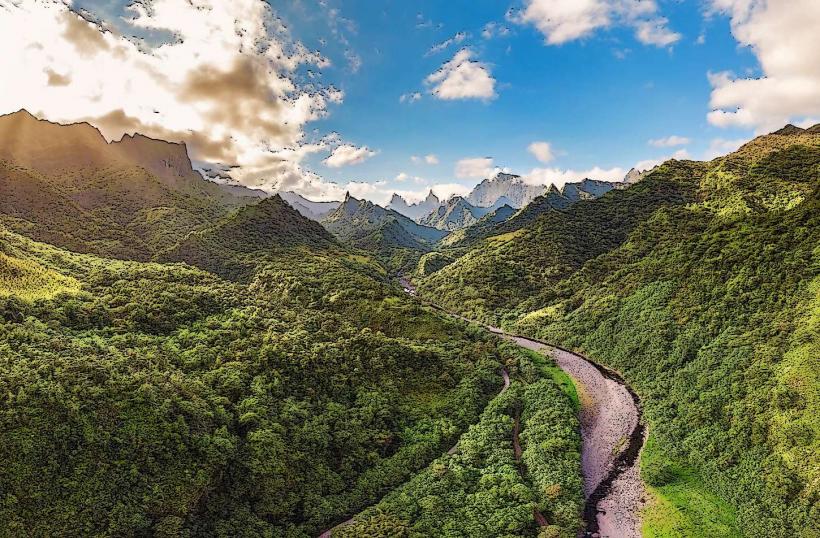
- The waterfall is situated in the Opunohu Valley, one of the most fertile and historically rich valleys on Moorea. The valley is known for its stunning landscapes, dense vegetation, and crystal-clear streams.
- Maroto Waterfall is accessible through hiking trails that start from the valley floor and lead into the mountains.
Hike to the Waterfall:
- Distance and Duration: The hike to the waterfall is approximately 2.5 to 3 kilometers (1.5 to 1.9 miles) one way, and it typically takes about 1.5 to 2 hours to reach the waterfall, depending on pace and trail conditions. The trail is moderate to challenging, with some muddy sections and inclines.
- Trail Features: As you hike toward the waterfall, you'll pass through lush tropical forests, cross small streams, and observe various plant species. The trail is somewhat rugged, so good footwear is recommended. Along the way, hikers are treated to glimpses of the surrounding mountain landscapes.
The Waterfall:
- Height and Appearance: Maroto Waterfall is around 80 meters (260 feet) tall, cascading dramatically down the cliff face. The water plunges into a natural pool below, surrounded by dense foliage. The waterfall is especially stunning after rainfall when the flow is more powerful, and the water creates a misty spray.
- Swimming: The pool at the base of the waterfall is often accessible for swimming, offering a refreshing dip surrounded by nature. However, the water may be cooler and more turbulent during or after rainfall.
Best Time to Visit:
- Weather Considerations: The waterfall is most spectacular after a period of rain when the water flow is at its fullest. However, the hike can be more challenging during the rainy season (November to March), so it's best to plan visits during the dry season (April to October) for easier hiking conditions.
- Morning or Late Afternoon: Like most natural attractions on Moorea, early morning or late afternoon visits are recommended to avoid the heat of midday and to experience the best lighting for photography.
Tourism and Accessibility:
- Guided Tours: Many visitors to Moorea opt for guided tours that take them to Maroto Waterfall, as these guides are knowledgeable about the local flora, fauna, and the valley’s cultural history.
- Self-guided Hikes: For those who prefer exploring on their own, the trailhead to the waterfall is clearly marked, though it is always helpful to have a map or local advice, as the trail can sometimes be tricky to navigate.
Significance:
- The waterfall is part of Moorea's natural beauty, which is central to the island’s allure as a travel destination. The Opunohu Valley, where the waterfall is located, is rich in cultural and historical significance for the Polynesian people. The area has been used for agriculture and traditional activities for centuries.
- Additionally, the lush environment surrounding the waterfall supports a variety of endemic species of plants and animals, adding an ecological interest to the hike.
Nearby Attractions:
- Opunohu Bay: After visiting the waterfall, it's worth exploring nearby Opunohu Bay, which is famous for its crystal-clear waters and opportunities for kayaking, paddleboarding, or snorkeling.
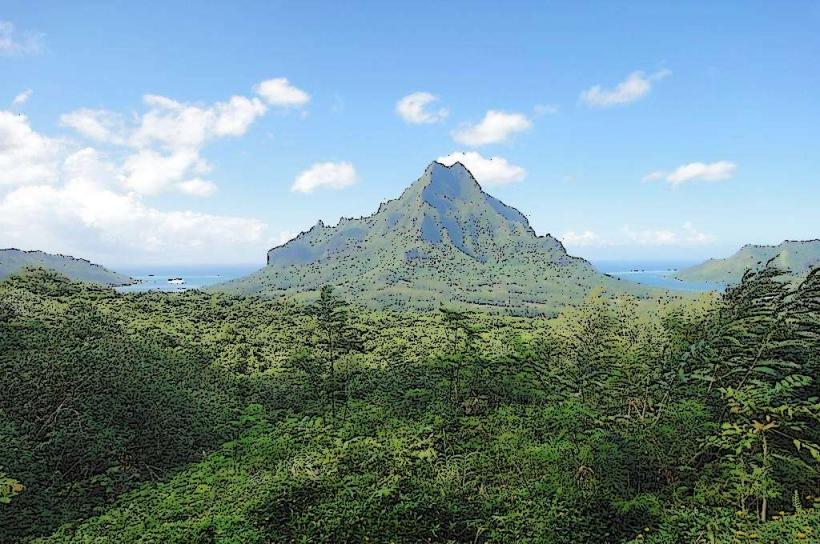
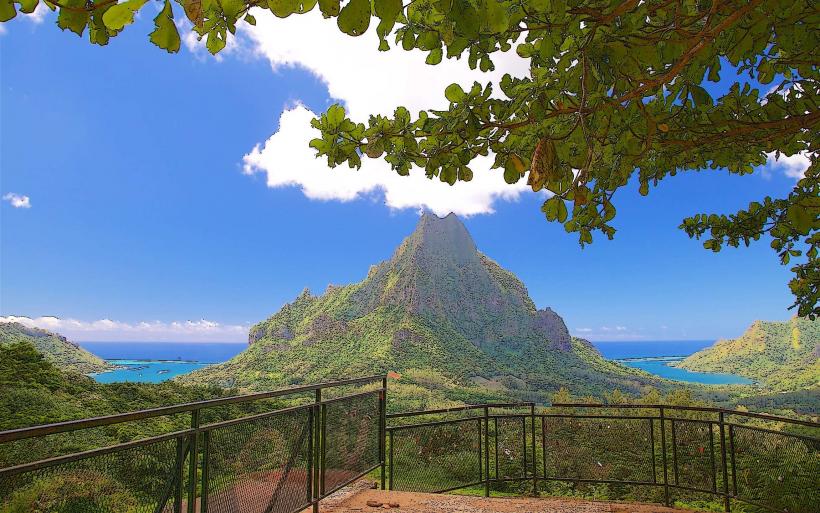
- Belvedere Lookout: Another popular spot in the area is the Belvedere Lookout, which offers panoramic views of both Opunohu Bay and Cook’s Bay, as well as the surrounding mountain peaks.