Information
Landmark: Paul Gauguin MuseumCity: Tahiti
Country: French Polynesia
Continent: Australia
Paul Gauguin Museum, Tahiti, French Polynesia, Australia
The Paul Gauguin Museum (Musée Paul Gauguin) is a cultural institution located on the island of Tahiti in French Polynesia. It is dedicated to the life and works of the renowned French Post-Impressionist artist Paul Gauguin, who is best known for his vivid paintings of the South Pacific, particularly his time spent in Tahiti and the Marquesas Islands. The museum provides visitors with insight into Gauguin's artistic journey, his relationship with Tahiti, and the influence the island had on his artwork.
1. Overview of the Museum
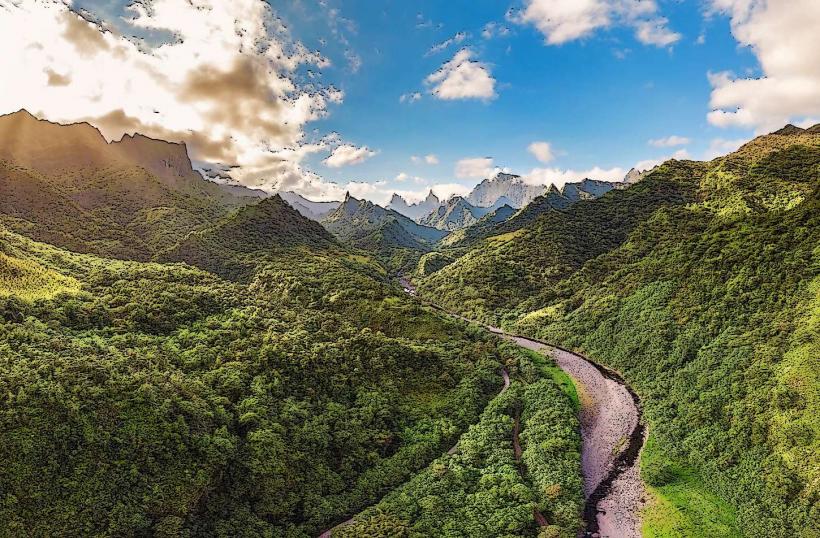
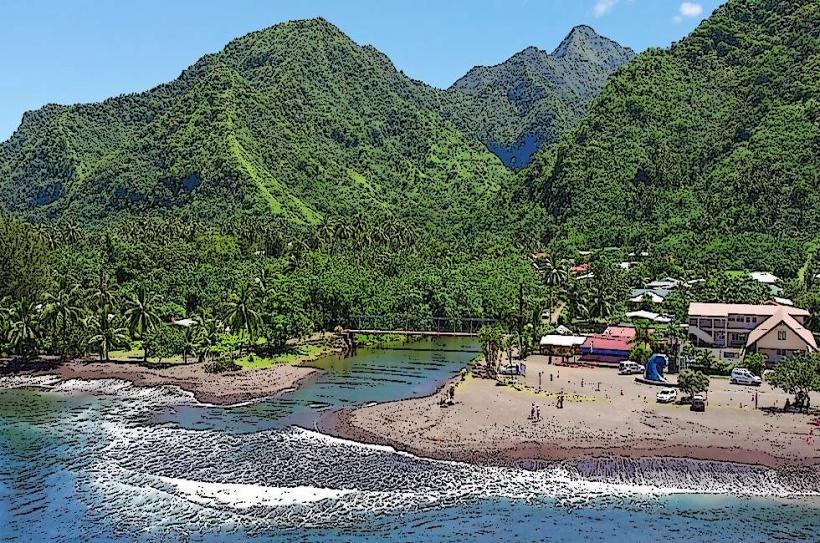
- Location: The museum is located in the village of Papeari, on the western coast of Tahiti, about 38 kilometers (24 miles) from Papeete, the island’s capital. The museum is nestled in lush tropical surroundings, adding to the charm of the experience and offering a tranquil atmosphere for visitors.
- Focus: The museum is primarily focused on Paul Gauguin’s time in Tahiti and the significant impact that the island had on his art. It showcases some of his most famous paintings, as well as his sketches, sculptures, and personal belongings, offering a comprehensive view of his time in the South Pacific.
2. Gauguin’s Life in Tahiti
- Arrival in Tahiti: Paul Gauguin first arrived in Tahiti in 1891, seeking a simpler life and greater artistic inspiration. He was drawn to the colorful landscapes, the exotic culture, and the native people of the island. Gauguin’s time in Tahiti was marked by his desire to escape European society and reconnect with what he saw as a more authentic, "primitive" way of life.
- Artistic Inspiration: During his time on the island, Gauguin painted numerous works that are now considered masterpieces of Post-Impressionism. His distinctive use of bold colors, symbolic depictions of the Tahitian people, and a unique approach to perspective and form set his work apart. Gauguin’s art from this period includes iconic pieces such as "The Spirit of the Dead Watching" and "Where Do We Come From? What Are We? Where Are We Going?".
- Legacy: Gauguin spent several years in Tahiti and later moved to the Marquesas Islands, where he continued to create art until his death in 1903. His time in French Polynesia is a critical part of his legacy, as it deeply influenced his artistic style and the themes of his work.
3. The Museum's Collection
The Paul Gauguin Museum houses a collection of artworks, documents, and personal items related to the artist's life in Tahiti and the South Pacific. Key aspects of the museum’s collection include:
- Paintings and Reproductions: While the museum does not have original works by Gauguin due to the high value of such pieces, it does display high-quality reproductions of some of his most famous paintings. These works showcase the themes of Polynesian life, the Tahitians, and the island’s vibrant landscapes. Many of Gauguin's most well-known works, such as his portraits of Tahitian women and landscapes, are represented in the museum.
- Sculptures: Gauguin was also involved in sculpture during his time in Tahiti, and the museum displays some of his wooden carvings and sculptures. These works show his interest in Polynesian craftsmanship and his desire to explore the intersection between art and culture.
- Sketches and Drawings: Gauguin’s sketches and drawings offer a deeper understanding of his artistic process. The museum showcases some of his preparatory works, as well as his observations of the natural world and the people of Tahiti. These sketches provide insight into how Gauguin developed the themes that would later become the focus of his famous paintings.
- Personal Artifacts: The museum also holds a collection of personal items that once belonged to Gauguin, such as letters, photographs, and tools he used in his work. These artifacts offer a glimpse into the artist’s life and his time in the South Pacific.
- Cultural Artifacts: The museum includes a selection of Polynesian artifacts that were important to Gauguin during his time in Tahiti. These include traditional objects such as masks, tattoos, and carvings that reflect the indigenous culture that inspired much of his work.
4. Museum Architecture and Grounds
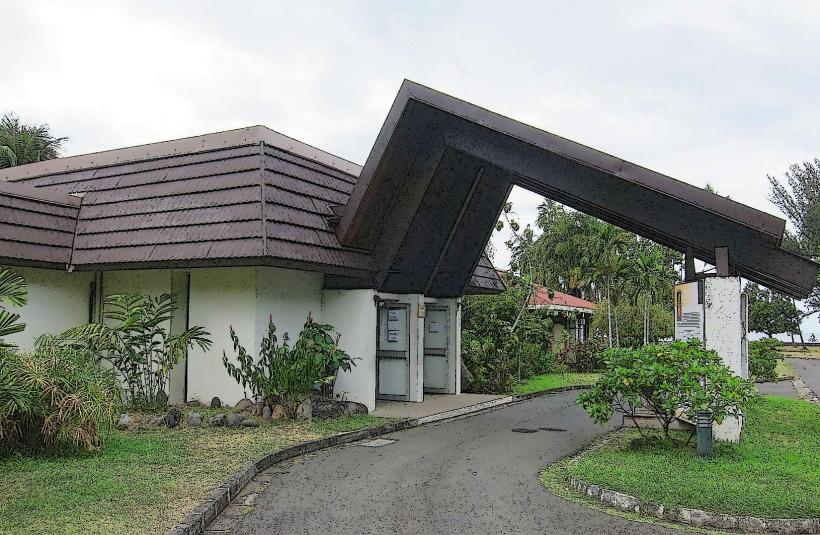
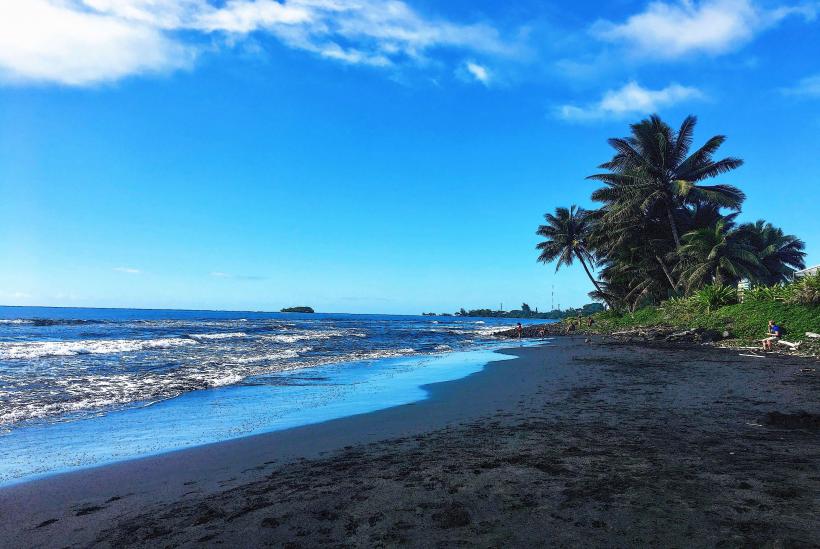
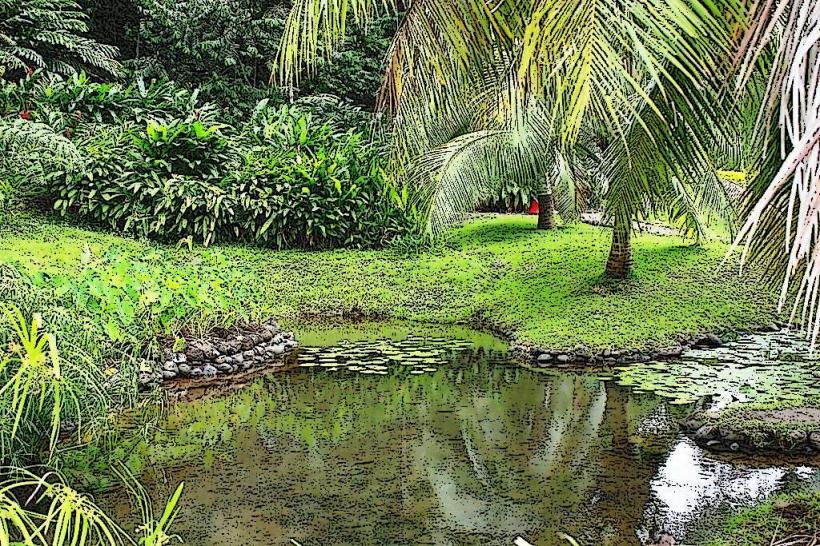
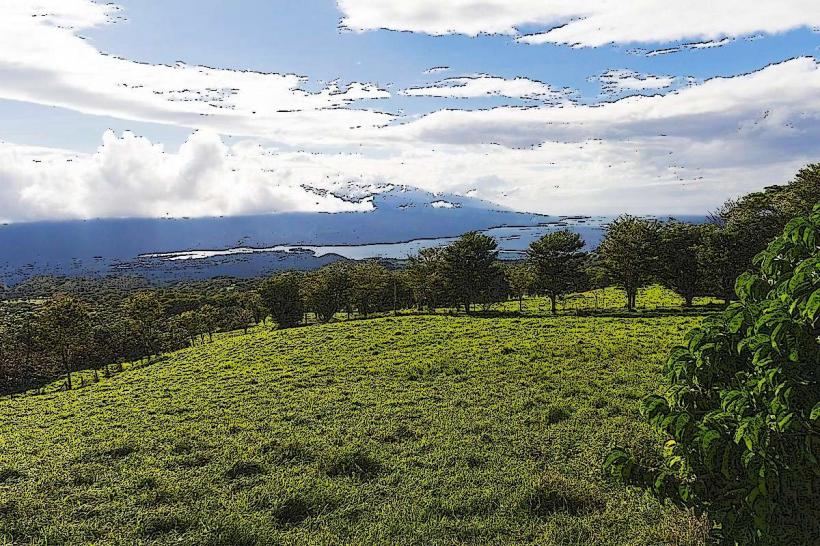
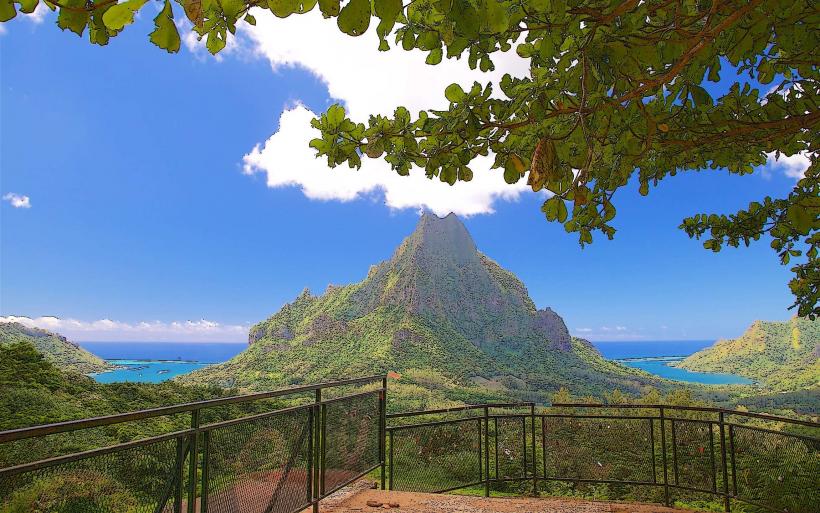
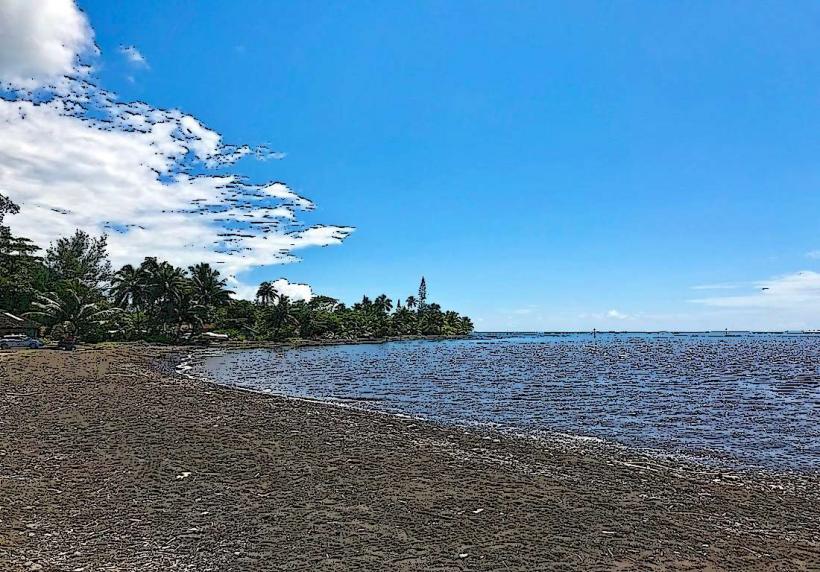
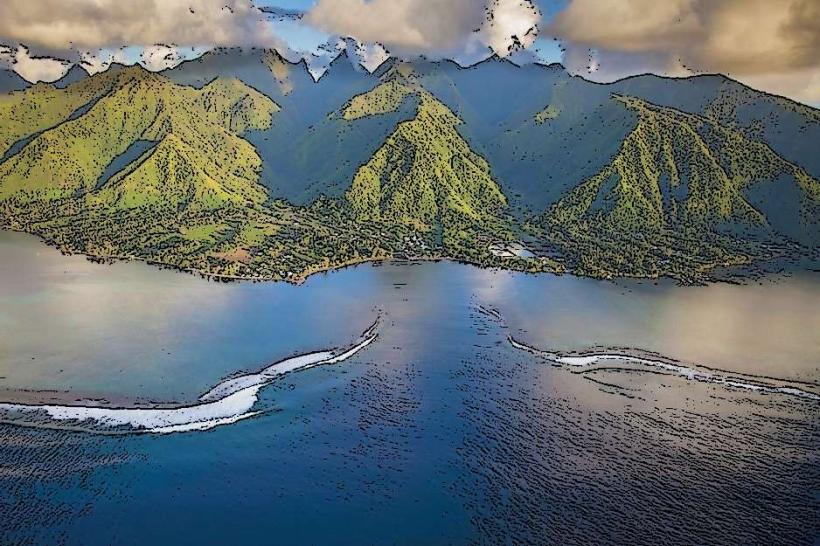
- Setting: The museum is situated in a picturesque location, surrounded by lush tropical vegetation and offering views of the nearby coastline. The peaceful, natural environment contributes to the atmosphere of the museum, providing visitors with a sense of the landscape and culture that inspired Gauguin’s art.
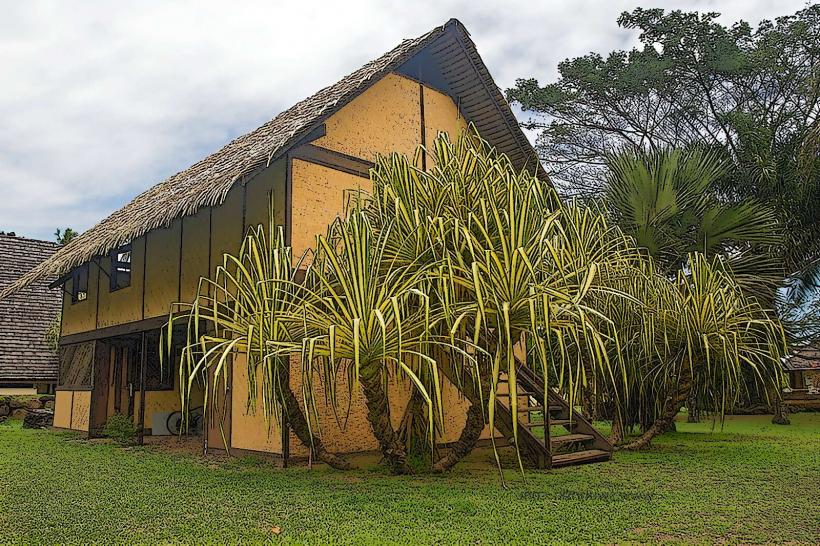
- Building Design: The museum is housed in a traditional Polynesian-style building that blends seamlessly with its surroundings. The architecture is designed to evoke a sense of the South Pacific and complements the museum's cultural and artistic focus. Visitors can explore the outdoor gardens and grounds as well, which feature local plants and tropical flora.
5. Visiting the Museum
- Opening Hours: The museum is typically open every day except for Mondays. It is recommended to check the opening hours in advance, as they may vary seasonally.
- Admission Fees: There is usually an admission fee for the museum, which helps support the preservation and maintenance of the collection. Discounts are sometimes available for students and groups.
- Guided Tours: For a more in-depth experience, visitors can opt for a guided tour. Knowledgeable guides provide detailed explanations of the artist's life and work, as well as the cultural context of his time in Tahiti.
- Exhibitions and Events: The museum occasionally hosts temporary exhibitions, which may feature special collections or focus on different aspects of Gauguin’s work and legacy. Additionally, cultural events or art workshops may be organized, providing visitors with a hands-on experience of Polynesian art and traditions.
6. Nearby Attractions
- Museum of Tahiti and the Islands: Located a short distance away, the Museum of Tahiti and the Islands offers a broader exploration of Tahiti’s history, culture, and natural environment. It complements the Paul Gauguin Museum by providing context about the indigenous peoples and the broader history of the islands.
- Papeari Botanical Garden: Near the museum, the Papeari Botanical Garden showcases the tropical flora of Tahiti. This garden is a peaceful place to explore and relax after a visit to the museum.
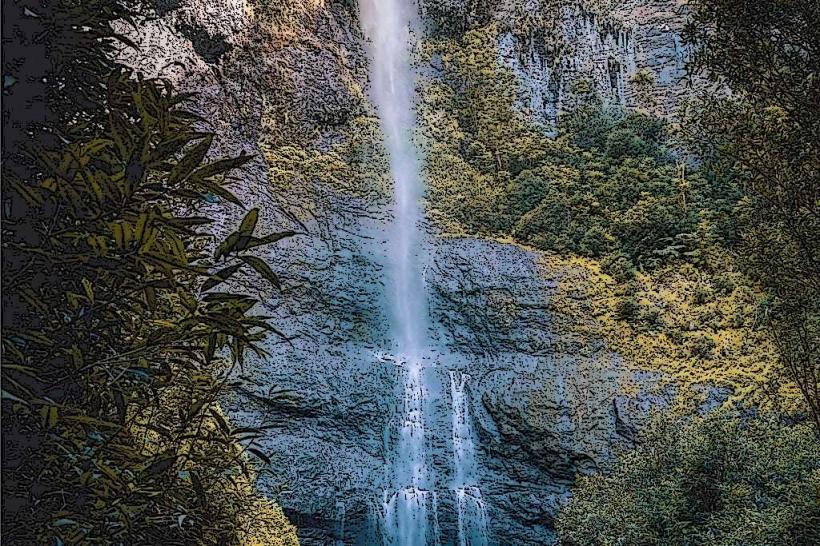
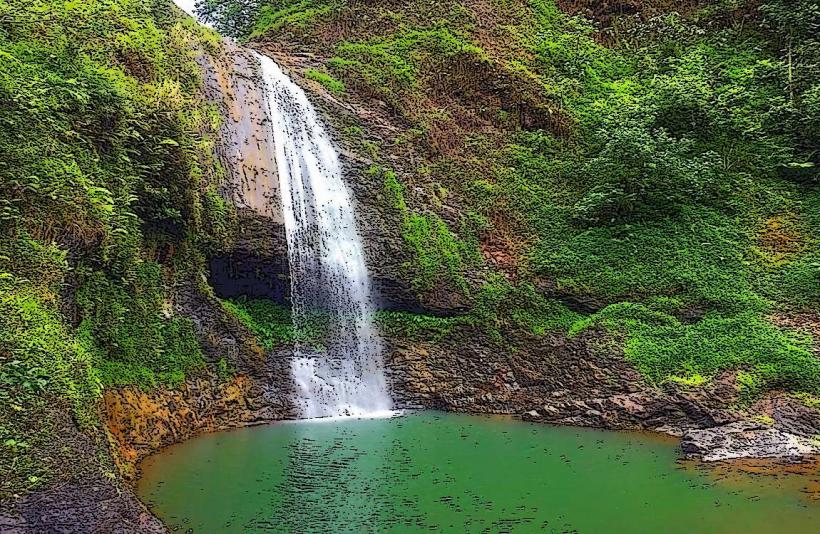
- Faarumai Waterfalls: Close by, the Faarumai Waterfalls offer a beautiful natural experience. Visitors can hike to the falls and enjoy the lush surroundings and refreshing atmosphere.
7. Educational Programs and Research
- Academic Interest: The Paul Gauguin Museum serves not only as a cultural space for visitors but also as a place for research and academic study. Scholars and students interested in Gauguin’s life and work can access resources related to his time in Tahiti, as well as explore the intersection of art, culture, and history in the South Pacific.
- Cultural Preservation: In addition to its focus on Gauguin, the museum works to preserve and promote Polynesian culture, recognizing that Gauguin’s work was deeply influenced by his engagement with the indigenous people of Tahiti and their artistic traditions.
8. Conclusion
The Paul Gauguin Museum is a must-visit destination for art lovers, history enthusiasts, and those interested in the cultural heritage of Tahiti. The museum offers a unique opportunity to explore the life and legacy of one of the most influential artists of the Post-Impressionist movement, while also providing insight into the Tahitian culture that so inspired his work. With its collection of artworks, personal items, and cultural artifacts, the museum provides a comprehensive view of Gauguin’s artistic journey and his connection to the South Pacific.