Information
City: TexarkanaCountry: USA Arkansas
Continent: North America
Texarkana, USA Arkansas, North America
Texarkana is the administrative seat of Miller County and forms the Arkansas half of the "Twin Cities" metropolitan area, straddling the border with Texarkana, Texas. It serves as a critical logistical gateway between the South and the Southwest.
Historical Timeline
The city was founded on December 8, 1873, at the intersection of the Cairo & Fulton Railroad (Arkansas) and the Texas & Pacific Railroad (Texas). It was incorporated on the Arkansas side in 1880. The 1924 construction of the Federal Courthouse directly on the state line became the city's defining architectural event. Economic growth was propelled by the timber boom and the 1941 establishment of the Red River Army Depot. The city gained national notoriety in 1946 during the "Texarkana Moonlight Murders," a series of unsolved serial killings that inspired the film The Town That Dreaded Sundown.
Demographics & Population
The 2026 projected population for Texarkana, Arkansas is 28,897. The top three demographics are White (57.6%), Black or African American (35.5%), and Two or More Races (4.0%). The median age is 38.4 years.
Urban Layout & Key Districts
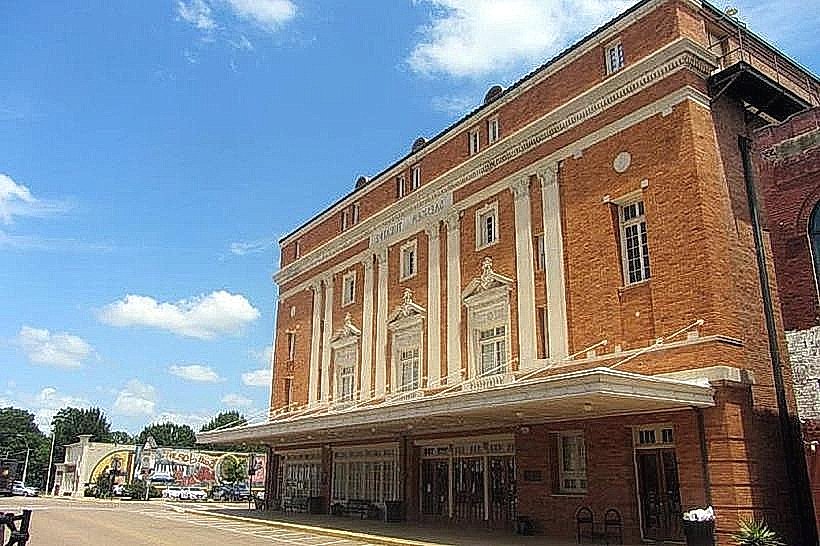
Downtown (Central): The historic core shared with Texas; contains the iconic Post Office and Broad Street's revitalized commercial spaces.
State Line Avenue: The primary north-south artery that literally divides the two states; the Arkansas side contains major government buildings and regional retail.
Jefferson Avenue / Arkansas Boulevard (North): A major commercial and residential corridor featuring the city's primary shopping centers.
Highway 71 South: An industrial and residential sector providing access to the regional airport.
Top City Landmarks
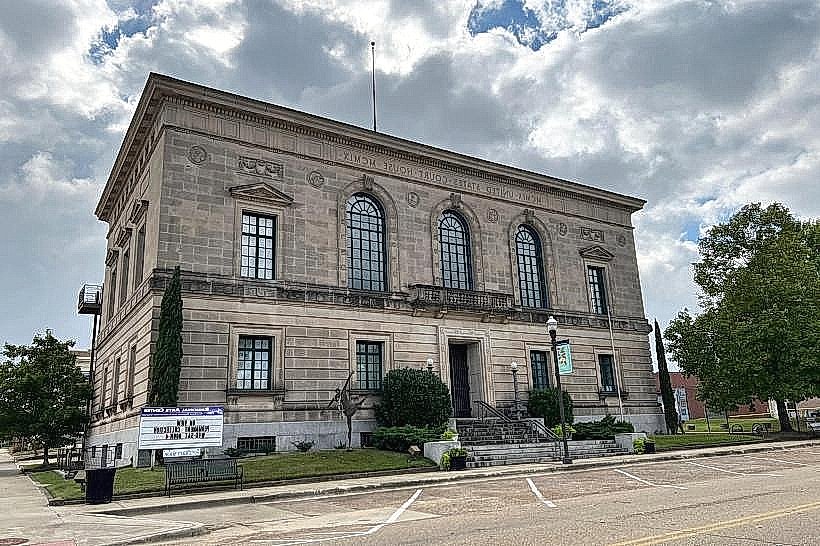
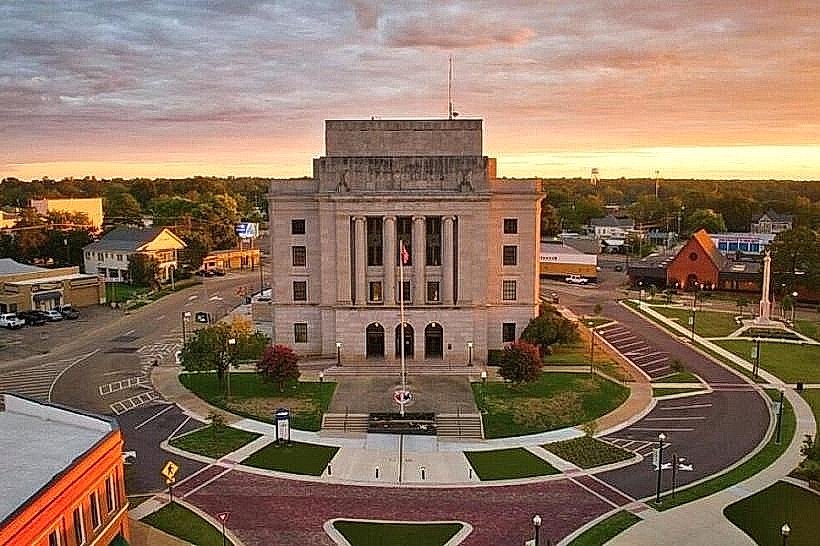
Texarkana Post Office and Federal Courthouse: The only U.S. federal building situated in two states; it is the second most photographed federal building in the U.S. after the Supreme Court.
Photographer's Island: A designated spot on State Line Avenue for tourists to stand in two states simultaneously.
Scott Joplin Mural: A large-scale tribute to the "King of Ragtime," who grew up in Texarkana.
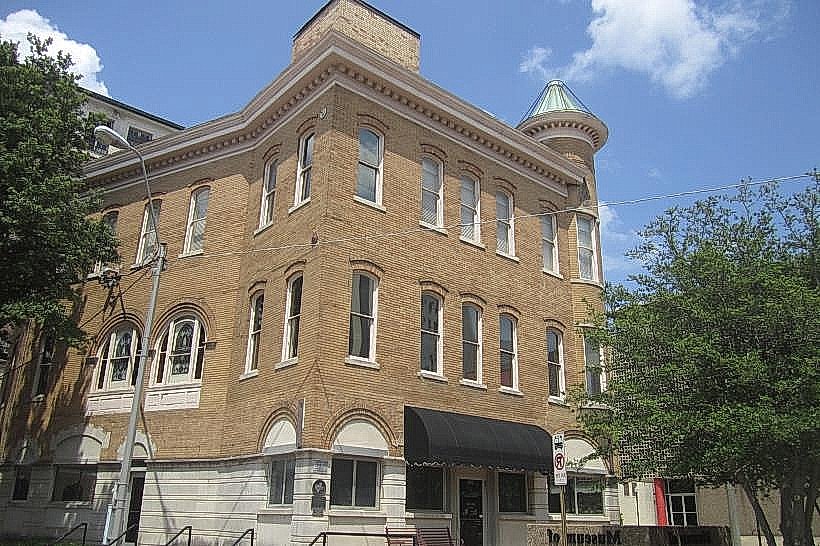
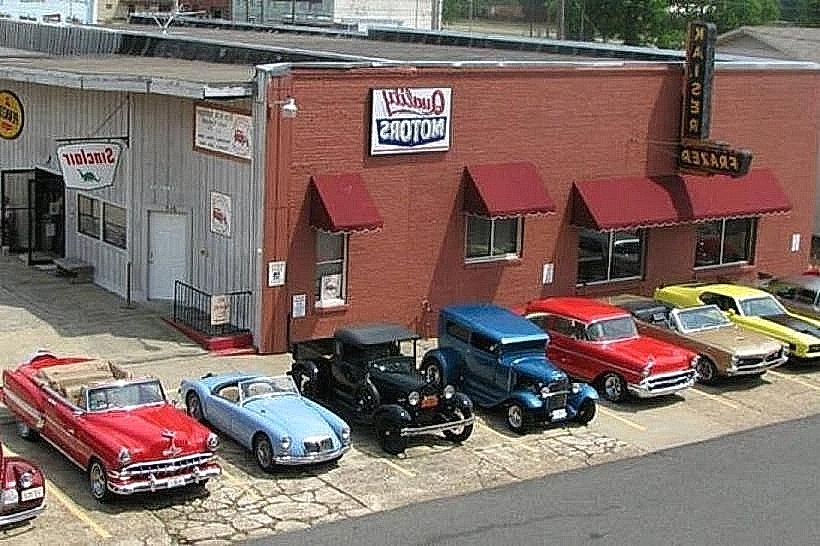
Four States Auto Museum: Featuring a rotating collection of classic cars and regional automotive history.
Holiday Springs Water Park: A major regional summer attraction located on the Arkansas side.
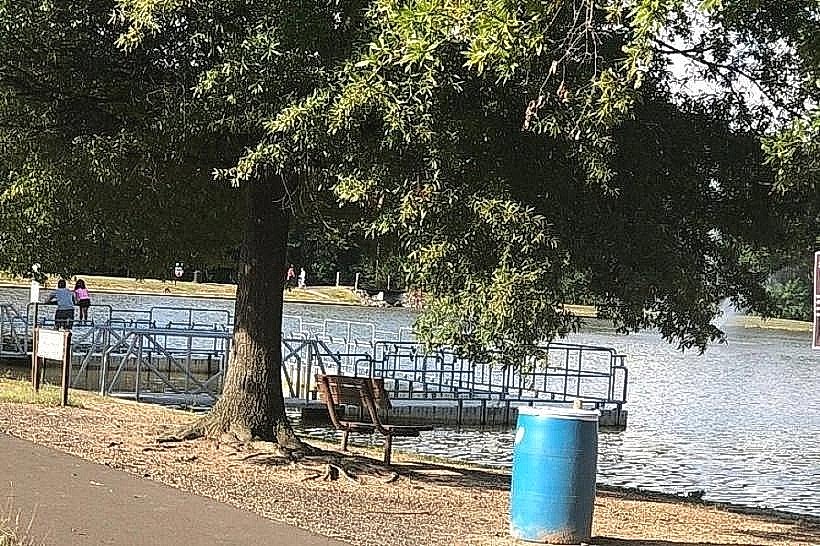
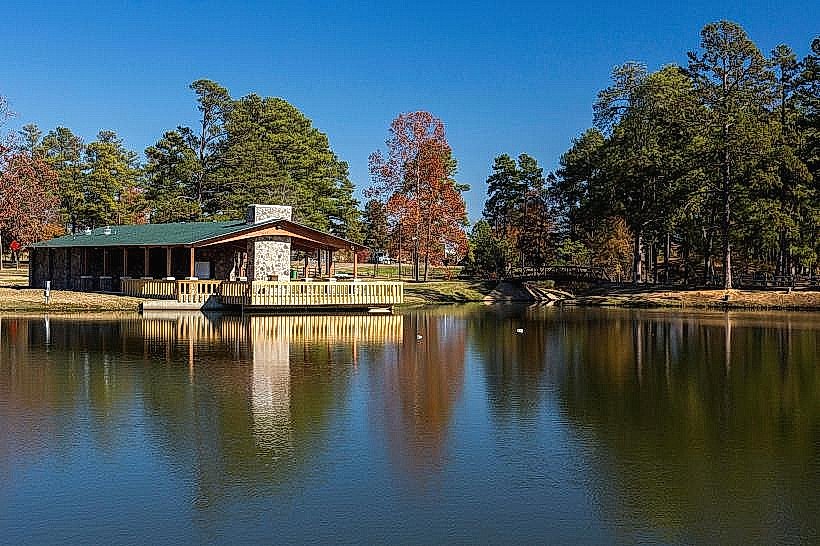
Bobby Ferguson Park: The city's primary green space, featuring a 1.6-kilometer walking trail around Lake Dieffenbacher.
Transportation Network
Movement is facilitated by the T-Line Bus System, which operates eight fixed routes across both the Arkansas and Texas sides ($1.25 per adult ride). There is no metro. Ride-sharing via Uber and Lyft is available. The Texarkana Regional Airport (TXK) provides commercial links to major hubs. Traffic is moderate, with peak congestion concentrated on State Line Avenue and I-30.
Safety & "Red Zones"
The general safety level is moderate. Violent crime rates are higher than the Arkansas state average, though they are largely concentrated in localized hotspots. Areas with higher risk include older residential neighborhoods immediately south of the downtown core and specific sections of the 9th Street corridor. Standard urban caution is advised on Broad Street after midnight. Property crime (theft) is common in the big-box retail parking lots along North State Line Avenue.
Digital & Financial Infrastructure
Average internet speed is 250–500 Mbps, with speeds up to 2 Gbps available via XNET WiFi. Other providers include Kinetic (Fiber), Sparklight, and AT&T. Main mobile carriers are Verizon and AT&T. Card acceptance is universal. ATMs are concentrated in the Downtown and Jefferson Avenue commercial zones.
Climate & Air Quality
Temperatures range from 1°C to 12°C in winter (January) and 23°C to 34°C in summer (July). Specific weather risks include high humidity and severe spring thunderstorms. Air quality is consistently high, though summer humidity can lead to "Moderate" AQI levels.
Culture & Social Norms
The standard tipping rate is 18–20%. Greetings are informal and polite. A unique social norm is the city’s dual-state identity; residents often cross the state line several times daily for work or shopping. Dress code is "Southern Casual." Smoking is prohibited in public indoor spaces.
Accommodation Zones
North State Line Ave / I-30: Stay here for modern chain hotels and proximity to major restaurants and the water park.
Downtown: Stay in boutique lofts or historic B&Bs for proximity to museums and the courthouse.
Local Cost Index
1 Espresso: $4.25
1 Standard Lunch: $14.00
1 Bus Ticket: $1.25
Nearby Day Trips
Wright Patman Lake (Texas): (25 km)
Millwood State Park: (40 km)
Shreveport, LA: (115 km)
Historic Washington State Park: (55 km)
Facts & Legends
Texarkana is the only city in the United States where you can be in two different federal court circuits (the 5th and 8th) inside the same building. A local legend involves the "Boggy Creek Monster," a Bigfoot-like creature allegedly sighted in the nearby bottomlands of the Sulphur River. A verified historical oddity is that the city's name is a portmanteau of Texas, Arkansas, and Louisiana, even though the city limits do not touch Louisiana (which is approximately 50 kilometers south).